Hey Hey!
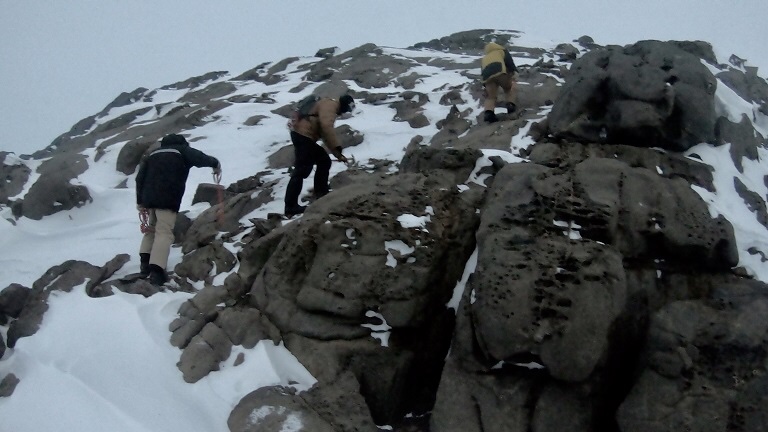
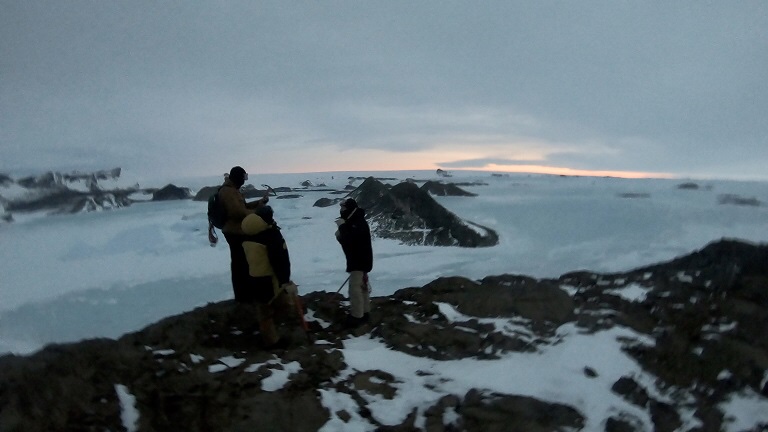
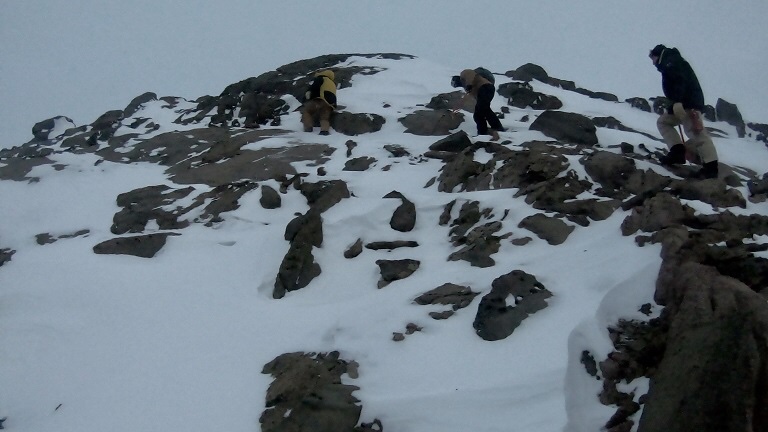
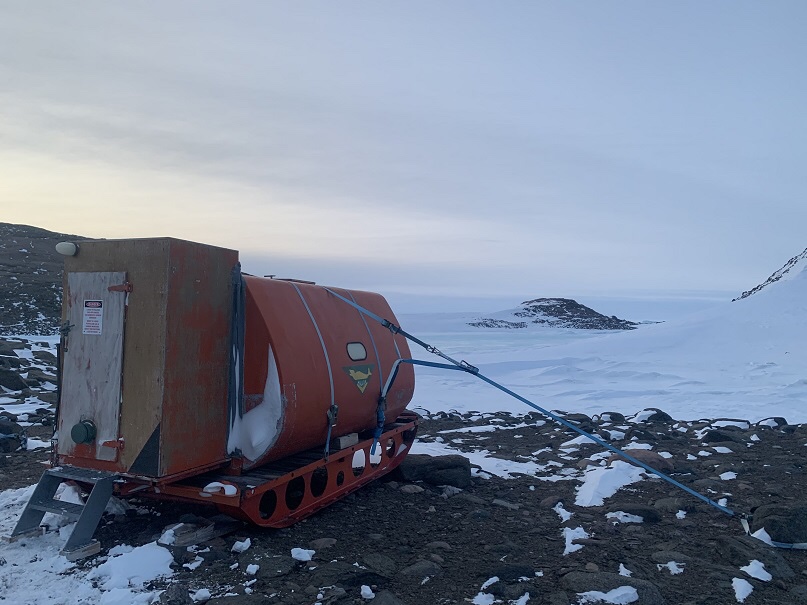
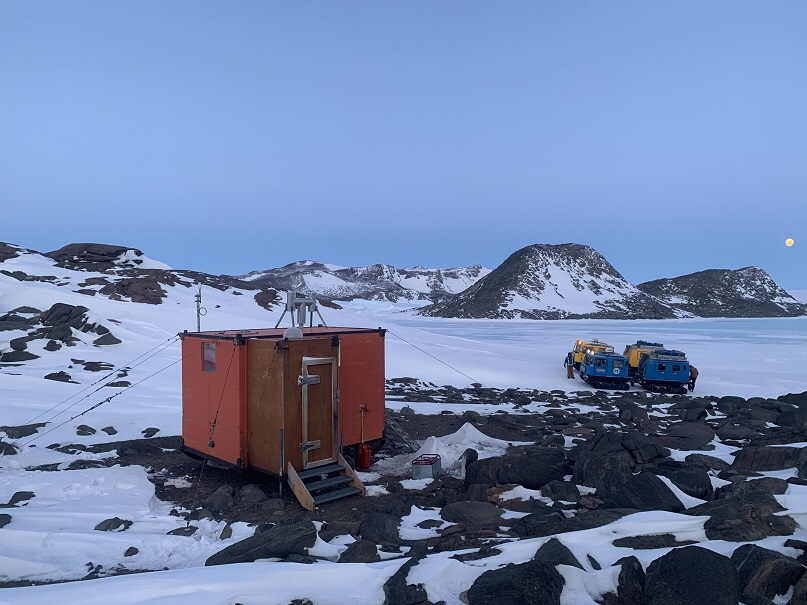
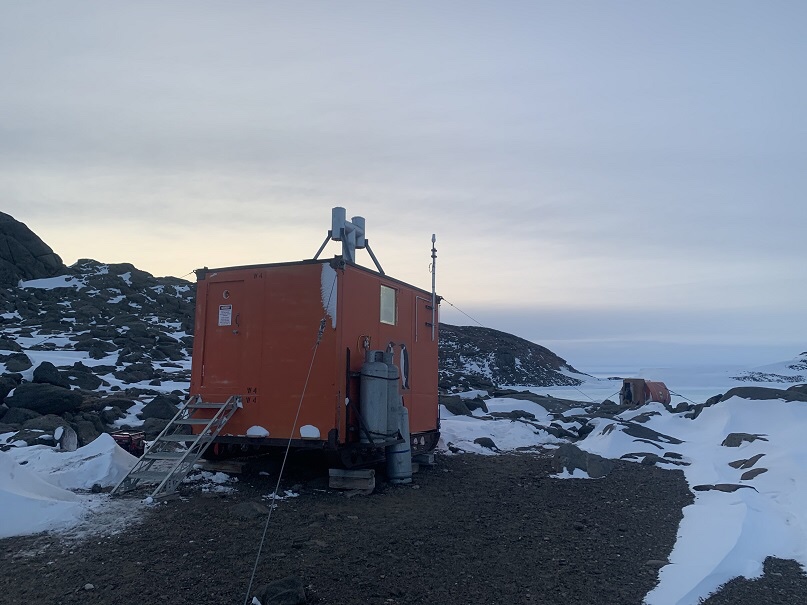
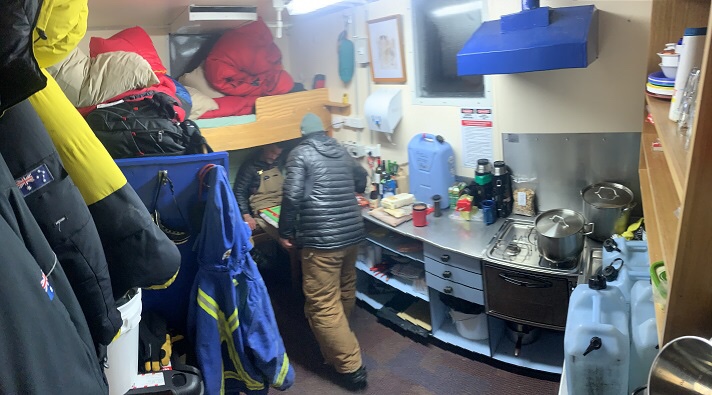
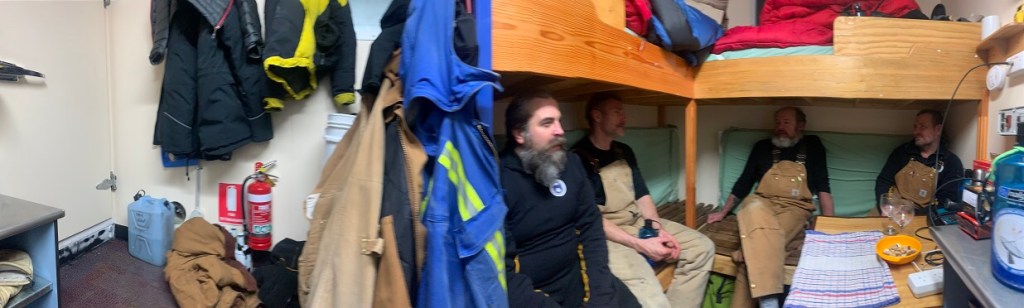
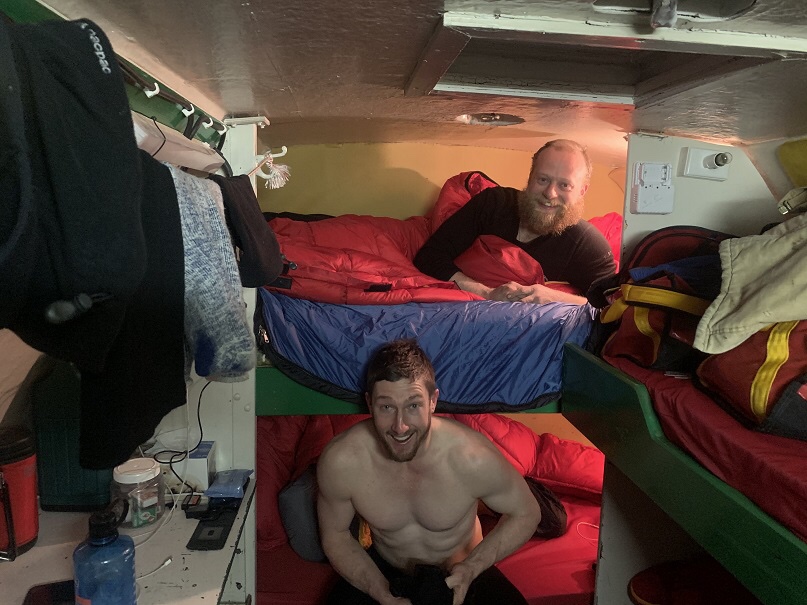
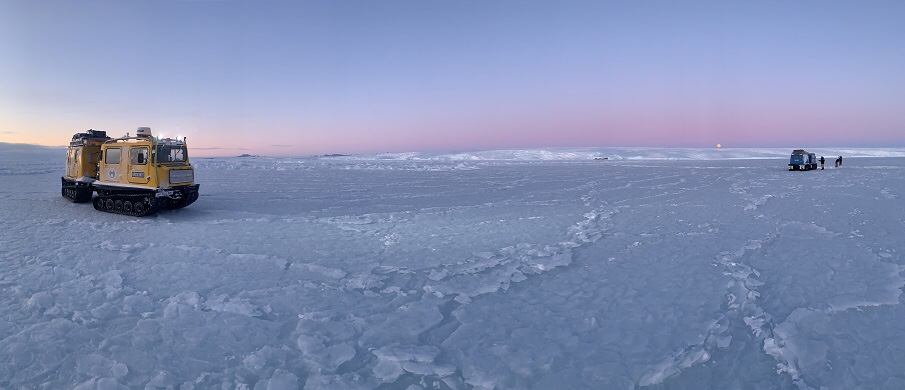
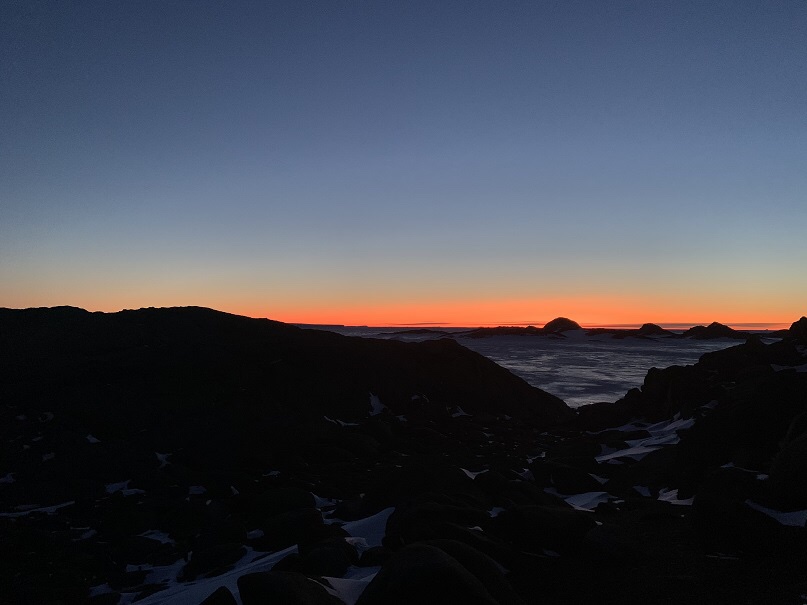
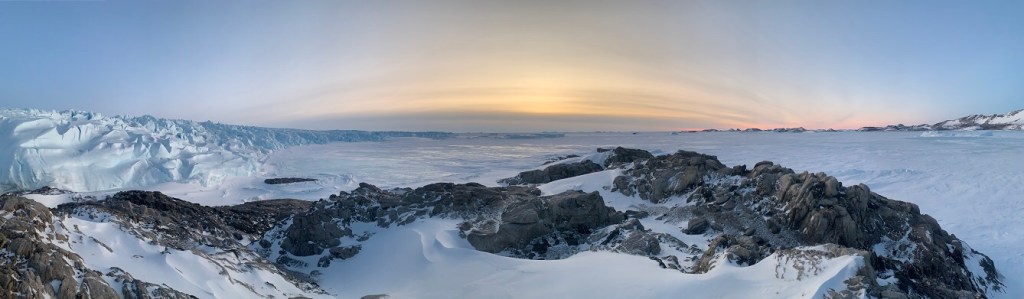
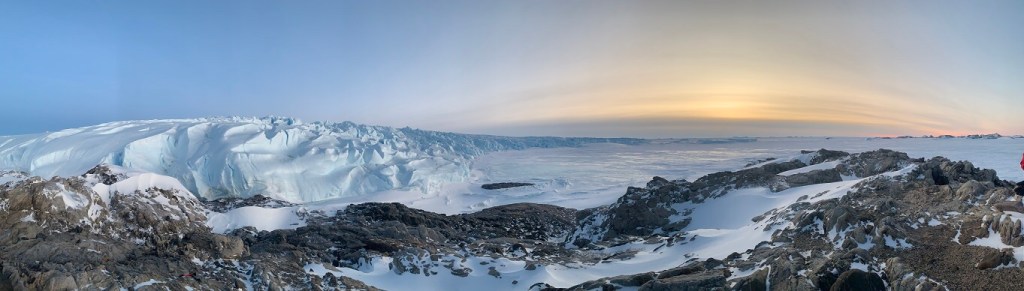
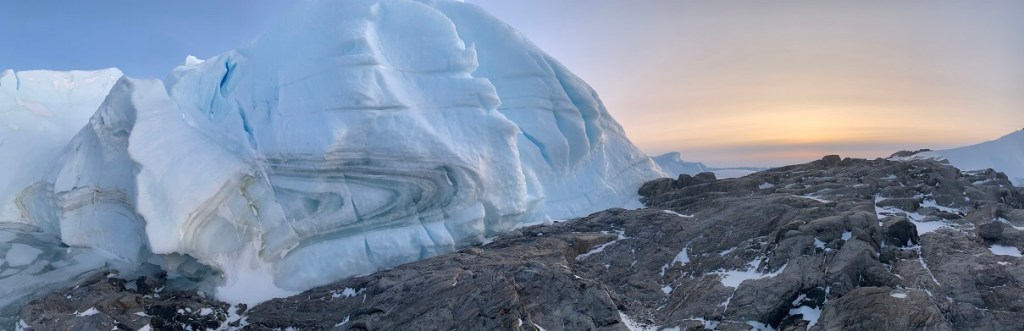
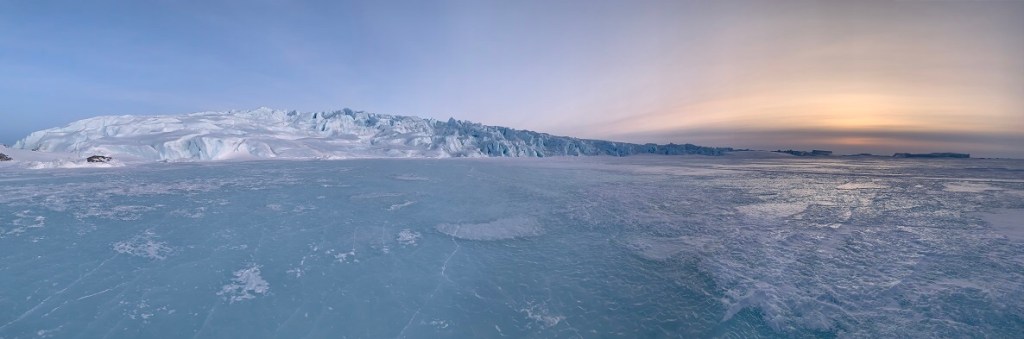
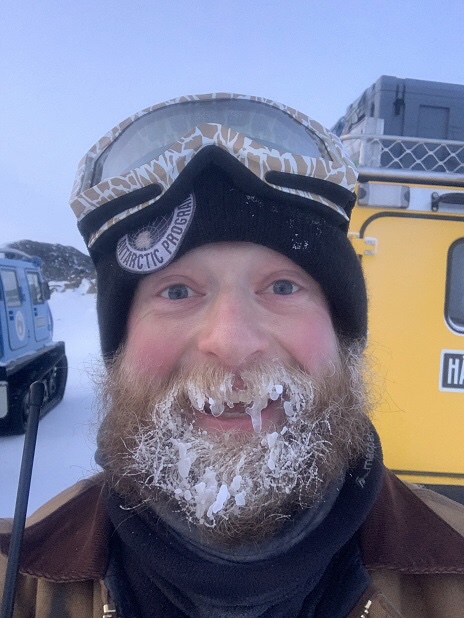
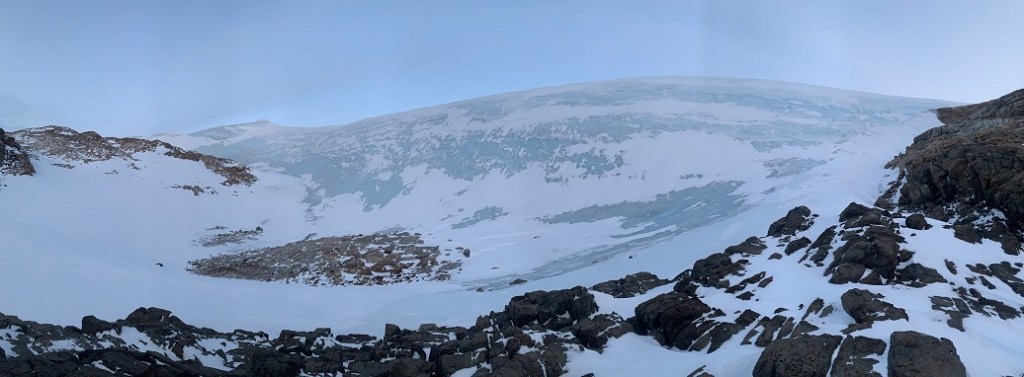
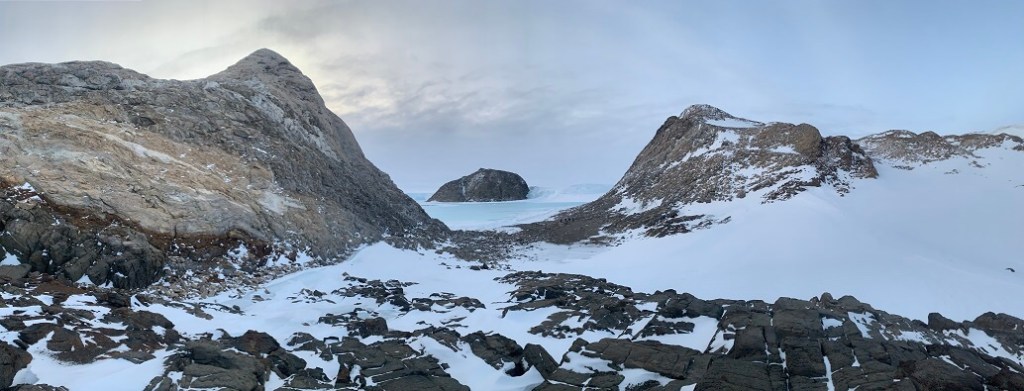
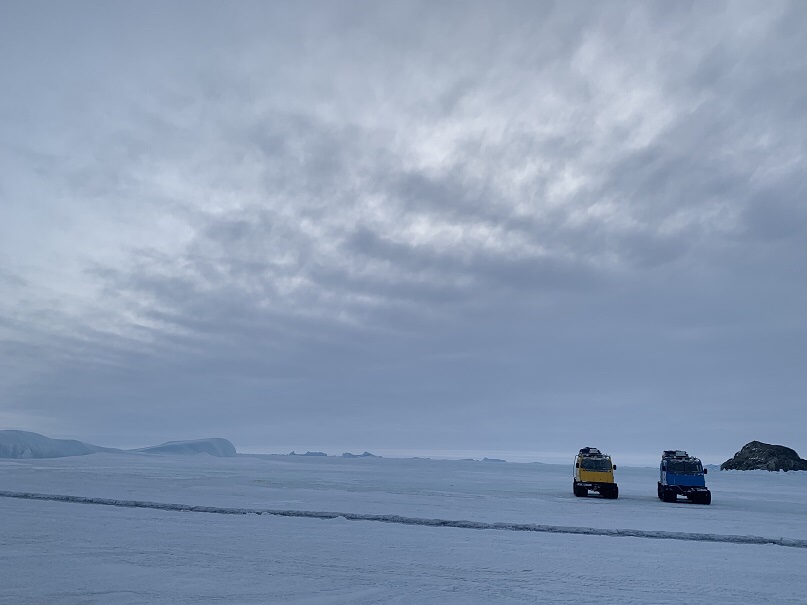
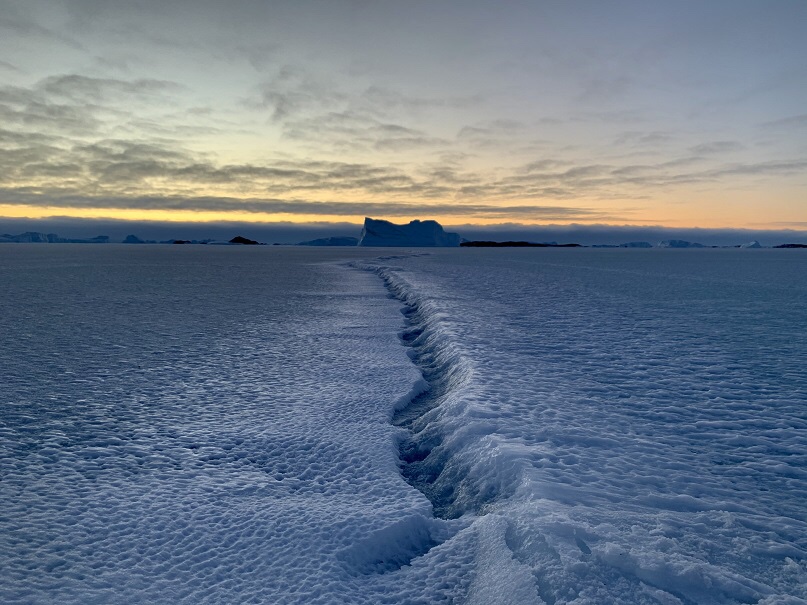
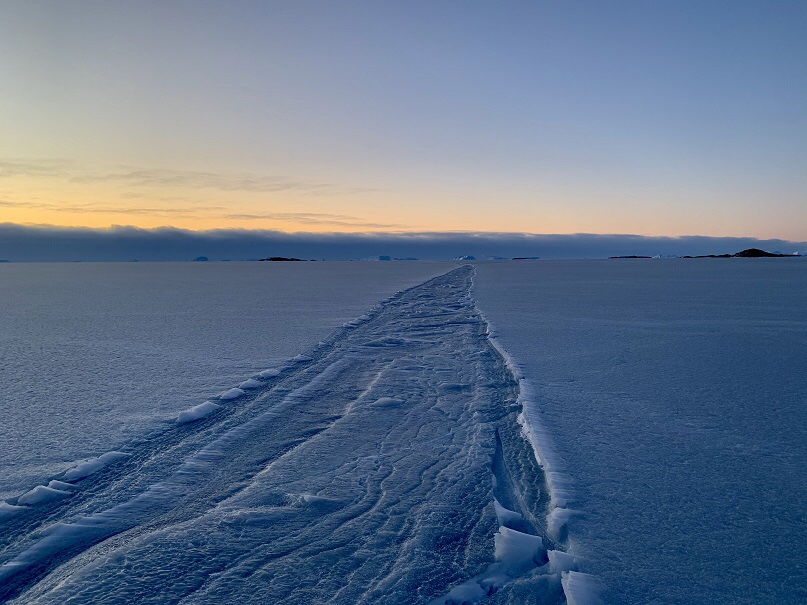
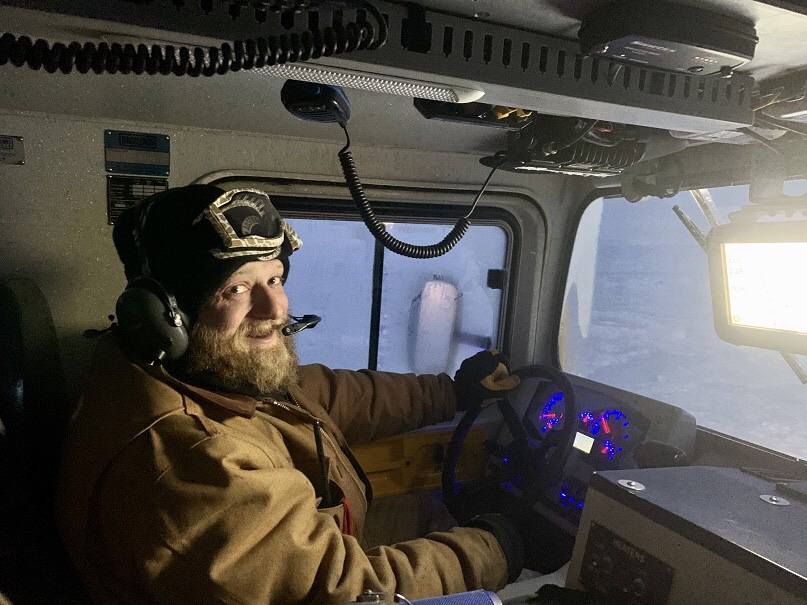
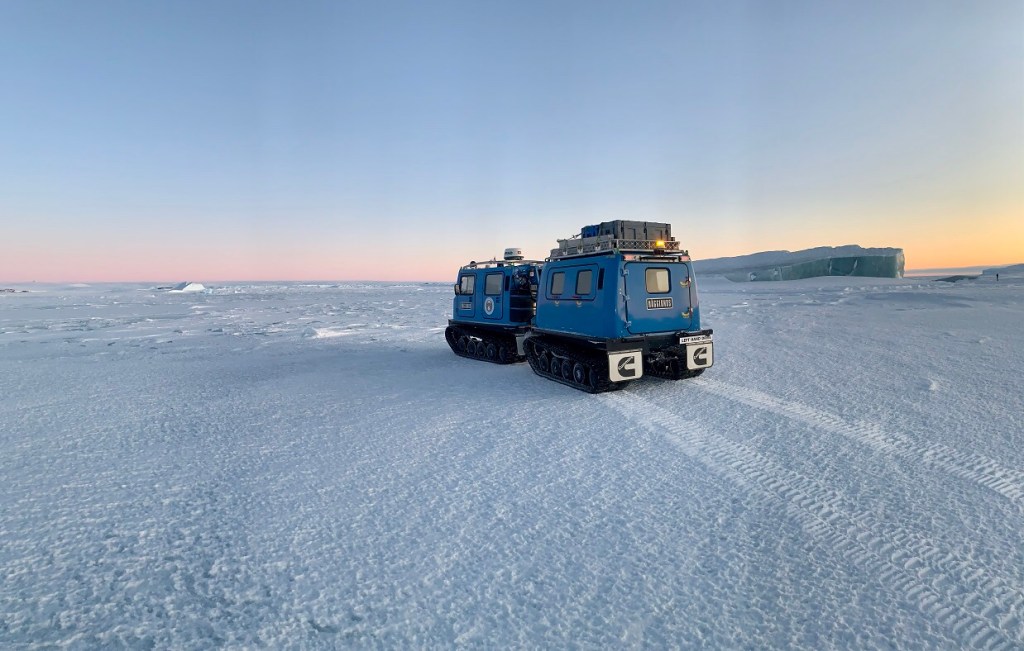
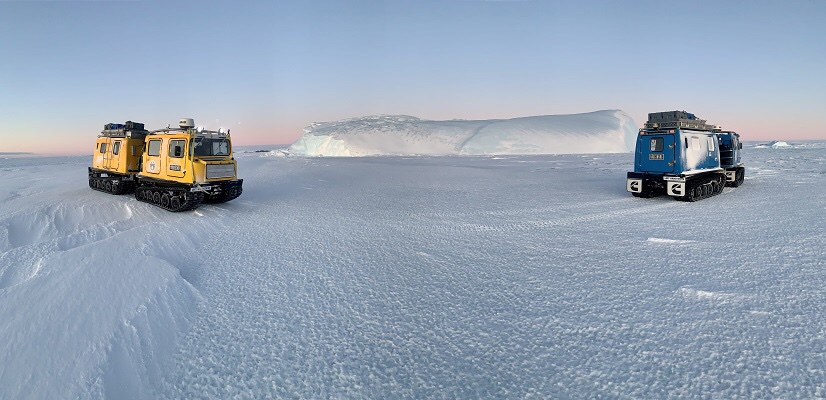
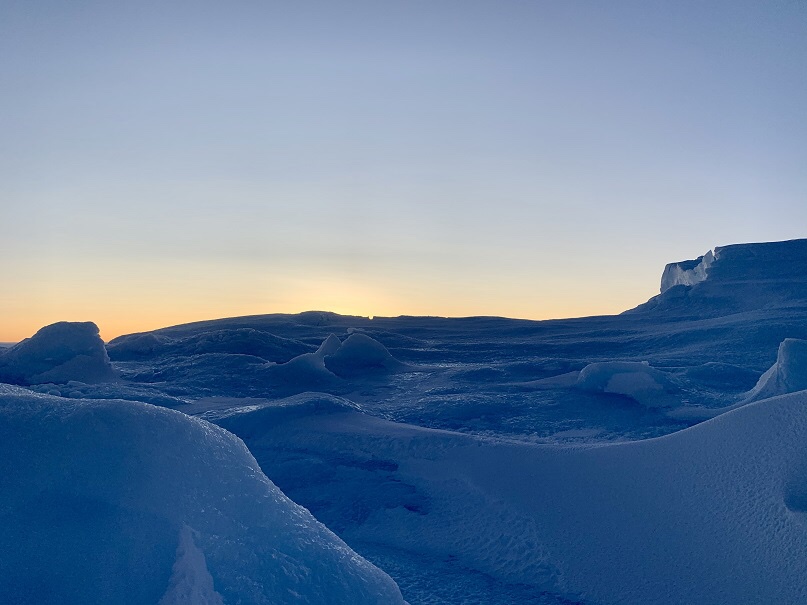
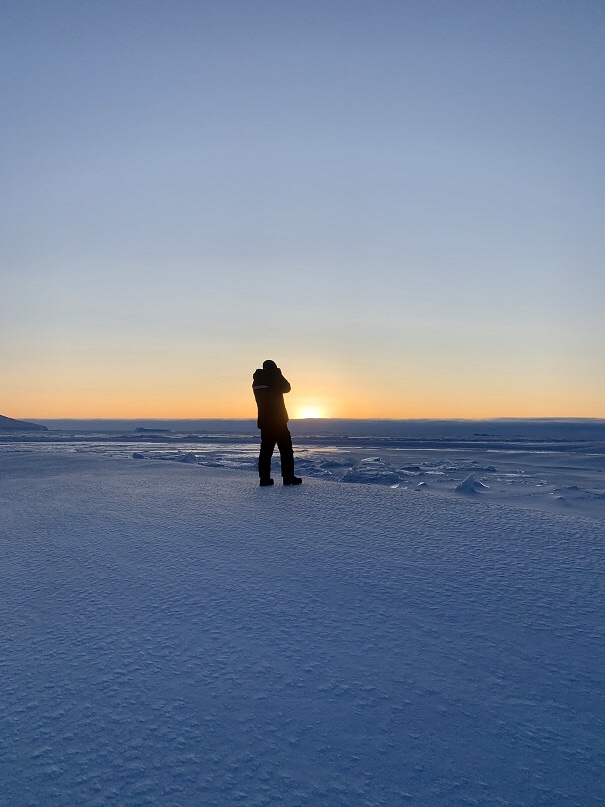
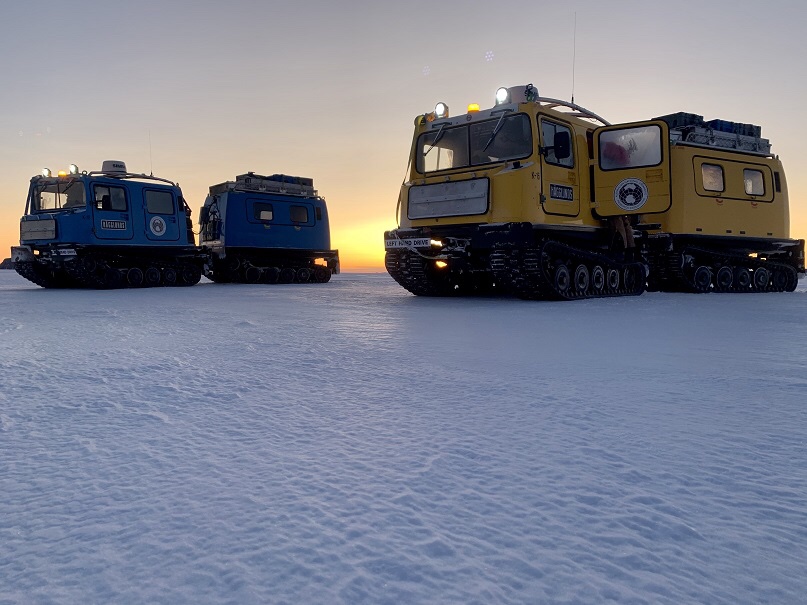
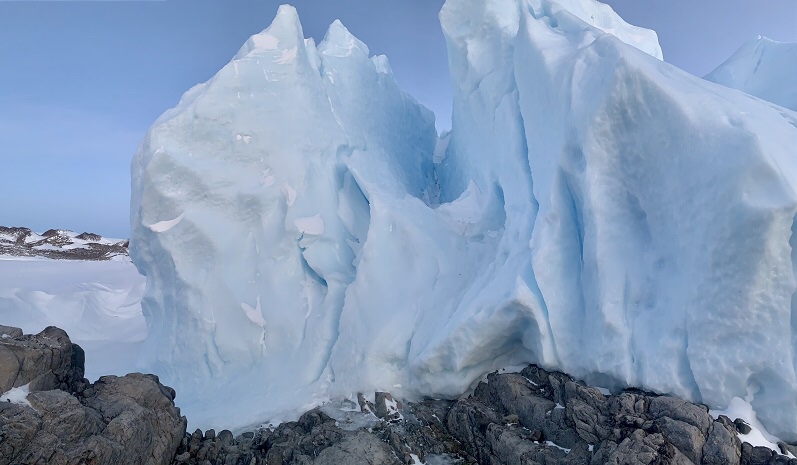
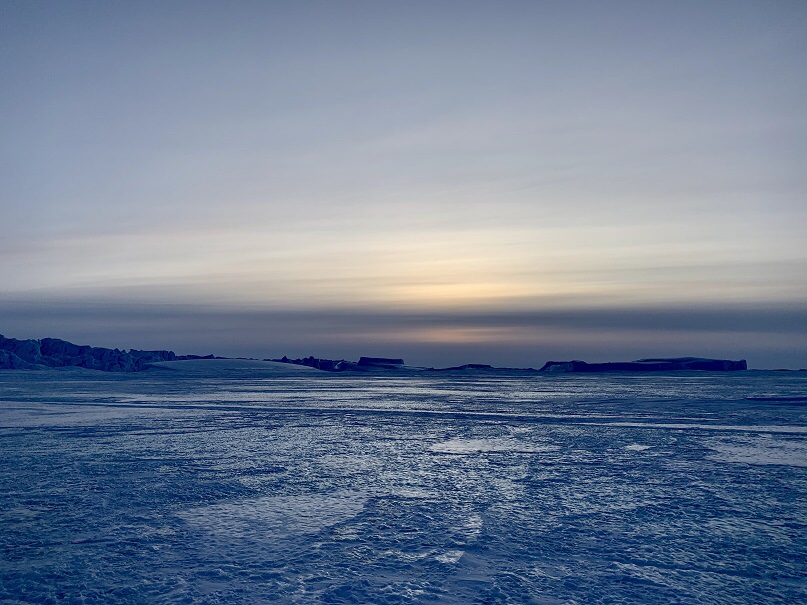
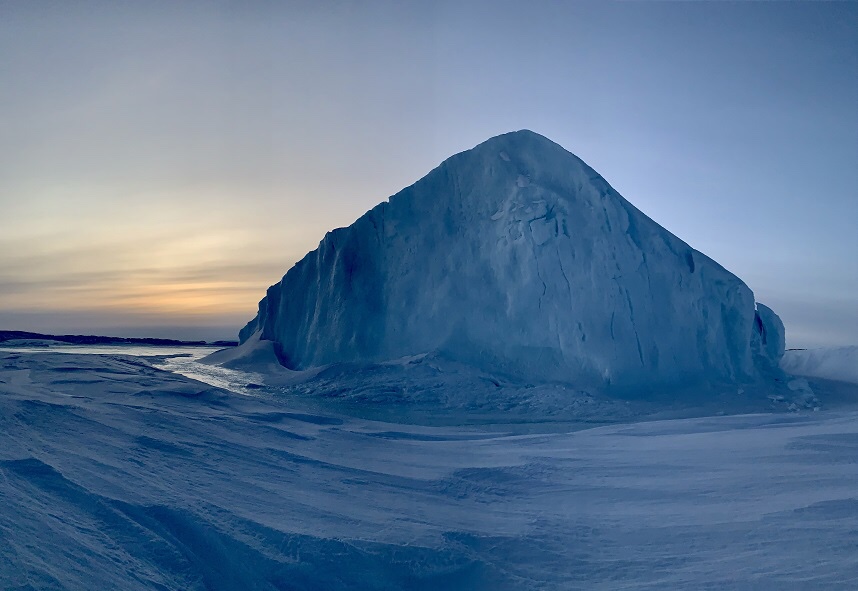
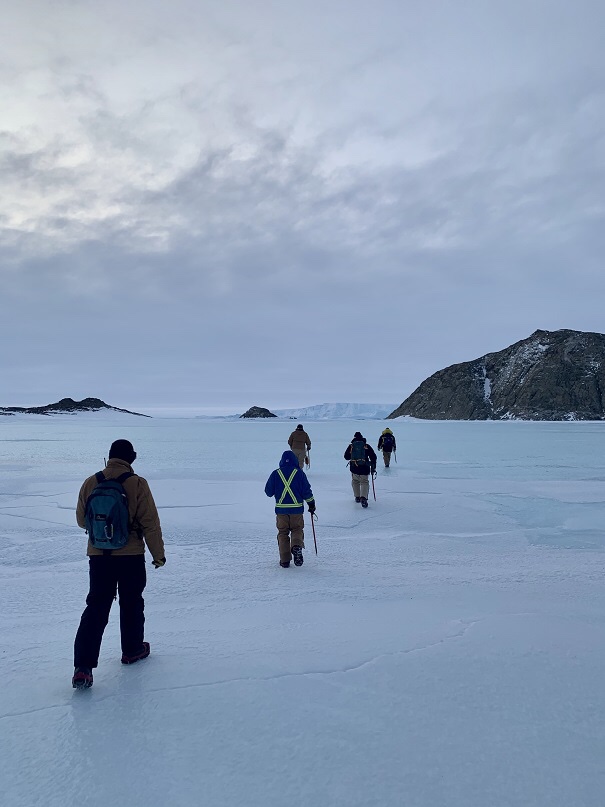
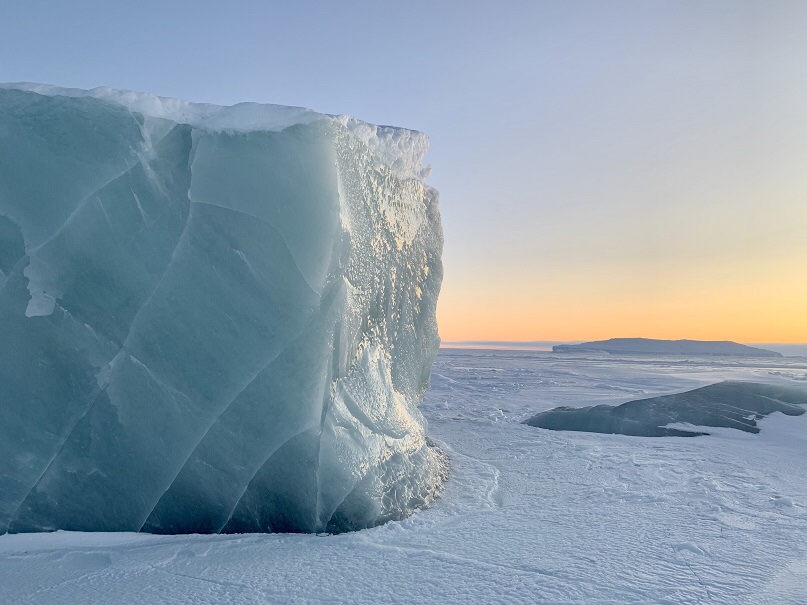
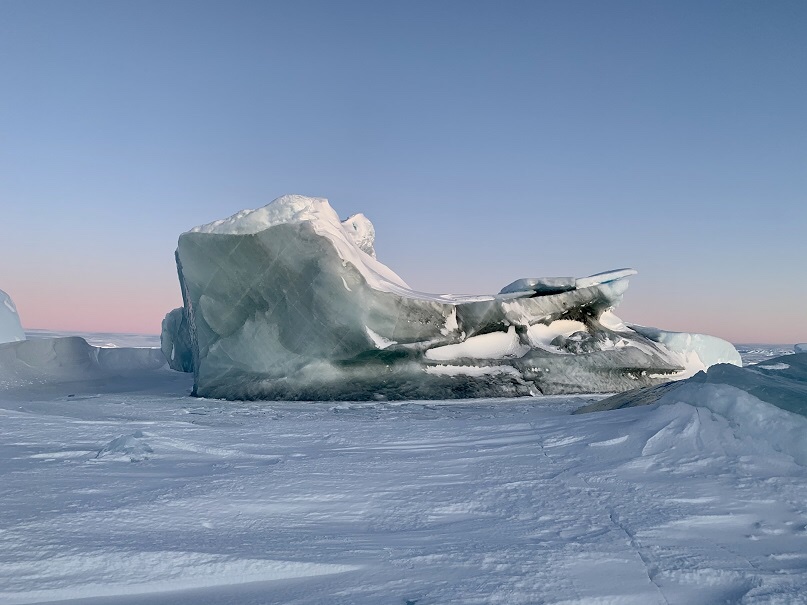
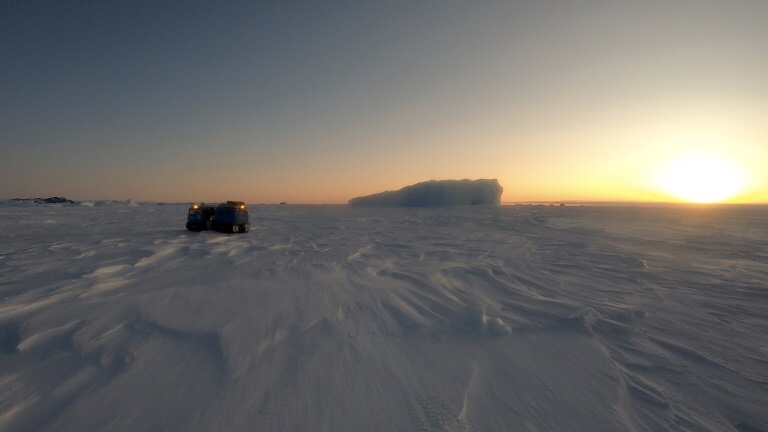
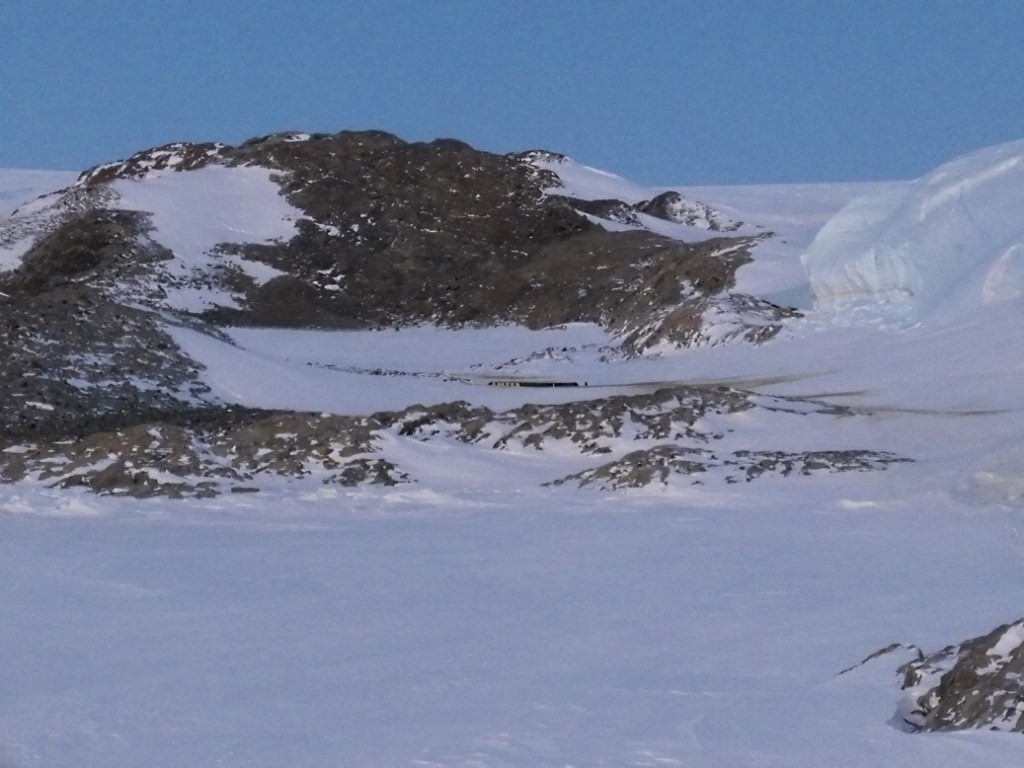
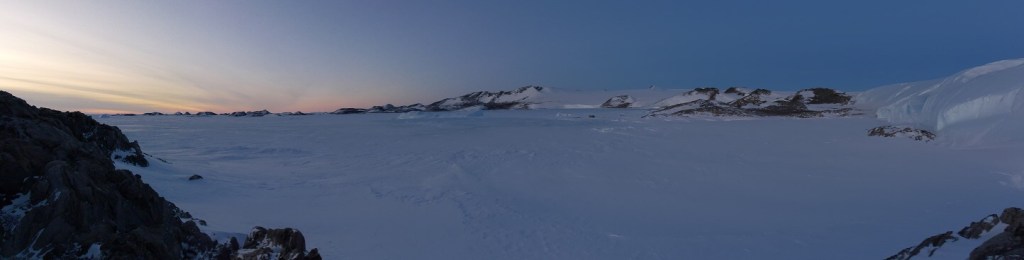
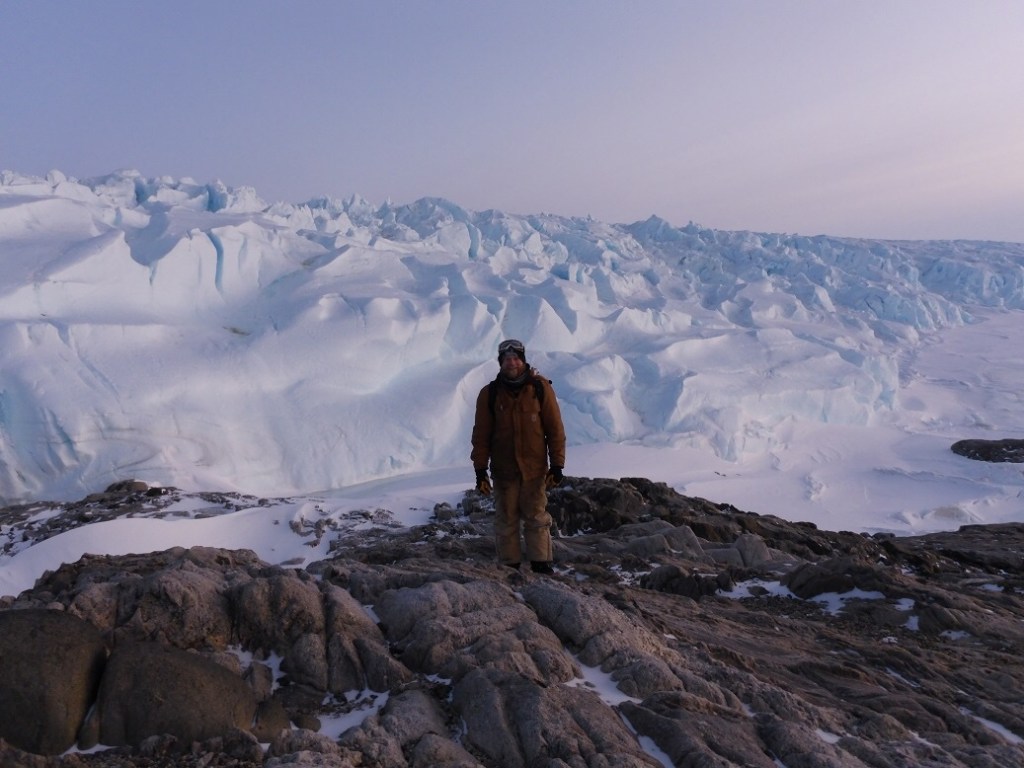
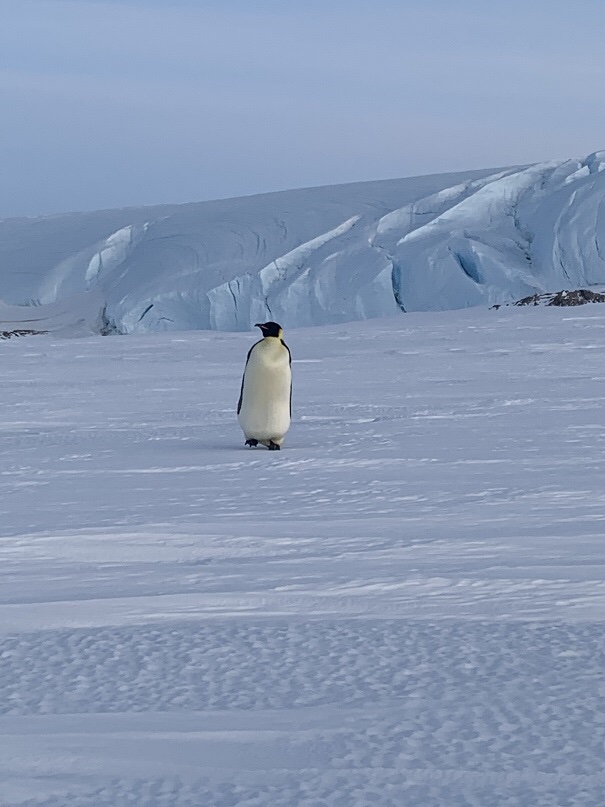
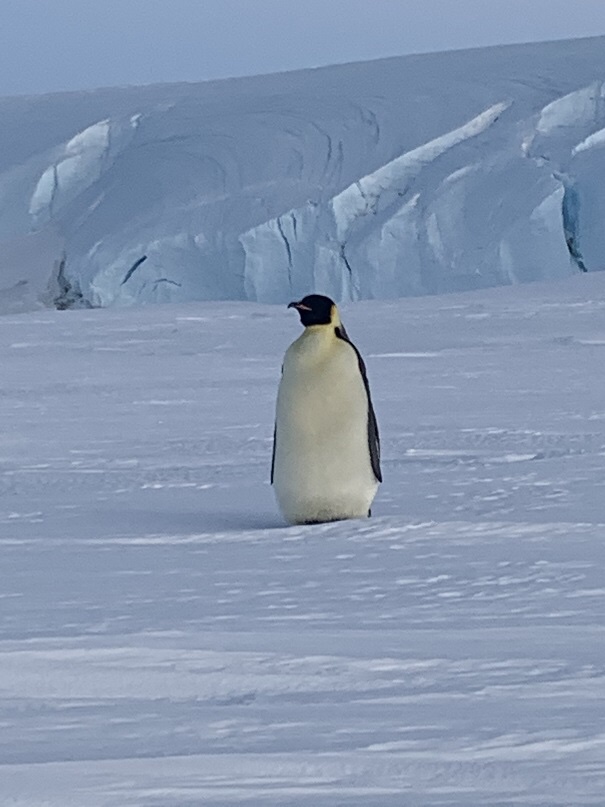
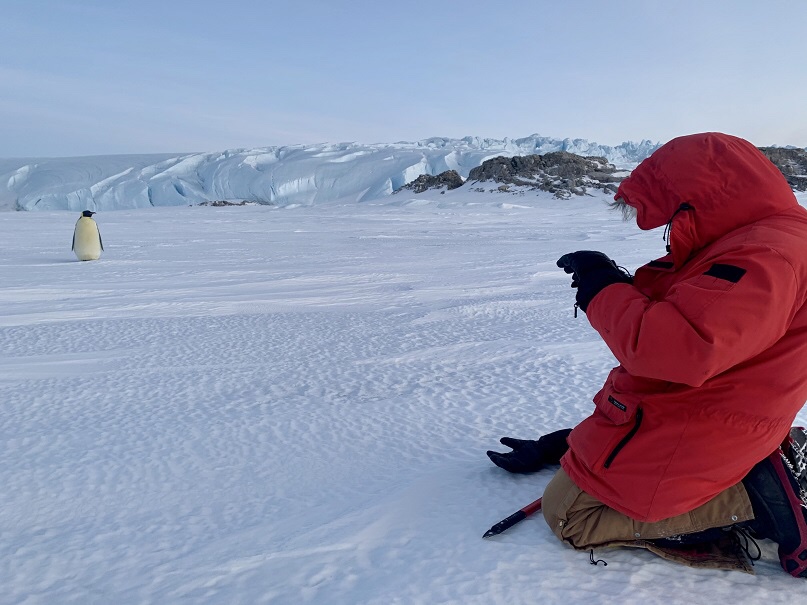
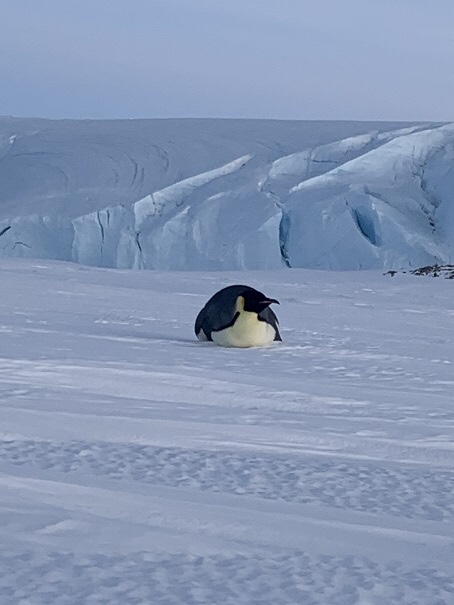
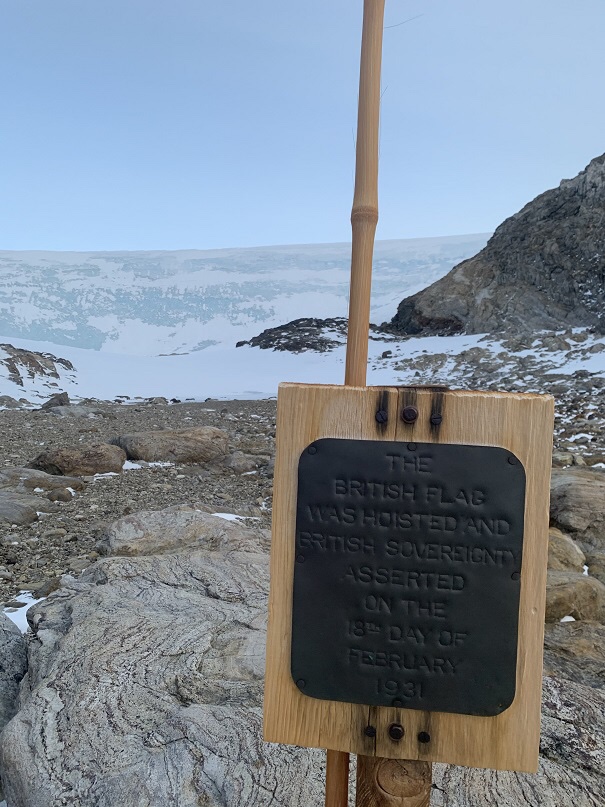
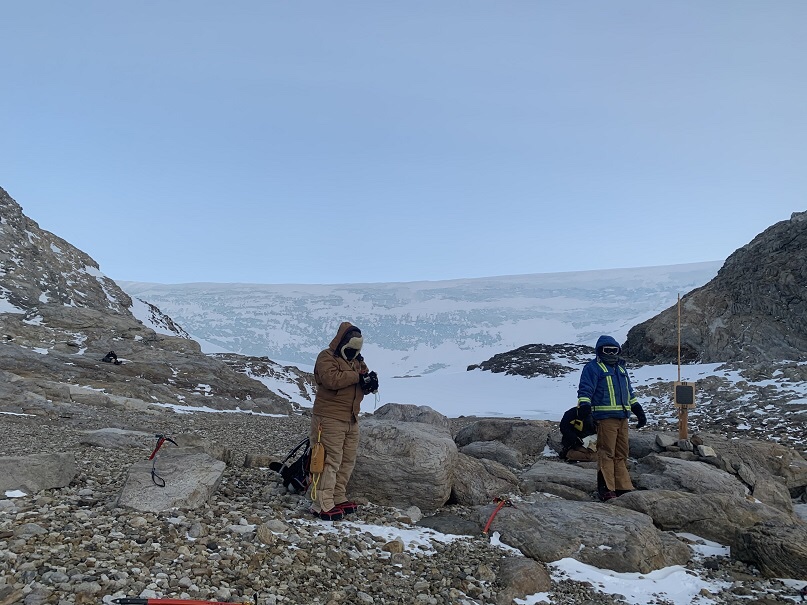
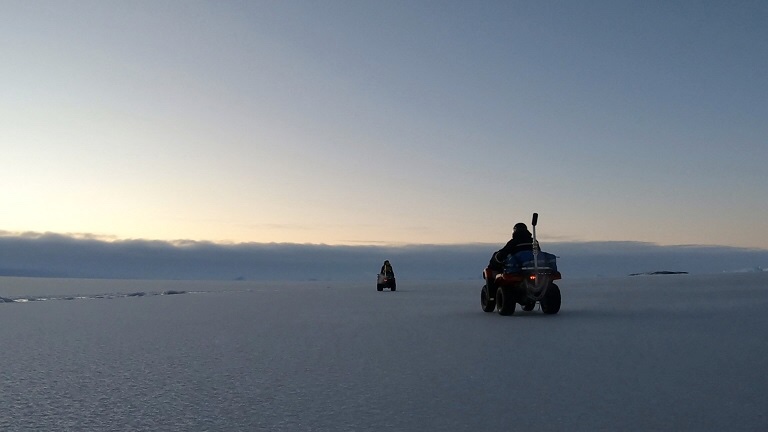
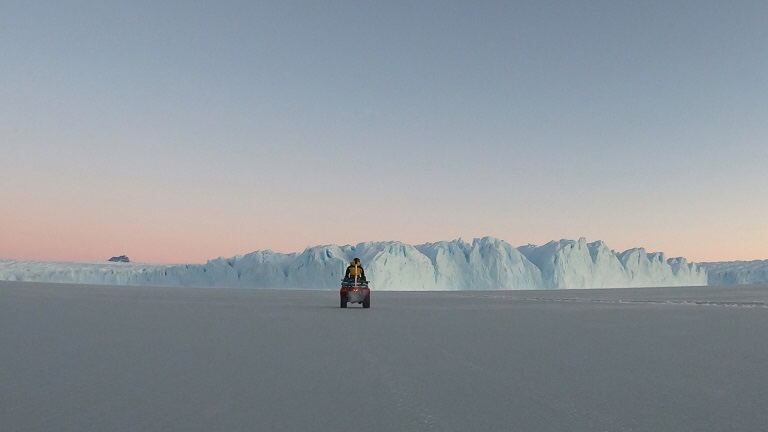
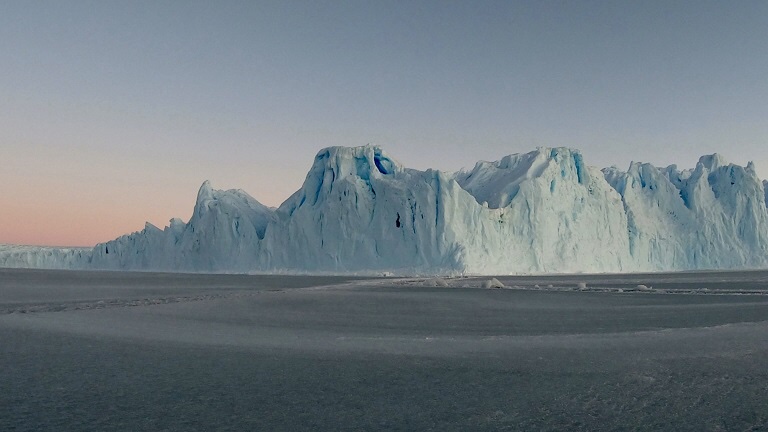
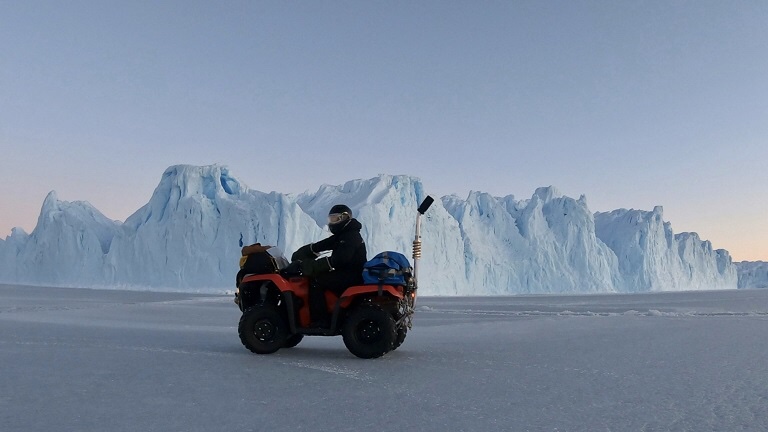
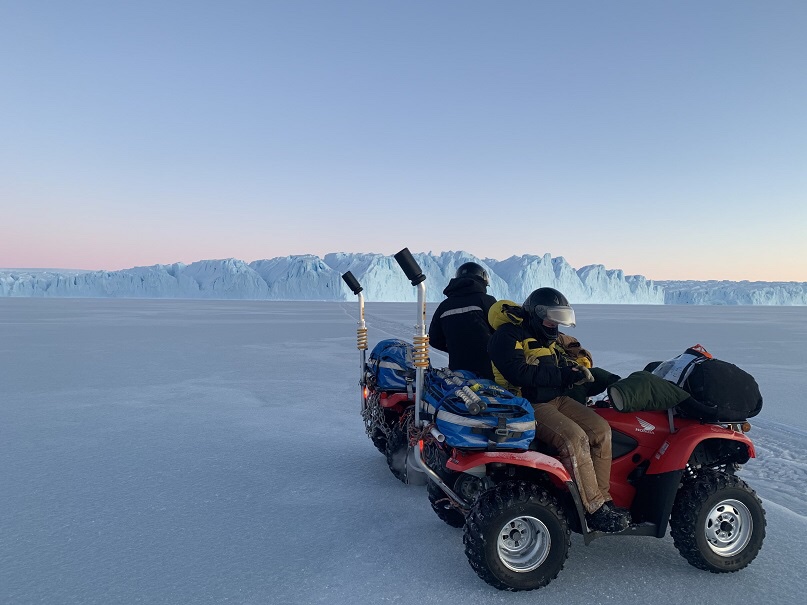
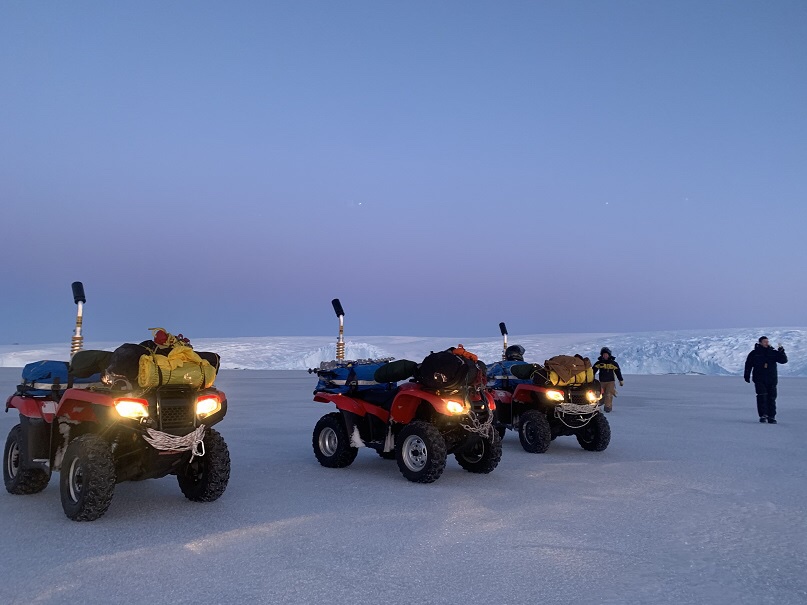
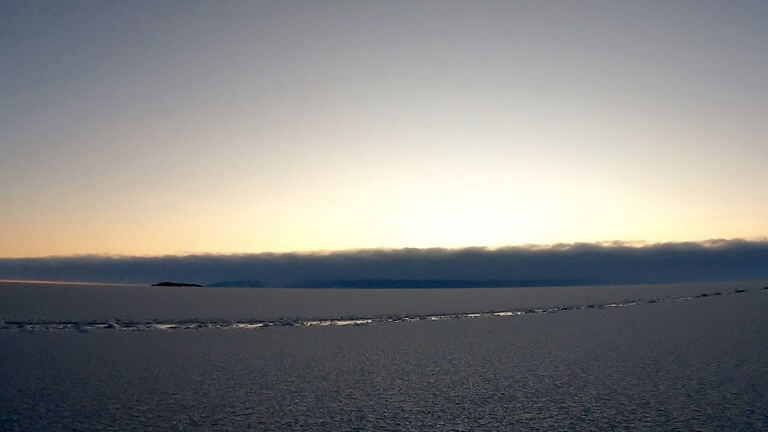
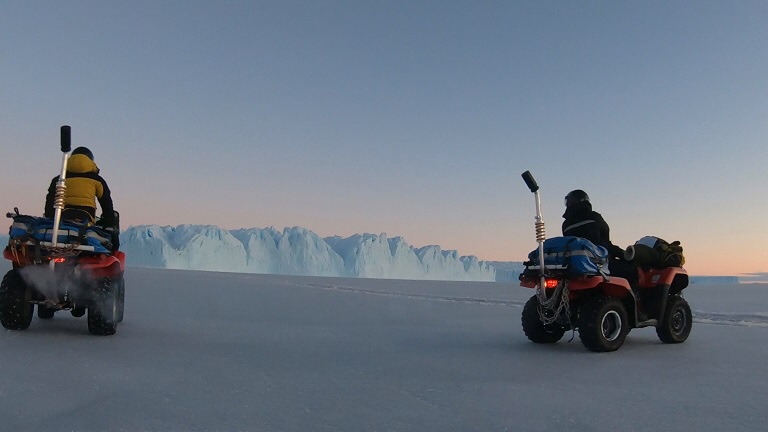
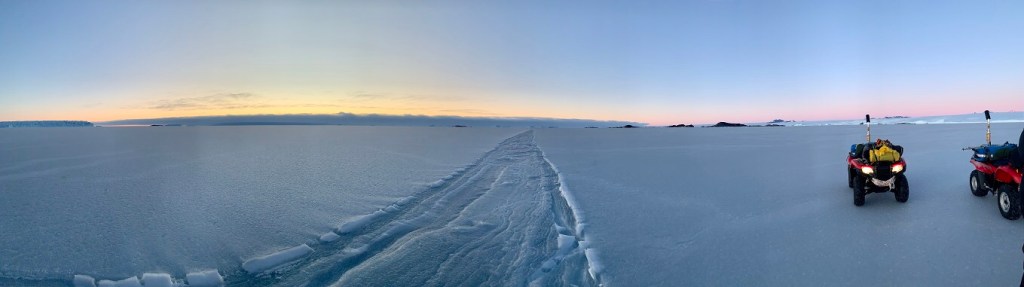
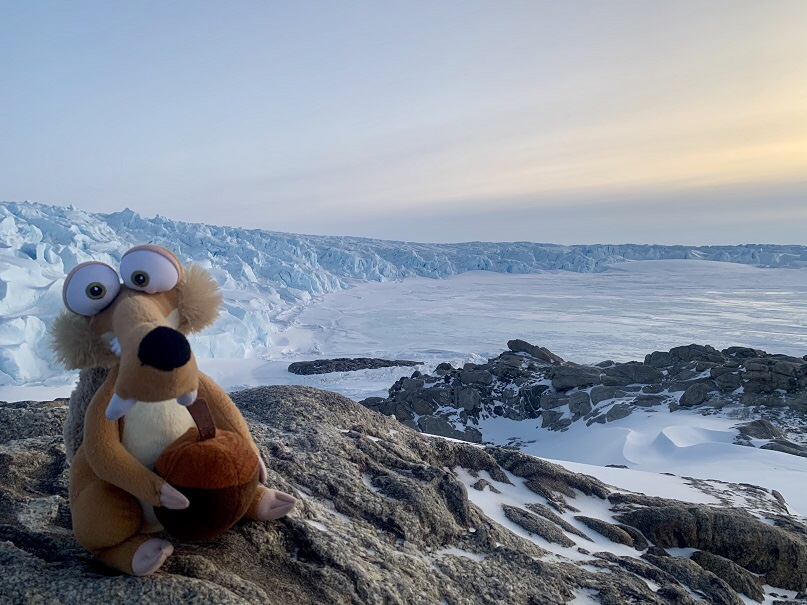
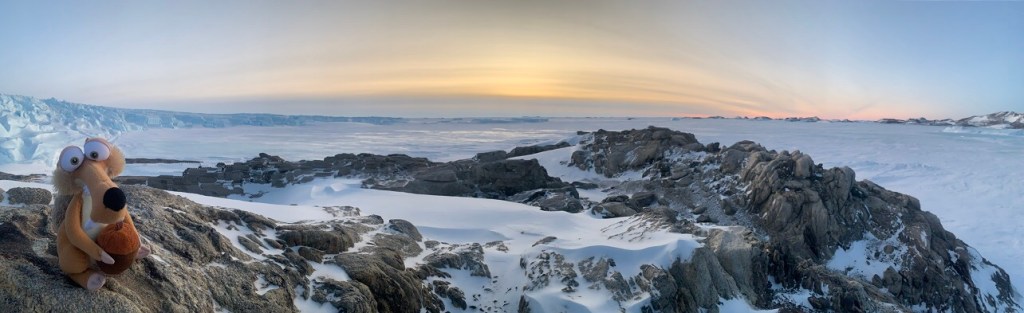
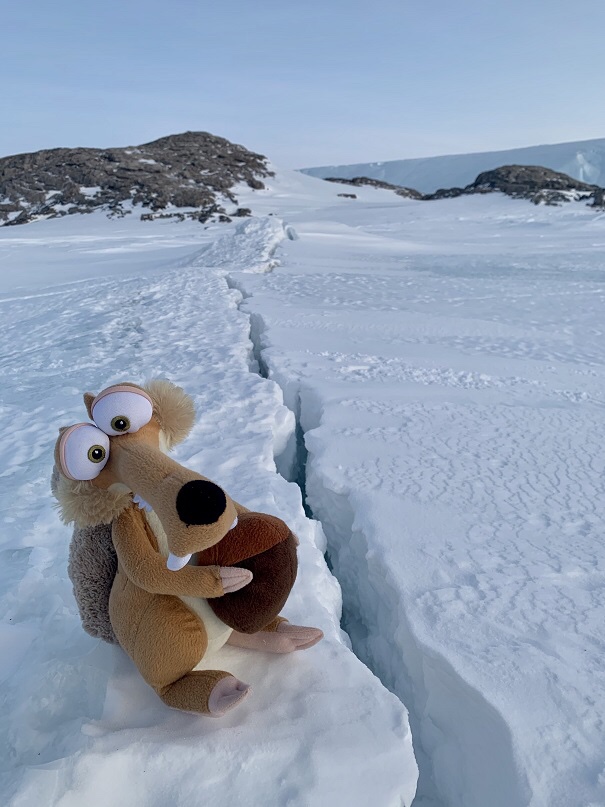
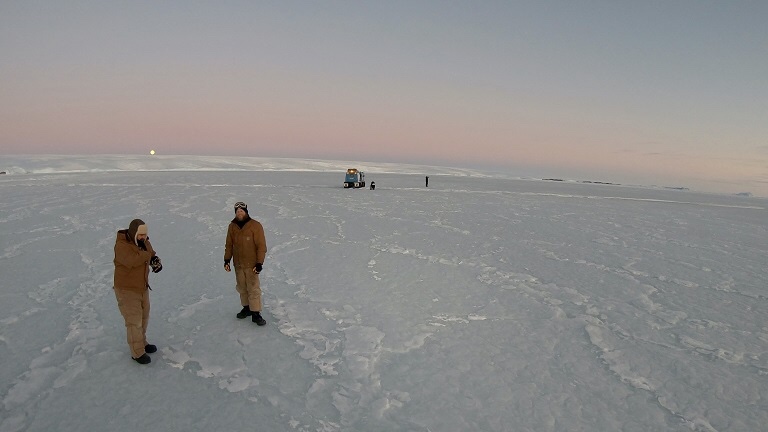
So a couple weeks ago we got to travel out to Taylor Rookery which is one of the best trips we can do and as far as Penguin Studies go, this is also one of the most important trips of our season. Taylor is 90 kms from Mawson across the sea ice and actually outside the ‘Station Operating Area’ meaning special permission has to come from Kingston to travel out there and a ‘Dieso’ has to be present on every trip, luckily for me. A lot of planning had to go into the trip before we could leave and a couple days before leaving three of us had to travel out on quads and do a reconnaissance trip to prove the sea ice would be thick enough to travel across on Haggs. If not the trip would have been put off. Over the years a generic route has been planned with waypoints on GPS for trips to follow when heading out to Taylor. But conditions change on the ice every year and the route can never be exactly the same. So while travelling out we had to stop every now and then to drill and measure the ice either at set way points or when ever there was an obvious change in ice conditions (e.g. change in colour or before and after a crack in the ice). Small cracks were fairly common usually found in between fixed objects like islands or grounded icebergs but these cracks were mostly only 10-20cm across and easily crossable with a quad. The main problem we encountered was quite a large crack coming of the Forbes Glacier over a couple meters wide and barely frozen over in the middle. We couldn’t even get the quads across let alone a Hagg. So we had to go and find a way across. This is where it got really interesting because we no longer had that certainty of knowing the exact way to get to where we were going which is very rare in this day and age when everything is usually always mapped out for us already, so this was really a tie to actual exploration. First we travelled back towards land and where the Glacier met the ocean to see if there was anywhere there that the crack was closer together but as we got closer to it we found that three cracks actually extended from one intersection and there was no way we would ever get through there. So we had to head back out following the crack out to the ice edge. It was a fair way out probably a few kilometres before we found a place where the crack was small enough to cross but we were happy we found a spot because otherwise the whole trip would have been put off. All up we ended up travelling about 40kms from station and all the sea ice measured at least over 70cm to over 1m which was great because we needed at least 60cm to travel in Haggs. It was a pretty awesome experience to be riding over sea ice on a quad in between small islands and ice bergs. The day after the ride we had to get all of our gear together and pack the Haggs. Six of us would be heading out together and travelingin two haggs, so I had a pretty busy week leading up to this checking over the haggs and especially ensuring all the door seals were water tight in the event a hagg broke through the ice and ended up in the drink. I also had to ensure I had a selection of spare parts and tools in the event there was a break down. We left first thing on the Sunday morning. I drove the yellow Hagg with Tom our Communications officer and Wayne one of our plumbers. We followed the Blue Hagg with Mark our FTO who was leading the whole trip, with Brilly a sparkie and Hamish one of the Chippies. The Theory behind it was the Blue Hagg travelled a few hundred meters in front and still had to drill periodically to prove they were still on good ice, so the Blue Hagg was quickly named the ‘Blue Canary’ while the yellow Hagg was often referred to as the ‘Yellow Submarine’ since it has frequently featured on the wall of shame. All up the trip to Colbec hut took about 8hrs with little time to stop to take photos since we had to make the best of the day light we had, though we did take a little bit of time to stretch our legs and get a few photos when we came across a ‘Jade Berg’ – an ice berg which is not the typical light blue but more of a milky dark green. Little is known about how they are formed but they are quite rare. There was only one ‘If-y’ moment on the trip when we came across one crack which was still just wide enough for the tracks on the Hagg to span but also very thin in the centre. The haggs did actually break through to open water but only over a distance of about a foot so the Haggs still easily crossed. Once at Colbec we set about unpacking the essentials and most importantly warming up the Huts. There are two huts there both sleeping 4 people so we had three people in each. The next day we had a slow rise as we had to wait for a bit of day light for our visit to Taylor rookery which was still another 5kms from the huts. Visiting Taylor Rookery is highly regulated under an ASPA (Antarctic Special Protected Area). Taylor is very unique as it is one of only a few known Land-Based rookeries and always in the exact same spot. Typically rookeries are on sea ice and reasonably transient in that there exact location changes every year as sea ice conditions change. Our purpose for this trip was to try and get a census of how many breeding pairs there were in the colony. By this time of the season the females have laid eggs, passed them on to the males and then headed back out to sea to feed and any male who did not breed should have left by now. Due to the ASPA we are only permitted to visit the Rookery 3 times in a season and only 4 people are permitted into the area. As there were 6 of us on the trip, unfortunately Wayne and I kind of drew the short straw since we had no operational reason to enter the ASPA as far as photographing the colony or downloading data from cameras permanently set up to document the colony. So the others got their gear together and went on into the ASPA whilst Wayne and I wandered off to a nearby island which over looked the colony from a distance. The view from on top of the island was pretty spectacular. We could just make out the colony as a bit of a black mass in the distance but also had a great over view of the Taylor Glacier as it met the sea ice. What was also great was that since there was almost no wind was how quiet it all was – everything was just so still. Every now and then we could hear a penguin squawking in the distance but apart from that it was quite surprising to hear how often the ice and snow cracked breaking the silence. It actually sounded similar to rain just starting to fall onto a tin roof with the occasional tap. . . . . tap . . . . . tap,tap. While on top of the island Wayne spotted a penguin leaving the colony and wandering back out onto the sea ice. We thought this was our chance to see a penguin up close so we climbed back down from the island and walked back out into the direction we thought it would be heading. We stopped a couple hundred meters away from it and just made ourselves as low as possible hoping it would continue in our direction. It seemed to have spotted us and after stopping to watch us for a few minutes it turned back around and started heading back to the colony. From here Wayne and I walked back to the other side of the island so we were in between it and the Glacier and got some pretty great photos. As we circled back around the island we came across the penguin making its way out again, though this time it seemed to have made its decision to leave as it was pushing itself along the ice on its belly. Wayne and I waited on our knees as still and quiet as possible as it made its way closer to us. When it was about 20m meters away it got back up onto its feet and continued to walk closer to us, eventually only stopping 5 or 6 meters away from us. We took this opportunity to slowly get a few photos of it and then after a few minutes of not much happening, I thought if I made myself a bit smaller perhaps it would get a bit closer, so I laid down and Wayne soon caught onto what I was doing so he followed. At this point the penguin must have been pretty comfortable with our presence so it just flopped down on its belly and now all three of us were lying on the ice. From here it was a bit of a stale mate, we were pretty much right in the direction the penguin wanted to go but since we were trying to challenge a penguin to a ‘lying on the ice contest’ soon we had to get up and move away so we slowly got up and backed a way before moving off to the side and then the penguin continued on its merry way back out to the ice edge. After about 4 hrs everything had been concluded inside the ASPA and we made our way back to the huts. On the Tuesday we had to complete checks and maintenance on the huts and I had to go through the fuel depot there and make note of how much fuel and gas was left at the site and what year everything had been left there. Once the sun was up we headed out to Proclamation Point an important historical site where the English had proclaimed sovereignty over East Antarctica in 1931 and there was a small plaque and even a copy of the original declaration kept there. The site was actually lost for about 20 years and the plaque found by complete accident in the 1950’s. Then on the Wednesday we packed everything up and made our way back to station. We made good time and apart from a small amount of blowing snow which slowed us right down due to poor visibility only about 15kms from station it was a pretty uneventful trip. Though after 4 days of living in the huts I was very much looking forward to shower.
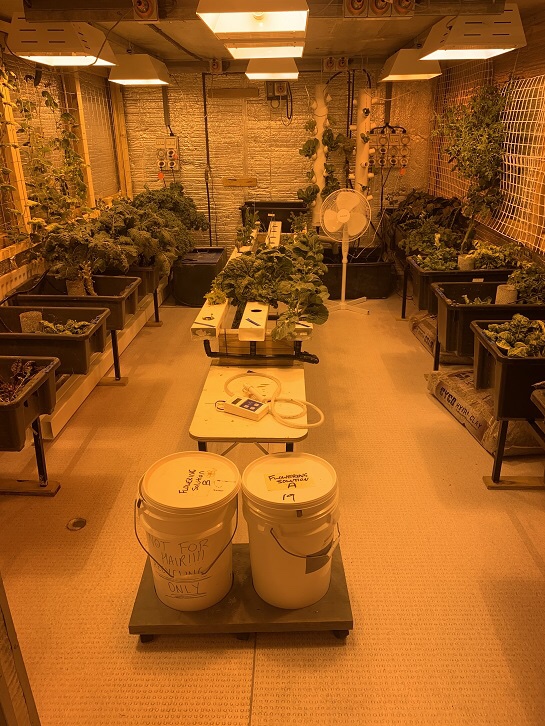
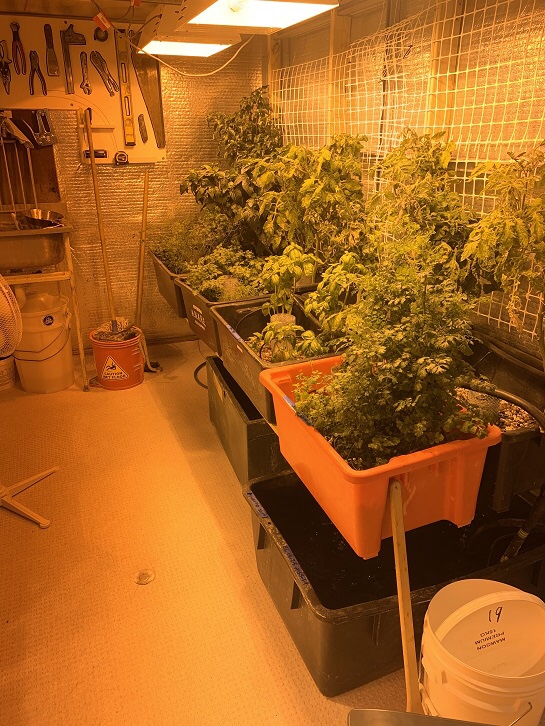
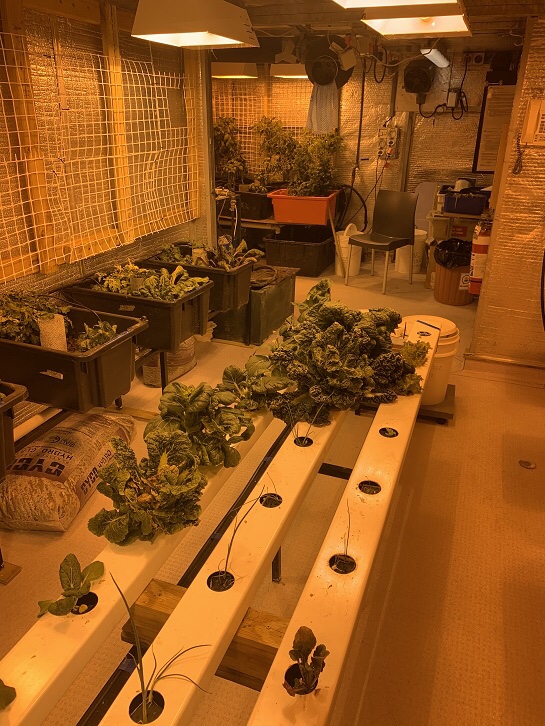
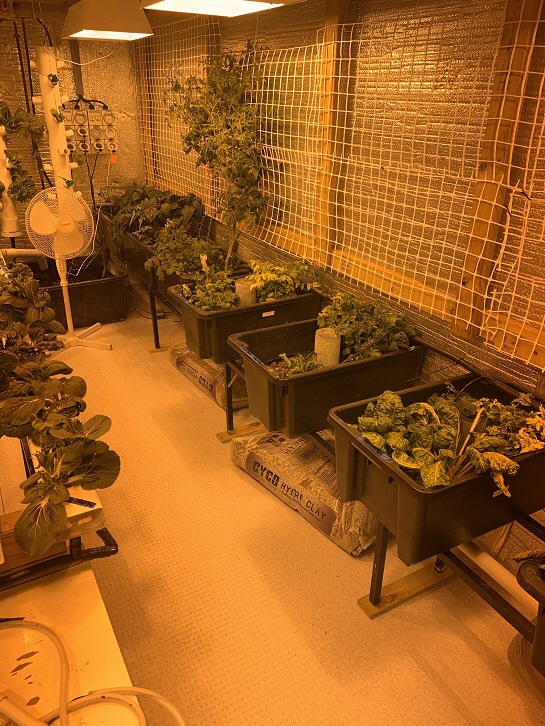
Since that trip I have been fairly busy cleaning up all my gear and re-going over the Haggs making sure they are all ready for the next trip. In the next week we will hopefully heading out to go visit the Auster rookery which will be interesting as we will actually have to go looking for this colony as this will be a sea ice based colony which changes their exact position each year. Also I’ve thrown in a couple photos of our hydro set up as it has been up and running for a little while now and this week is my turn to check on it each day and maintain the pH and nutrient levels of the water tanks. It is a pleasant change going in there as it is kept at about 25 degrees and 25% humidity, along with fans to keep air moving and the sound of running water it’s more like an Antarctic Zen garden.
 Guy's Antarctica Adventure 2020