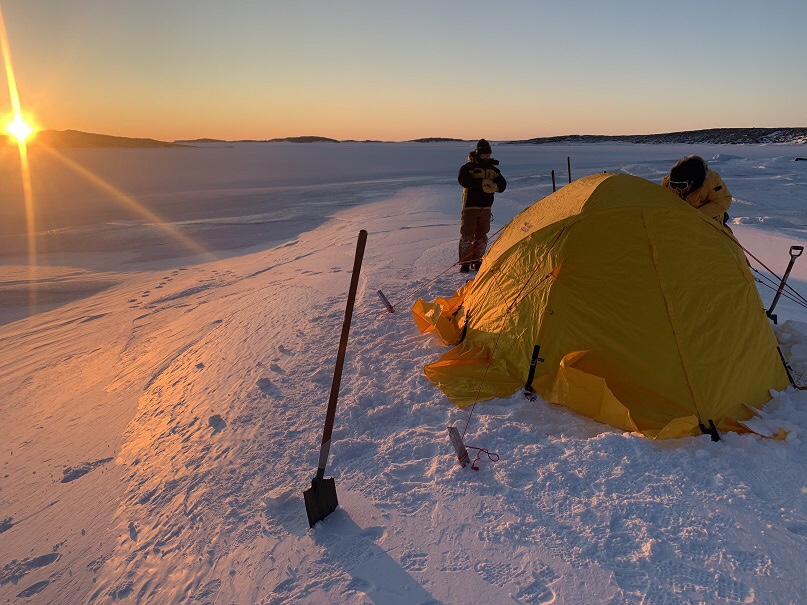
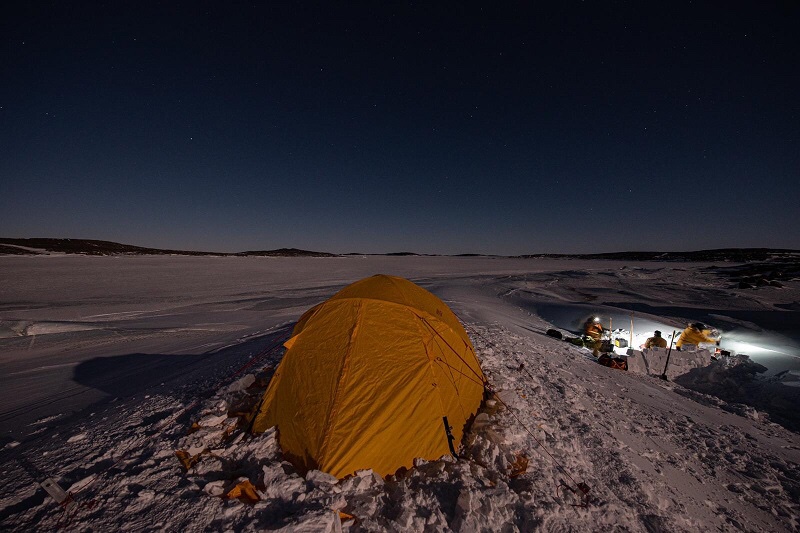
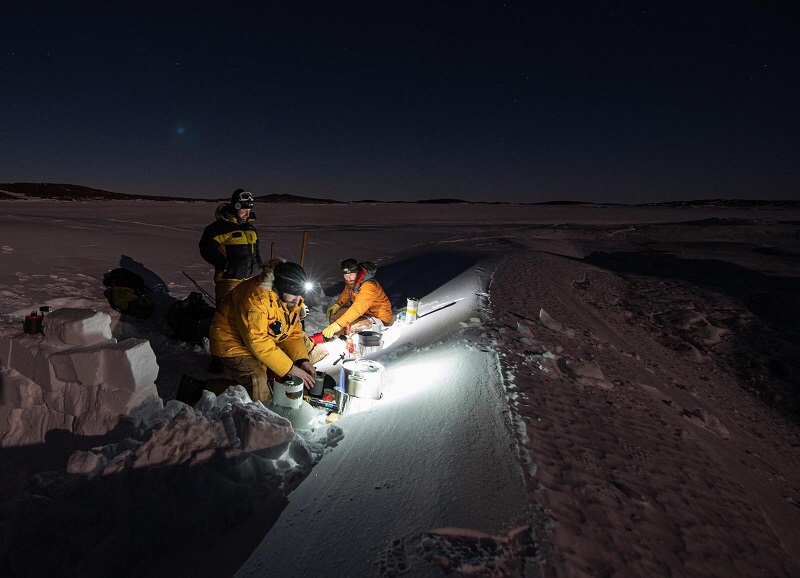
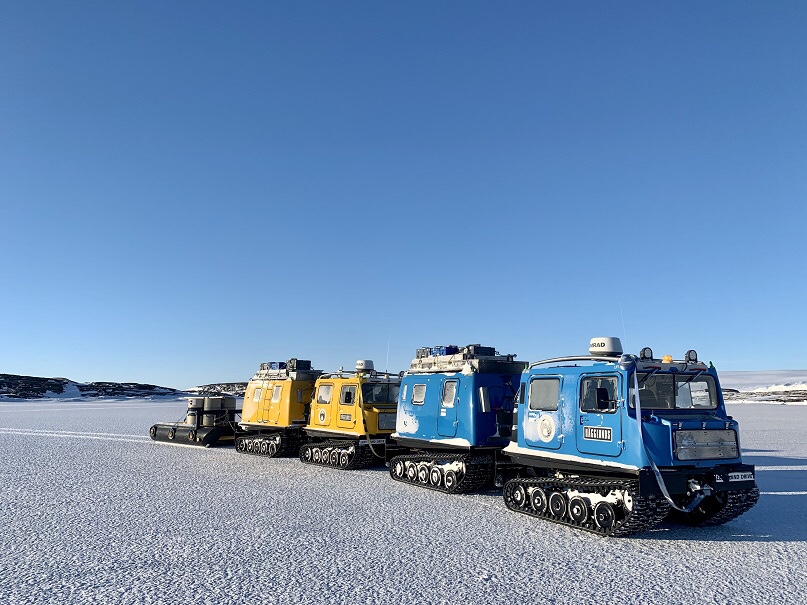
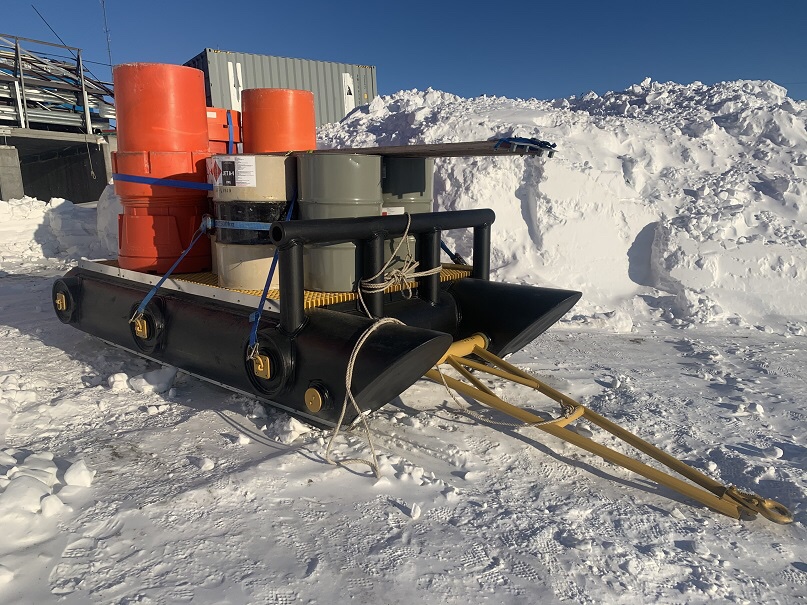
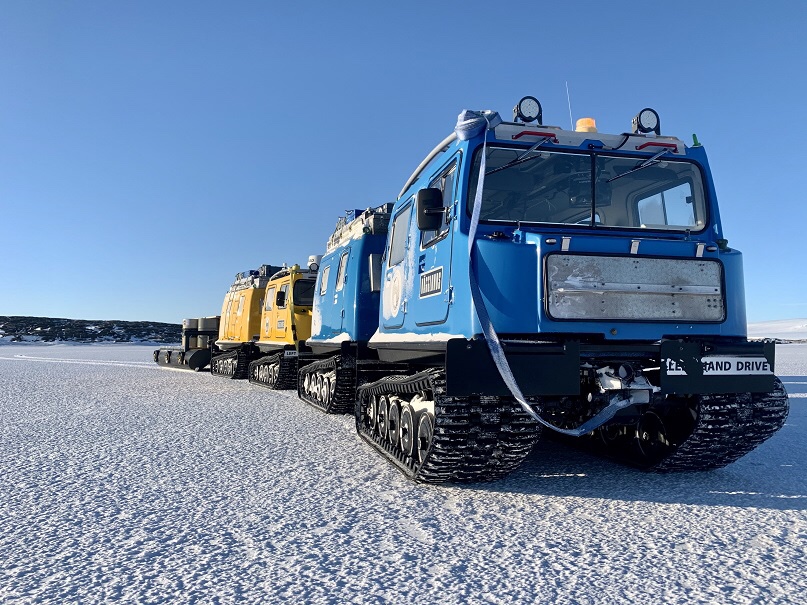
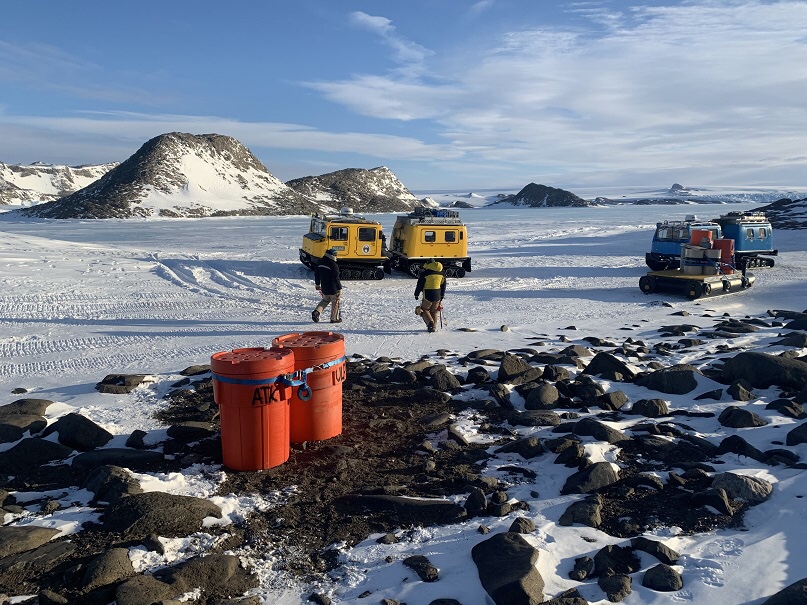
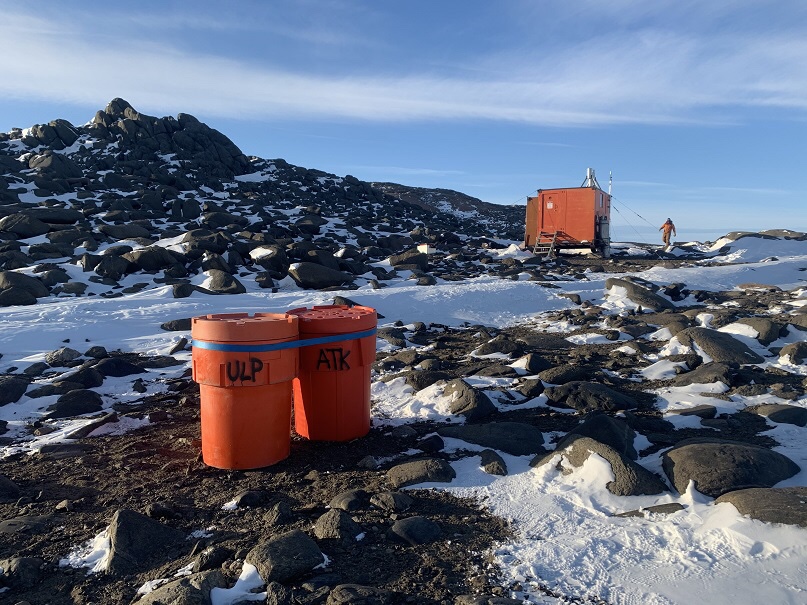
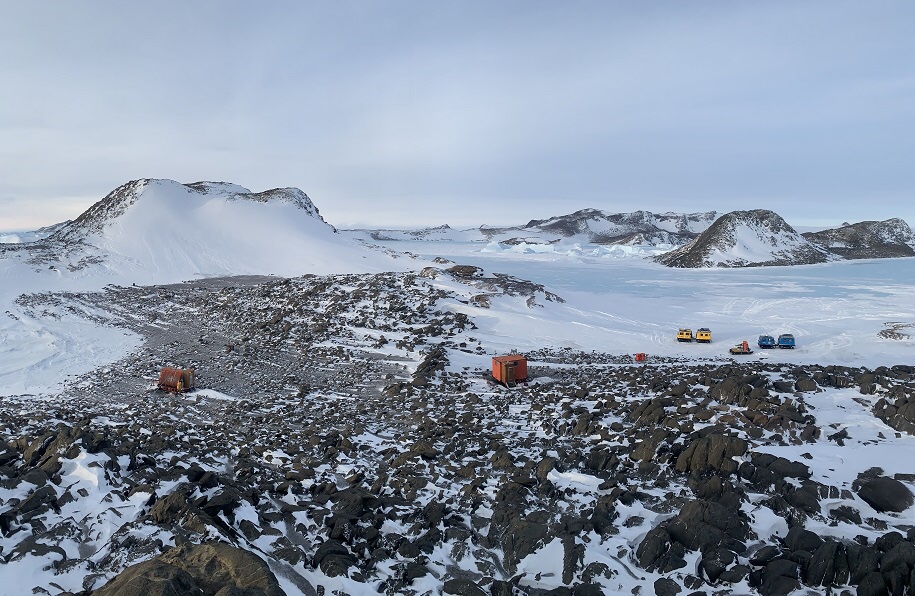
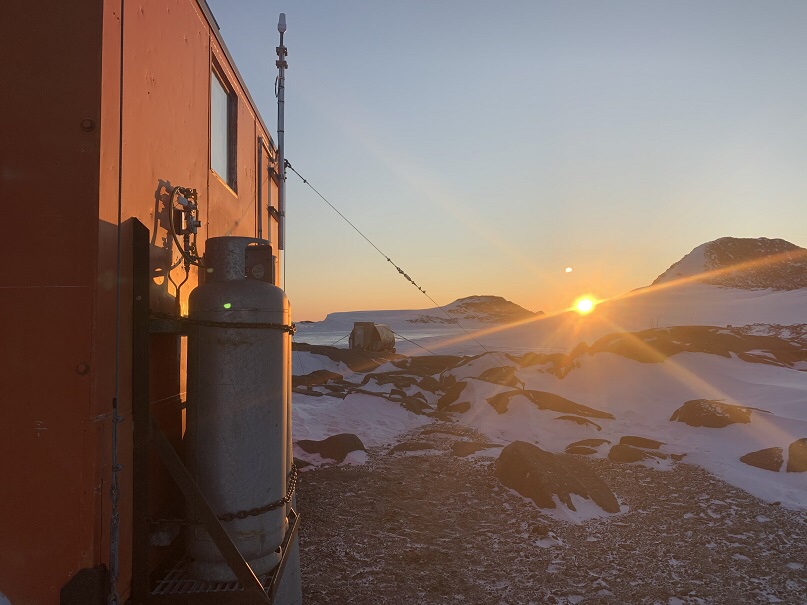
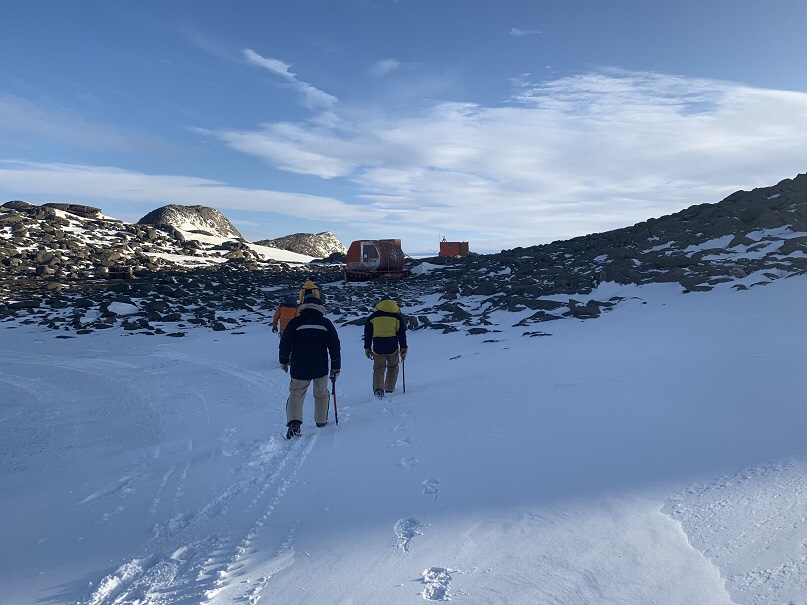
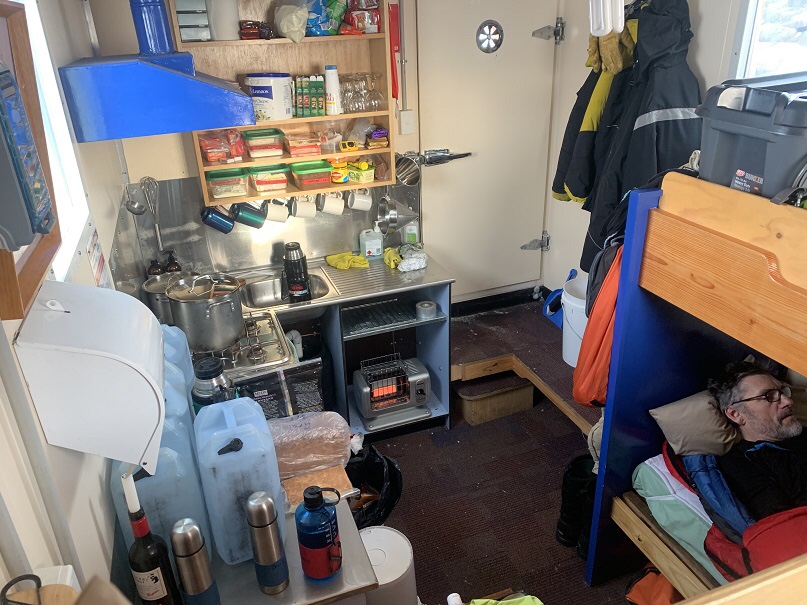
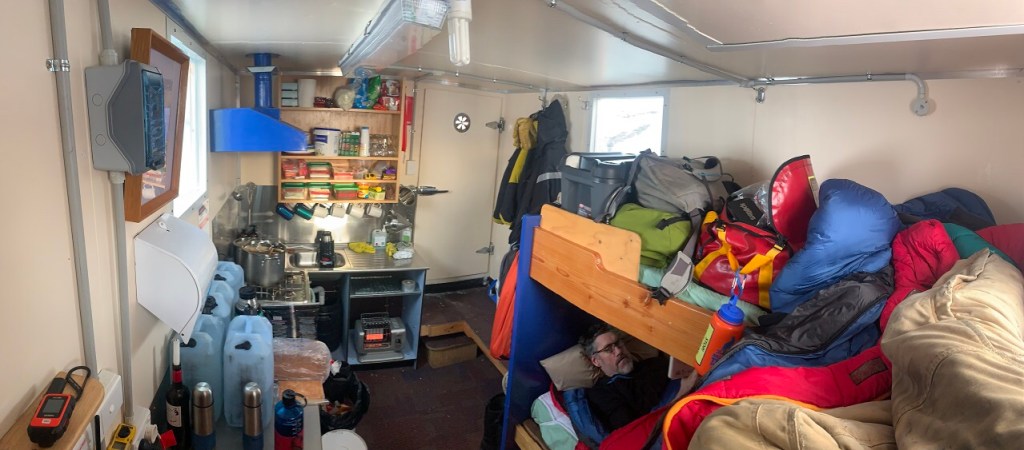
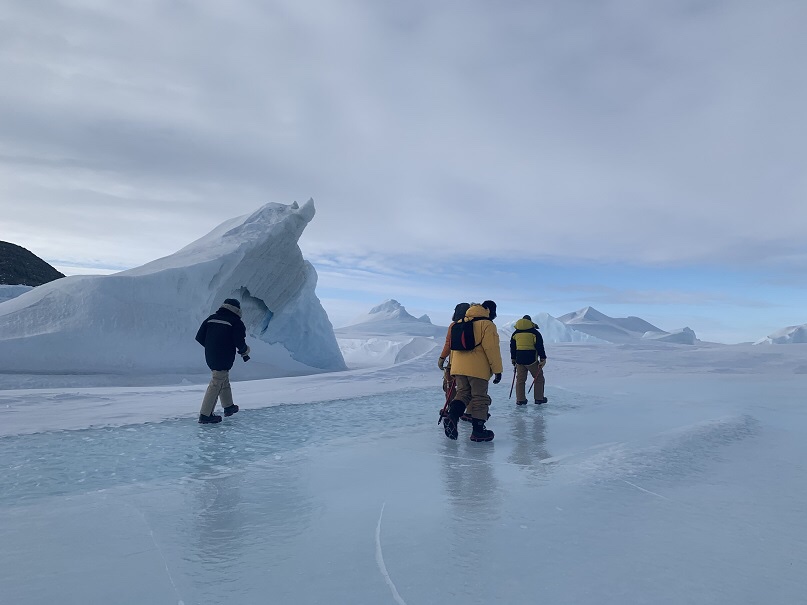
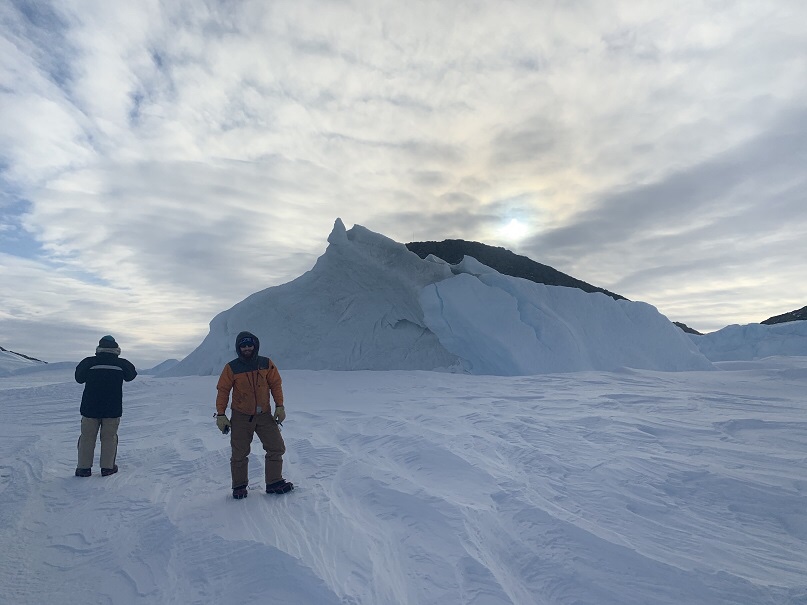
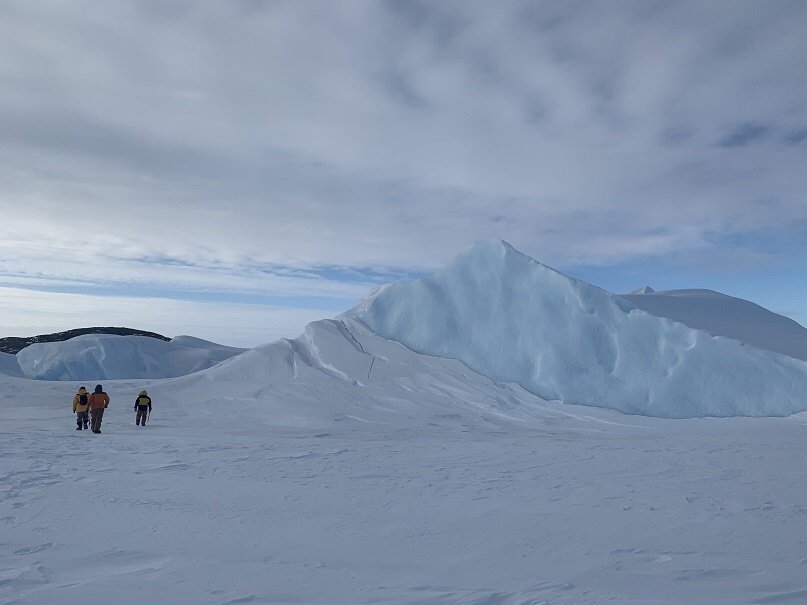
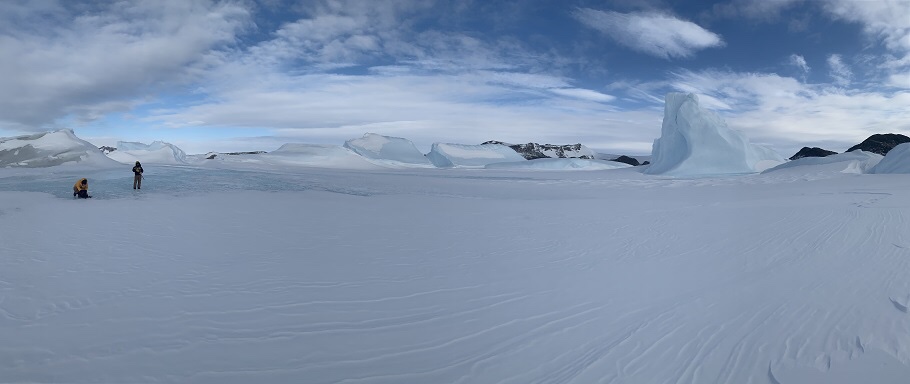
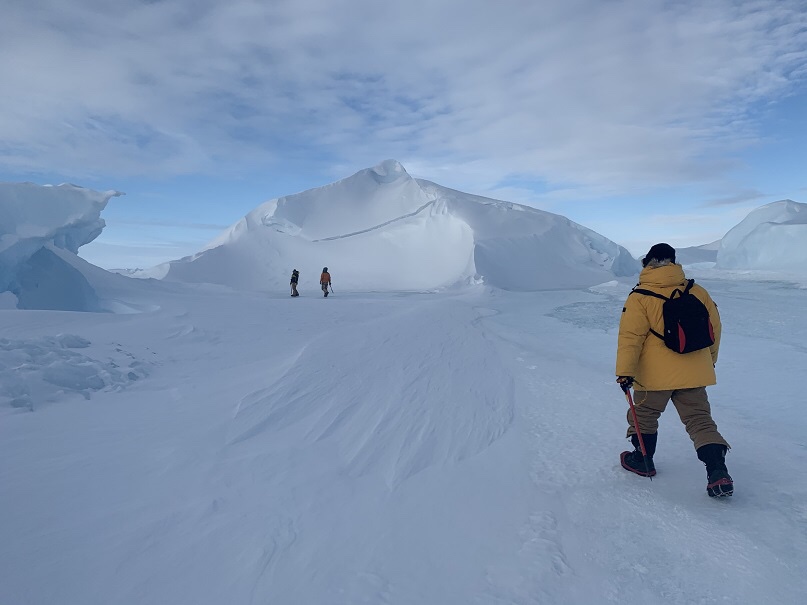
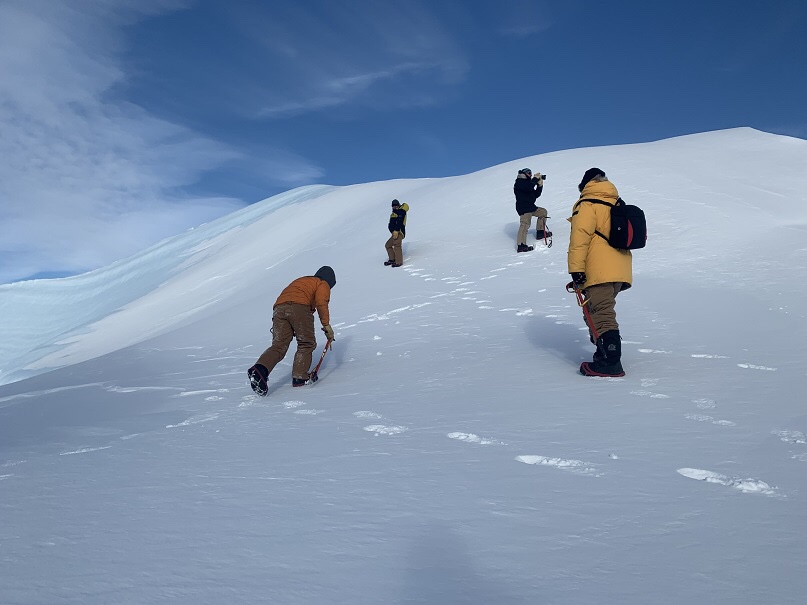
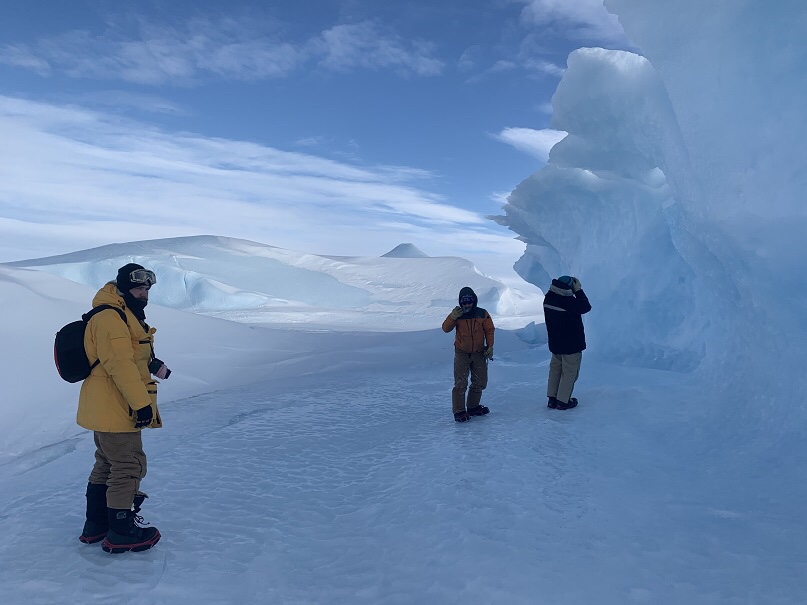
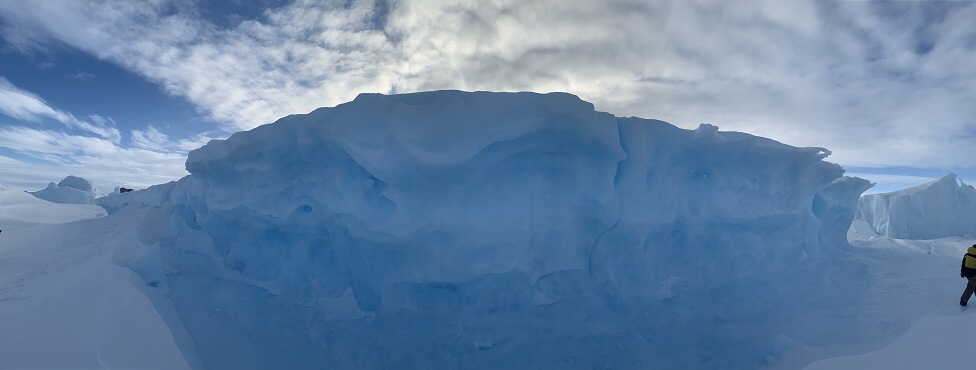
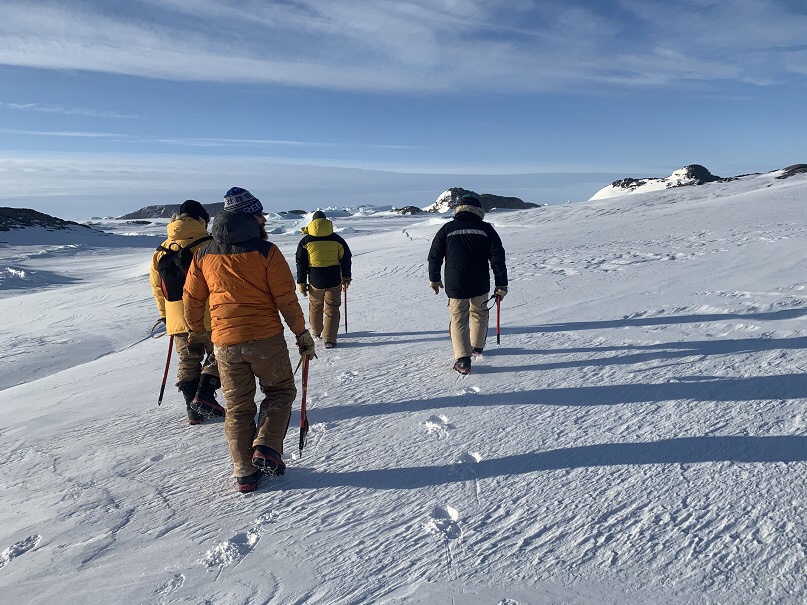
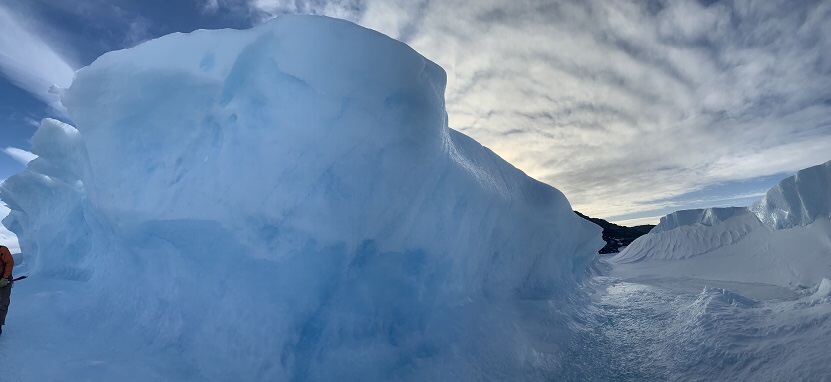
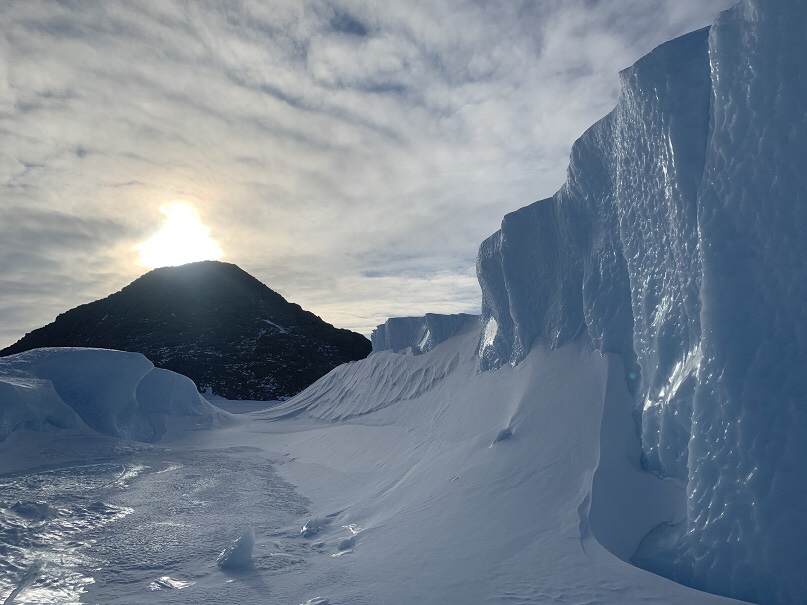
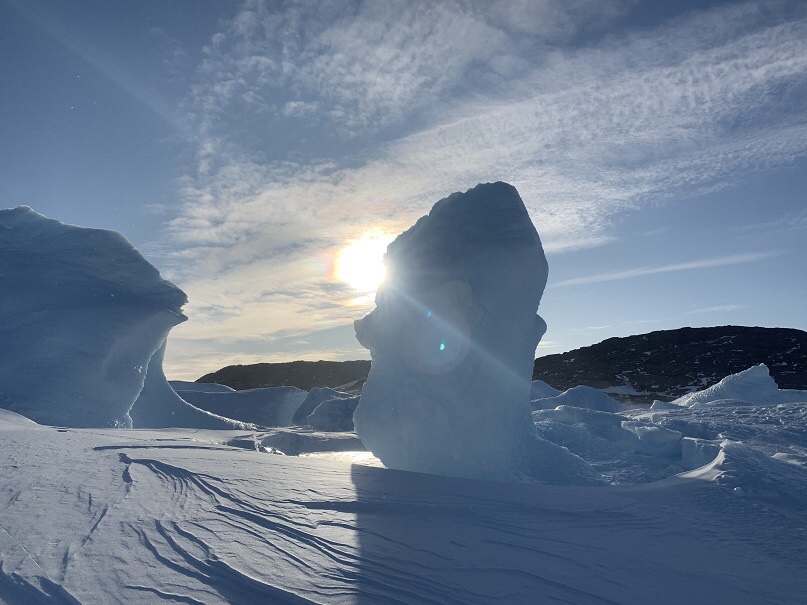
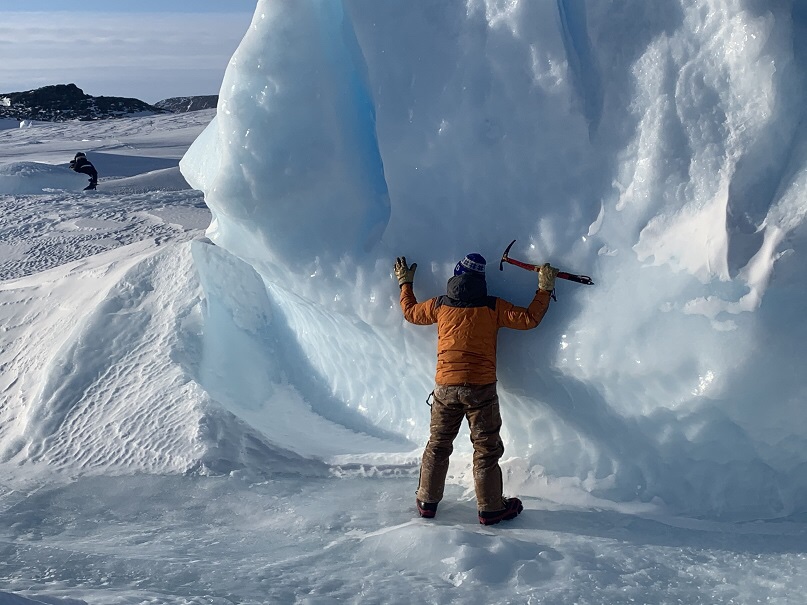
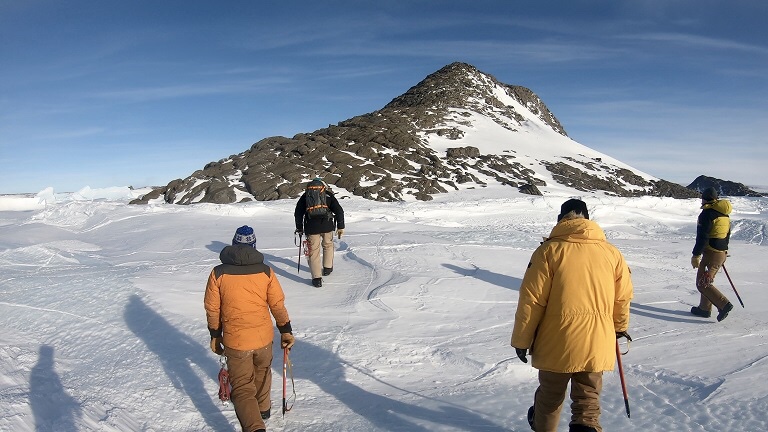
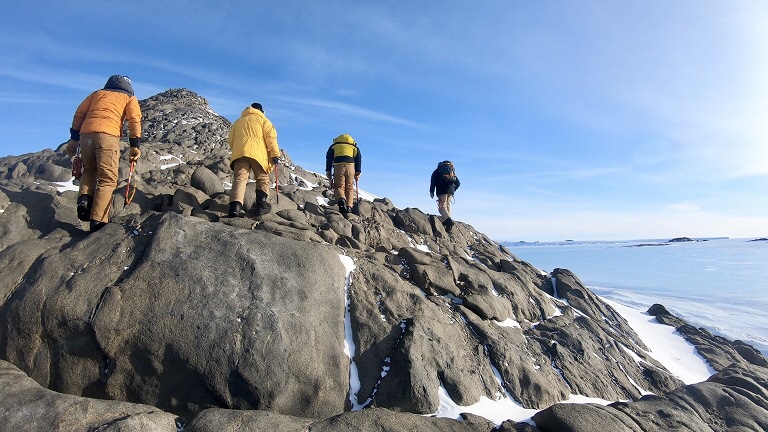
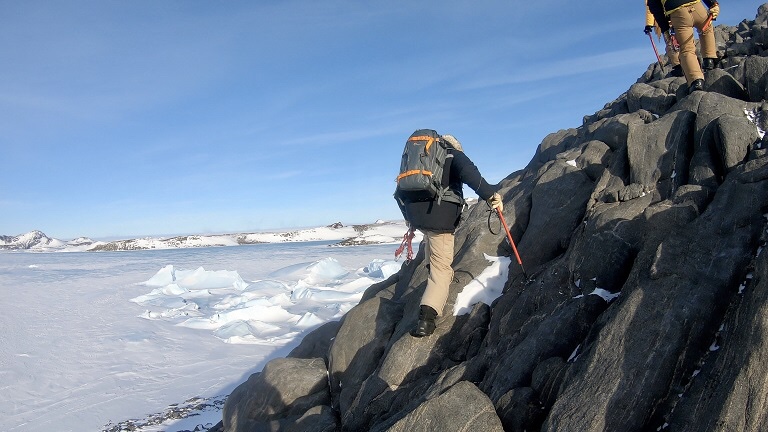
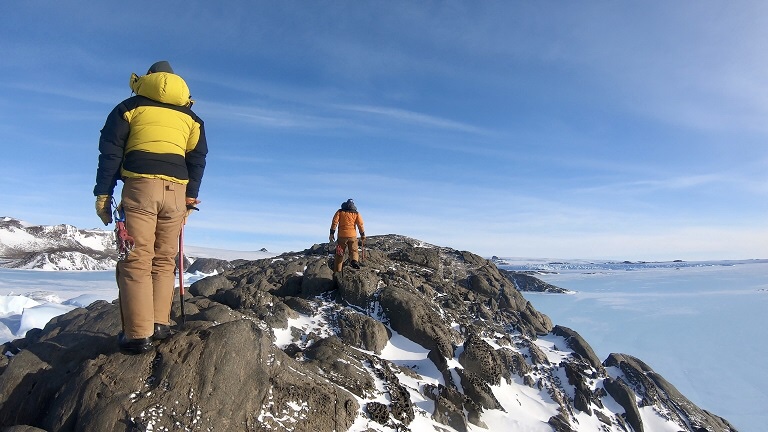
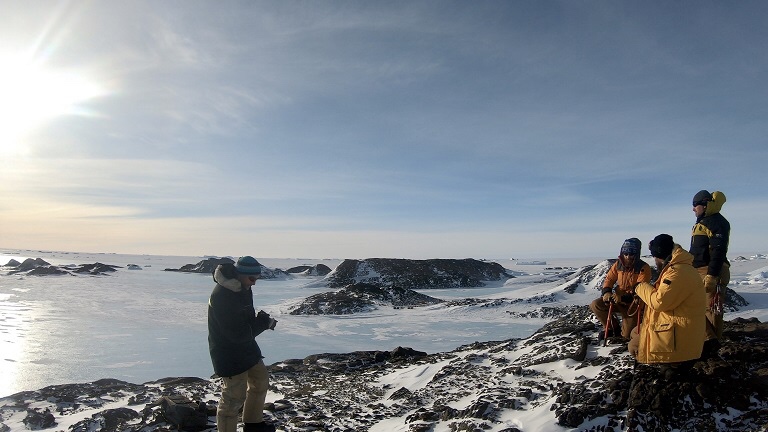
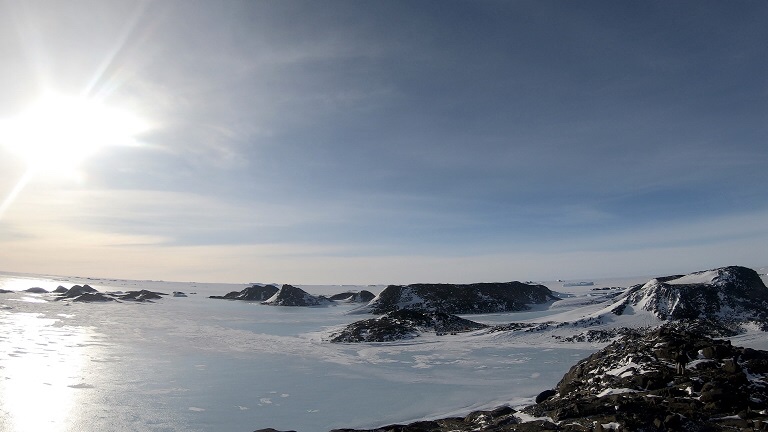
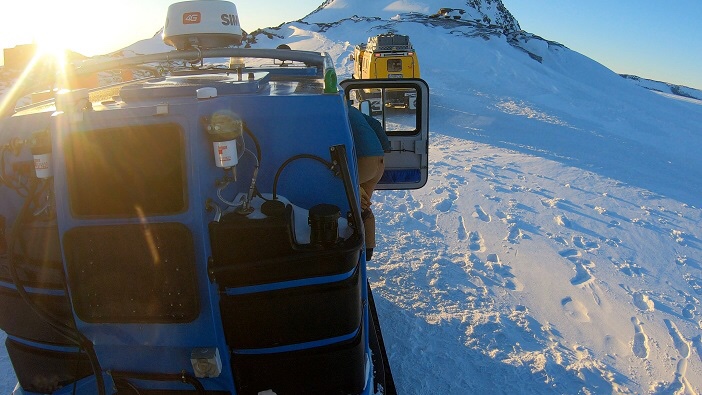
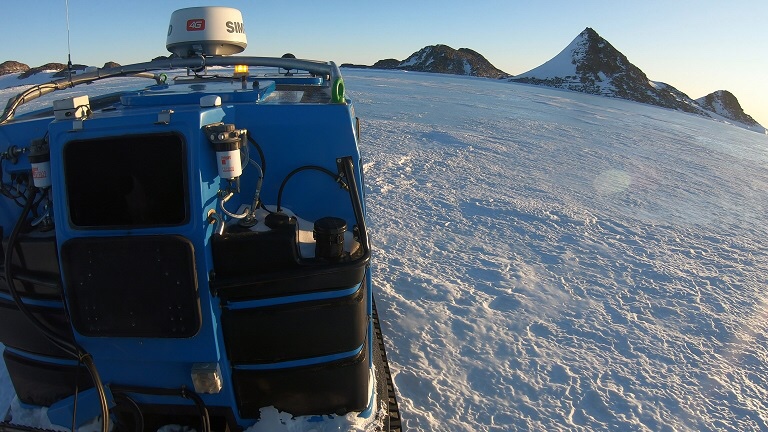
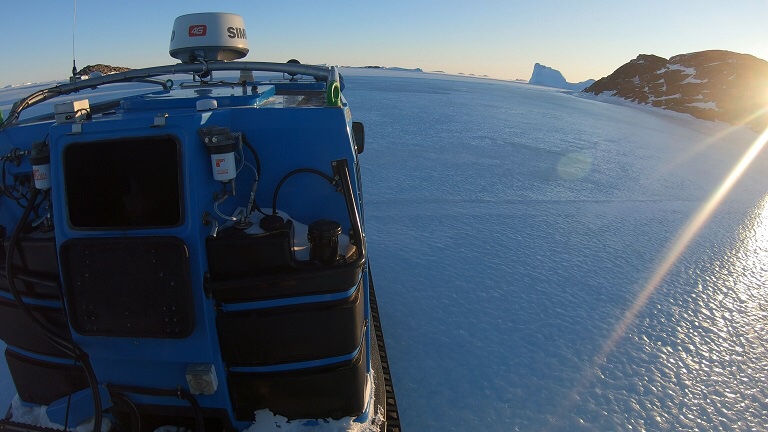
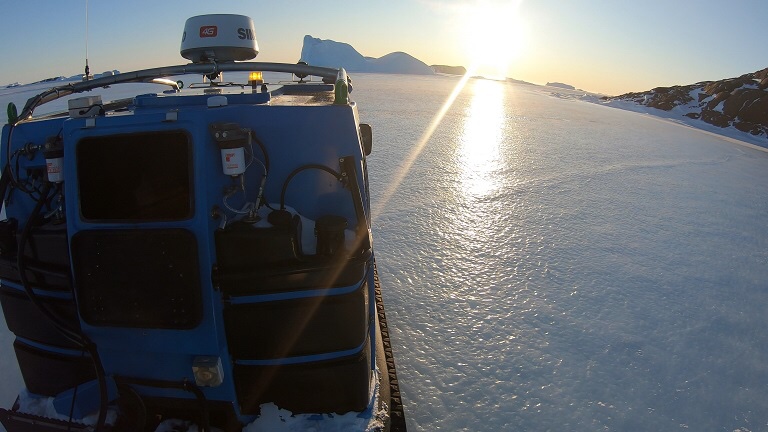
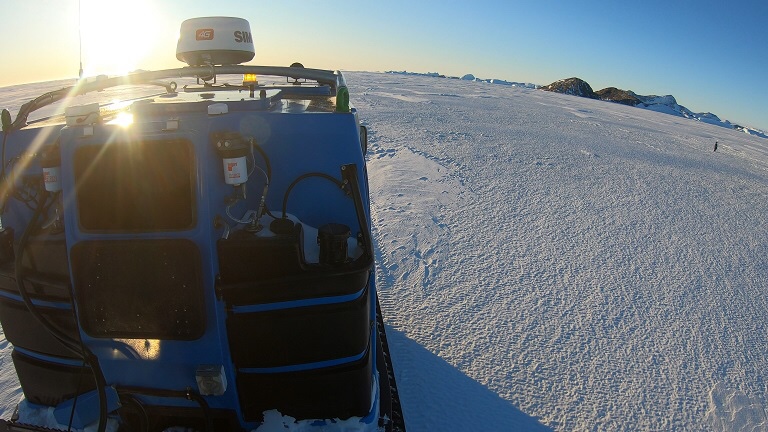
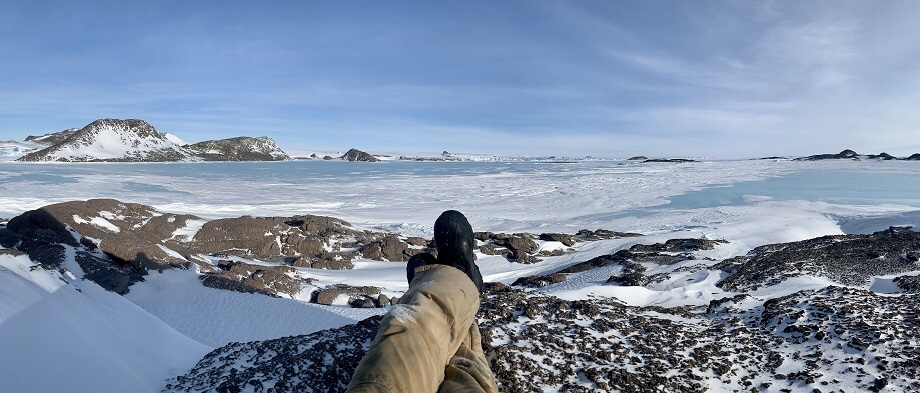
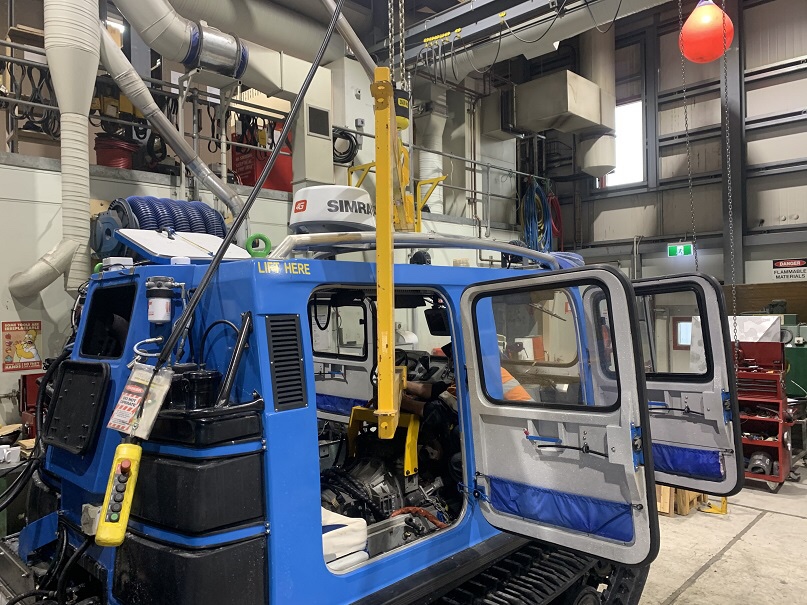
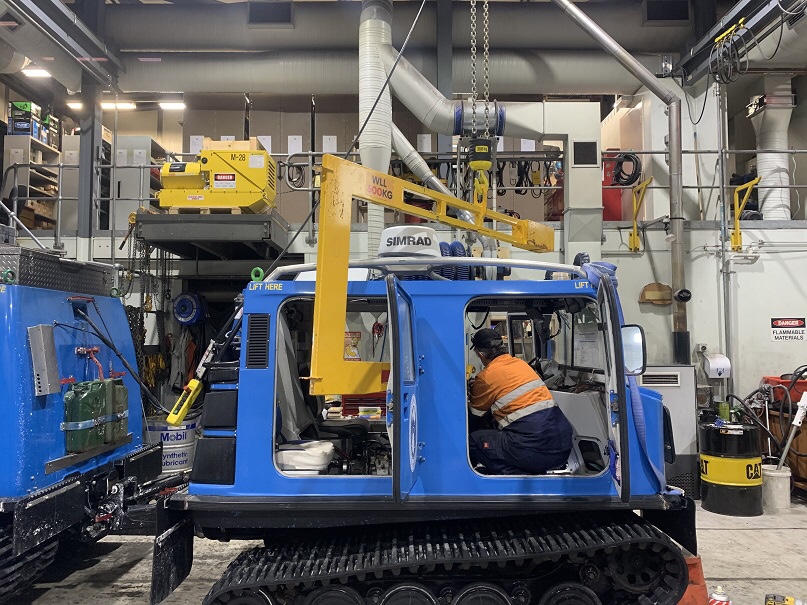
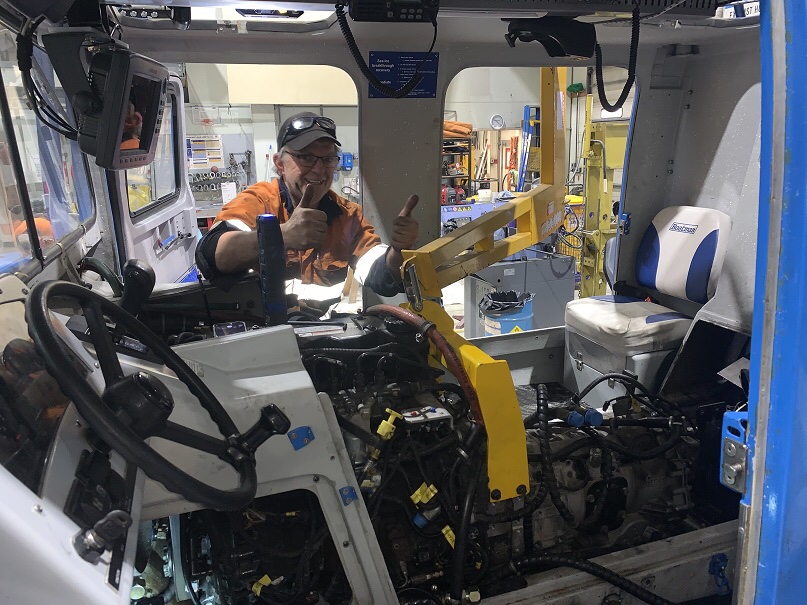
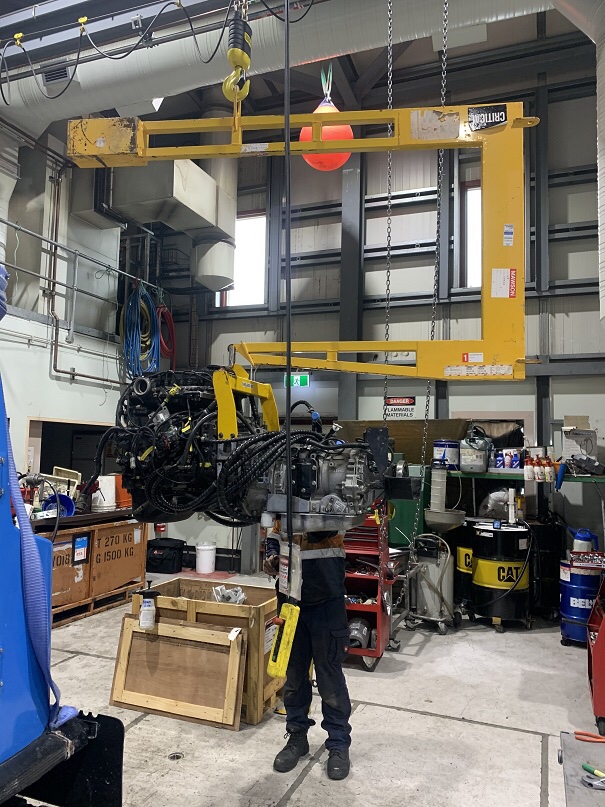
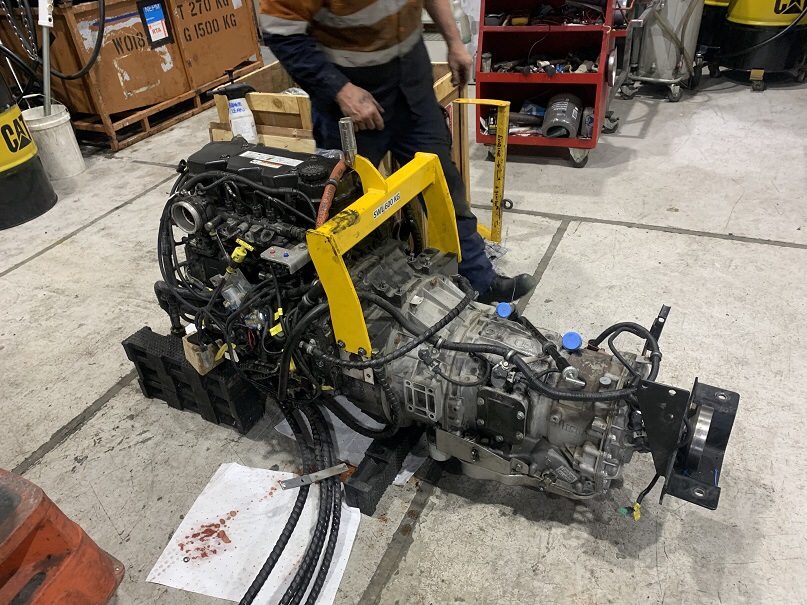
The following is a pretty great example of what is affectionately known as ‘the A Factor’ (the Antarctic Factor). For anyone who hasn’t heard of this term before I promise you will fully grasp the concept by the end. For the past couple of months five of us have been planning and squeezing in extra training to undertake an expedition to the west of Mawson ultimately aiming to go as far to a Rookery called Kloa. We also planned to try and locate and remove several old fuel caches along the route. These caches were remnants of the old dog sledding routes (dogs were removed from Antarctica in 1992 as per the agreed Antarctic treaty) and since we have greater ability to travel further now days these caches were more of a potential environmental hazard than anything else. The furthest hut we had access to was Ledinghams and even it was only half way to Kloa. The full journey would be 1200km there and back and no one has made it to Kloa since 2001. All up the trip was planned to be 11 days not including any days we could potentially have to wait out weather so we were expecting to take at least 14. Four nights of this trip we would be sleeping in tents, so one thing we had to do was practice setting up, sleeping in and then packing up polar tents. One night about a week before leaving we went to the edge of station and set up tents. With five of us on the trip there was three people in one and two in the other: not gonna lie – three blokes in a tent was pretty squished. For the most part of the trip we planned to be melting snow for water so we had to practice doing that which was pretty interesting. We would cut blocks of snow and build a wall to act as a wind break then using small gas stoves would drop smaller bit of snow into pots to melt it. One pot was used to melt the snow just enough to have water to fill up drink bottles which were kept in insulated covers to help stop them freezing and when we went to sleep we would keep our water bottles inside out sleeping bags otherwise they would still freeze overnight. The other pot was smaller and used to boil water which we topped up our thermoses and used for cup-a-soups and then to cook our dehydrated dinners. The dehydrated meals come in single serve packets. There are very few situations you would ever CHOOSE to eat them!!! Basically these meals are designed to give you sustenance and keep you alive. They are based off meals such as curry’s and stews and all a part of the experience. Just for simplicity our plan was to live off these meals while we were in the camping part of our trip. While living out of the huts we had cryovaced meals pre-prepared like bolognaise, stroganoff and curry’s and also pre-cooked serves of brown rice which was also cryovaced so basically to cook dinner in the huts we just dropped a meal and a rice in a boiling pot of water still inside the bags and when they are hot you just pour a bit of each in a bowl and you’re done. When packing the food we set it all up in labelled ‘nelly bins’ so we had a bit of a system and didn’t have to go digging through trying to find what we needed. So we had “hut food – days 1 to 3” “Camping food – days 4-8” “hut food – days 9-11”. Anytime there is an expedition out past the station operating area we have to take an additional 12 days of food per person. Emergency food bags are already set up as a standard grab bag for 2 people so we had three bags to have us all covered. And additionally, we were replacing the emergency “Rat Packs” (which is another nelly bin of emergency food) at Ledinghams. When we added it all together we had over 35 days worth of food for 5 people. Fuel for the trip took a bit of planning as well … we would have to take a fair bit of additional fuel for such a long journey as well as we planned to swap the fuel at the caches at Colbec and Ledinghams huts and install the new fuel drums with over packs to help protect them from the elements and also reduce the chance of a fuel leak. We had five 205L fuel drums to take with us plus the 5 over packs to leave them in. We have a sled which is made out of poly for towing over the sea ice as it floats and has been tested back in Kingston before it was set down. We made up some ramps to roll the drums up onto the sled and after got a pretty good system going to be able to man handle the drums around out in the field. Our next test was run though what we would do if we have a mechanical failure resulting in one of the two haggs we would be taking not being operational. There is a towing frame we would use to connect the two haggs together and then after testing how well the hagg went towing the other we then had the sled connected as well testing our ability to still travel with one dead hagg and continue to bring our fuel trailer with us. All of this went well and as well as being good fun the whole exercise gave us confidence in our ability to continue moving should we encounter any issues. So after all this we were all set to go. Everyone was excited and ready. The only thing we were waiting on was approval from Kingston to get going. We had a good weather window ahead of us and expected to get the green light quickly so we packed the haggs the two days before we had planned to leave. Unfortunately the day before we were set to leave Kingston called up and asked us to hold off on going as they were still not super happy on signing off on the trip yet just to be sure all safety aspects of the journey were covered. This was a bit frustrating because we were all very confident and comfortable with the plan as well as waiting meant we sat through this really great weather window twiddling our thumbs. In the end it was decided to scrap the camping and Kloa part of the expedition mainly because of this year since there are no intercontinental flights in Antarctica should there be an accident or emergency there was no possibility of getting any help via air. This was a bit of a hard hit for us all for them to come back to us last minute with this decision especially since we were mentally prepared and excited for this trip, but ultimately could understand the reasons behind their decision. The revised plan was to just make it to Ledinghams and visit the emperor penguin rookery at Fold Island. This new plan meant no camping in tents and no dehydrated meals (gotta take them wins when you get them). At the next good weather window we set off, FINALLY. Having made the 70km trip to Colbec hut already once this year we were confident that the ice out to there was pretty good but we would still get out and drill at any cracks in the ice just to be sure. We were about three quarters of the way there when the lead hagg stopped to drill the ice but then when they went to move on the Hagg wouldn’t get into gear. They called me over to come and have a look at it. I could see from the indicator on the dash that it wasn’t picking up that the gear selector was being moved into forward or reverse. I shut the hagg down and turned the battery isolator off and then back on again, went to start the hagg and it wouldn’t start … it wasn’t even cranking. I have a reader that will connect to the haggs electrical system and see if there are any fault codes but it only talks to the engine not the transmission, so at this point things weren’t looking great. I was able to start the hagg by shorting out the start solenoid but it still didn’t want to get into gear. After a little bit of checking a few things out it suddenly decided it wanted to get into gear but I knew nothing had been fixed. We made the rest of the journey to Colbec with no further issues. Once there I was able to call up Shane, my boss back at station and explain the issue to him. He then had to get in contact with people at Kingston but with the time difference I would be waiting until the next morning for advice on what direction to take from there.The next morning I was given instructions that the best course of action was to return to station and had to loop together two wires to trick the transmission into working in ‘Limp mode’. Also we found out that weather on station was not great for travelling and we would have to wait out the weather for two days before returning to station. There were small maintenance jobs to be done around the hut to keep us busy for a couple hours as well as myself and Brilly (our electrician) sorting out the Hagg. Once all that was done we went on a drive around the Taylor Glacier and had a look at the surrounding area as we wanted to see if there was a way to get from the plateau onto the sea ice possibly finding a land route from Mawson to Taylor Rookery making it possible to visit later in the year and better judge its success by the end of the breeding season. Unfortunately where the plateau met the sea ice was very steep and we didn’t find anything we could use as an access point, but the good news was we had no further issues with the hagg. With still a lot of daylight left when we got back to the hut we went off for a short walk in between a group of ice bergs that had been trapped in between this small archipelago of islands. The following day was very lazy after breakfast we pretty much all just returned to our beds and read a book until lunch time. Even though weather on station was very windy with poor visibility where we were was such a clear day with hardly any wind. So after lunch we climbed up an island adjacent to us and got a great over view of the surrounding area and group of islands with Taylor Glacier off in the distance. The next day we set off back to station, leaving the fuel trailer and anything we could happily afford to leave behind and pick up again when we came back through and could relaunch the expedition. We made good time and thankfully had no further issues on the way back. Our plan was to take a spare hagg from station and head back out as soon as possible. Shane and I had to give the hagg a check over before we left and there was a small group of people booked to use it on the Friday night to head over to Baech Island so we had a few days to have a good look at the broken hagg anyway. Kingston had sent back some information on an issue they have had before with these transmissions and as I read it I found it was basically word for word exactly what had happened to us. The issue was an IMS (internal mode switch) which detects what position the transmission is in and will prevent it from starting if it’s in gear. Unfortunately this switch lives right in the guts of the transmission and we don’t have any spares on station. So after making a few tests to prove it definitely was this switch that was the fault the decision was made to change the whole transmission. Shane and I hooked into it, got the engine and transmission out, old transmission off and new one bolted on and then engine sitting back inside the hagg in a day. We were hoping to have set off this weekend but again we are waiting out some bad weather and hopefully we will try it all again by the middle of this coming week. So keep your fingers crossed for us.
 Guy's Antarctica Adventure 2020