This is the first post on my new blog. I’m just getting this new blog going, so stay tuned for more. Subscribe below to get notified when I post new updates.
I am currently in Hobart training for my Antartica Expedition. I’ll be home on 24 December for a week then back to Hobart 2 January 2020 to finalise training. Scheduled to leave Hobart for Mawson Station on the Aurora Australis on 17 January 2020.
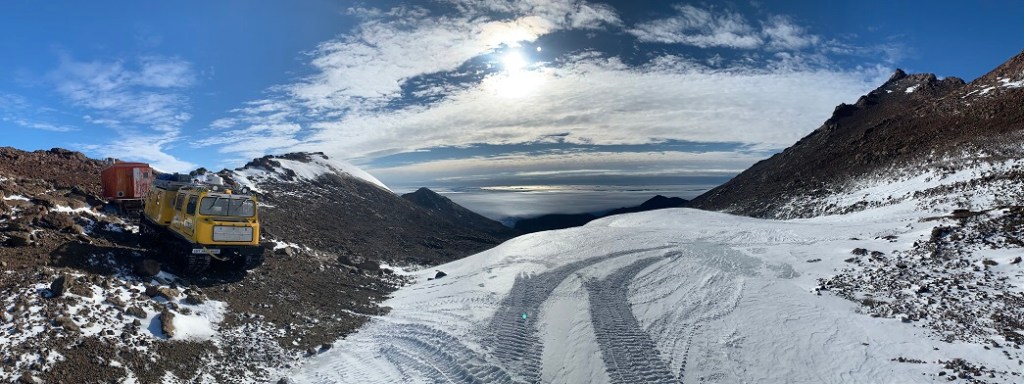
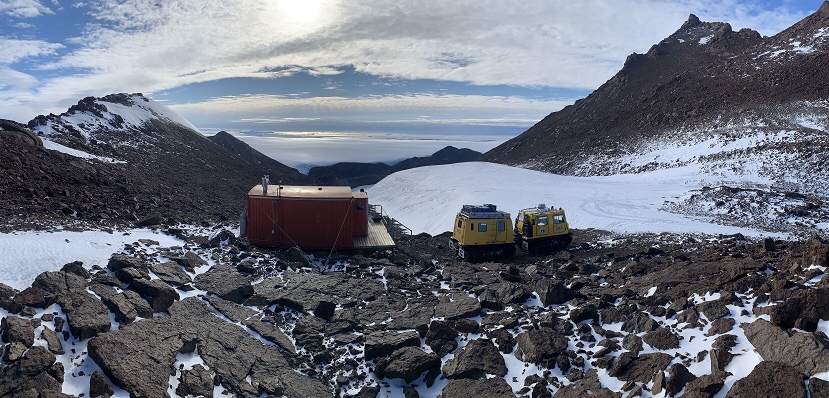
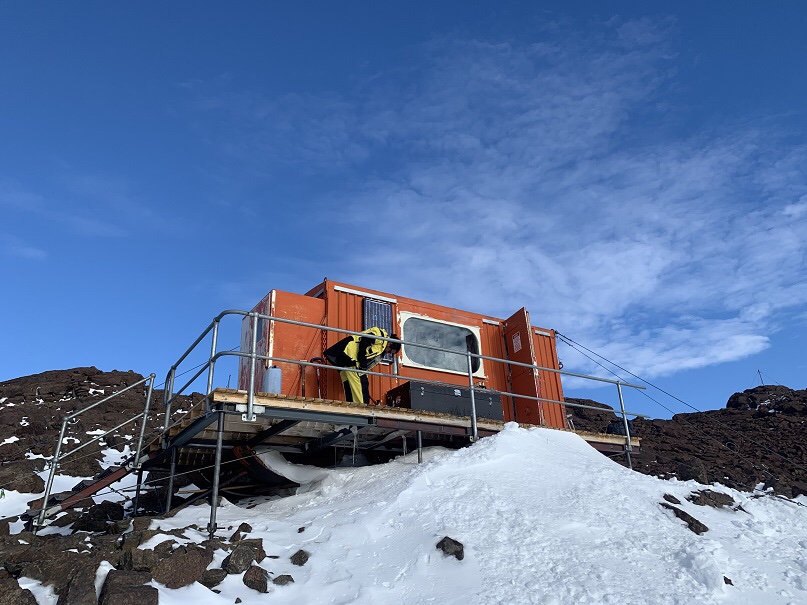
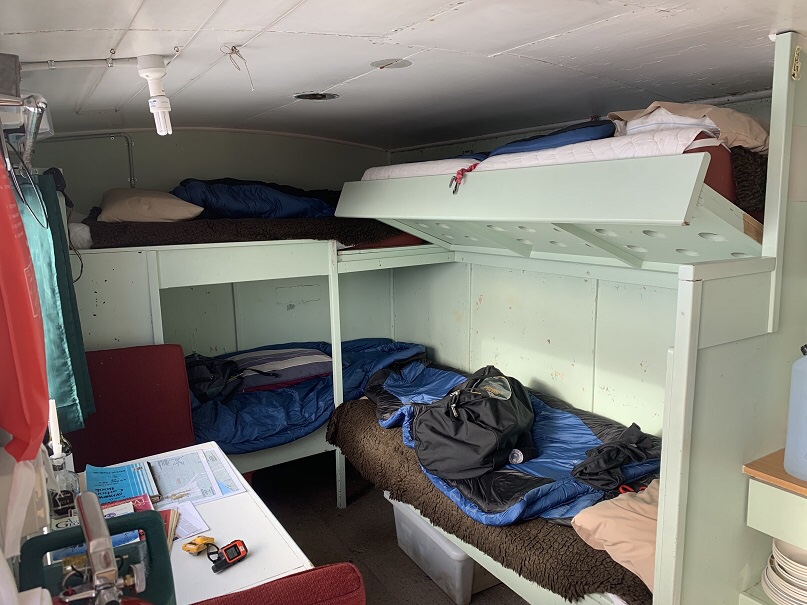
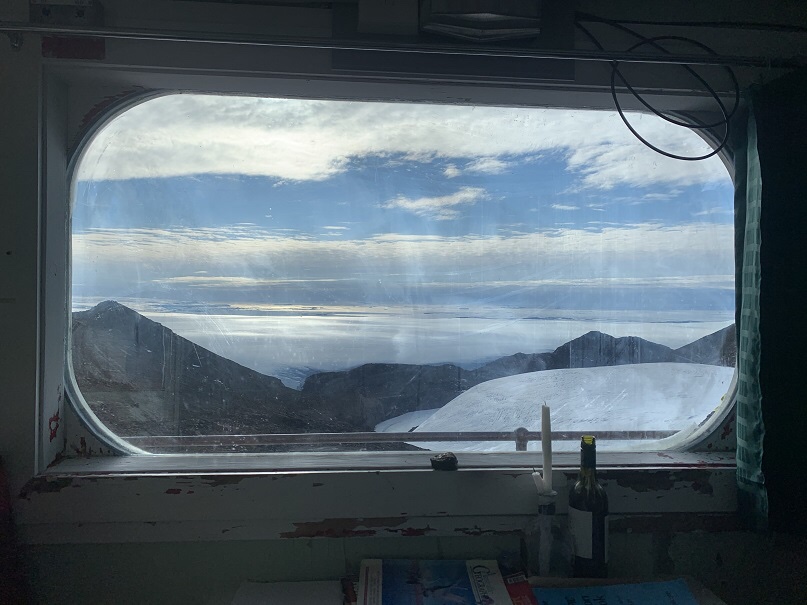
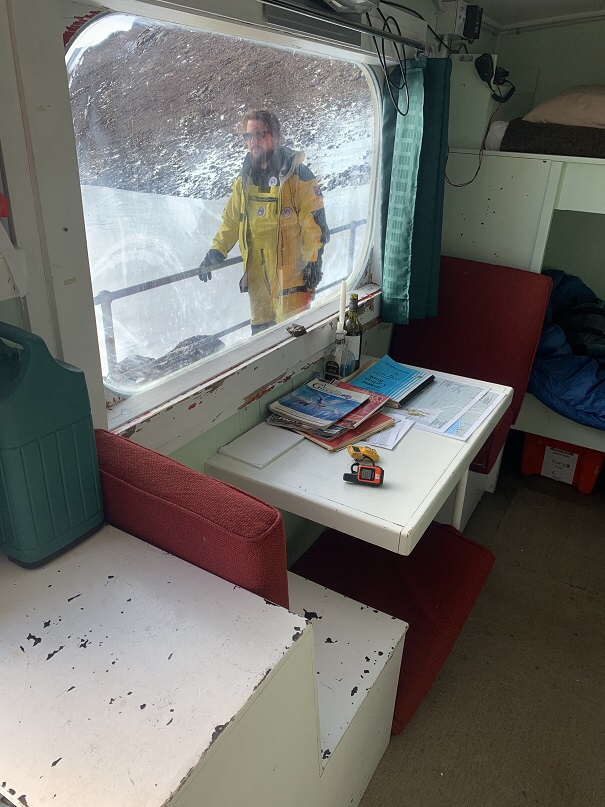
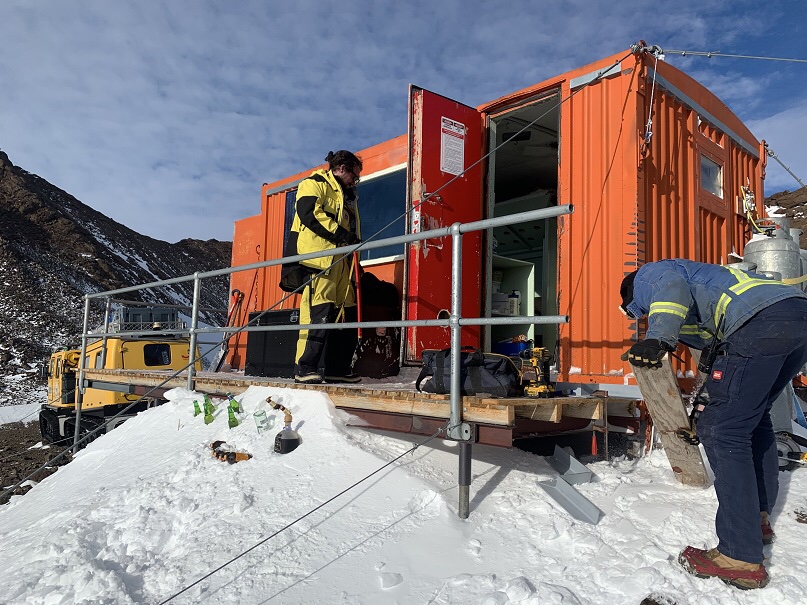
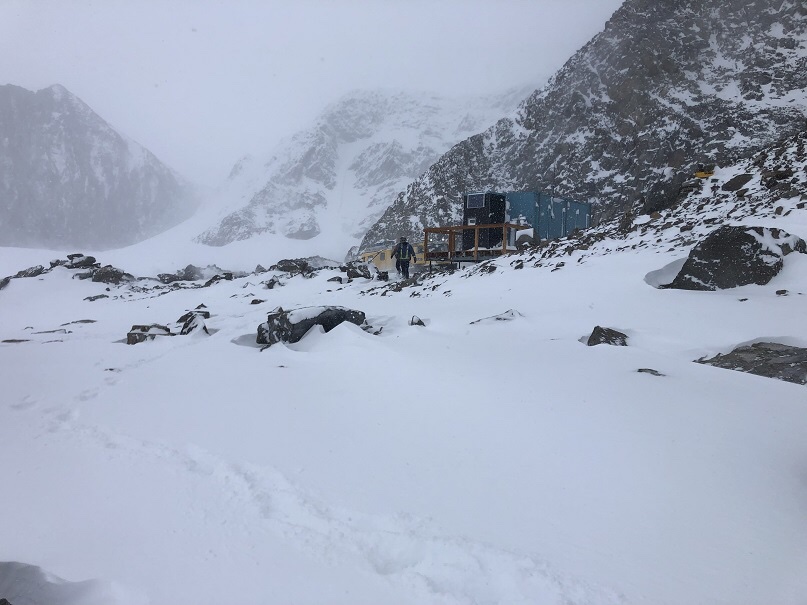
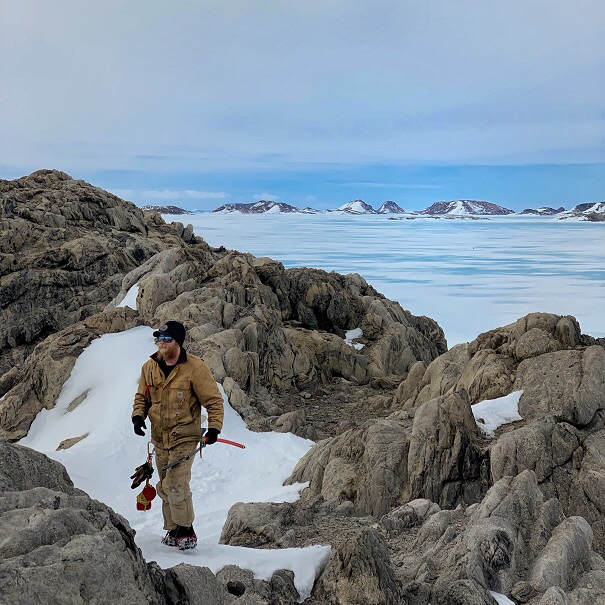
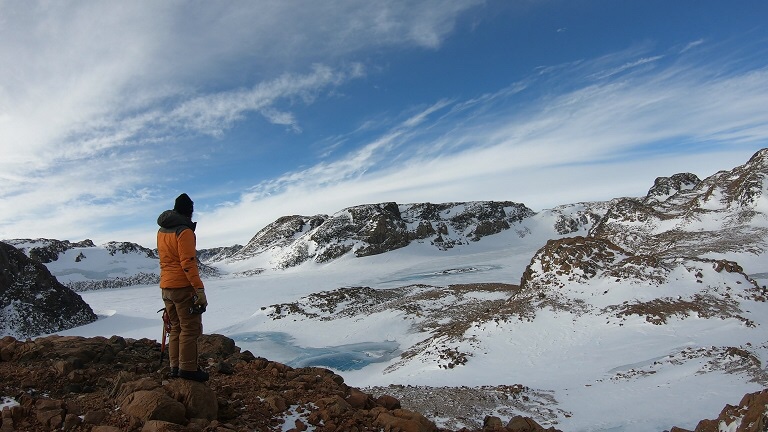
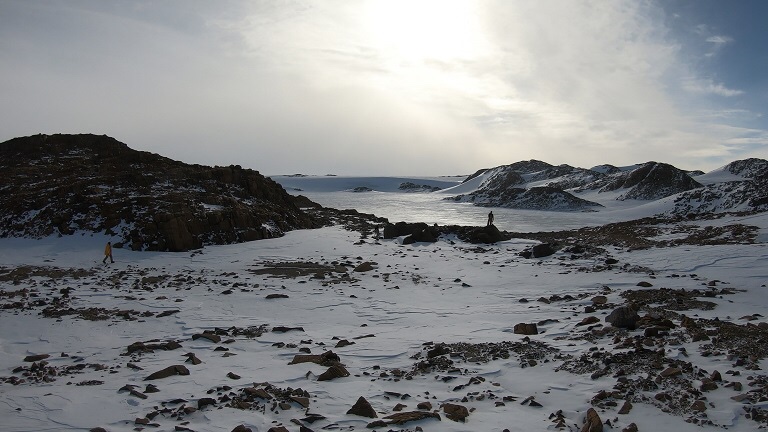
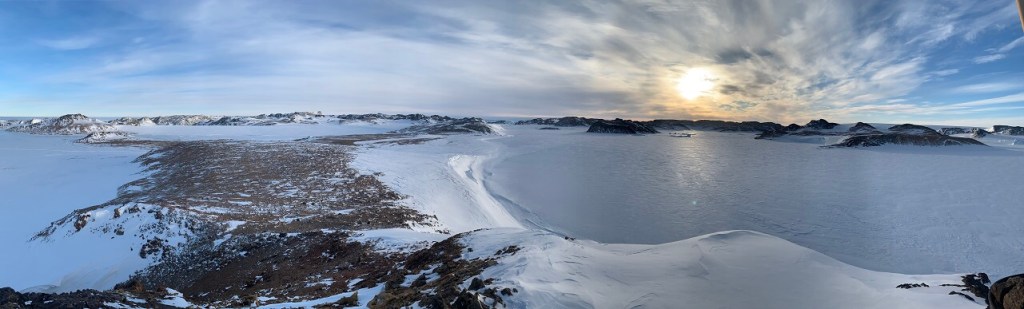
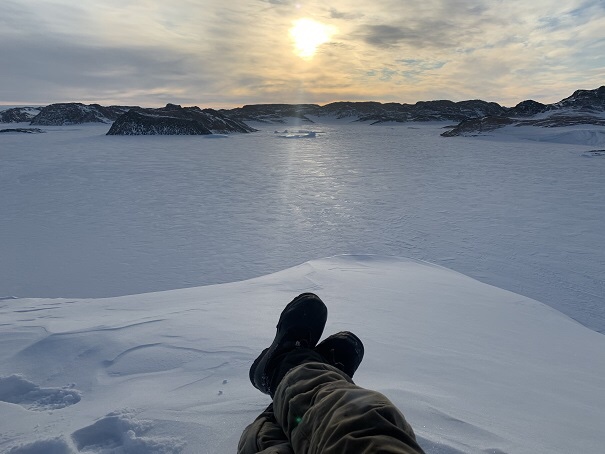
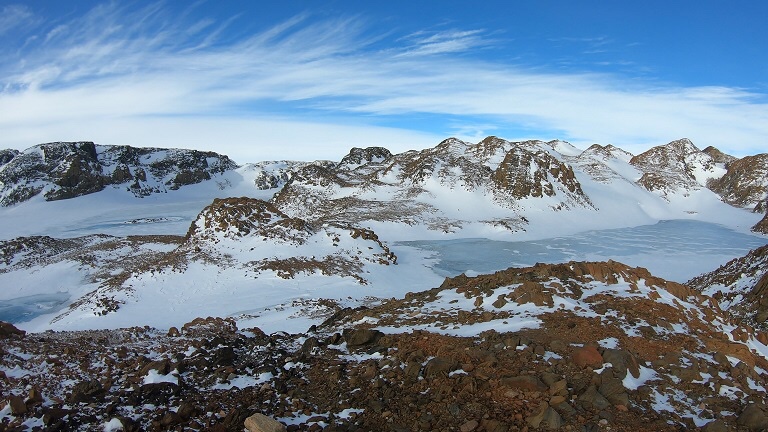
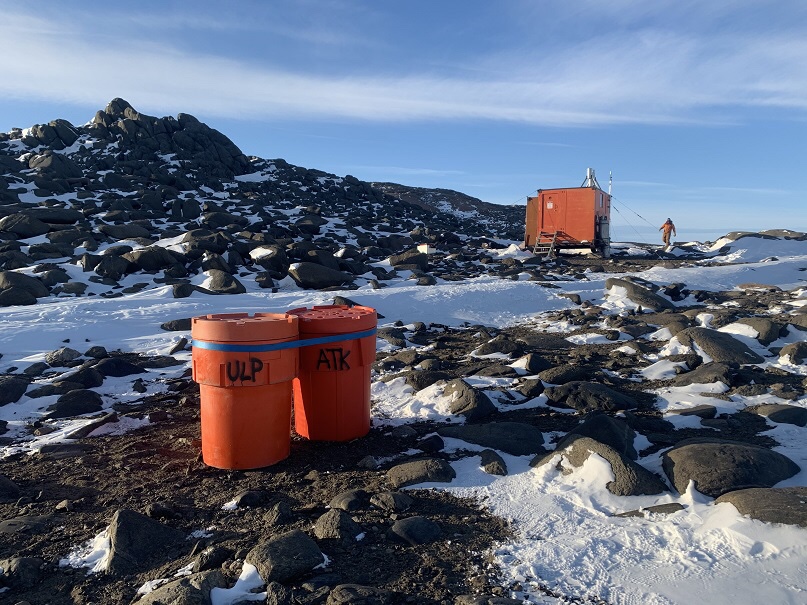
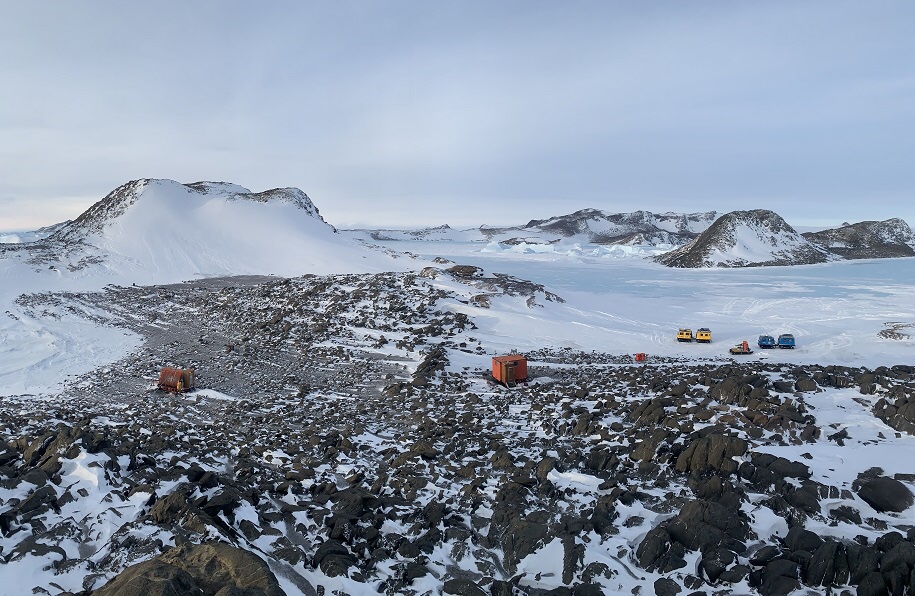
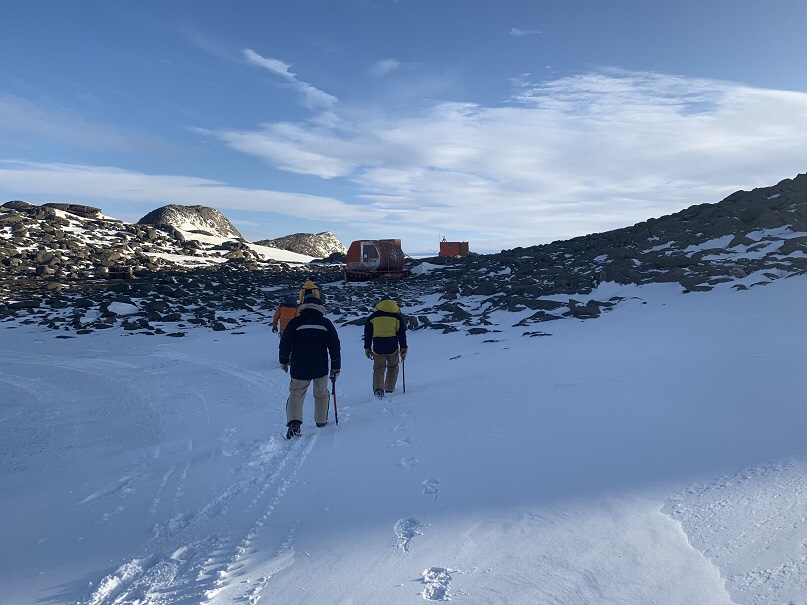
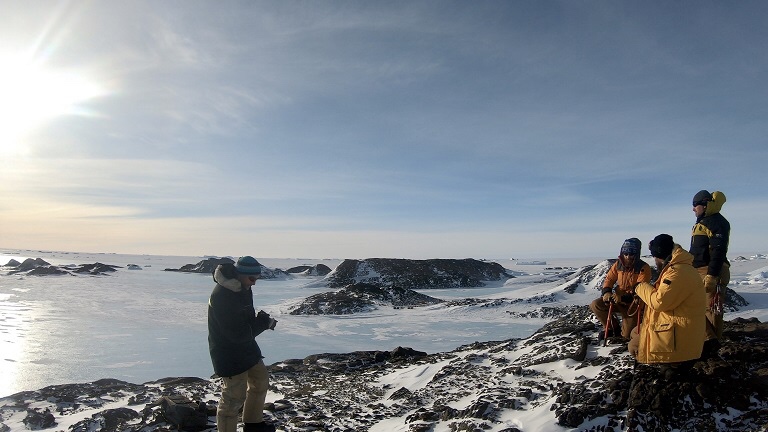
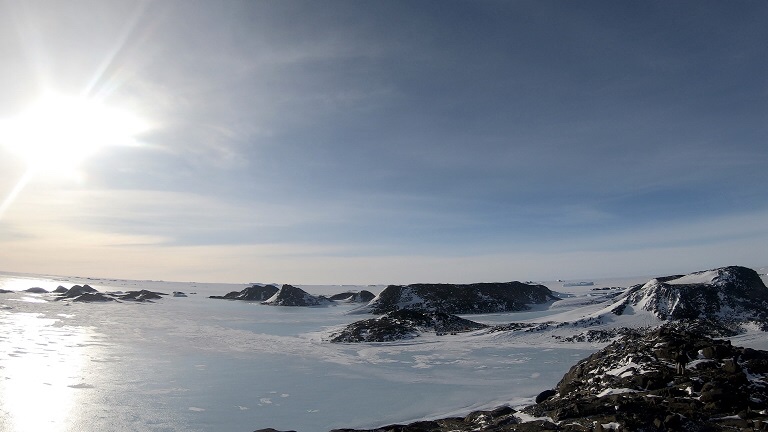
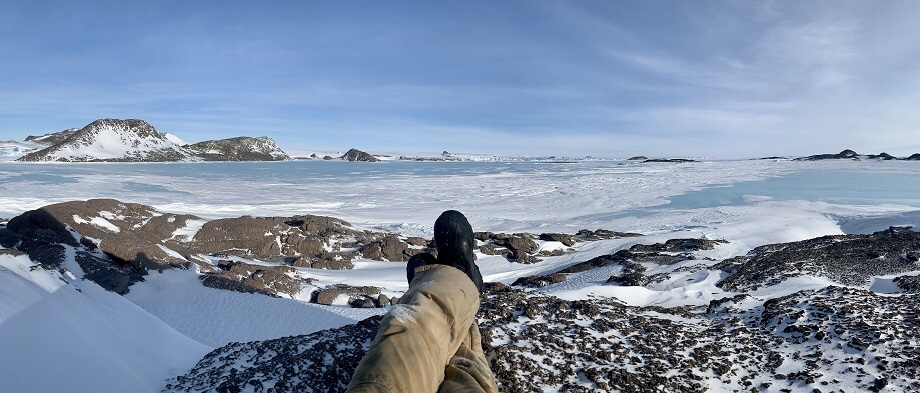
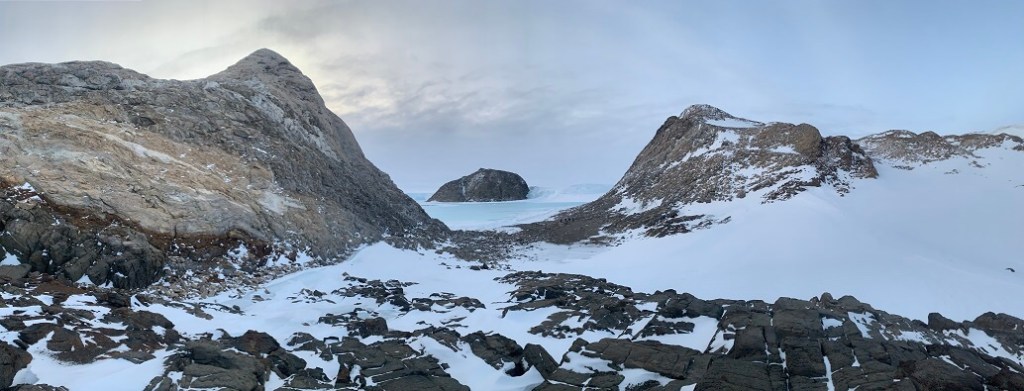
I managed to squeeze in one last field trip before they closed off any more field travel for the rest of our season. So now I have been lucky enough to been to all the huts reachable here at Mawson. Hendo was the last one, Myself, Hamish and Adam got out there for a Thursday night trip as the weather was looking pretty bad over the weekend. we knocked off early, got packed and headed off and made pretty good time only taking about an hour to get out there. Hamish had a very important chippie job of installing a step to the deck of the hut so he got stuck into that as Adam and I got the hut set up, drinks chilled and then shouted very unhelpful advice to Hamish as the job turned out to be not quite as easy as originally planned. But he got there in the end and we were all able to sit back and enjoy the amazing view, with some music playing and barely a breath of wind it turned out to be a perfect afternoon. We took a short walk up on top of a nearby ridgeline to get an even better view of the surrounds before retiring back to the hut where we cooked dinner and even watched a movie on my laptop. The next day we packed up the hut and made our way back to station one final time and tried to take in as much of the plateau as we could and said goodbye to it all. Now confined to station and resupply preparations are in full swing with everything set up as best we can for both over water and helicopter operations depending on whether or not the ship can get through the pack ice to do a full resupply to station. Over the last week we have had some pretty heavy weather and most of the ice has actually broken out to the horizon possibly making it more likely the ship will make it through ok. We have tidied up the station as best as we can to hand over to the new crew and are looking forward to some fresh faces and energy coming ashore soon. The ship is currently finishing off operations over at Davis and we are expecting to hear they will pack up and start heading over here within the next few days. Provided they can get through the pack ice the journey from Davis to here should take 2 to 3 days.
So, that’s it. It’s almost all over. We sit now in our last weekend before resupply just waiting for word that the MPV Everest is on its way to get us. This having been my first season south, what an incredible year it has been. The hardest question to answer is when people back home ask, “What’s been the best bit?”
How do you answer that?
From the very beginning, literally when the Aurora Australis left the dock in Hobart and started its journey down the Derwent I have been bombarded with these completely unique and incredible experiences that have absolutely no comparable measure to them. Once having passed 60⁰ South and we caught sight of our first ice bergs, us first timers lost our minds getting excited over seeing and trying to get photographs of these tiny little bergs way WAAYYY off in the distance and the more seasoned expeditioners laughed at our energy as they couldn’t care less. Once much closer to the continent and as we were starting to push through more pack ice, still one of my favourite memories of the voyage was standing at the bow of the ship, steadily pushing its way through the ice. It was a very low vis day but also really low wind and we were getting this really nice dusting of snow. Big fat but gentle snow and even the ships engines seemed to be muffled by the incredible whiteness that completely surrounded us creating a very surreal atmosphere.
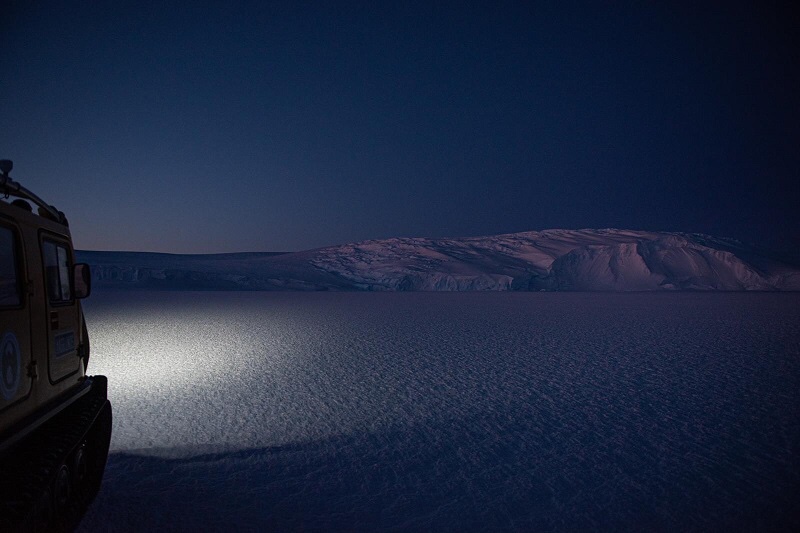
Once actually on the continent itself and having got through resupply and all the craziness involved with that, there is finally an opportunity to look out the window and start to register where you are. ‘Holy shit . . . . . . I’m in Antarctica . . . . . that’s Antarctica out there’ as I stare out the mess windows looking at the jagged ice cliffs around station pushing out to sea. Then only a couple weeks later I try to look out that very same window and it is completely blocked out by snow, just thick blowing snow stopping me even catching sight of the ground only meters from the window. The winds smashing into the red shed causing the whole building to shake and vibrate similar to steady air plane turbulence.
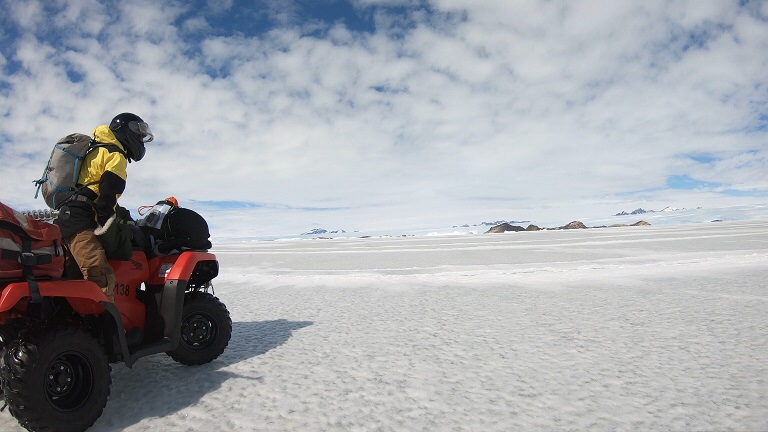
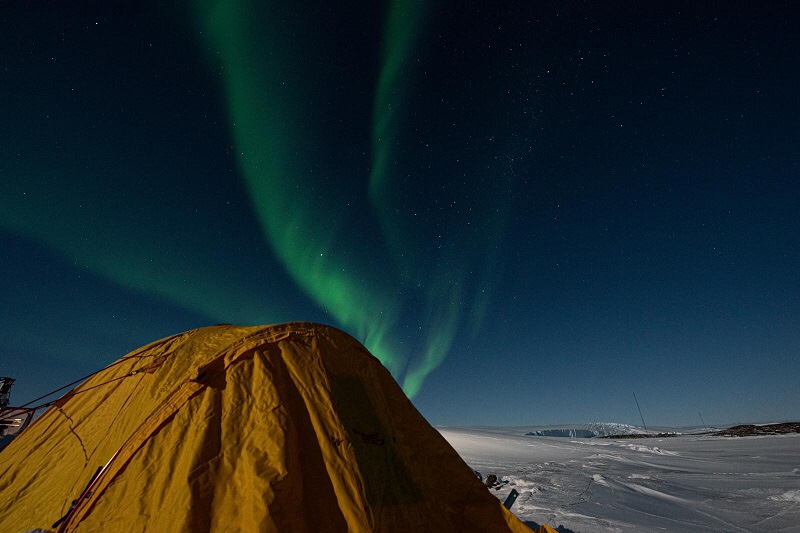
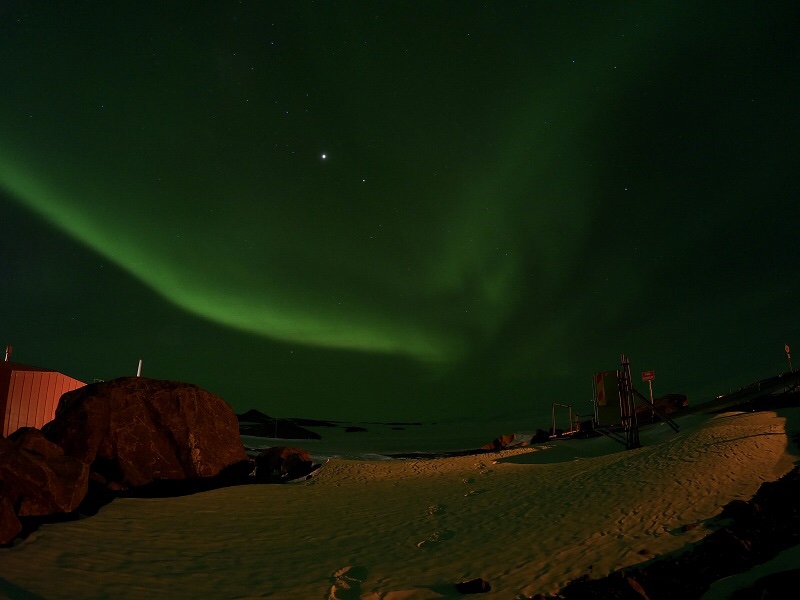
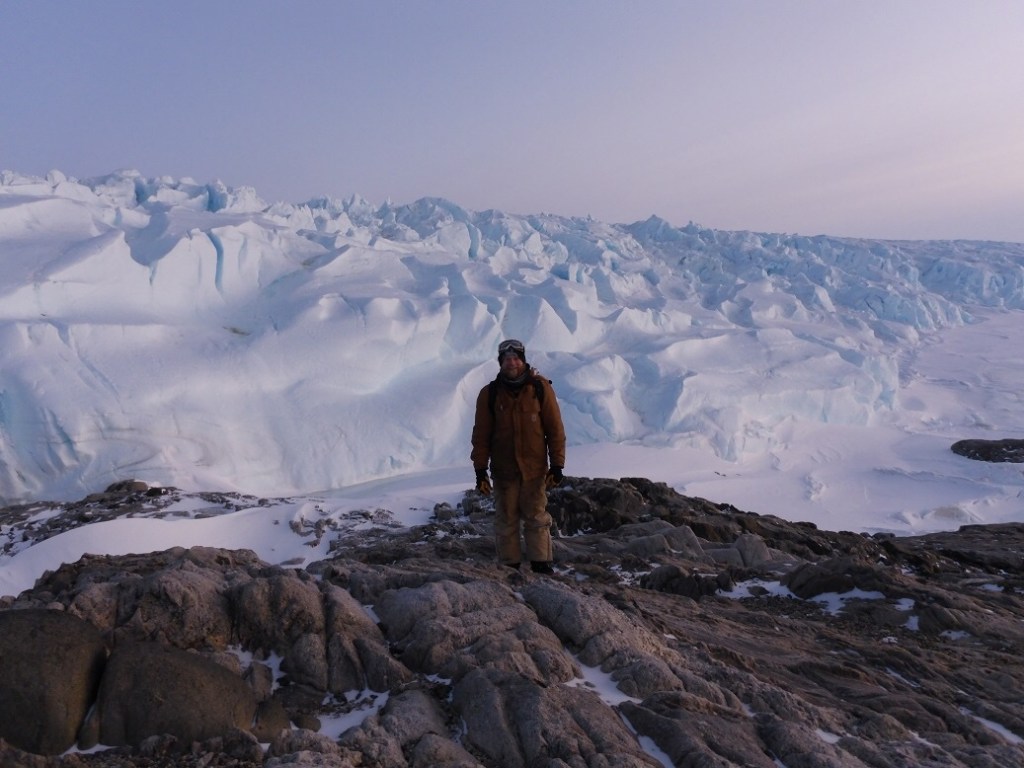
Field training changed my perception once again as we rode quads up the steady rise behind station and up on to the plateau, finally getting a better view of the surrounding mountains and just an endless, almost unfathomable amount of ice. Then spending my first night out in a bivvy bag, it was -21⁰, clear skies and an Aurora visible above as I peered out of my bag, Rumdoodle mountain silhouetted by the moon about to rise up from behind it. To be fare the next morning after a blissful 45 minutes of sleep and the condensation from my breath having frozen and now snowing back down on my face inside the bivvy bag I wasn’t feeling overly chuffed with my life decisions, but now looking back on it all, it’s all part of a wonderful experience.
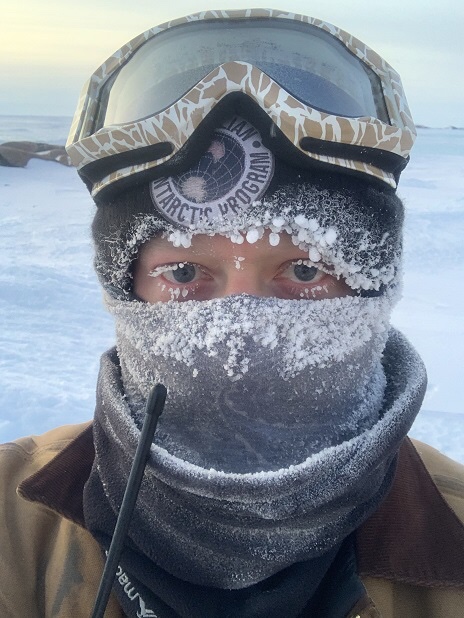
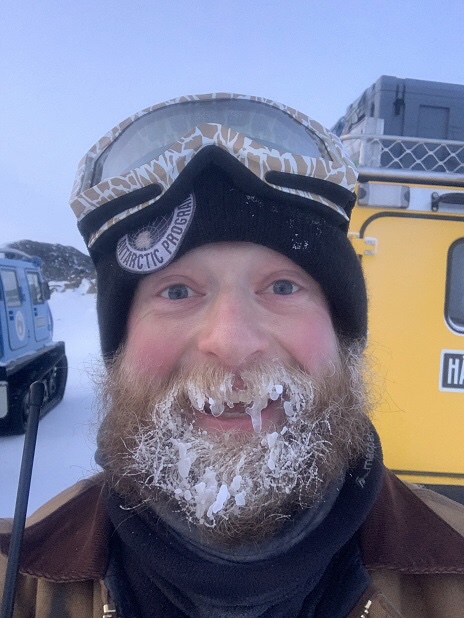
Having said that, I’m sure telling some stories to people back home wouldn’t make it sound like that much fun. Especially things like that during the middle of winter and having spent enough time outside that not only I built up little icicles on my eyelashes, but I blinked and they then froze together, I literally couldn’t open my eyes until I could wipe the ice from my face. Or after returning from a full day quad trip on sea ice, underneath my neck buff I was using to cover my face, enough condensation had built up and then refrozen that my beard was now frozen to my neck buff and I had to run my neck under a hot tap to melt the ice to be able to get it off.
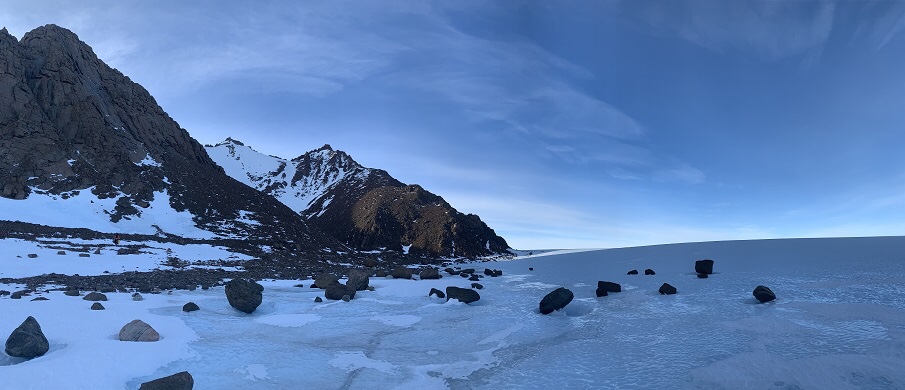
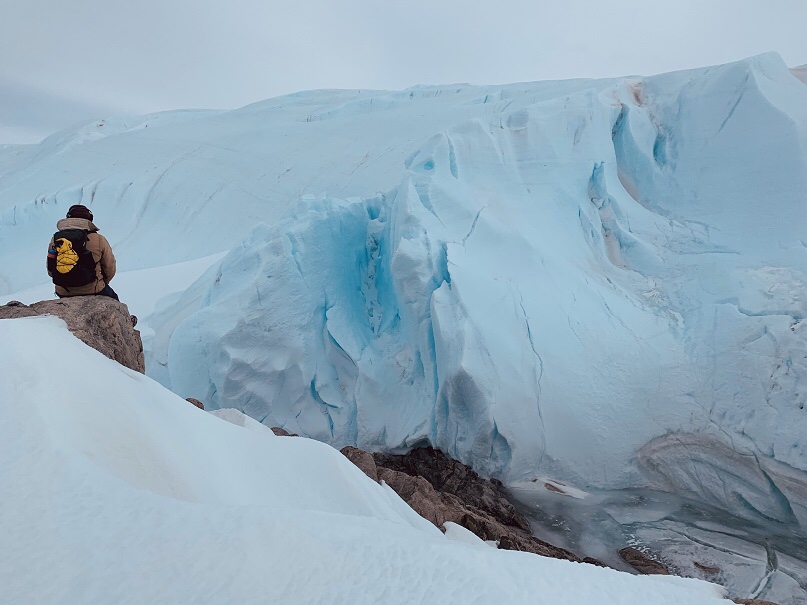
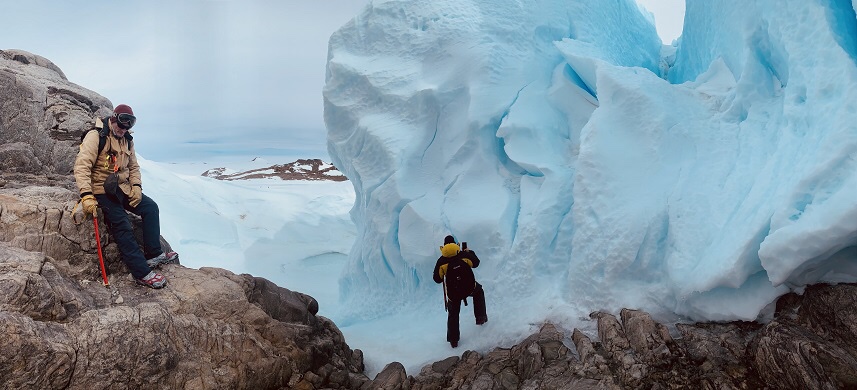
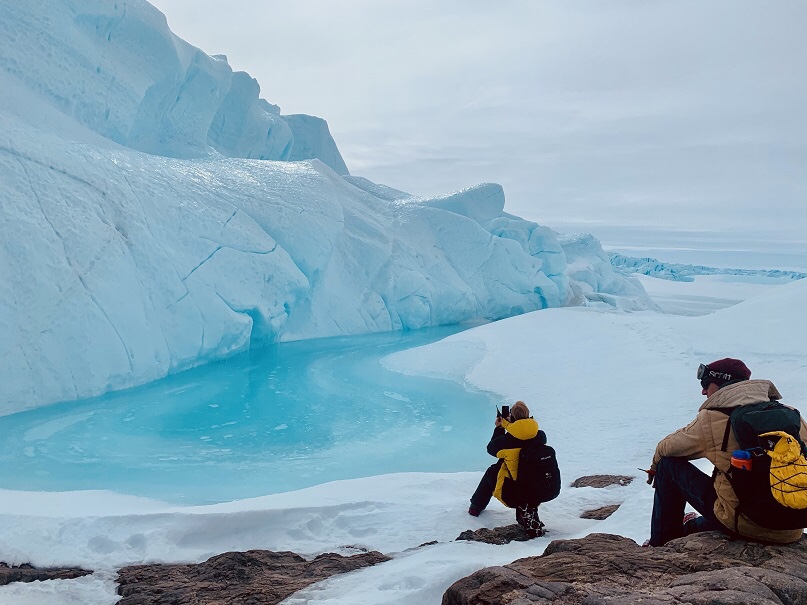
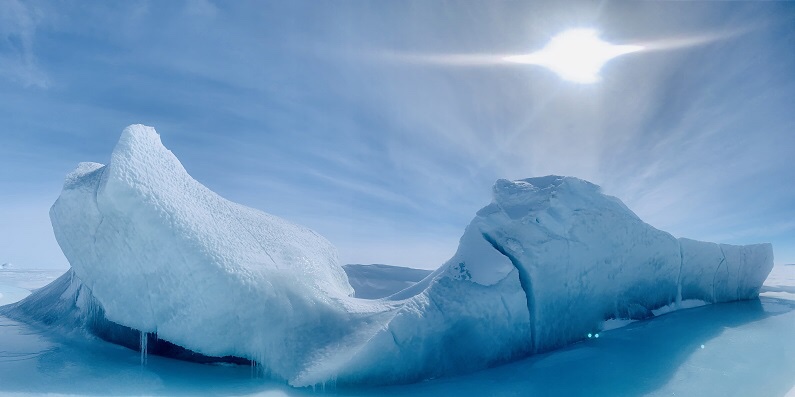
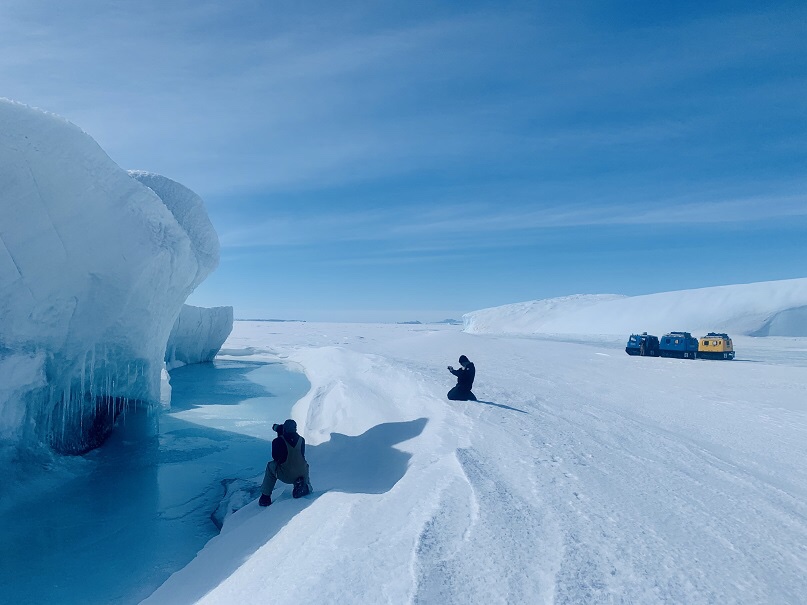
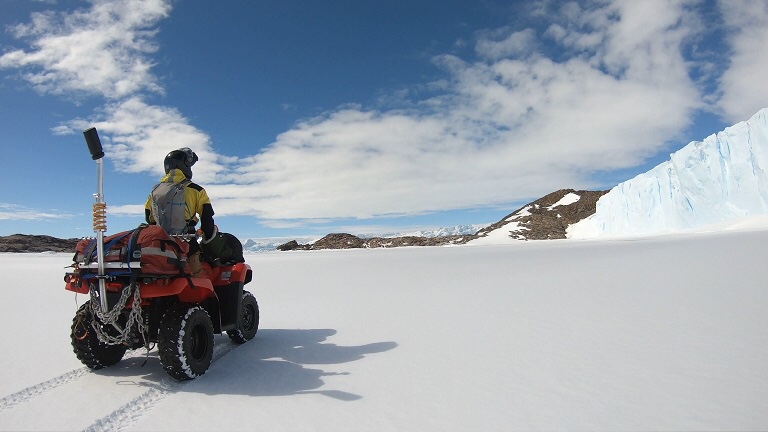
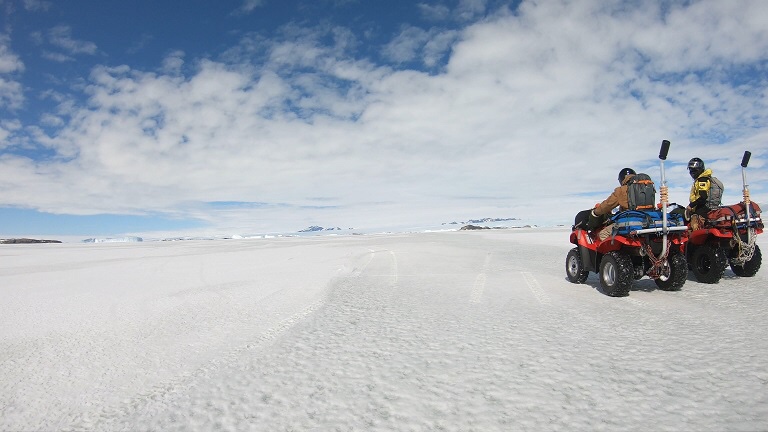
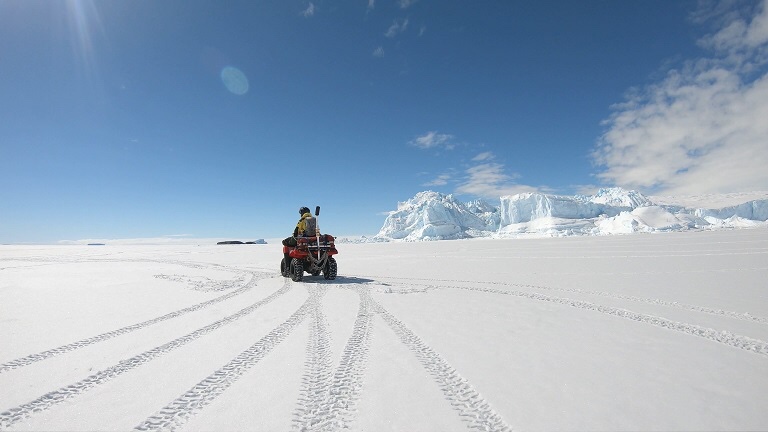
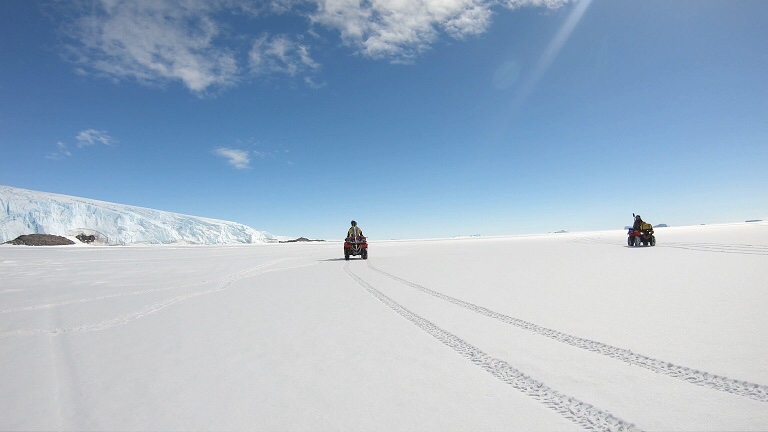
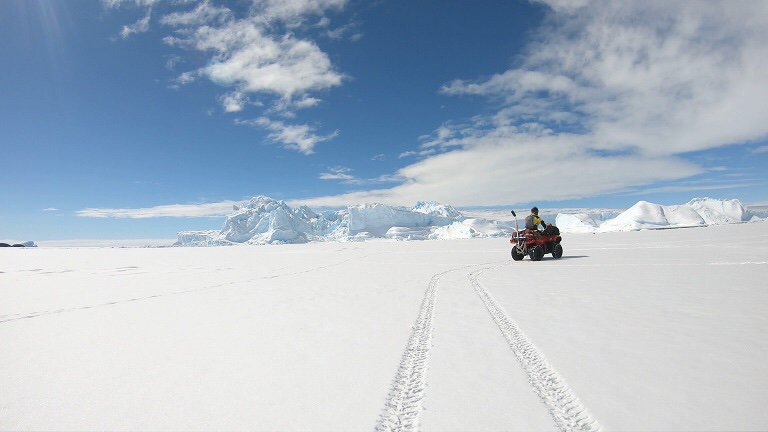
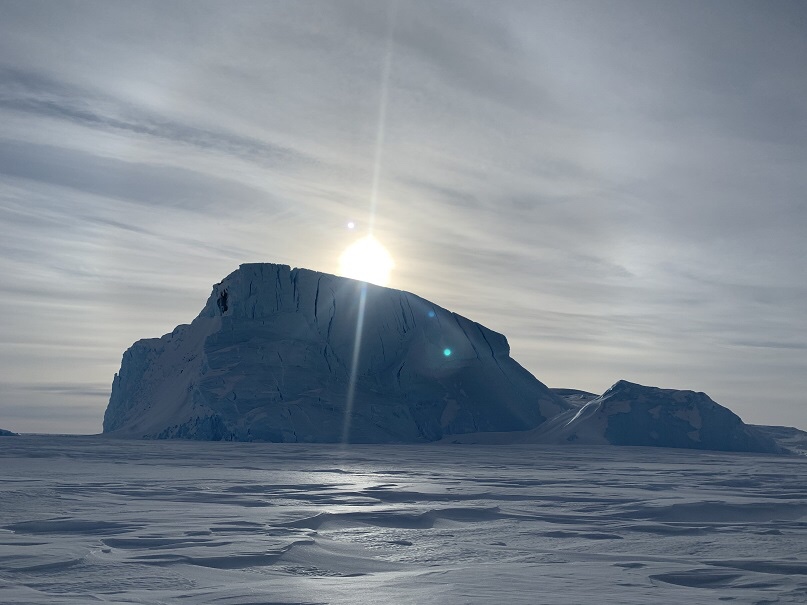
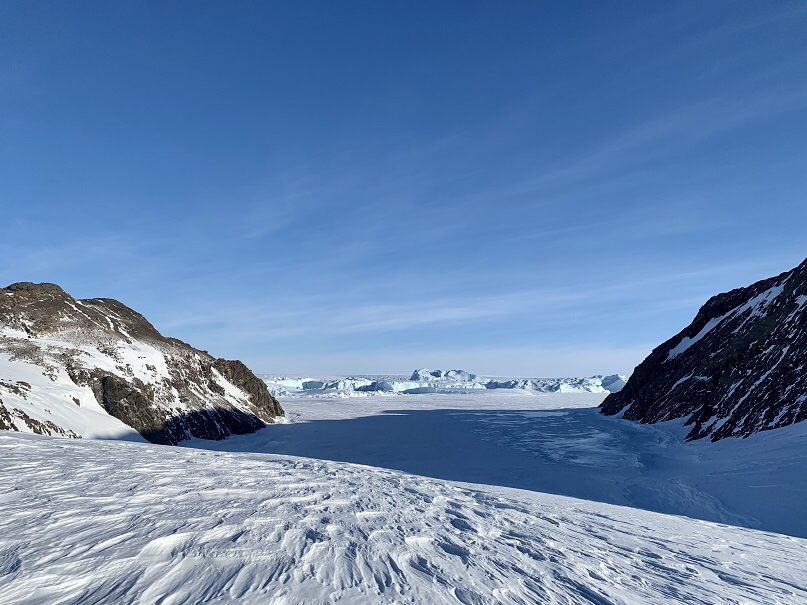
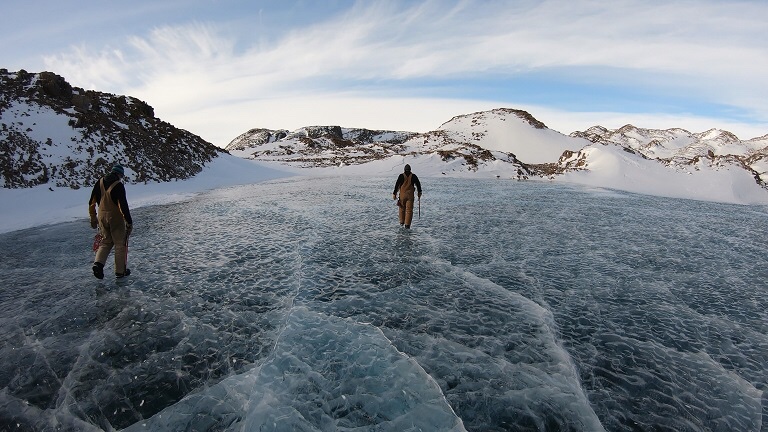
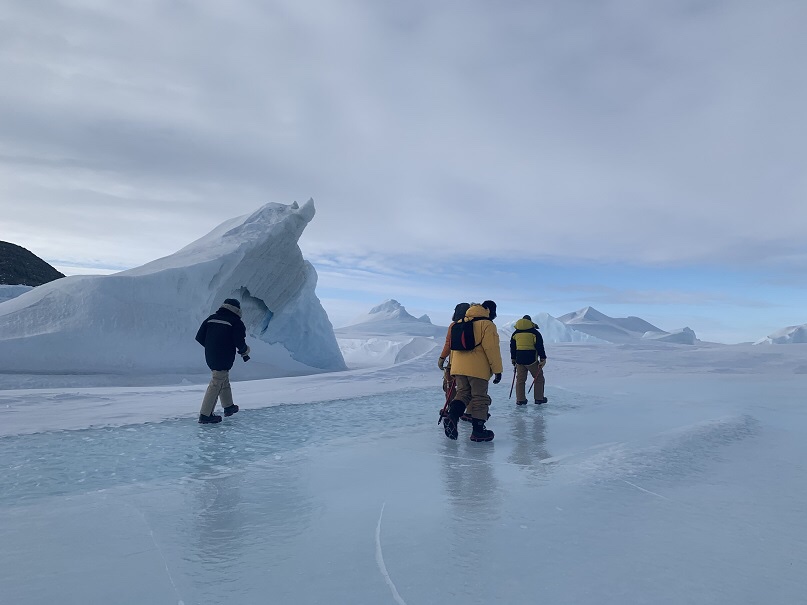
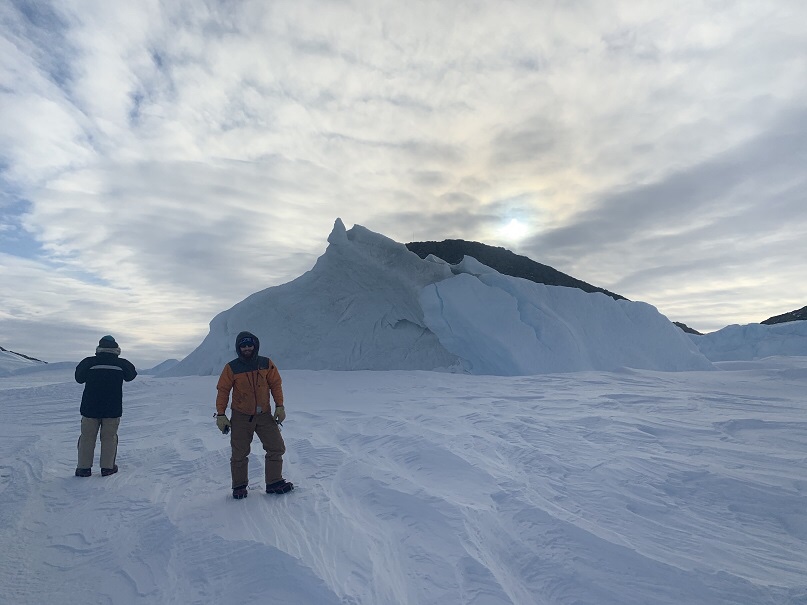
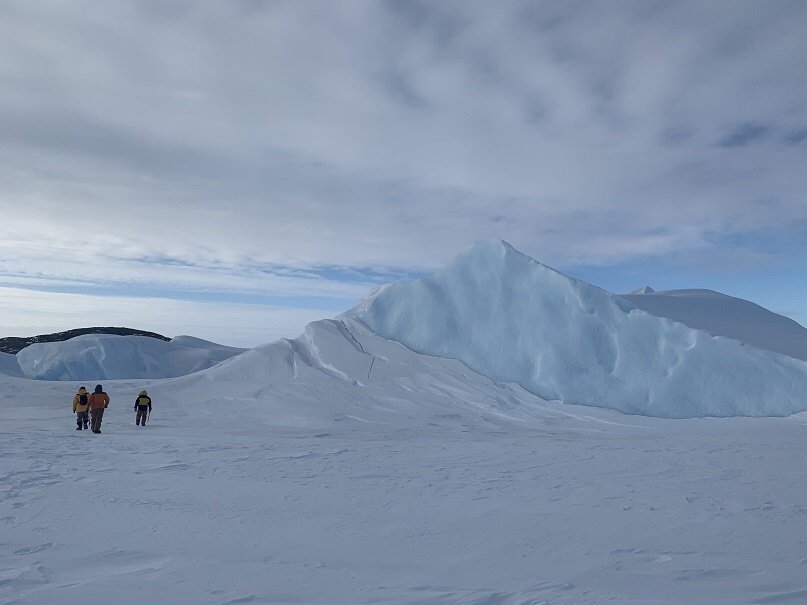
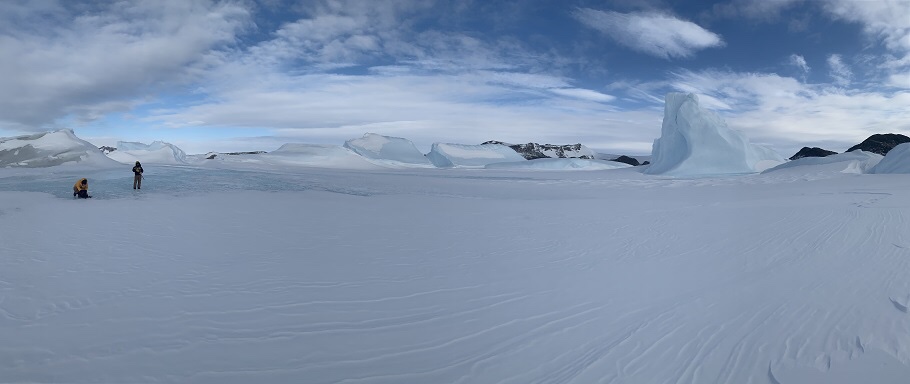
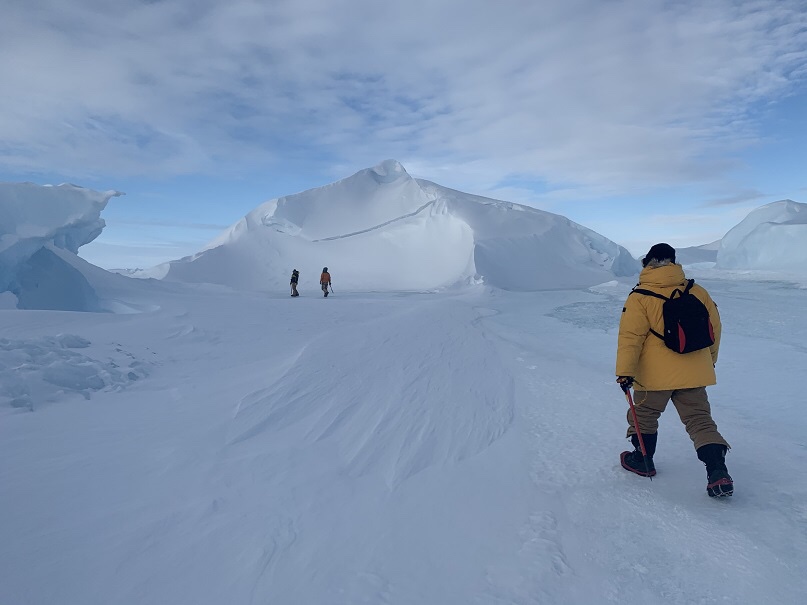
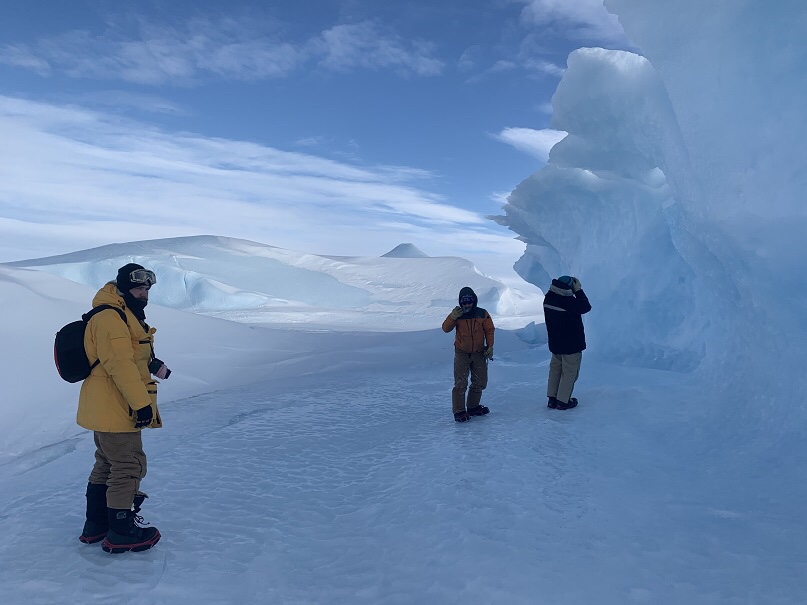
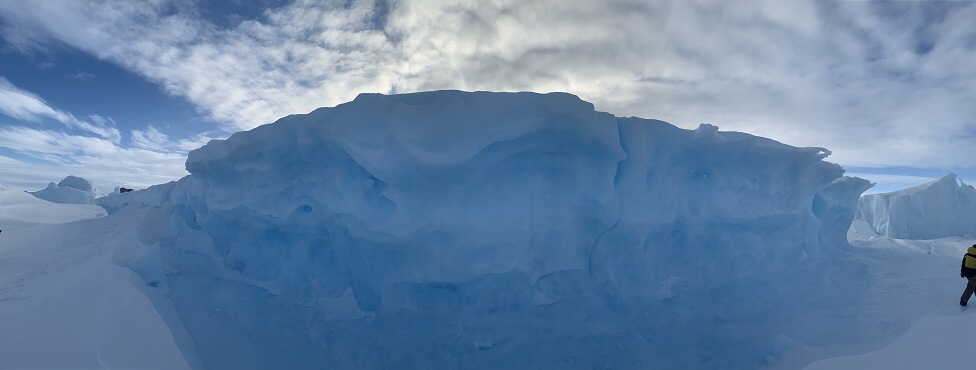
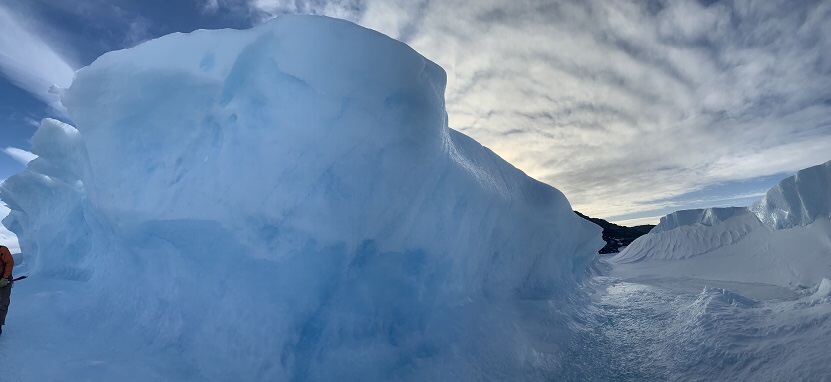
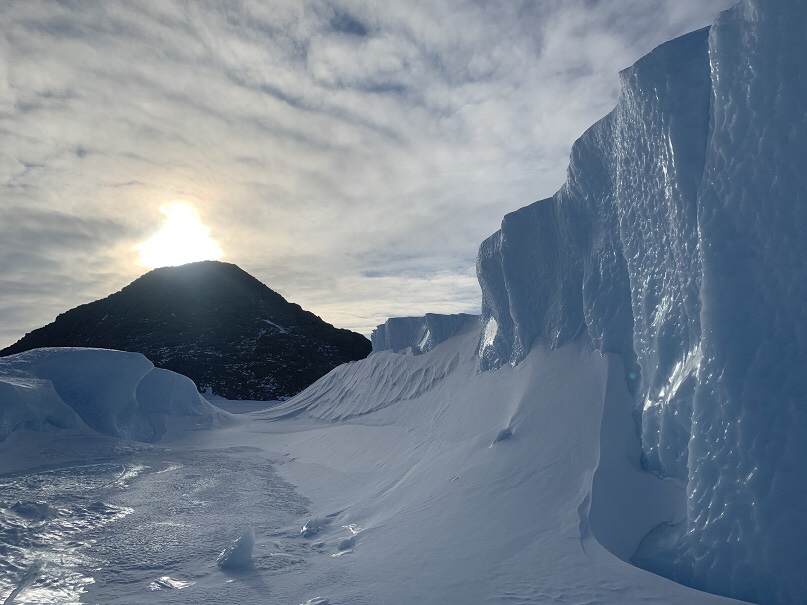
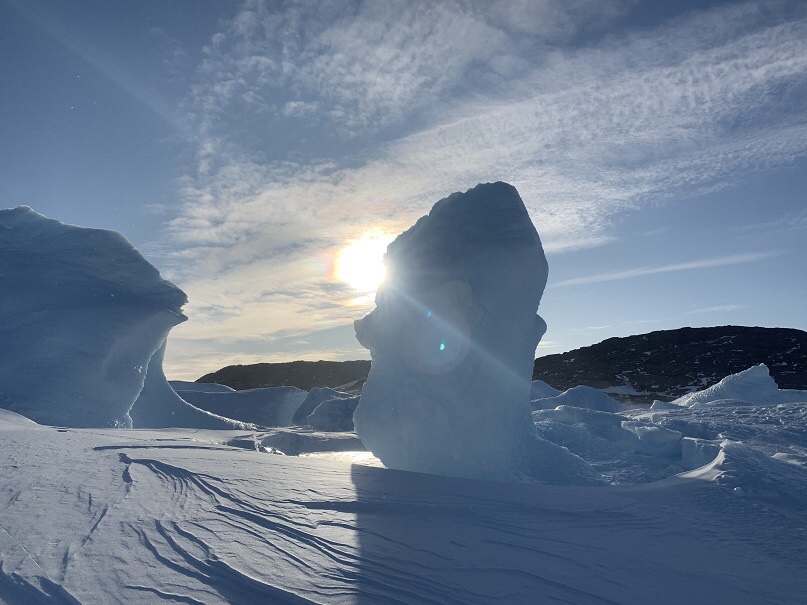
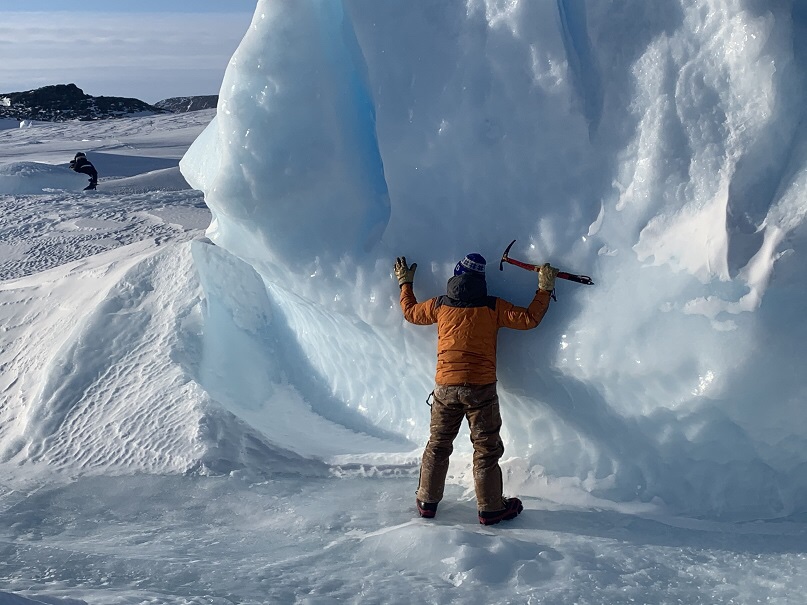
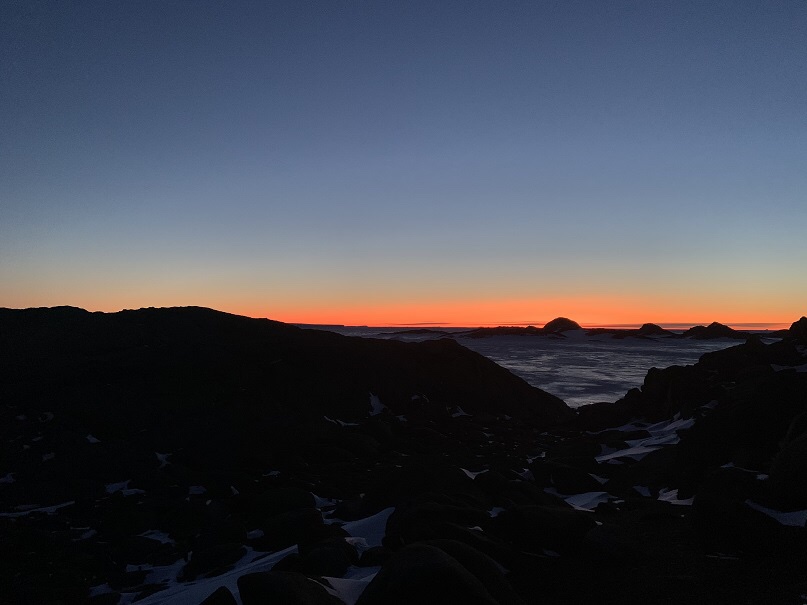
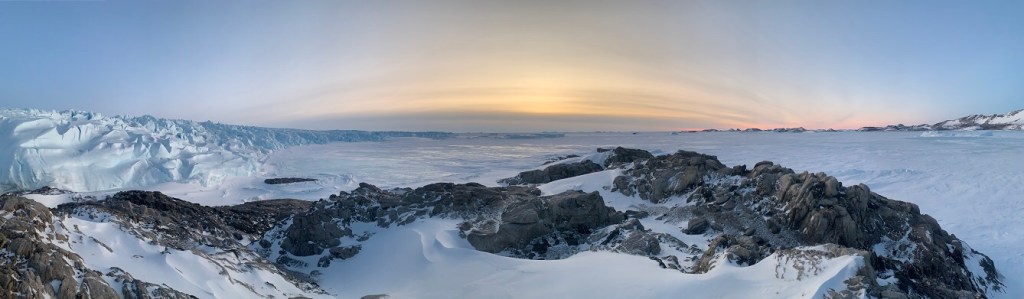
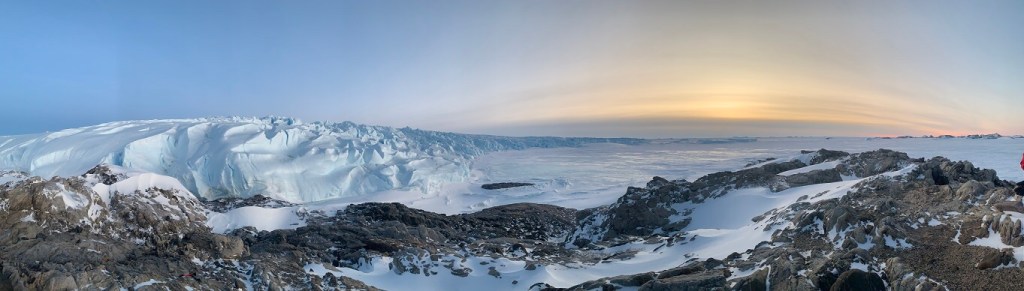
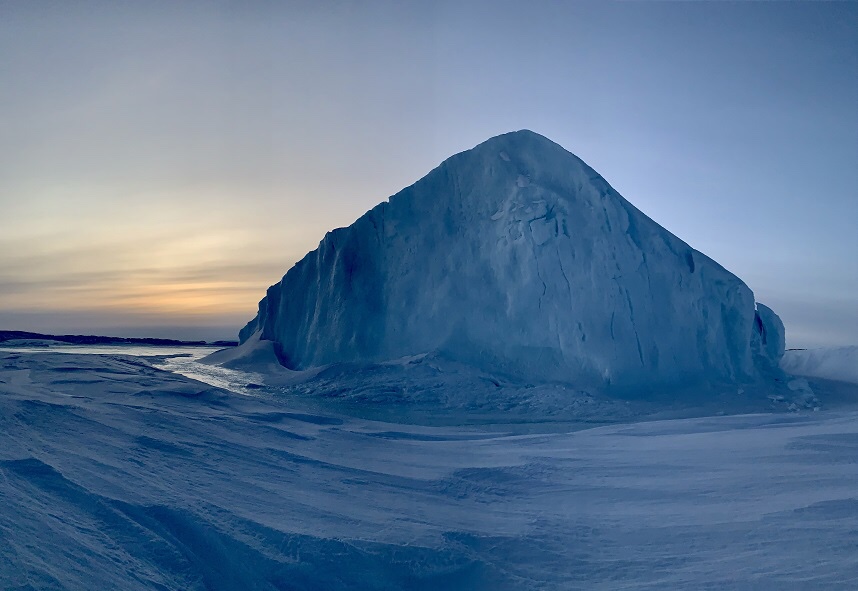
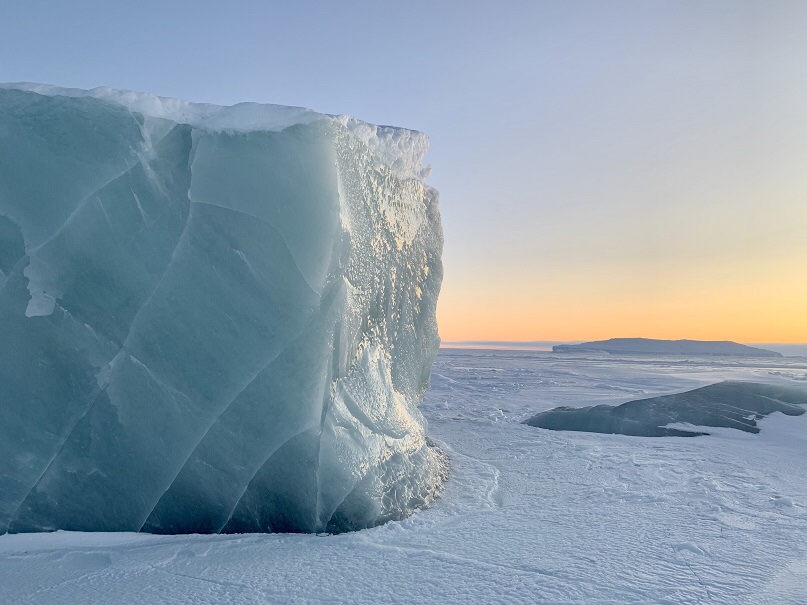
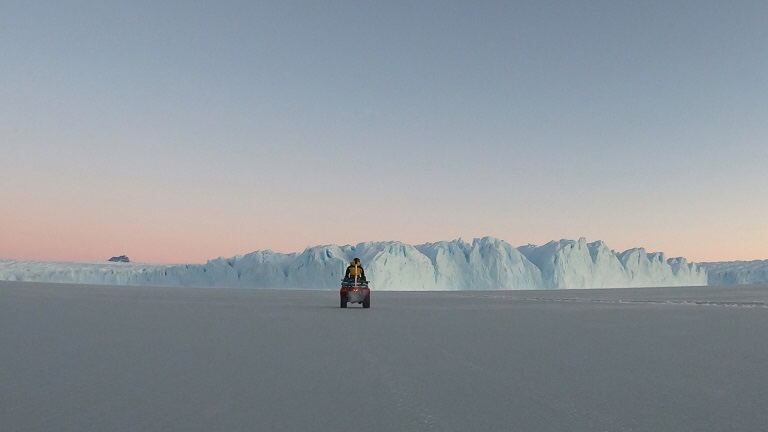
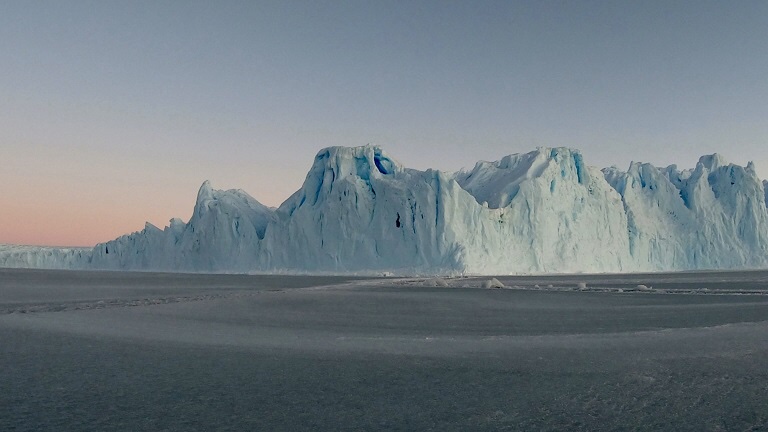
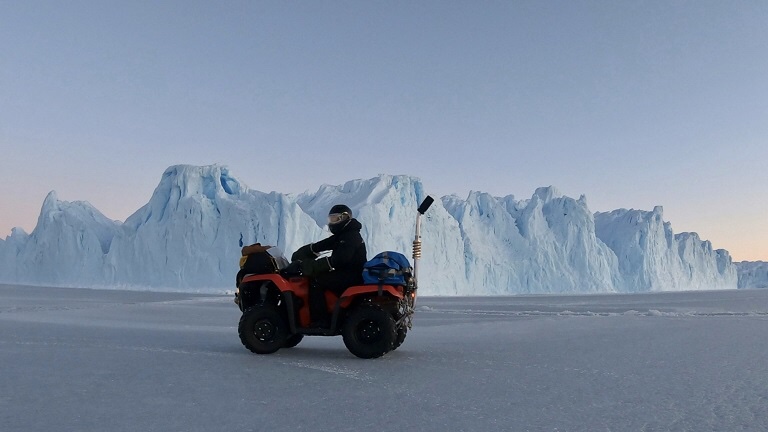
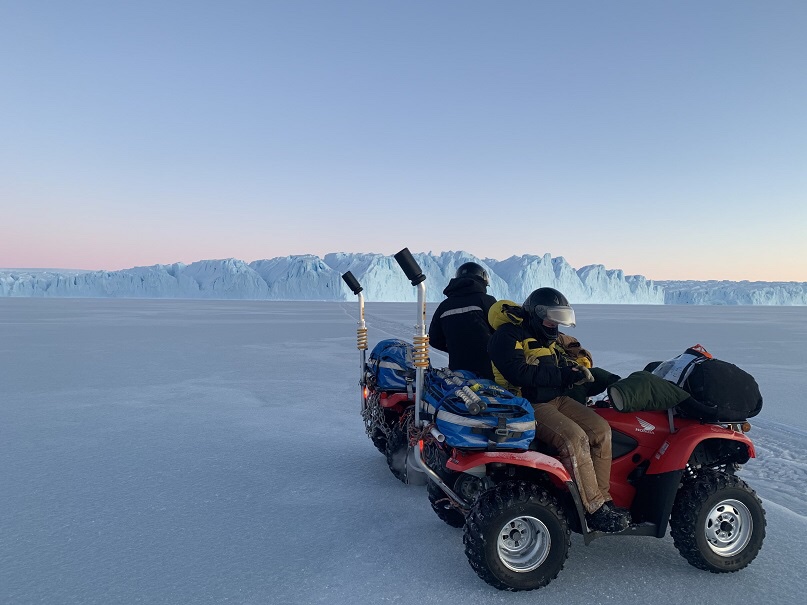
The opportunity to travel on sea ice was well worth it though, especially on quads. The trips out we have done have been incredible and being lucky enough to go out as far as Ledingham and spending a week and a half out in the field all at once was fantastic. All of the huts are a great get away and have their own character, situated near some incredible natural features. Whether its wind scours, melt lakes, islands, mountains, glaciers, rookeries or even ice bergs that have been trapped for who knows how long that you can walk between. That’s the thing about this place, it has this amazing vast nothingness about it, but you can’t take your eyes off it. People expect that you would get sick of the lack of colour, but the colour contrast down here is insane and it constantly changes with the seasons. Prior to winter the sun follows the horizon and gives off these unbelievable day-long sunrise/sunsets. Even the colour of the ice is dynamic, on a clear day with full sun, the blue ice and snow look pretty similar but then when the sky becomes overcast the blue ice truly turns a much brighter neon blue changing the contrast of how you see features like ice cliff and glaciers.
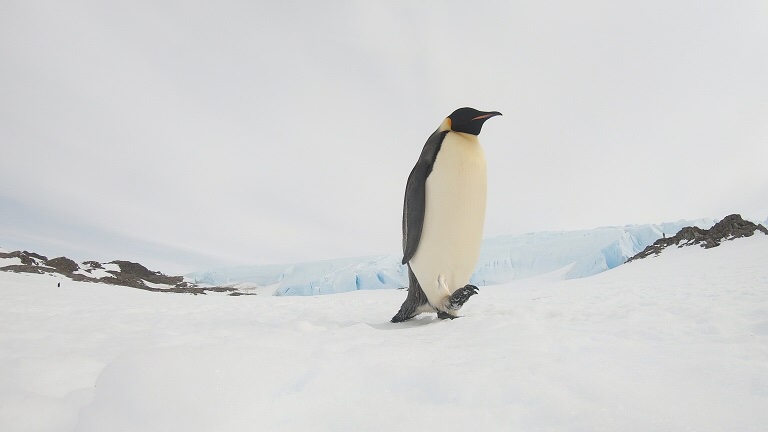
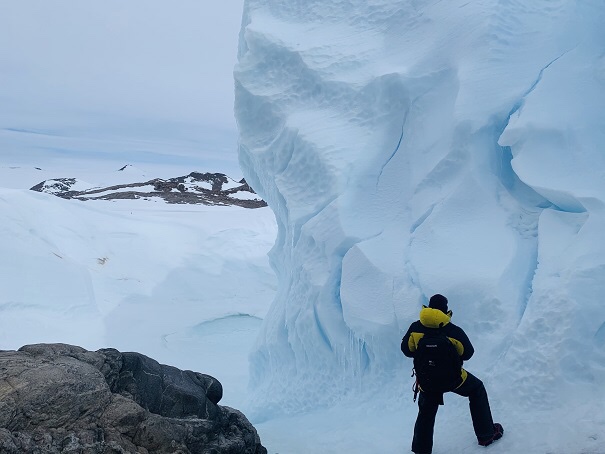
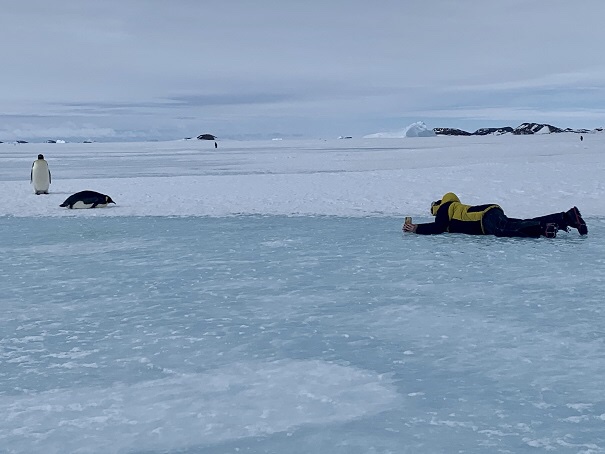
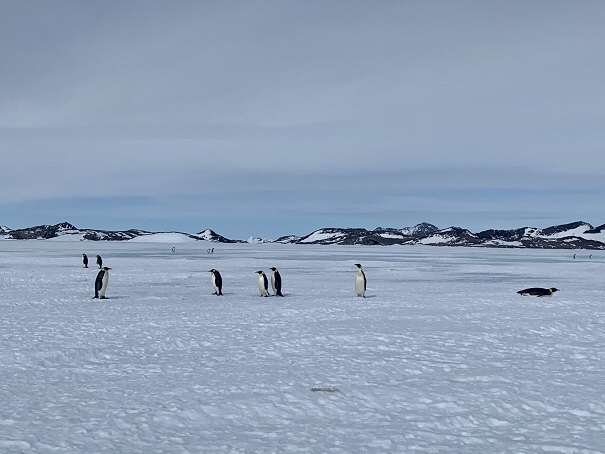
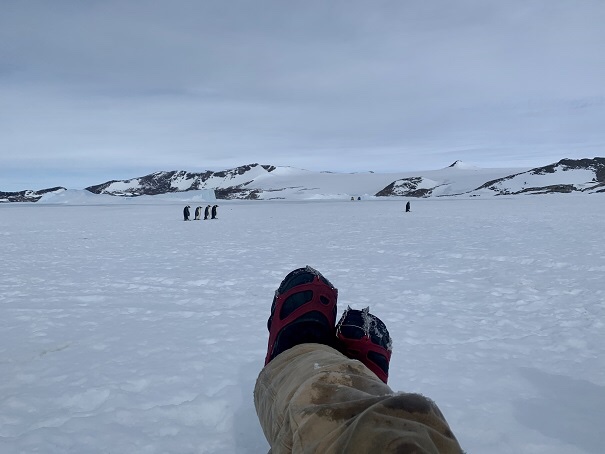
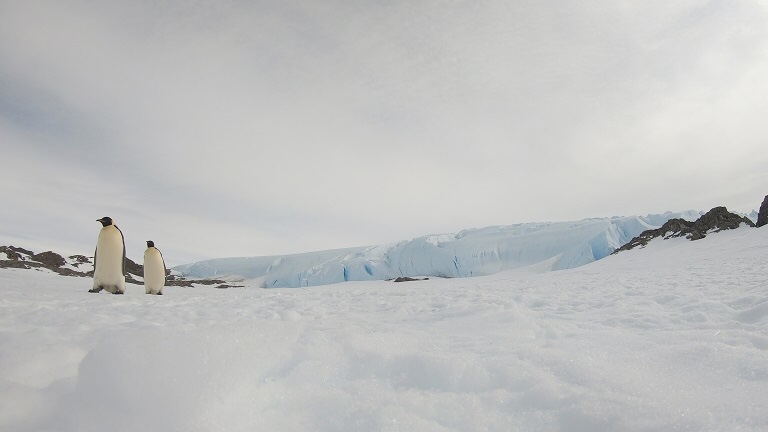
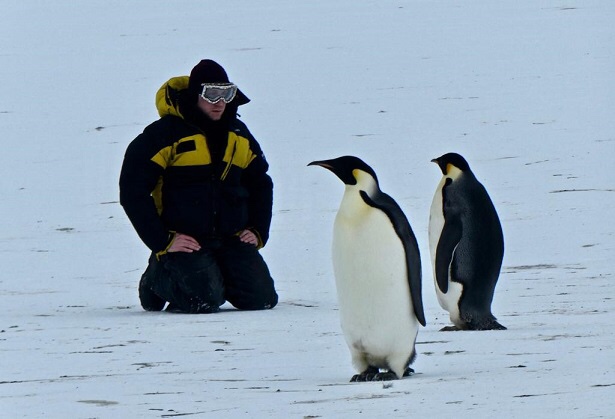
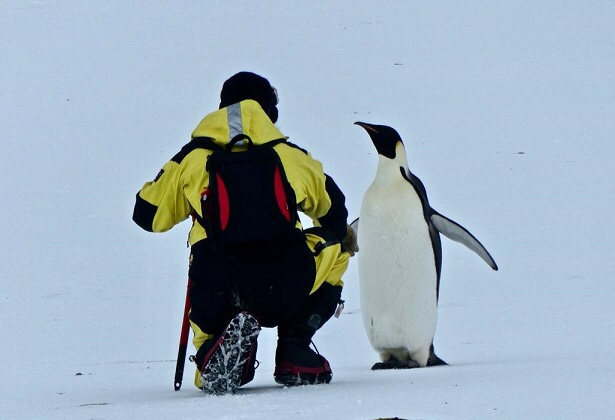
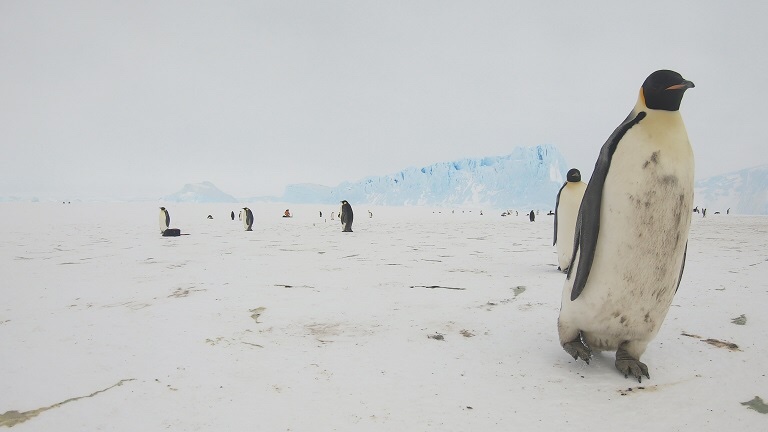
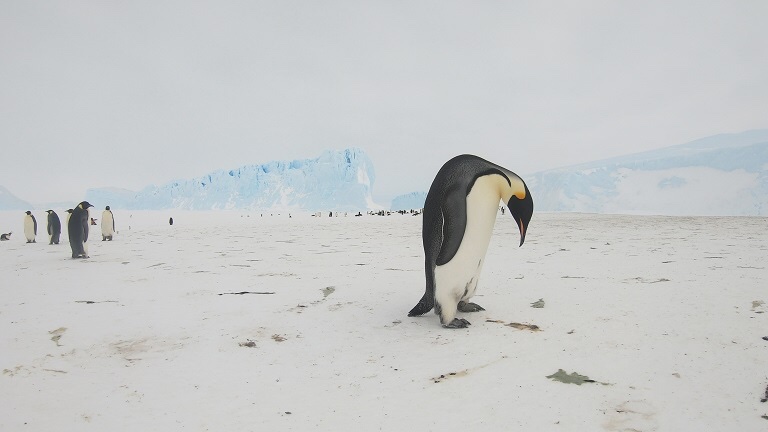
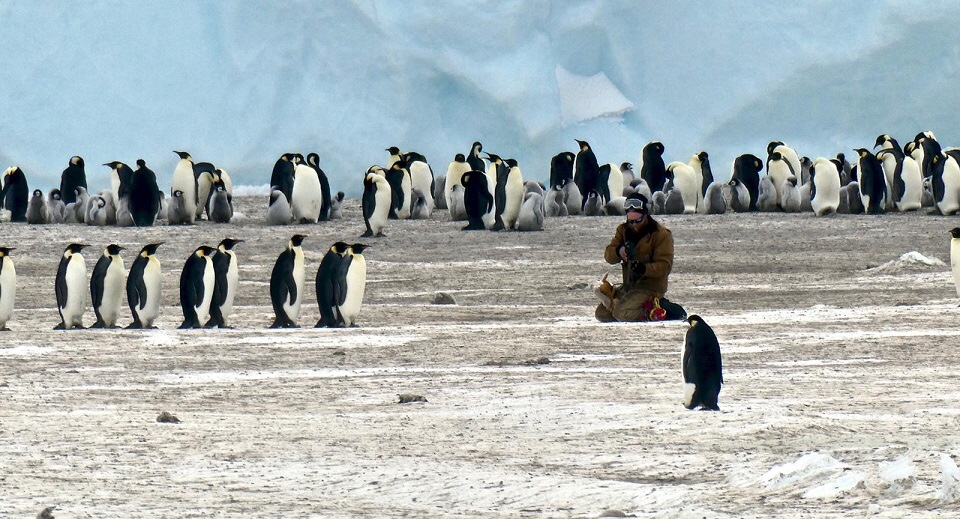
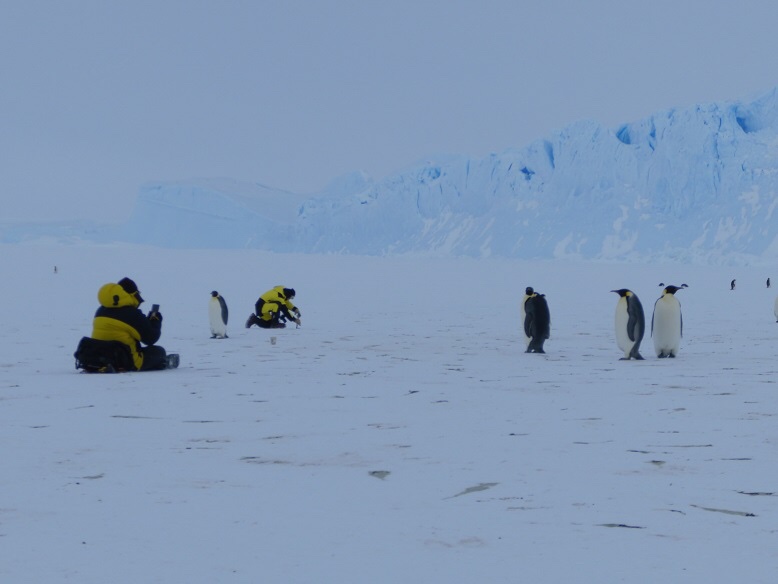
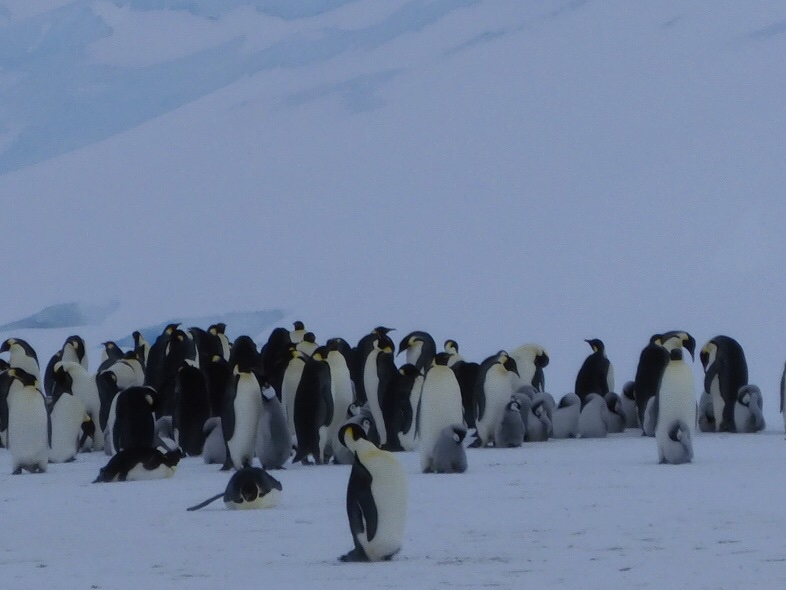
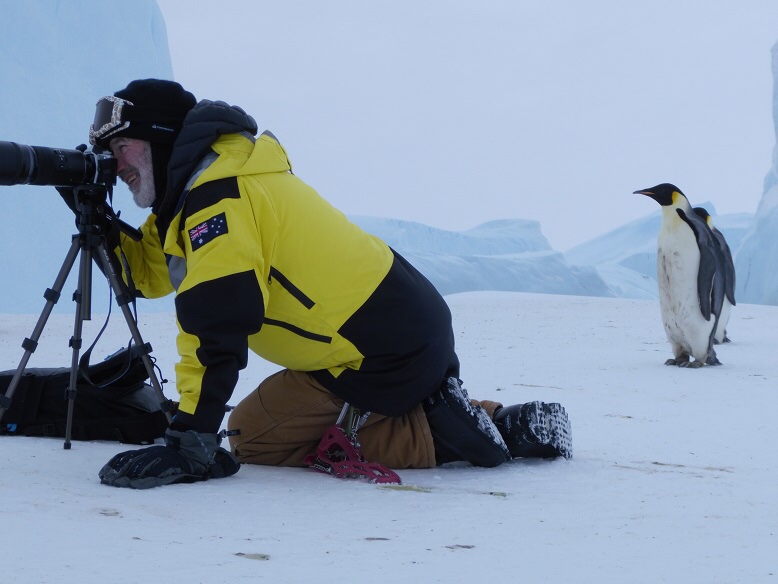
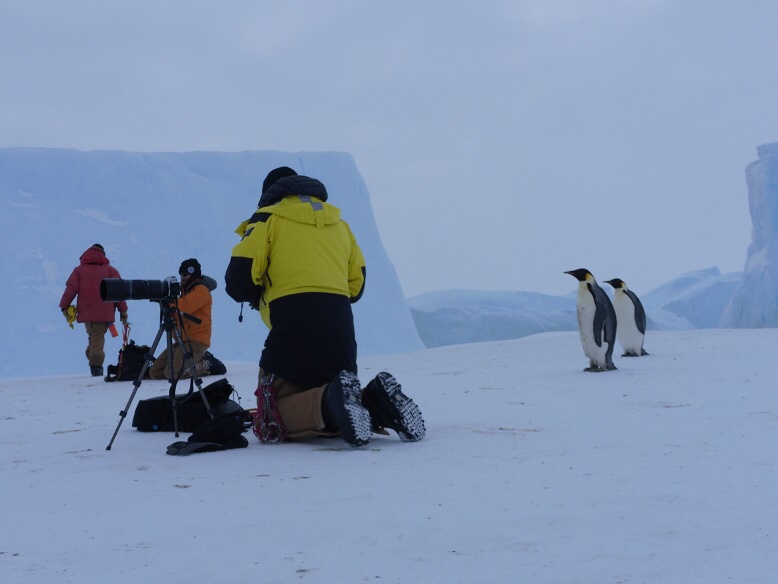
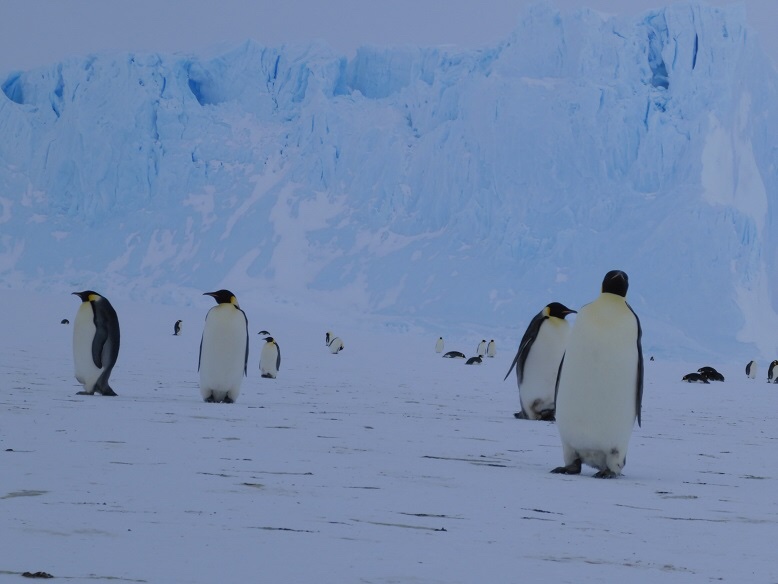
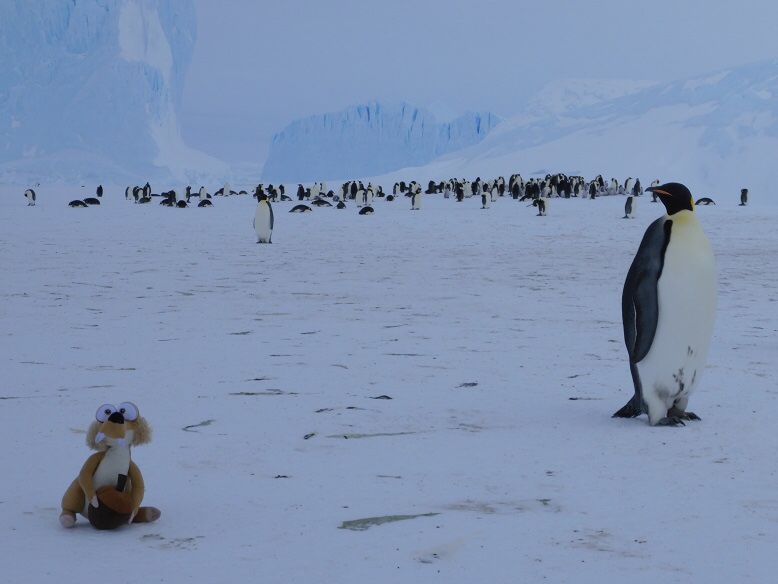
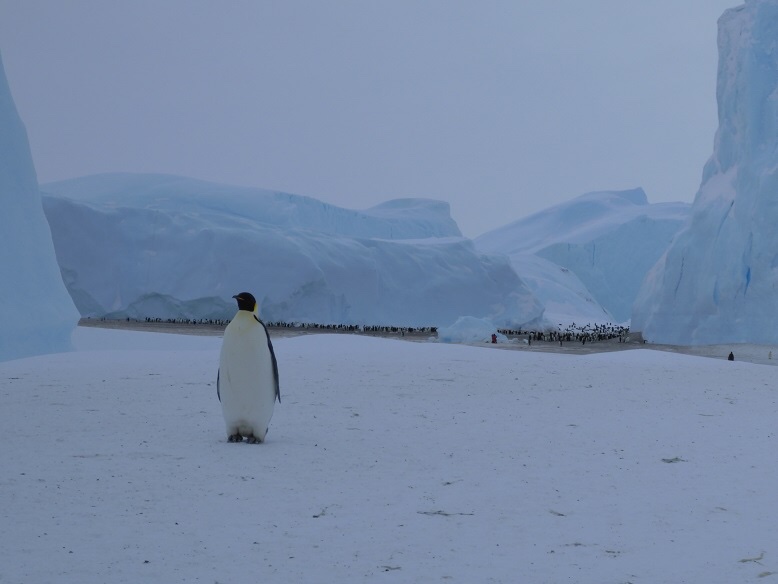
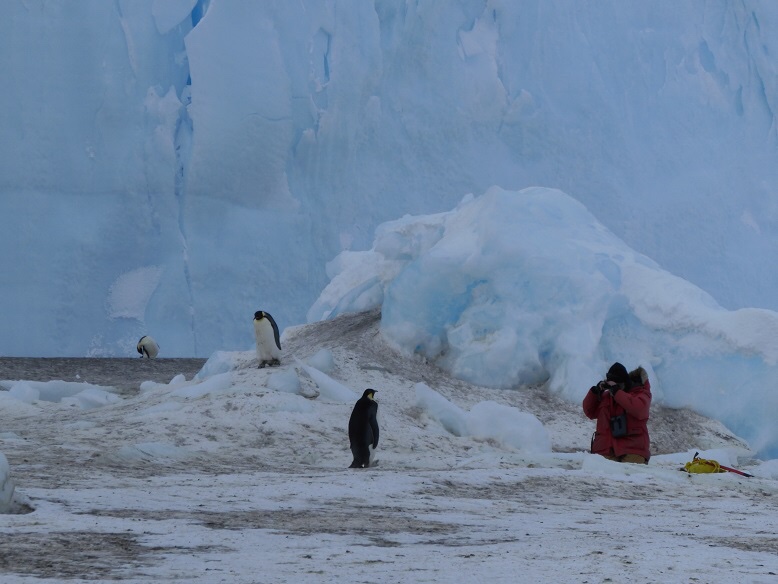
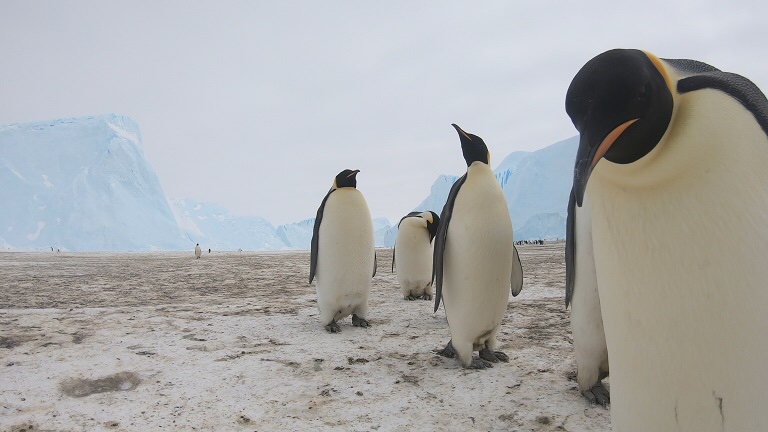
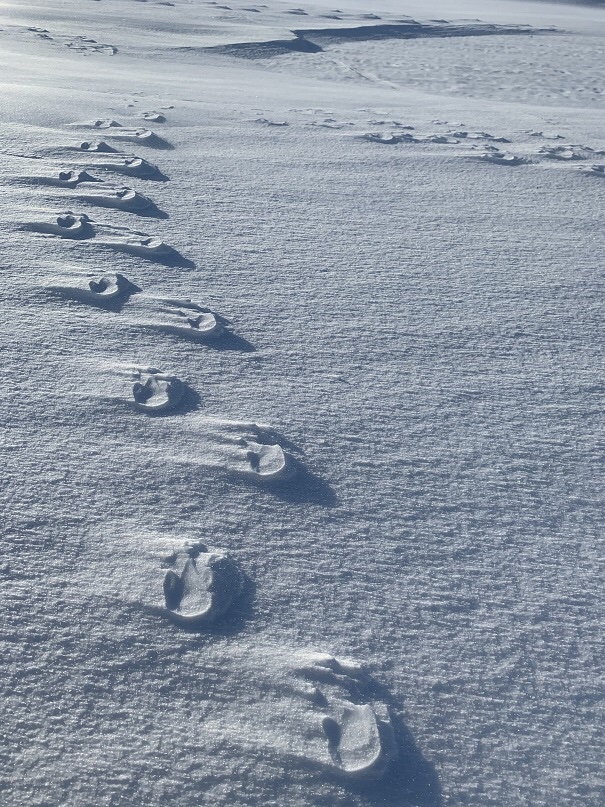
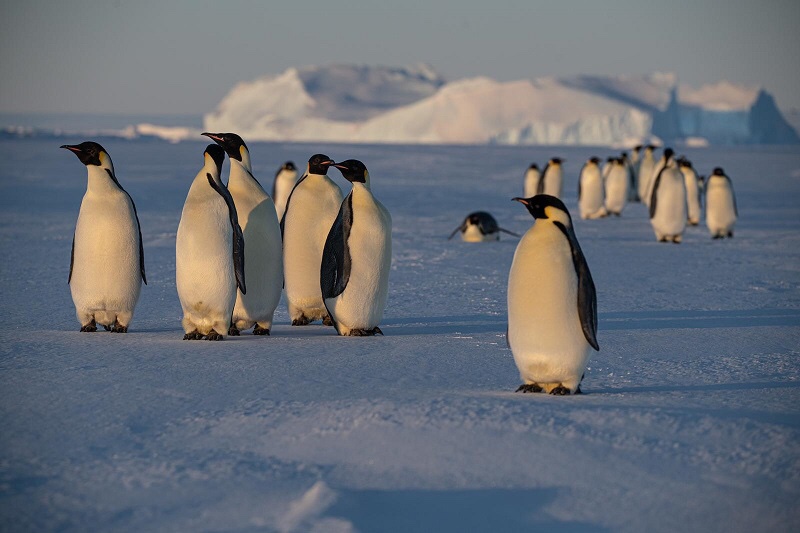
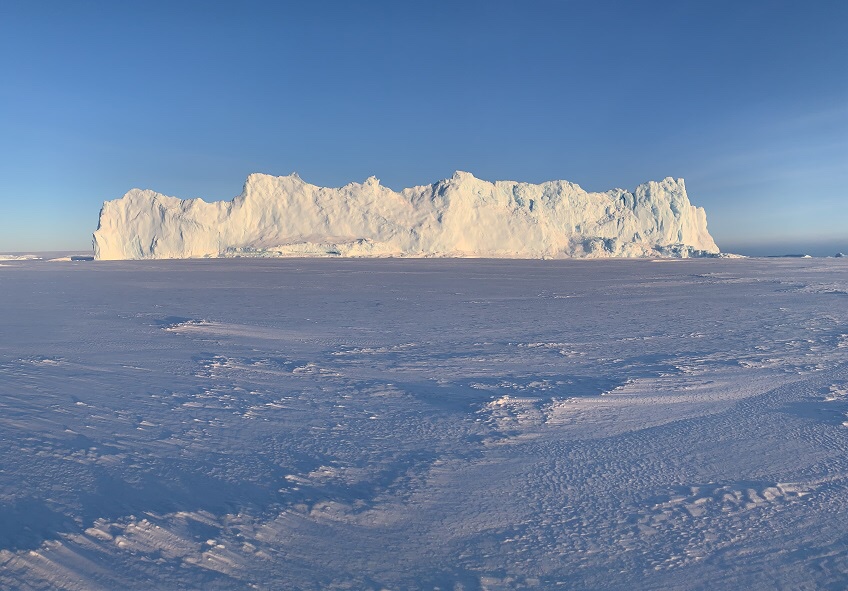
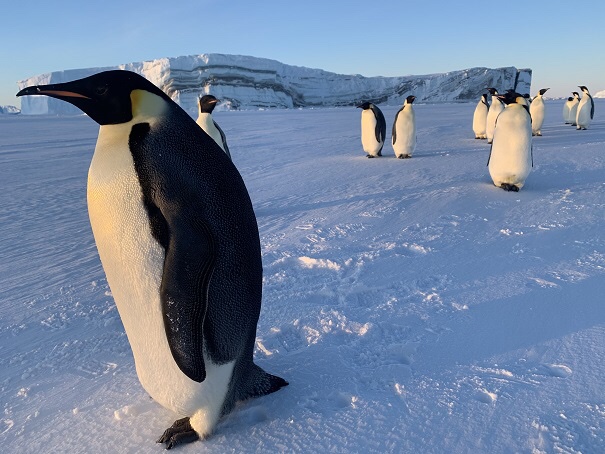
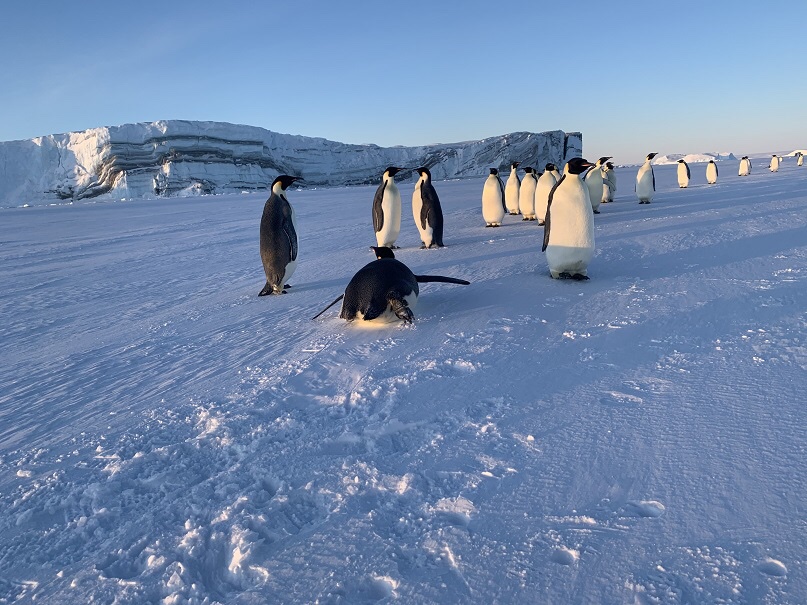
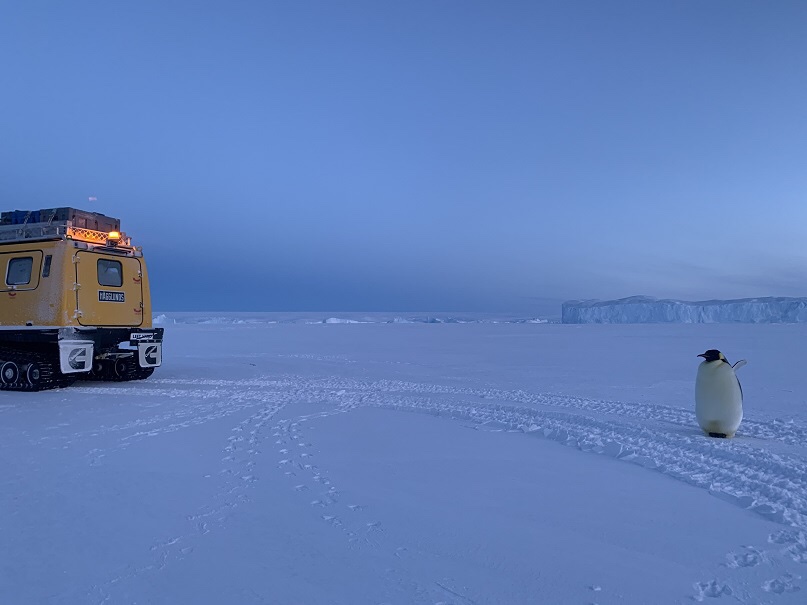
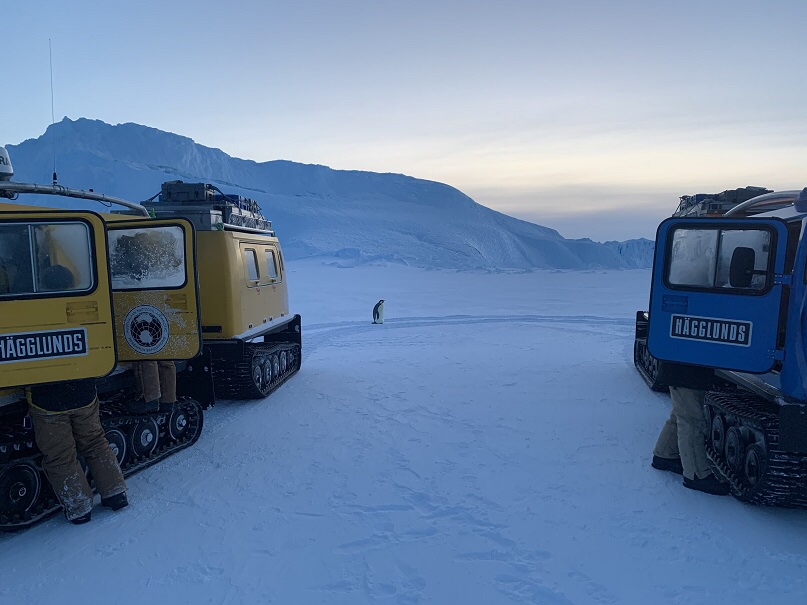
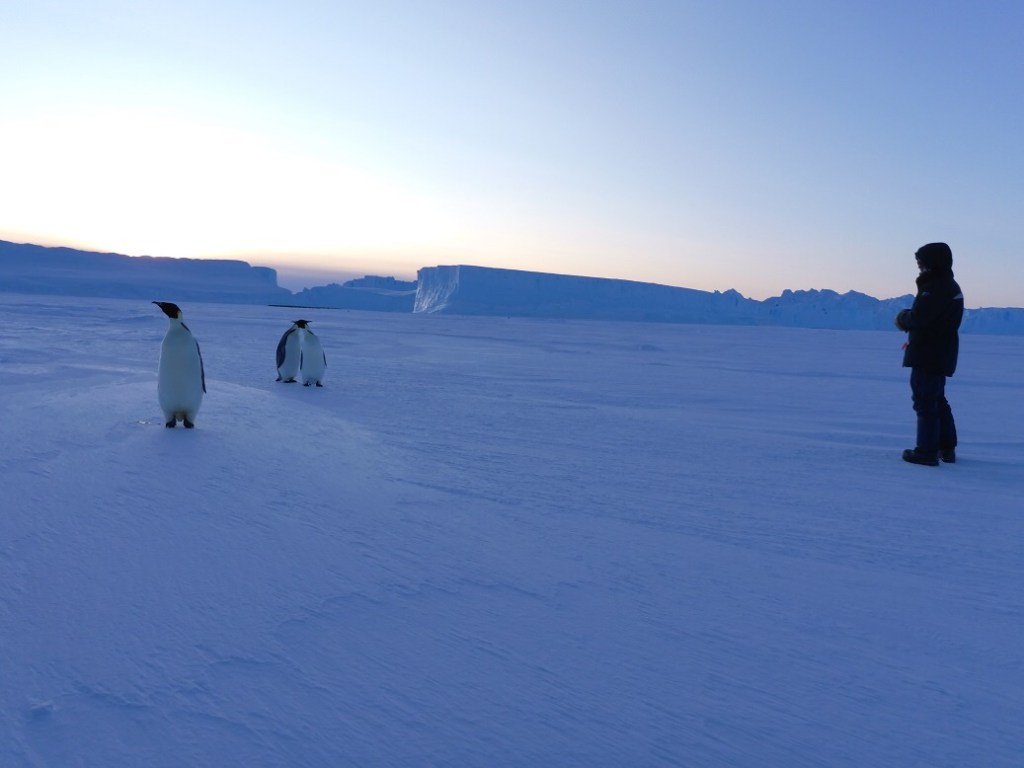
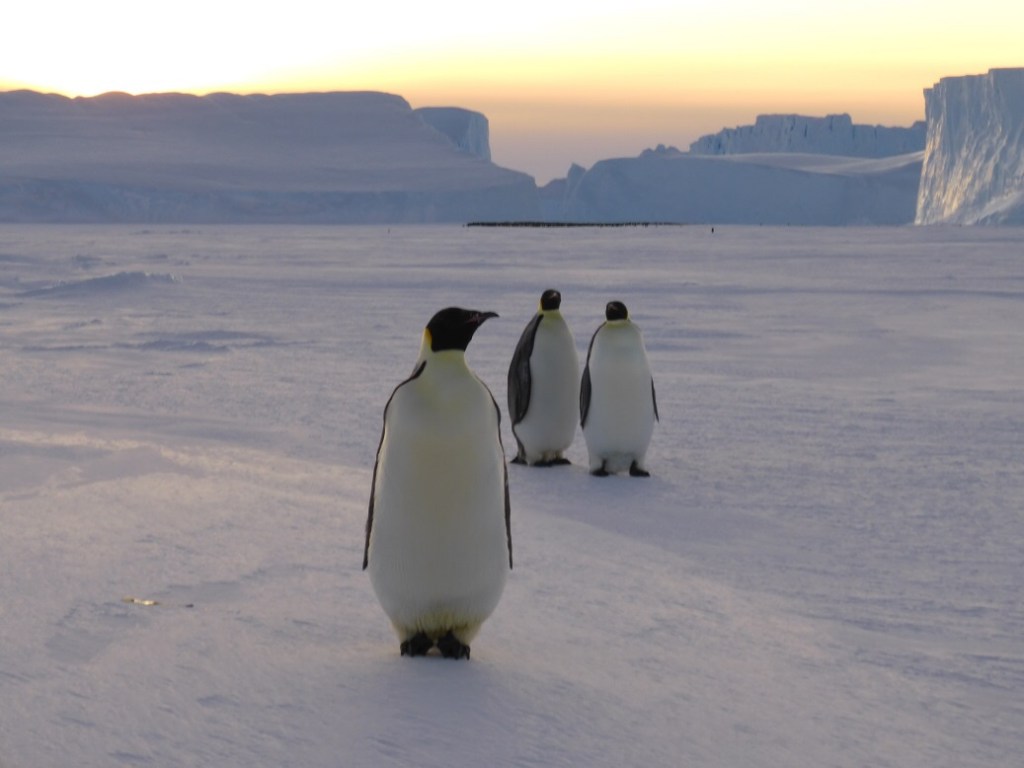
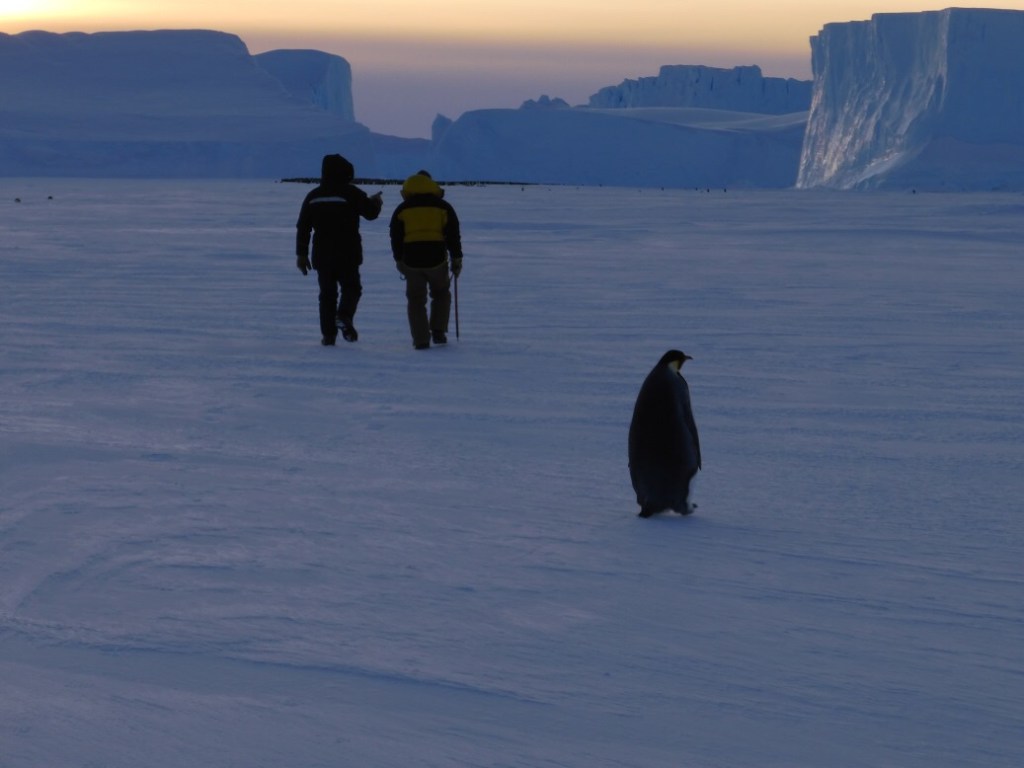
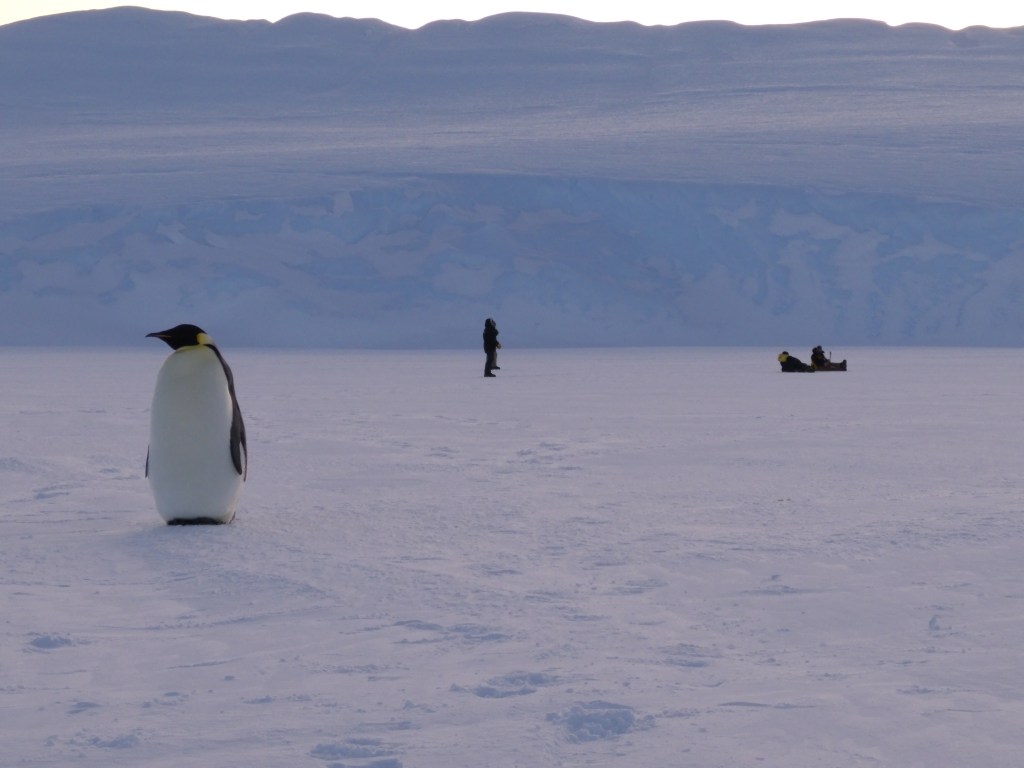
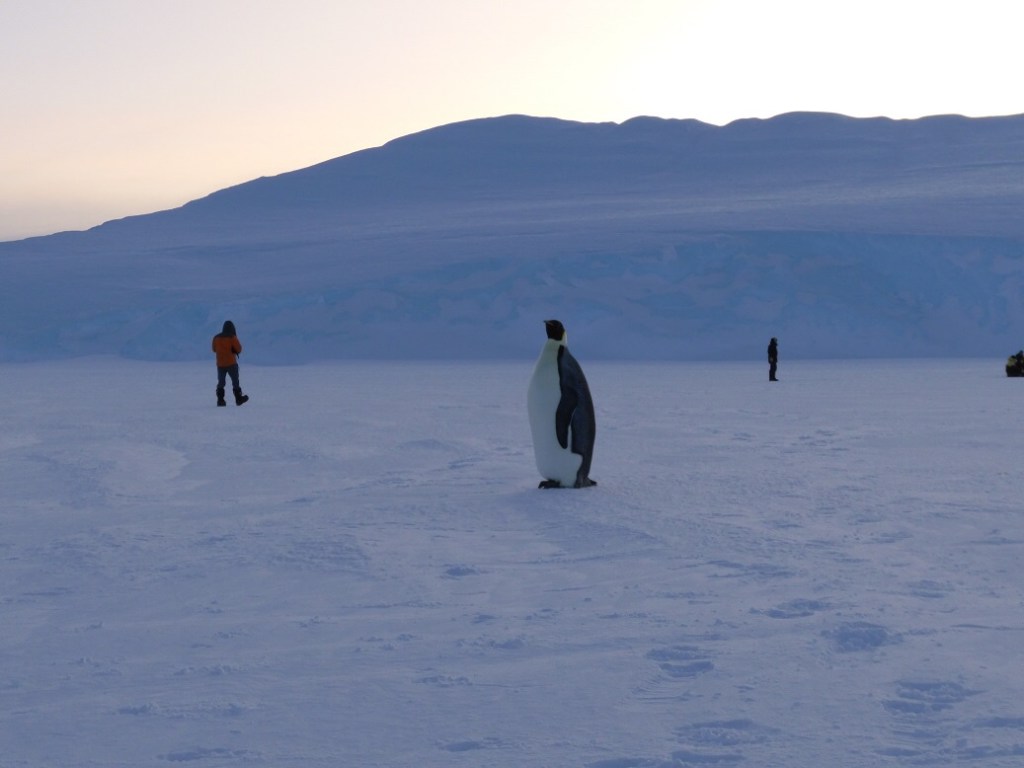
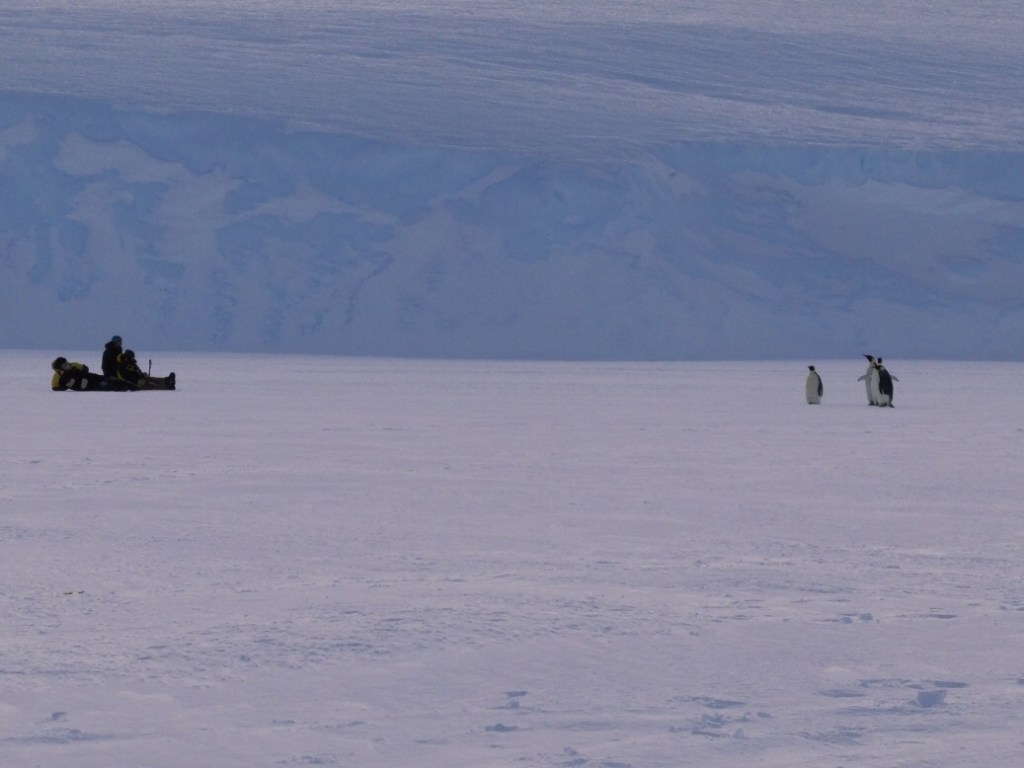
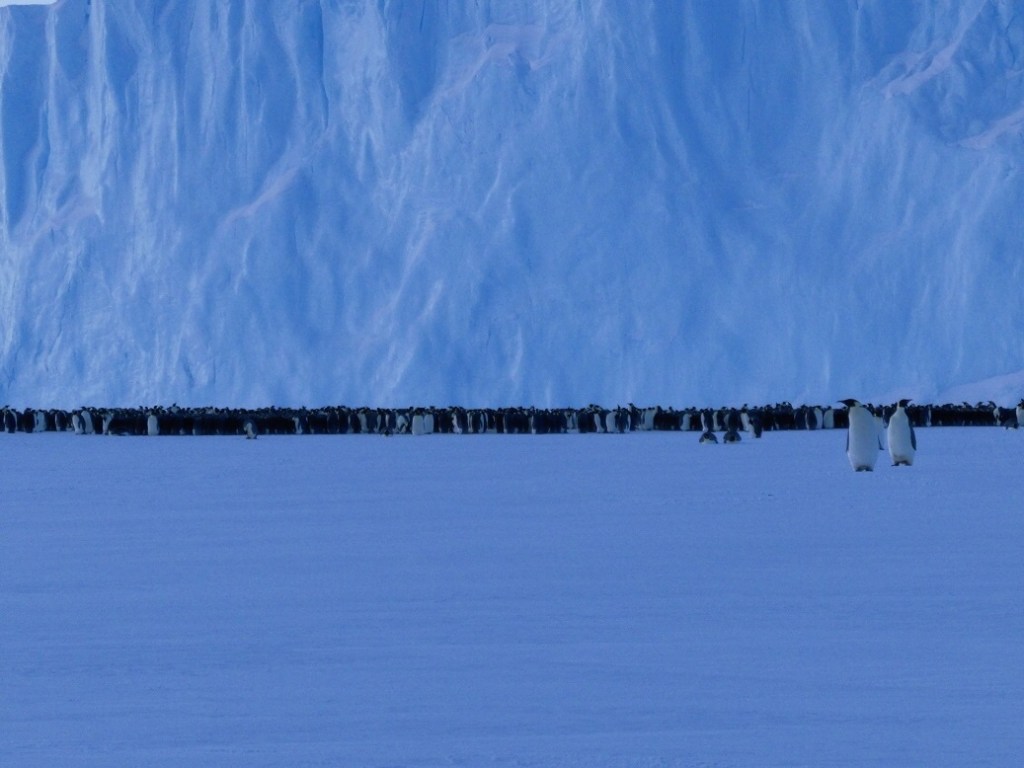
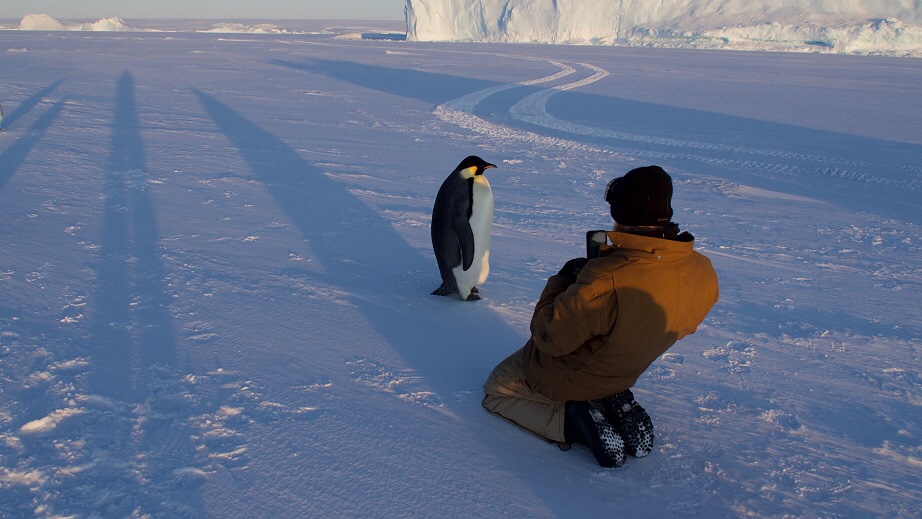
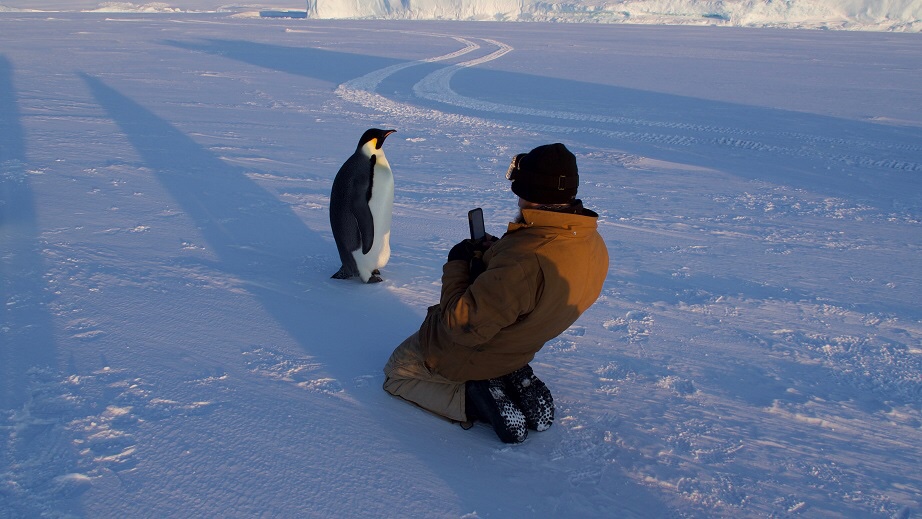
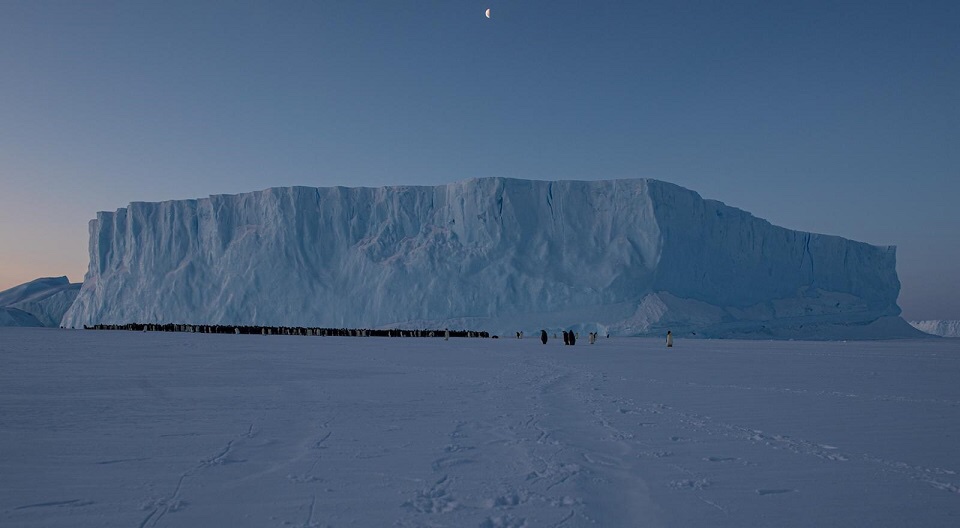
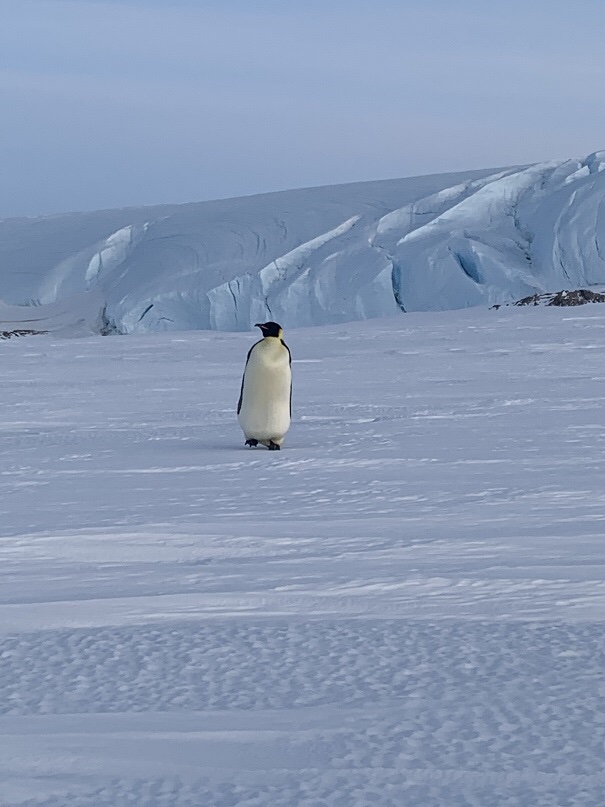
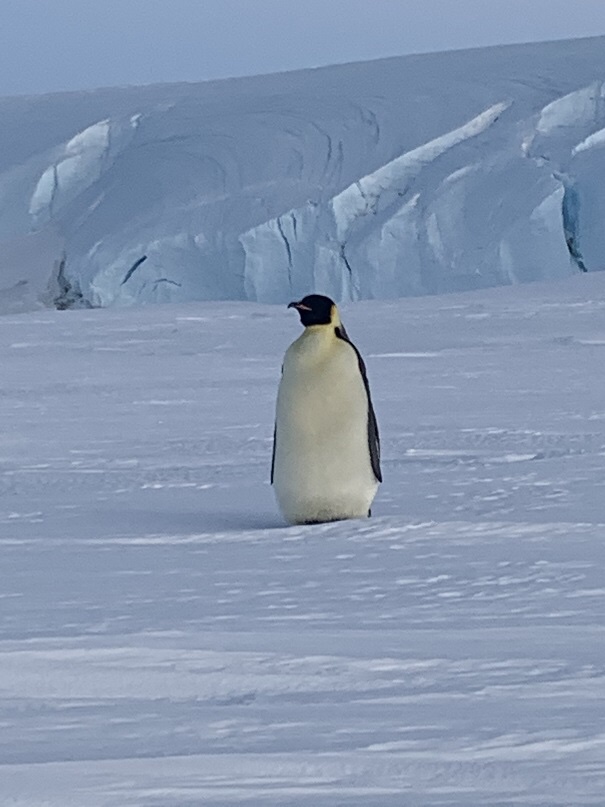
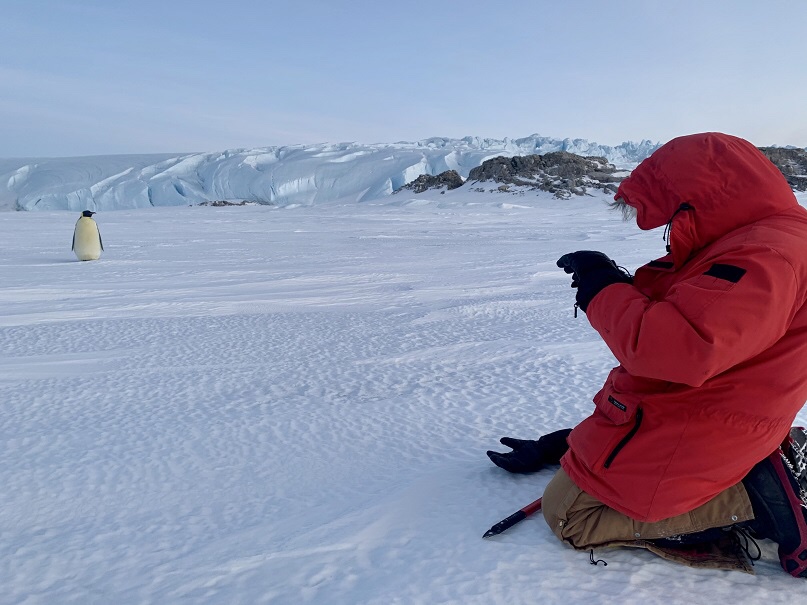
Then there’s the wildlife. I don’t think there is anywhere else in the world you can be amongst animals like this. Pretty much everywhere else animals have been forced to adapt around us and either see us as food source or a threat. Here we are neither. Here we are the guests. This makes visiting the emperor penguins especially special because they will come right up to us, literally an arm’s reach away at times. Not because they are looking for food or trying to protect their territory, they’re just as curious about us as we are of them and at places like Auster rookery we are just sitting there, on sea ice, amongst these giant, towering ice bergs and surrounded by an iconic animal in its natural habitat. So few people will ever get to experience that, and just that statement alone sums up life down here.
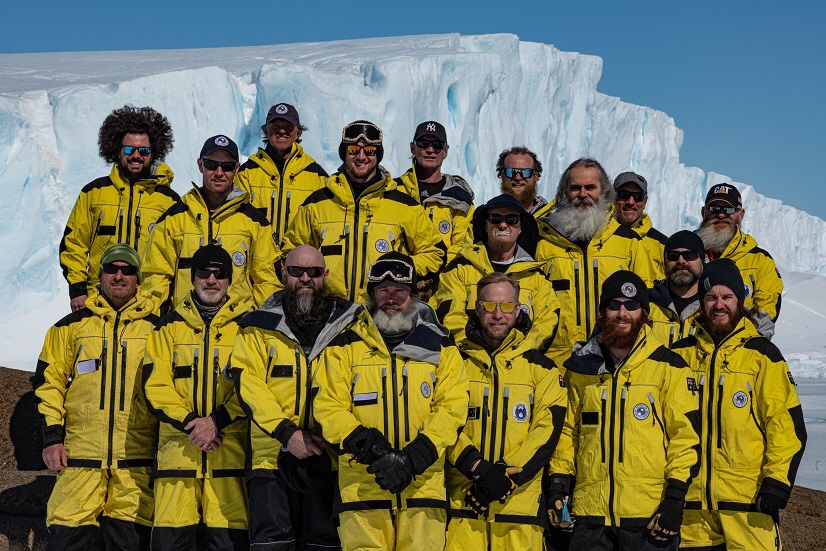
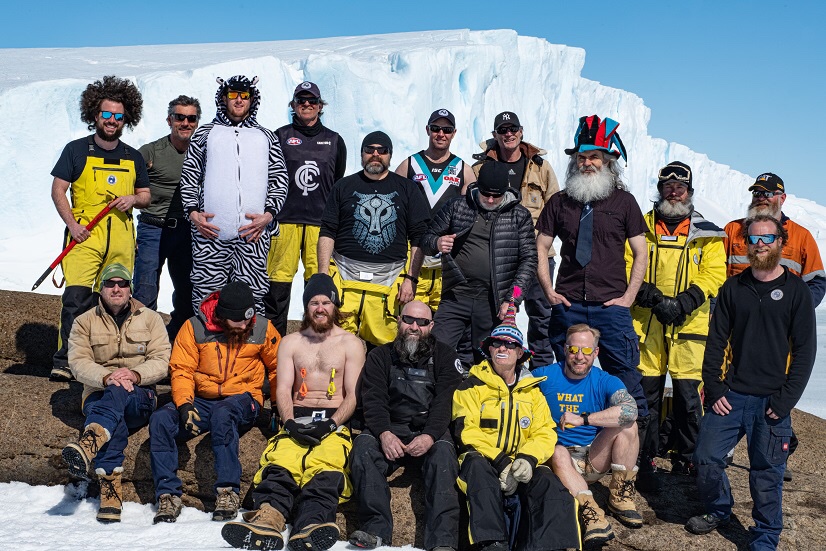
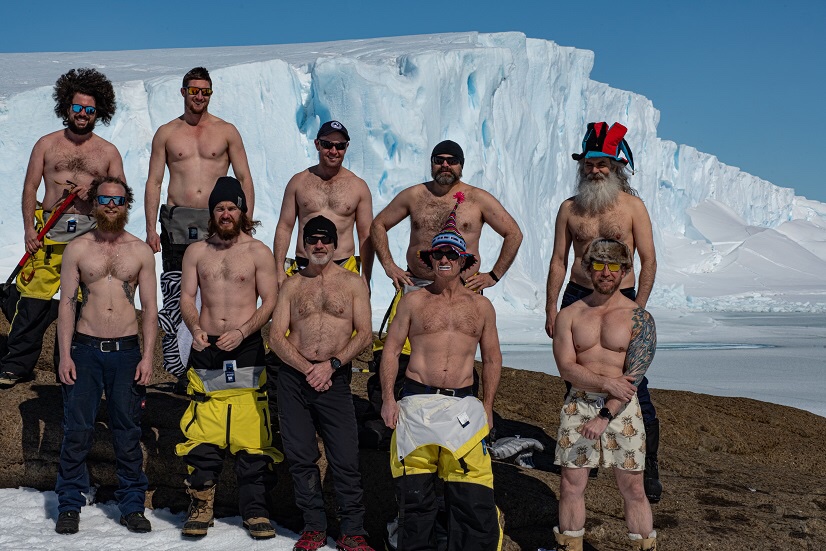
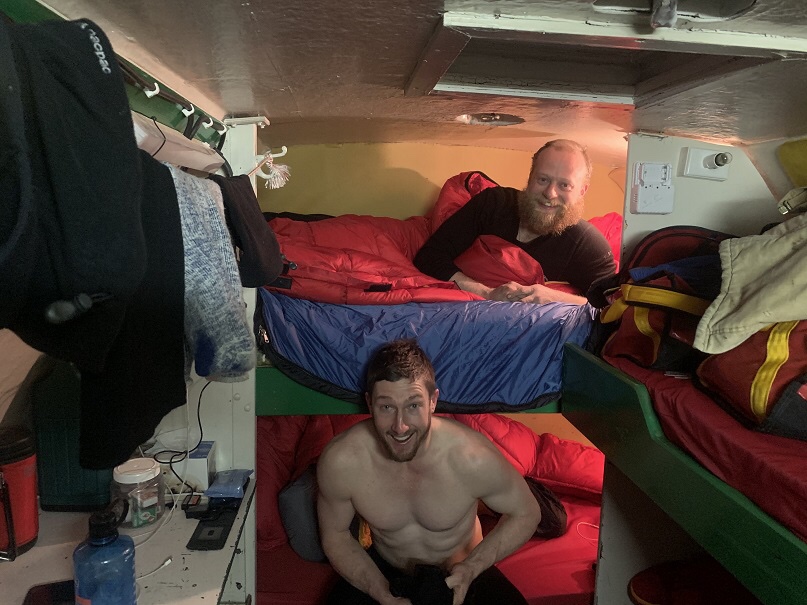
Ultimately, it’s the people we share all this with that make an already incredible experience even more so. 19 people with different professions, coming from different walks of life, squeezed together in one large red building in the middle of nowhere for a year. It definitely hasn’t been a perfect community of love and harmony, but given the length of time we are together living out of each other’s pockets and horror stories I have heard of past wintering crews, I think we have been extremely lucky. We have continued to exist and work together in a really great way and even after all this time we still enjoy just doing the basics together and the fun we have really makes the experience. You can’t leave a meal or desert or tea/coffee anywhere with out expecting it to go missing by the time you turn around. You can’t leave your phone anywhere without finding selfies of everyone else except you on it later. You can’t leave your drink unattended at the bar without having it laced with tabasco. You can’t slip up talking on the radio or anything really without being gently reminded of it for the rest of the season. The creativity and generosity of these people is incredible, it is amazing the talents people hide and it has been my genuine pleasure getting to know everyone of these fantastic people. Even just a summary like this doesn’t quite paint the full picture, there is so much more that could be added but I think its pretty easy to see how there is no ‘best bit’. Leaving will be bitter/sweet and I have no problem admitting I get a little emotional thinking about leaving this place behind. It certainly has been one of the best experiences of my life and feel extremely lucky to have been a part of it. All going well, my next update will be on the ship as I begin the journey home. So, thank you to everyone who has followed along with this experience and shown an interest in my little adventure. See you soon
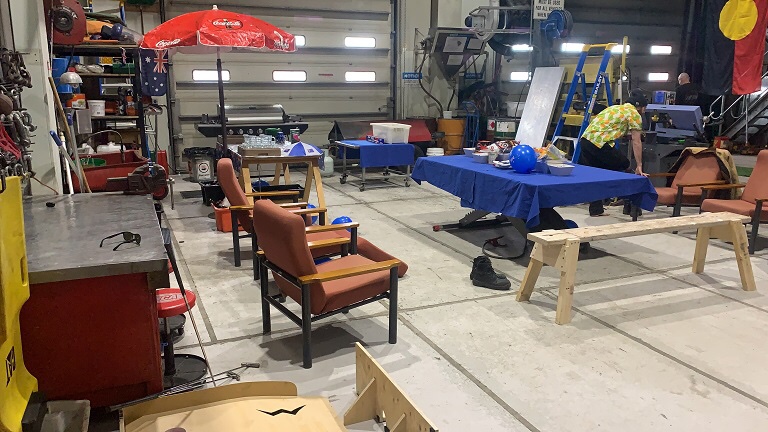
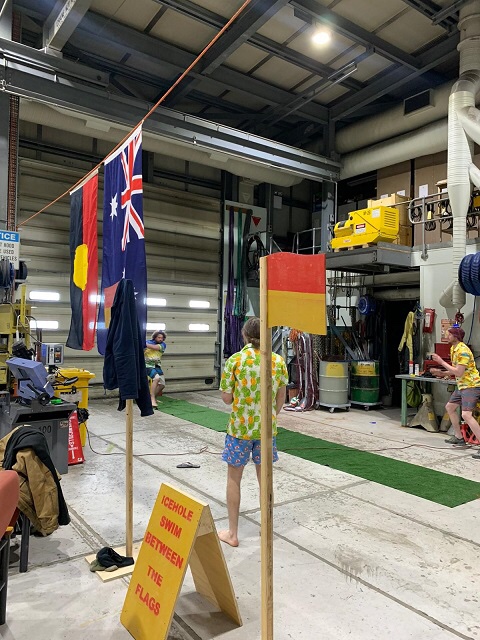
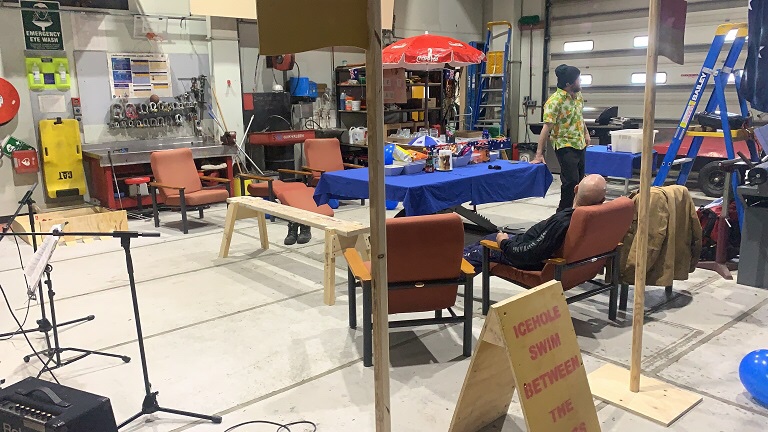
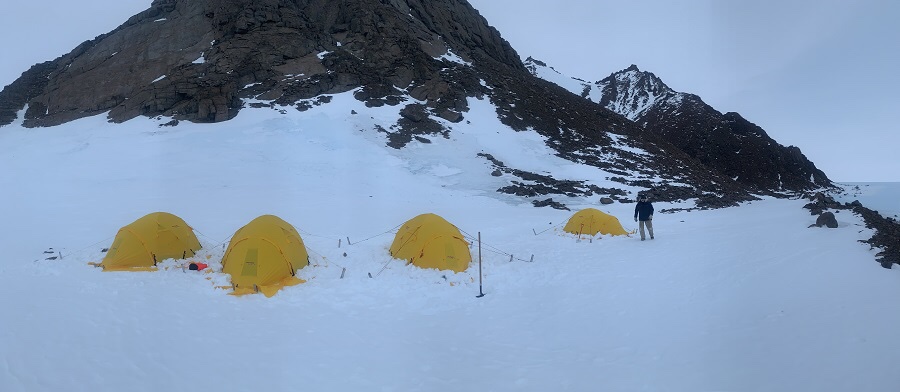
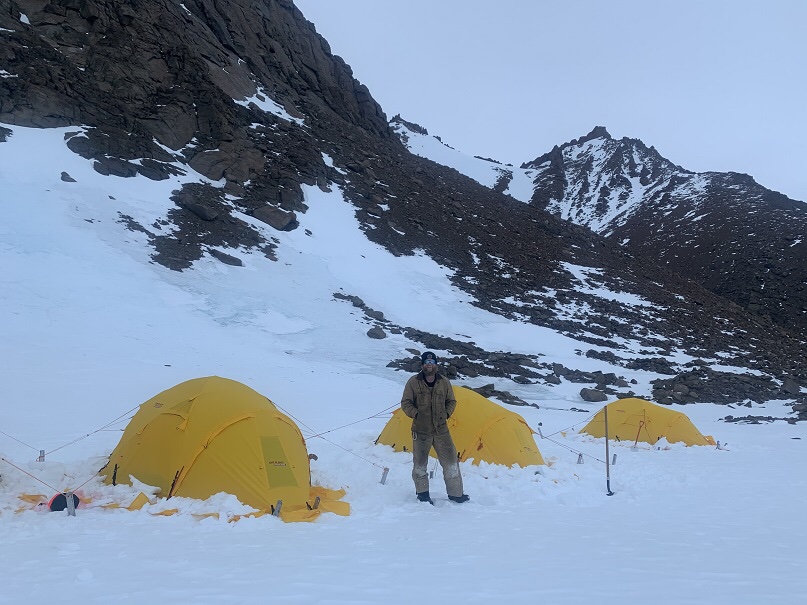
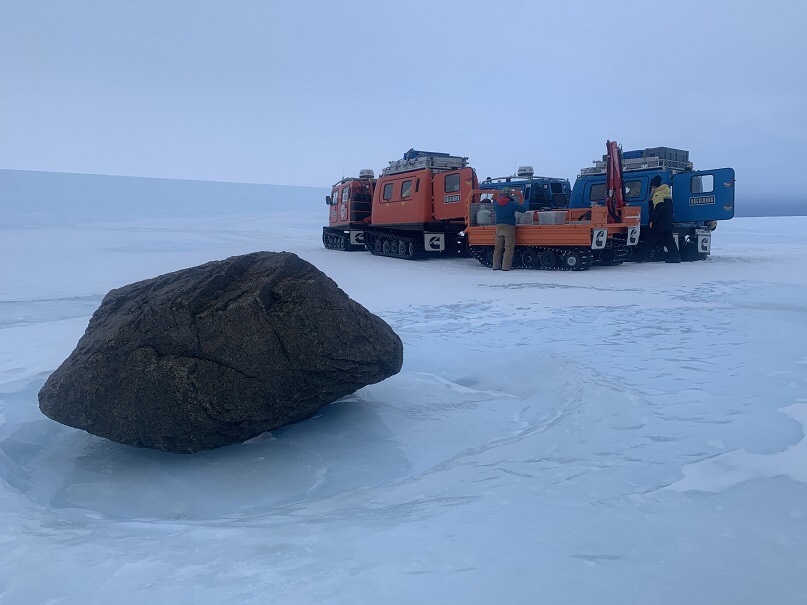
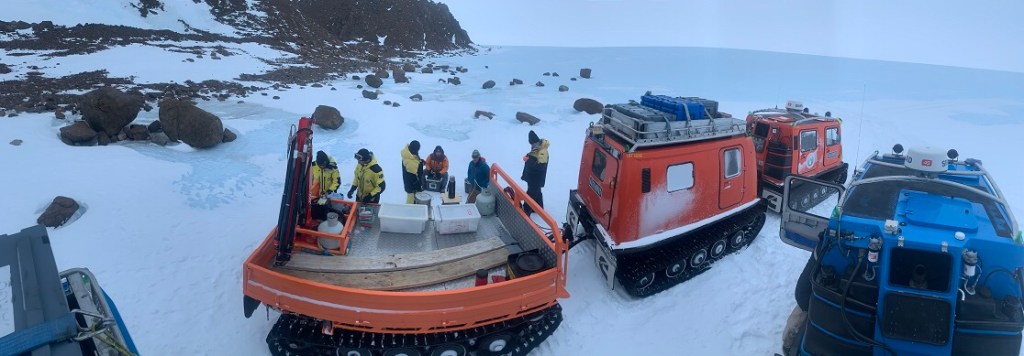
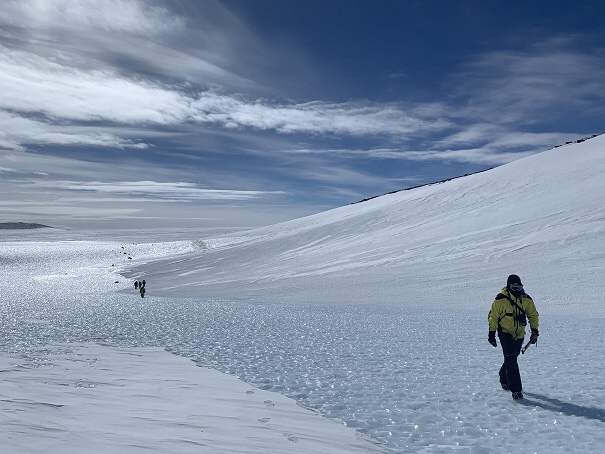
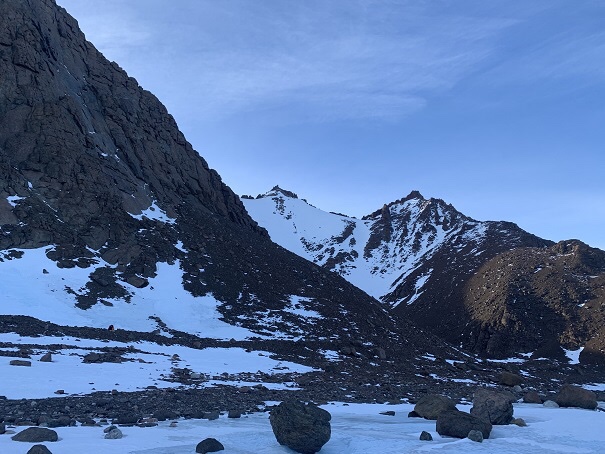
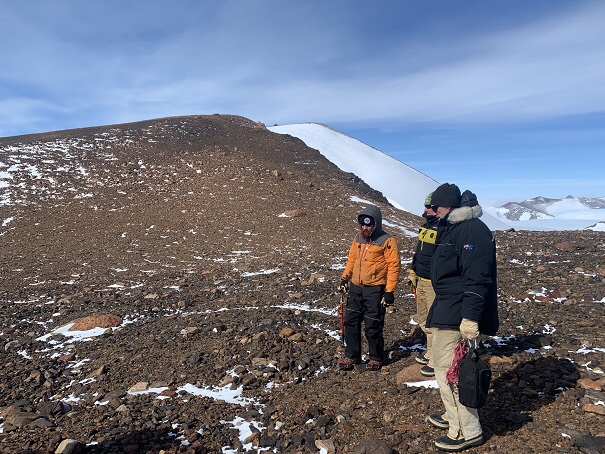
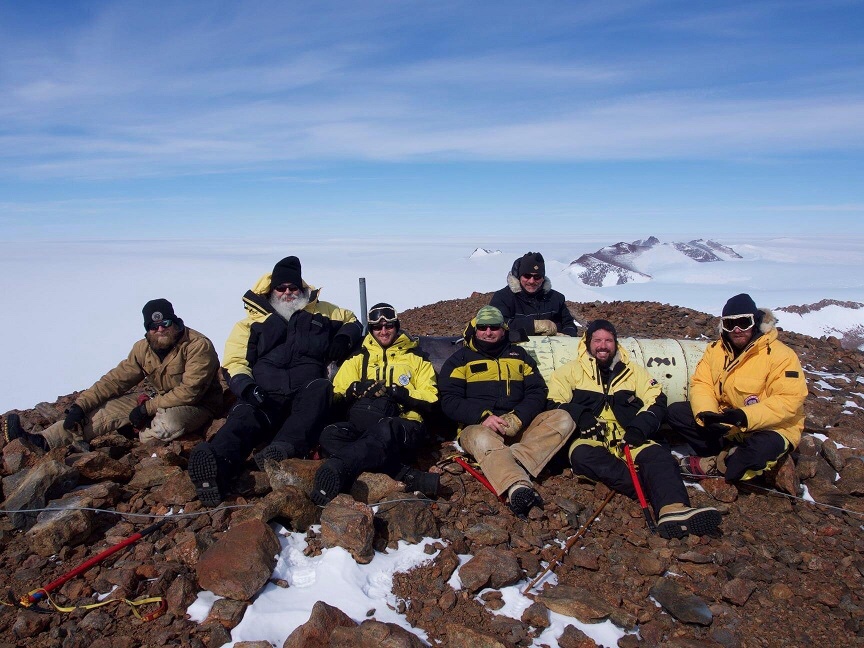
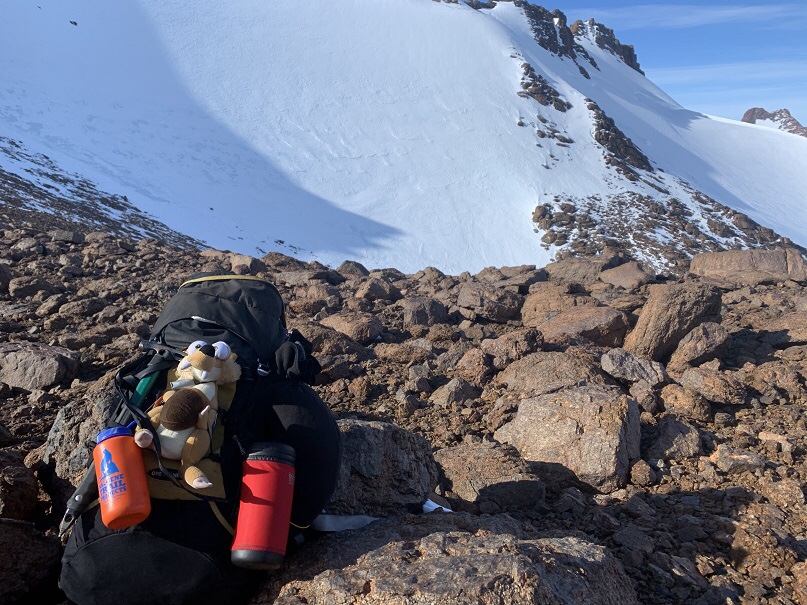
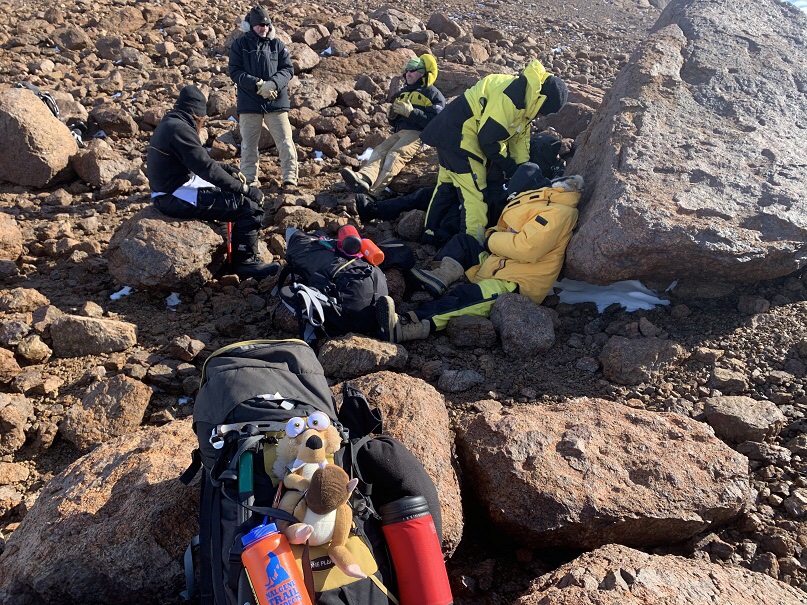
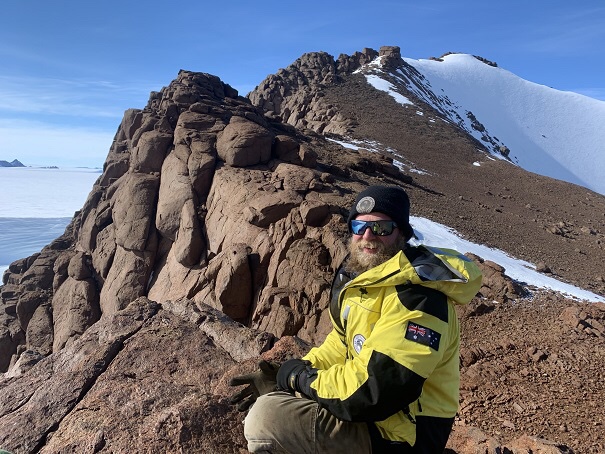
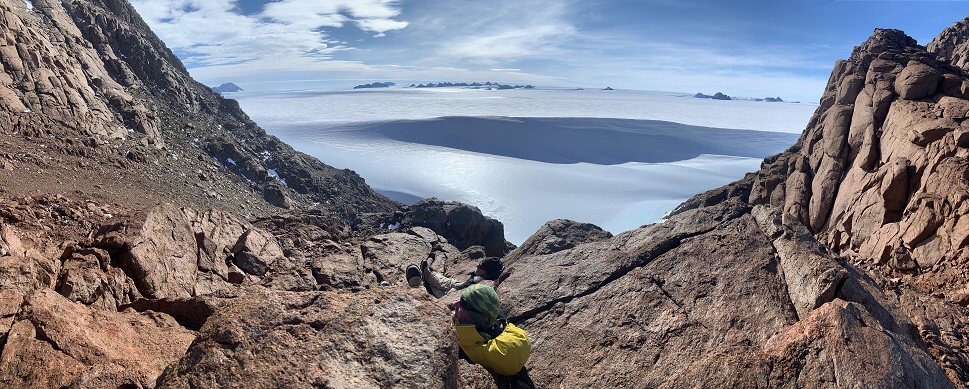
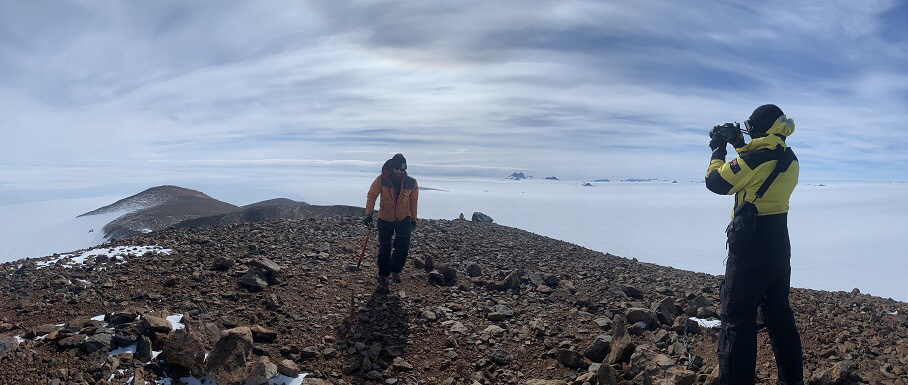
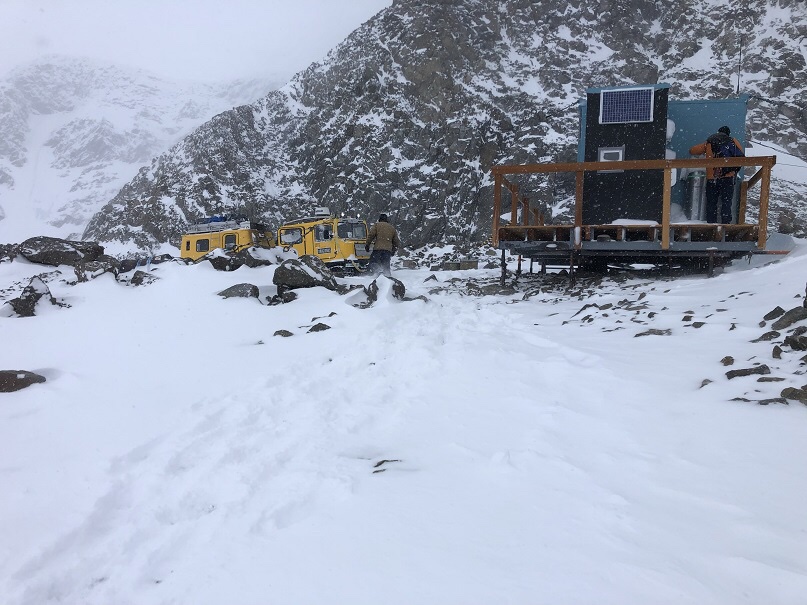
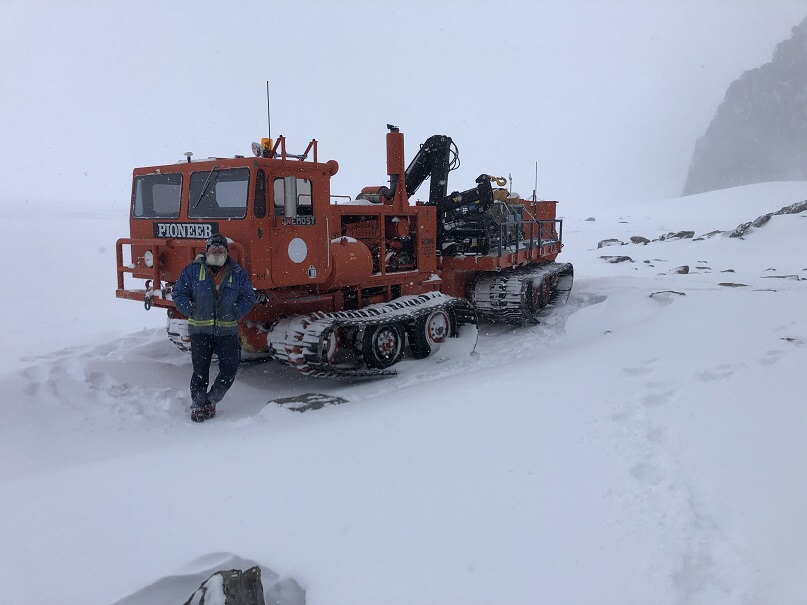
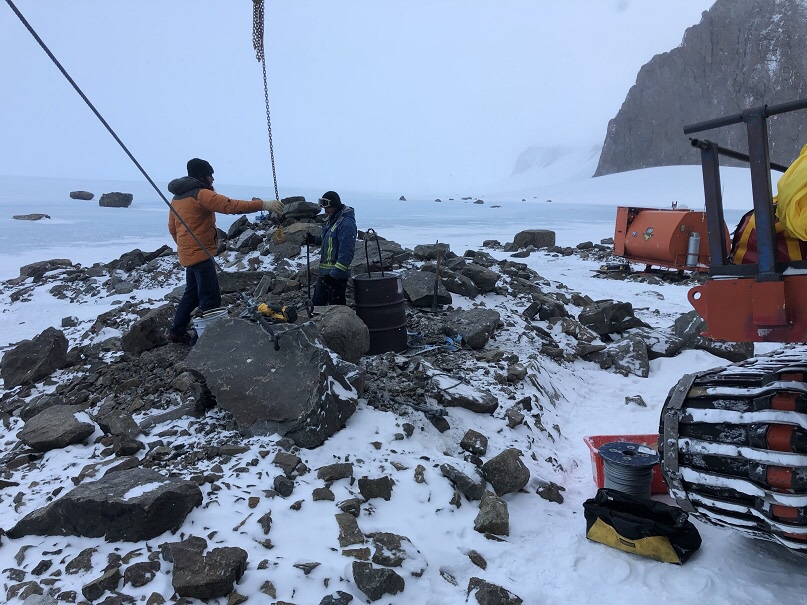
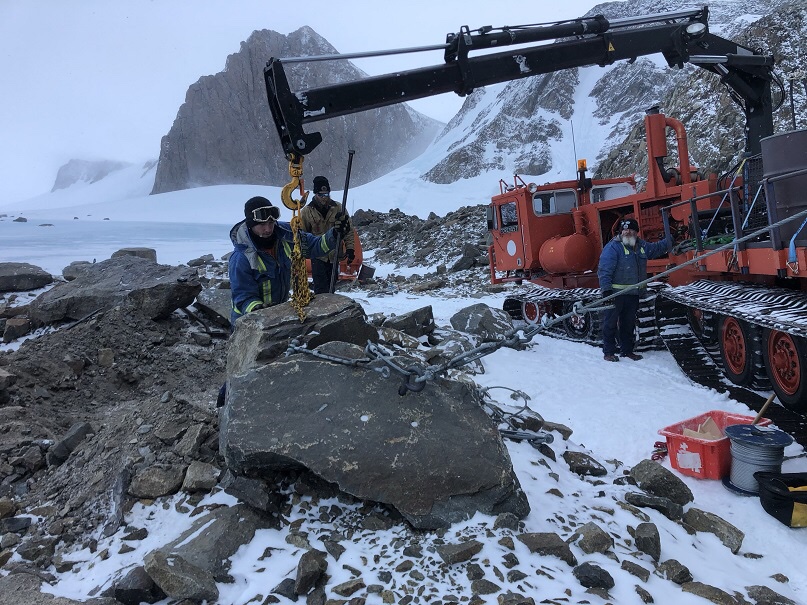
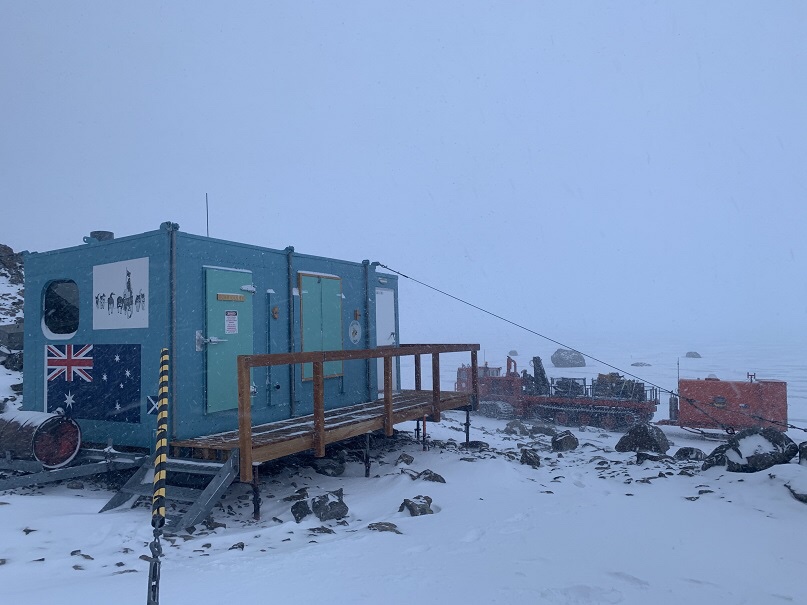
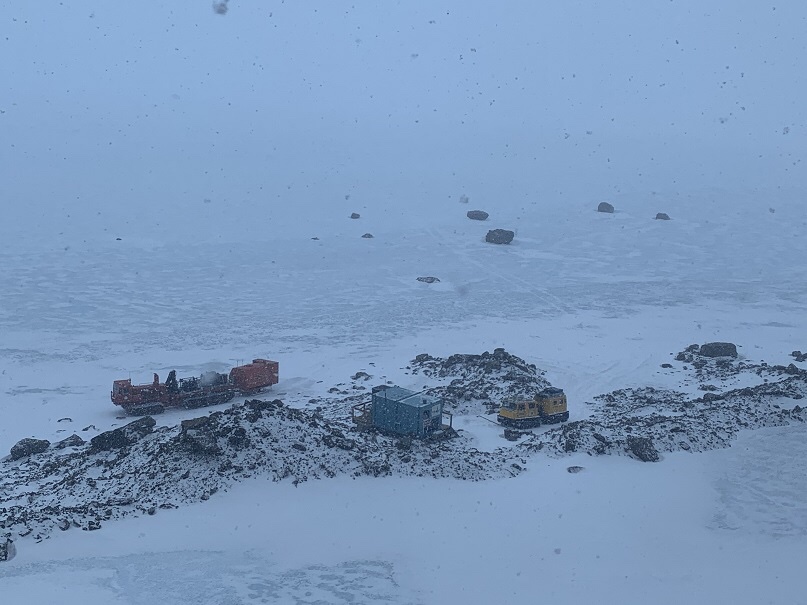
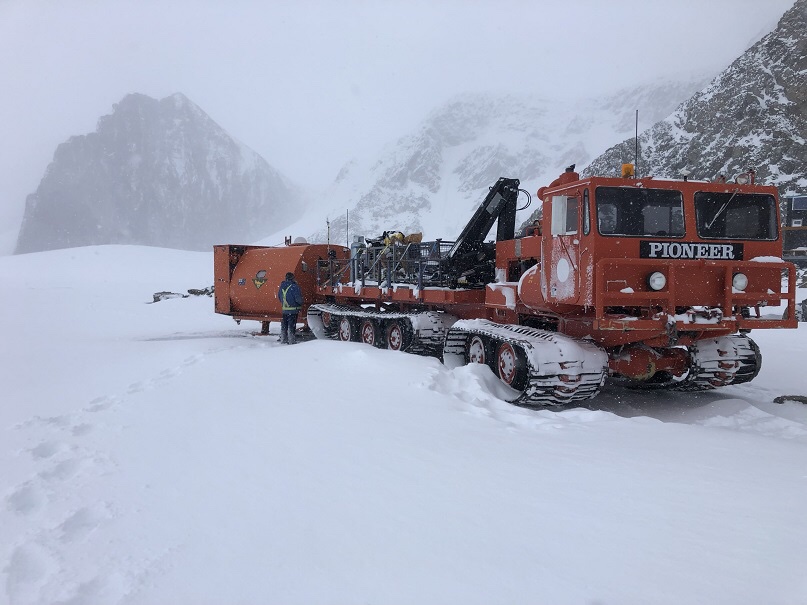
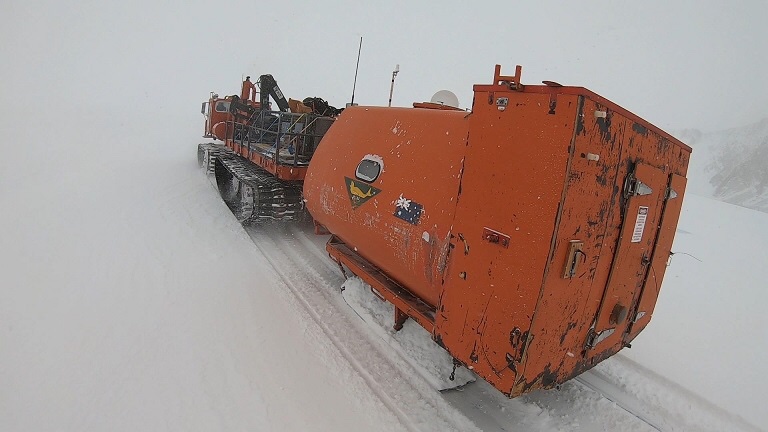
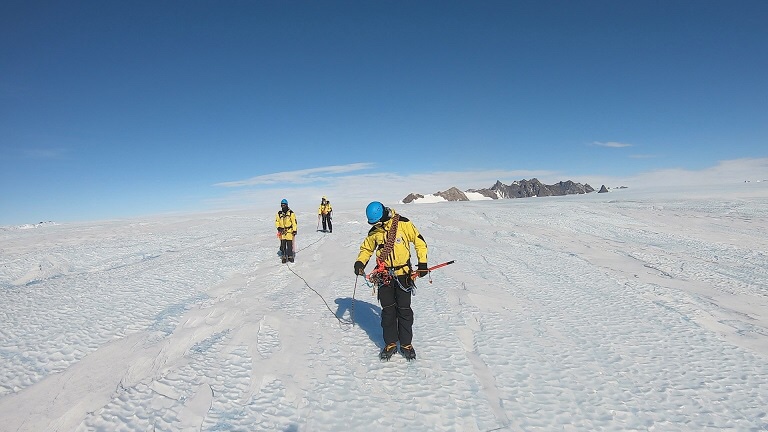
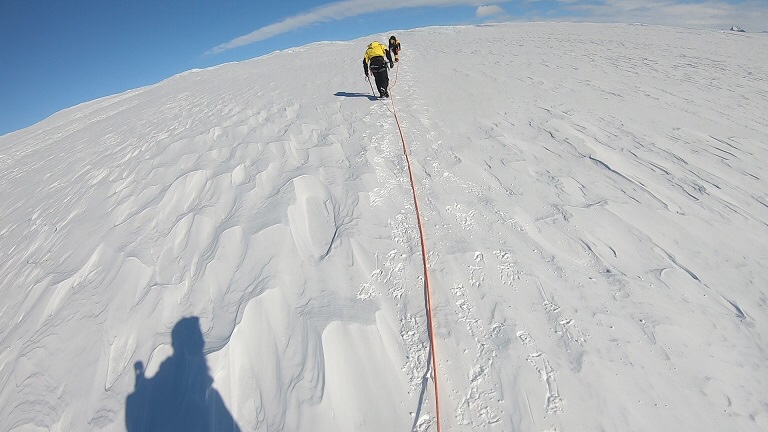
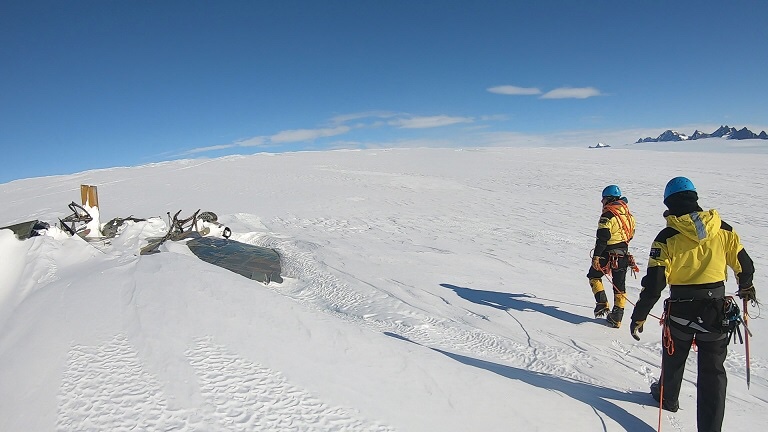
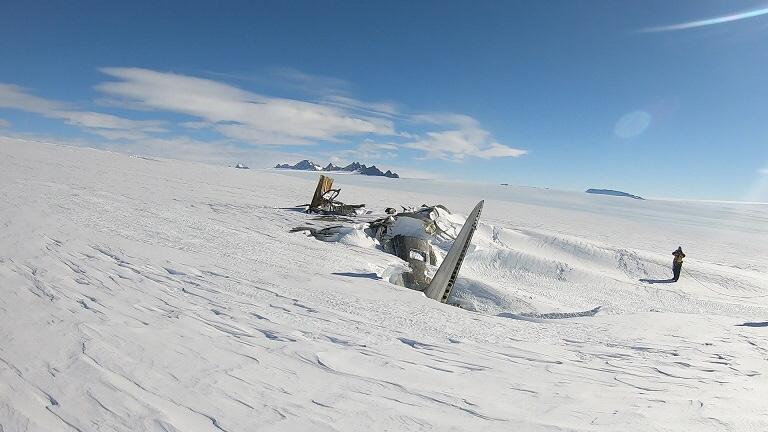
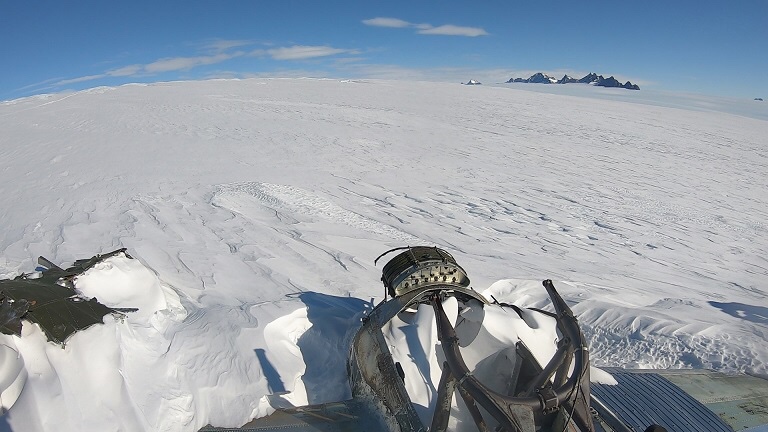
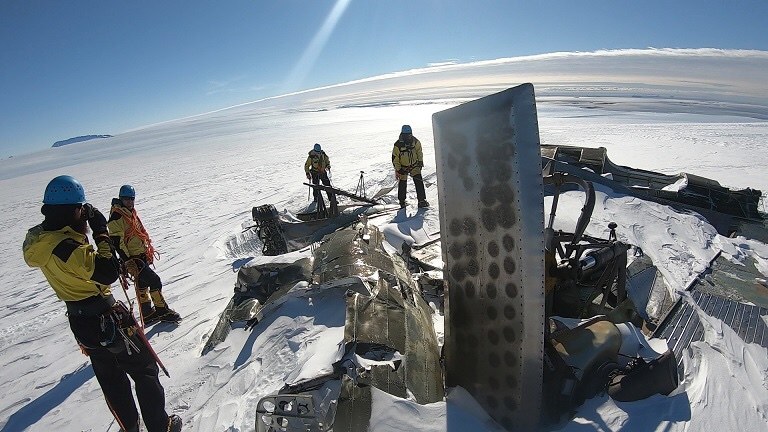
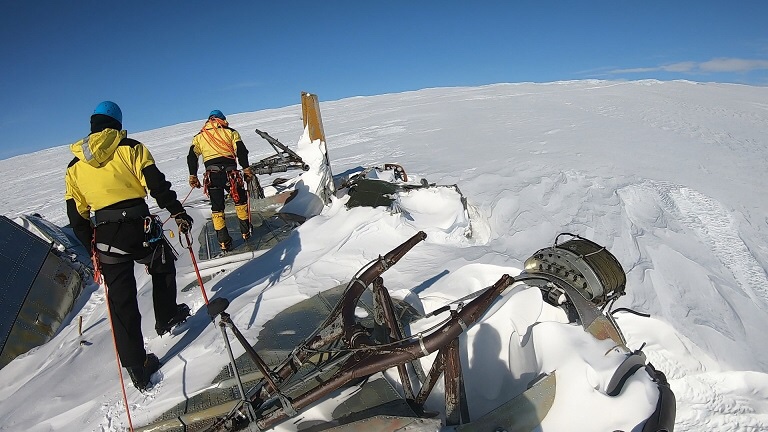
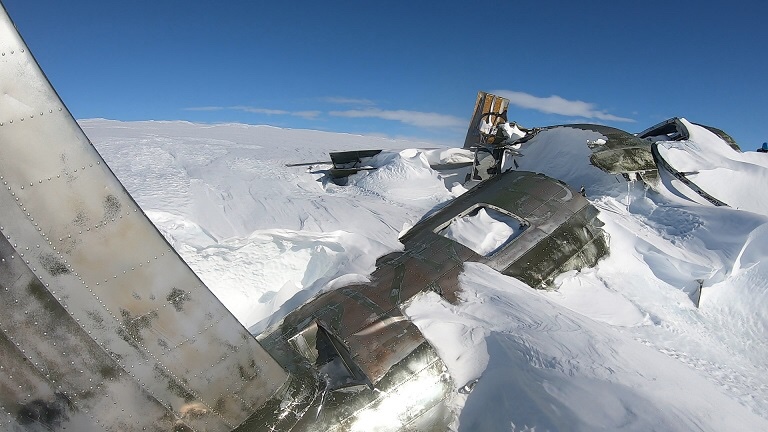
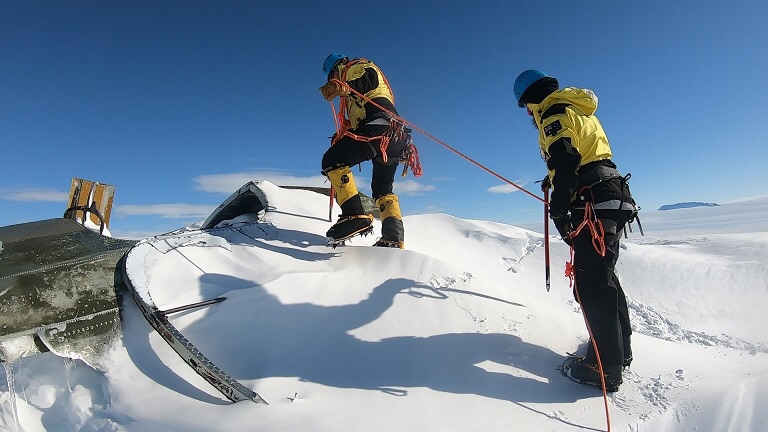
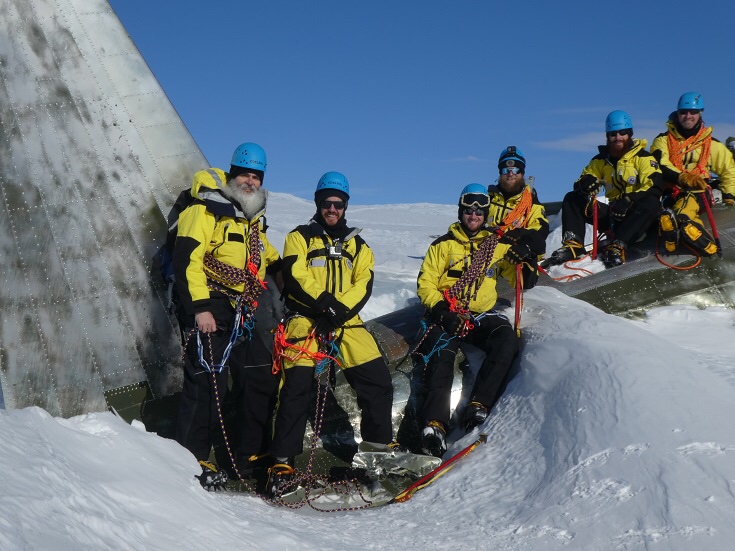
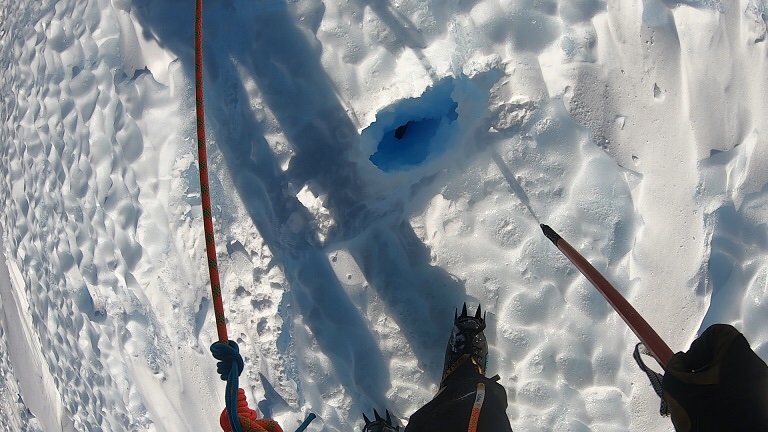
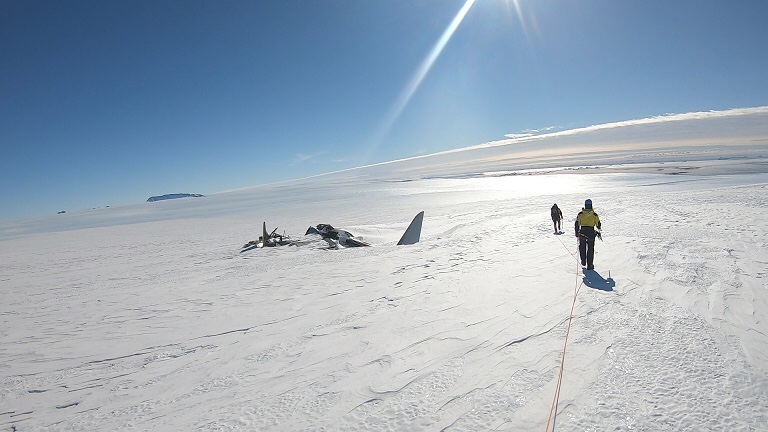
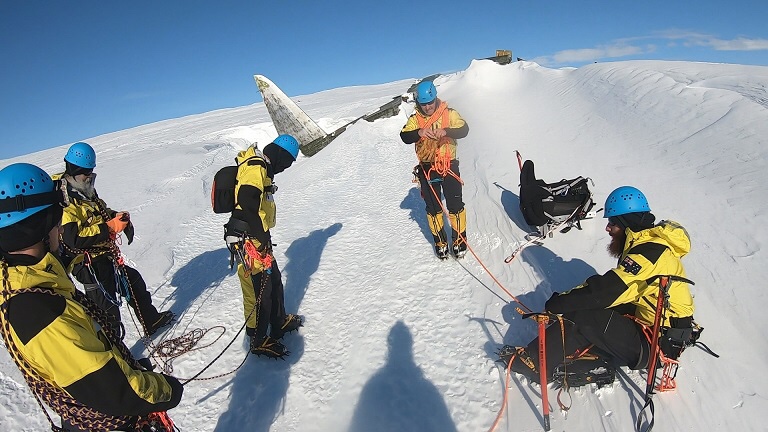
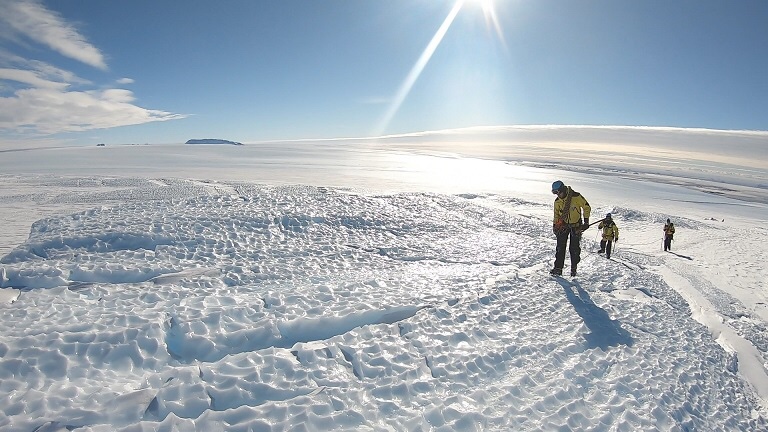
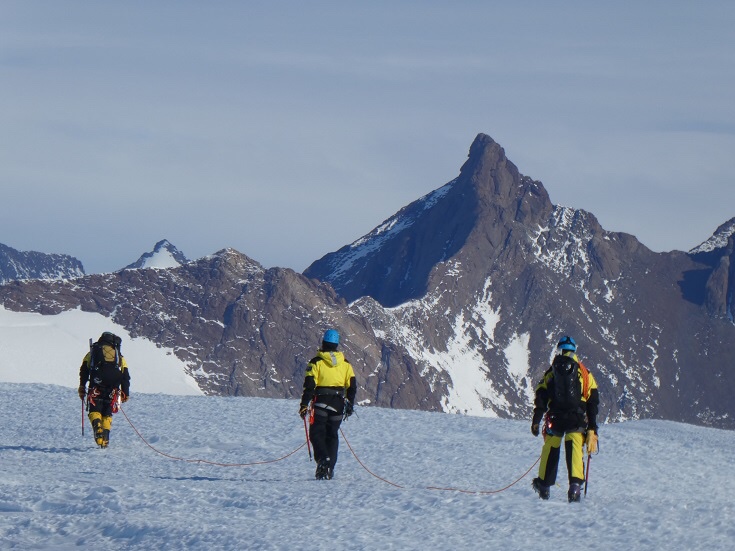
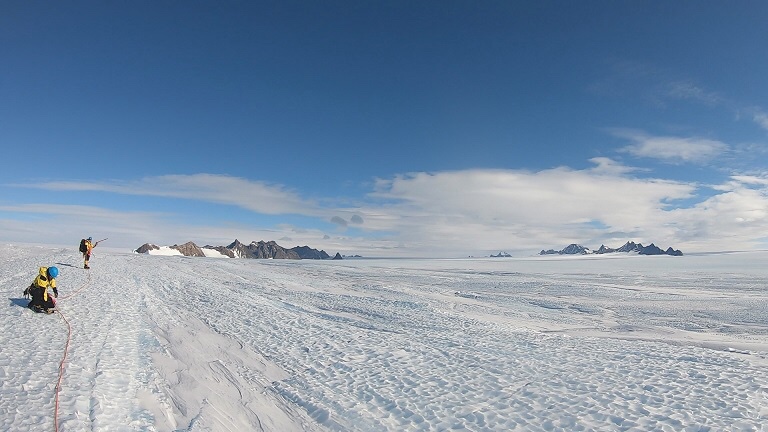
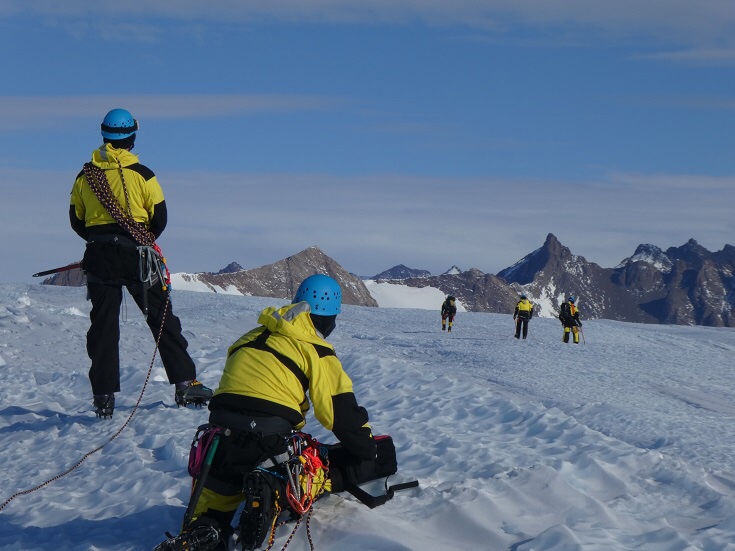
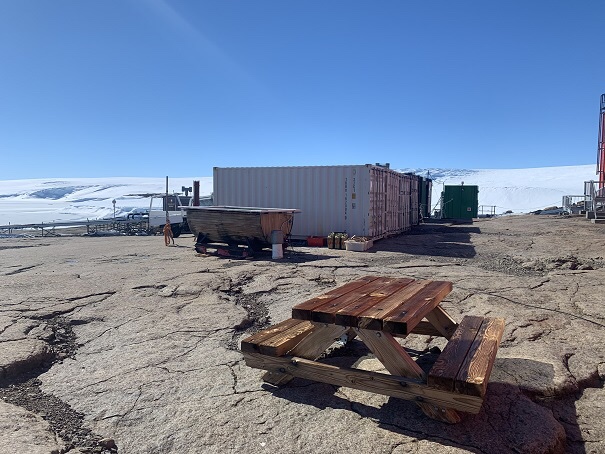
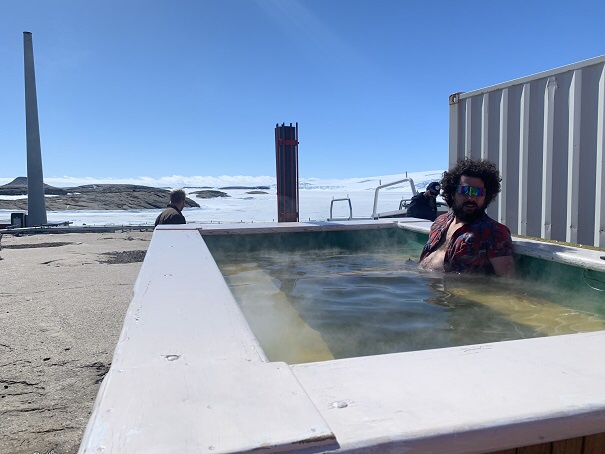
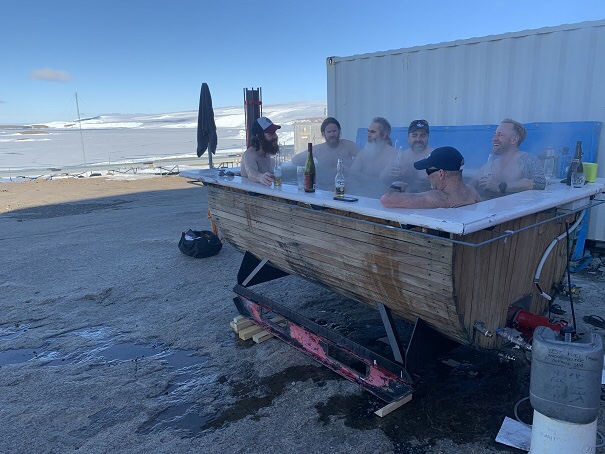
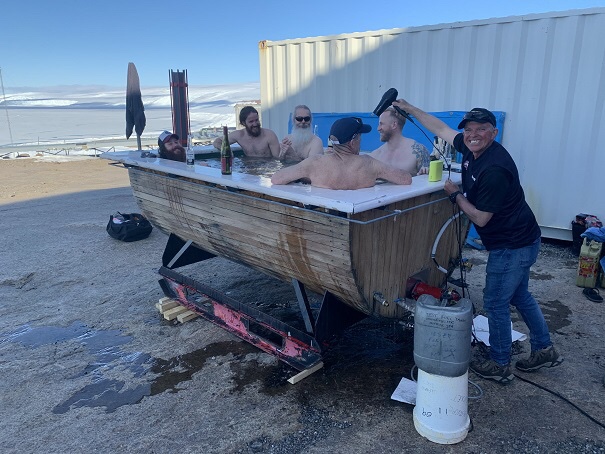
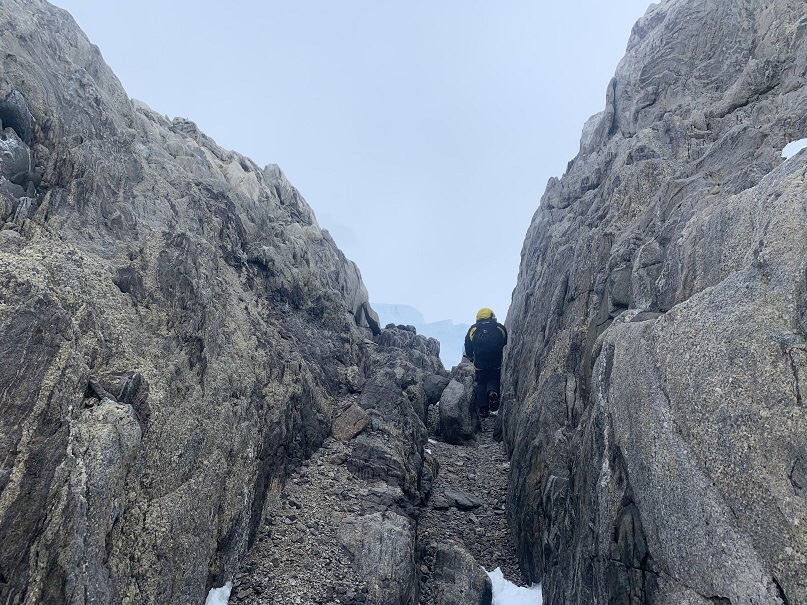
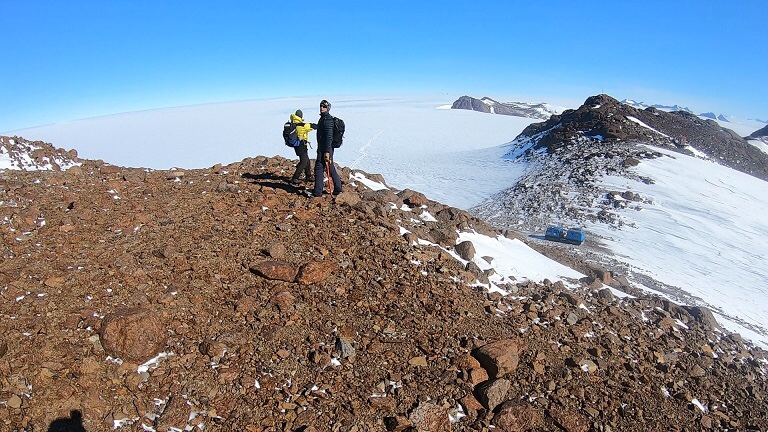
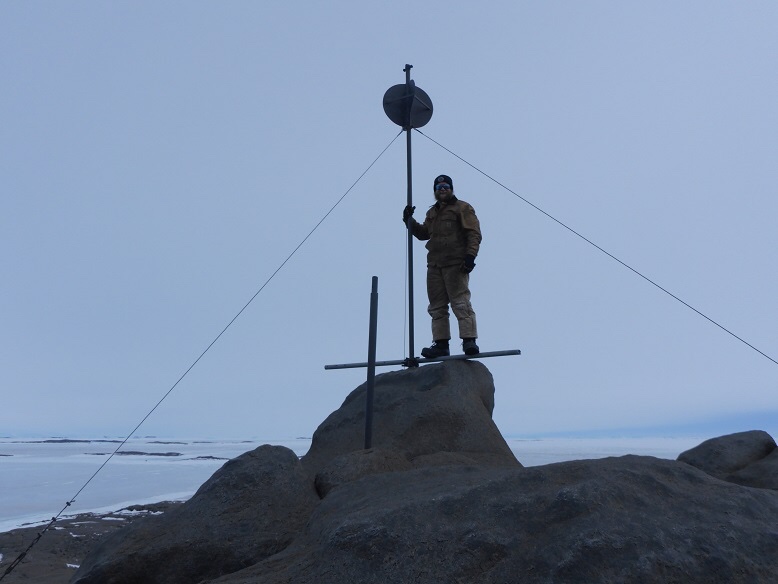
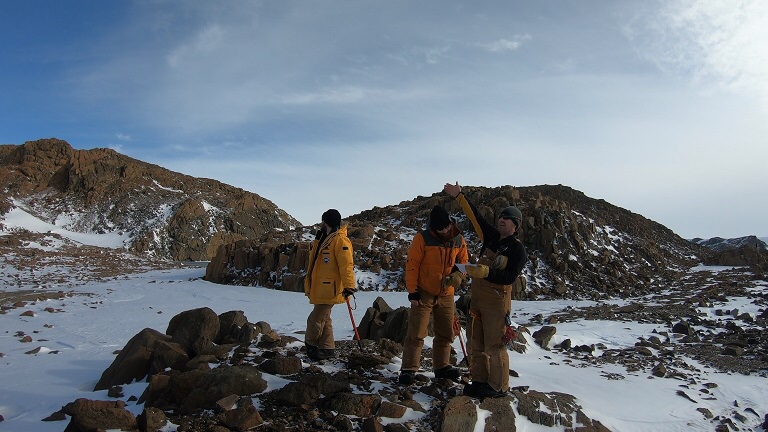
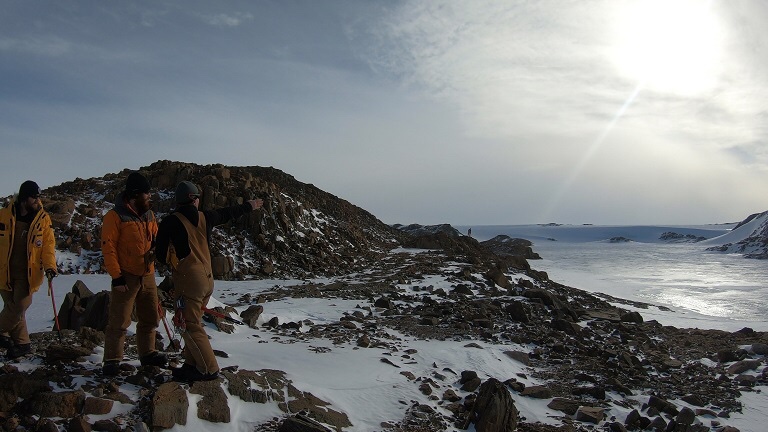
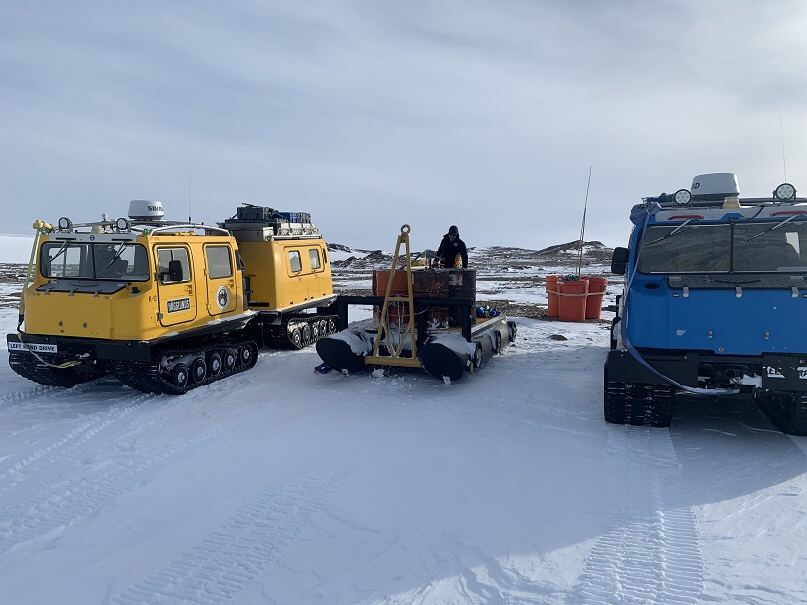
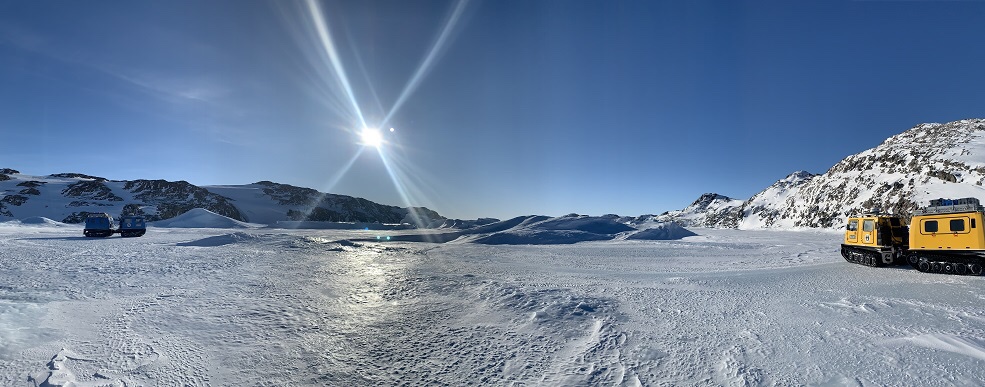
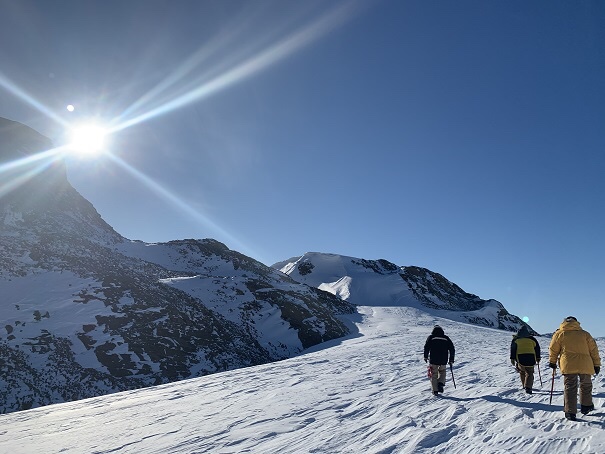
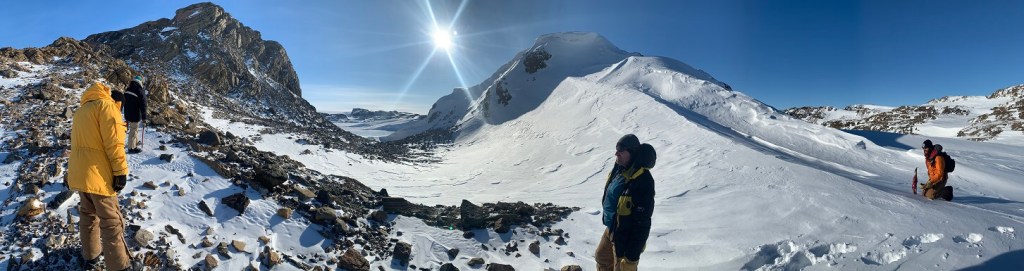
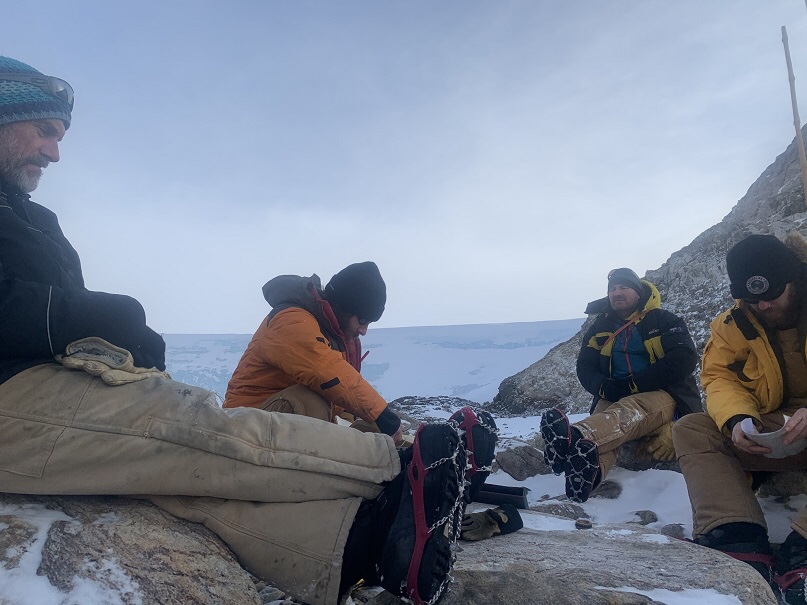
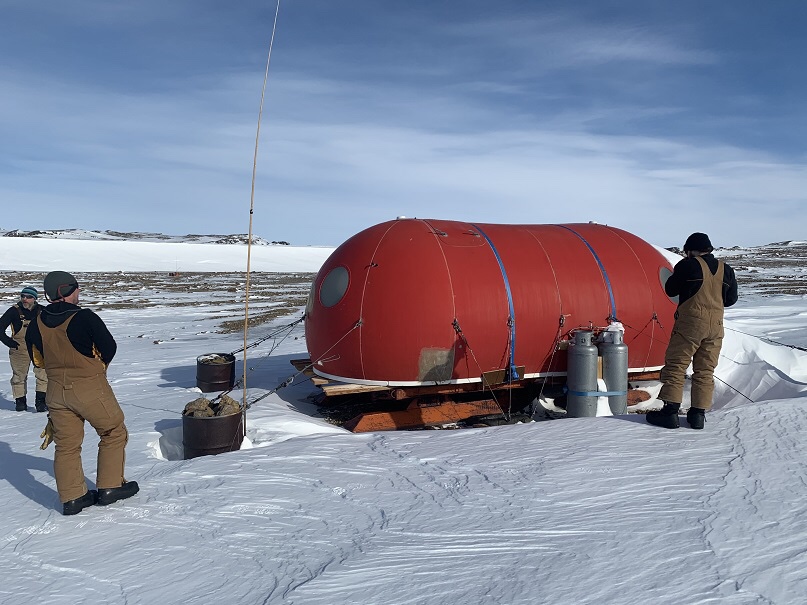
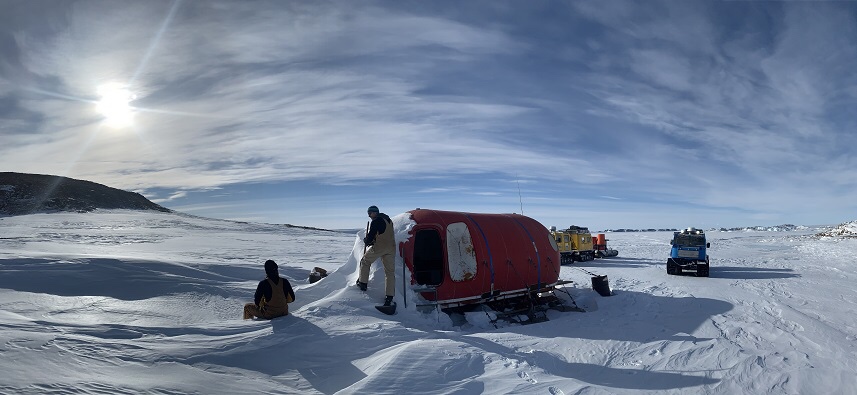
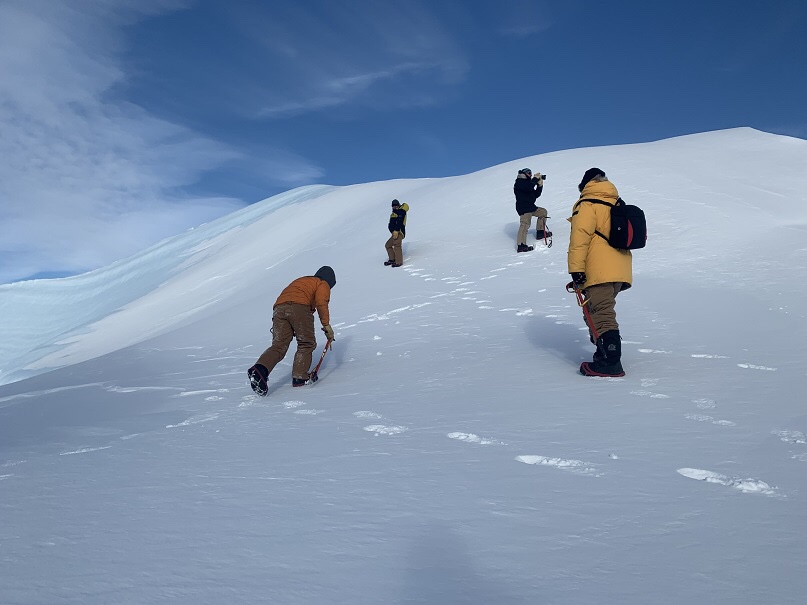
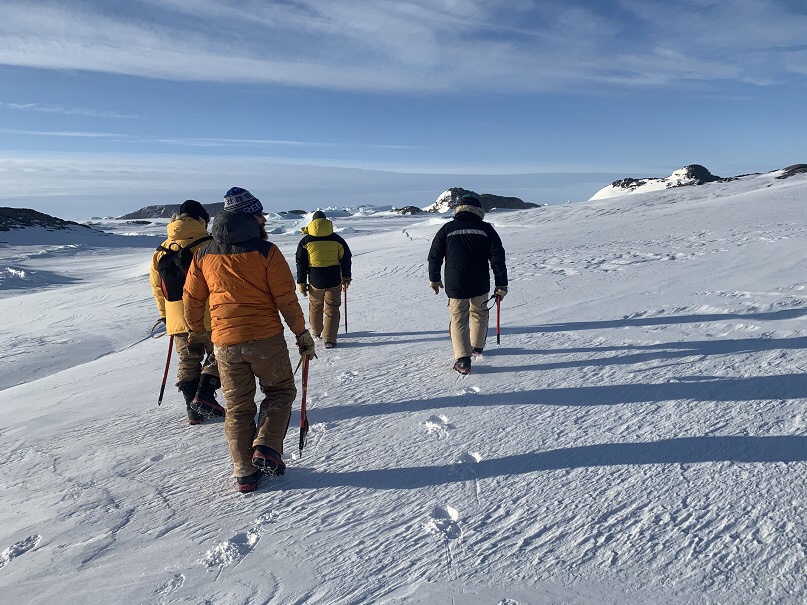
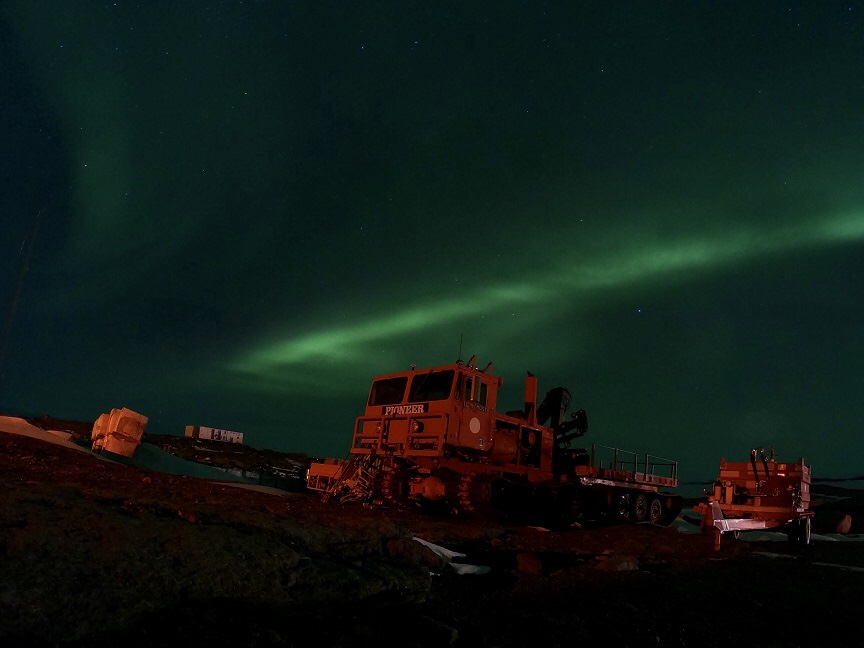
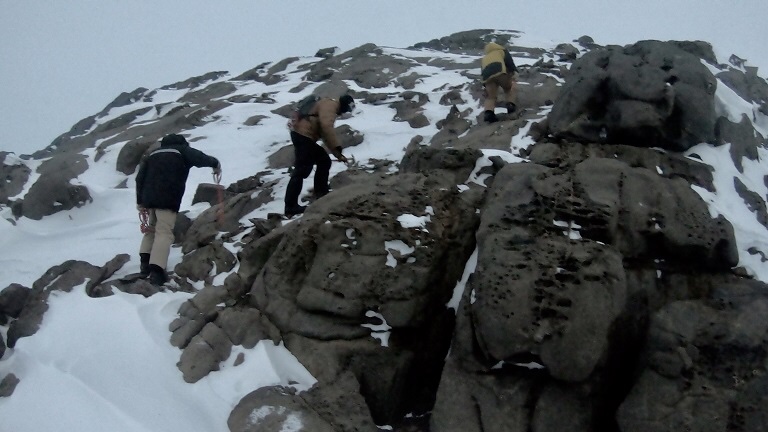
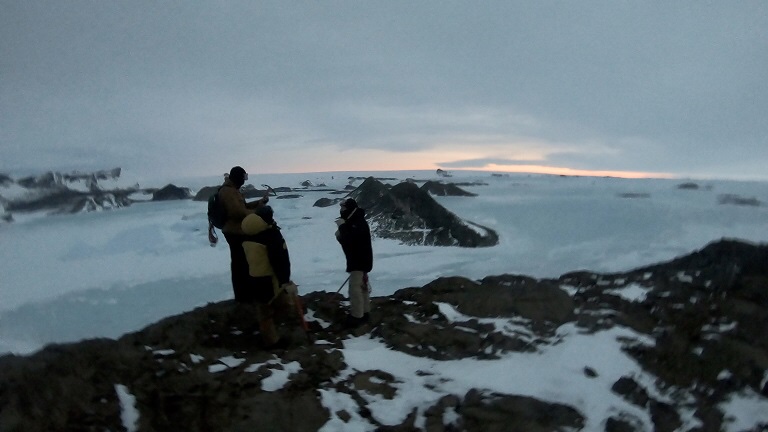
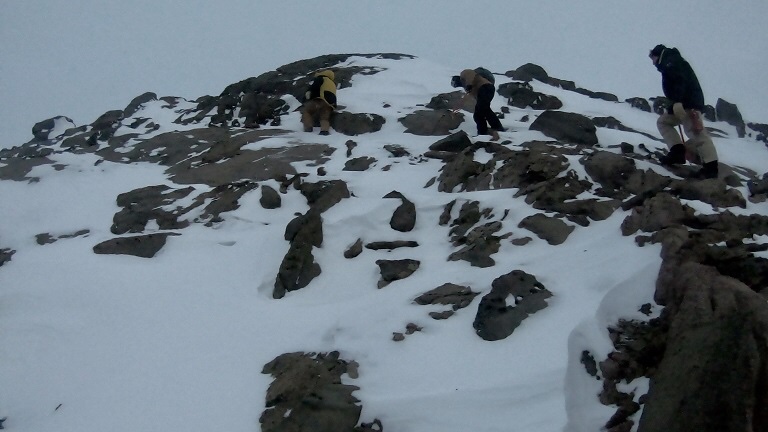
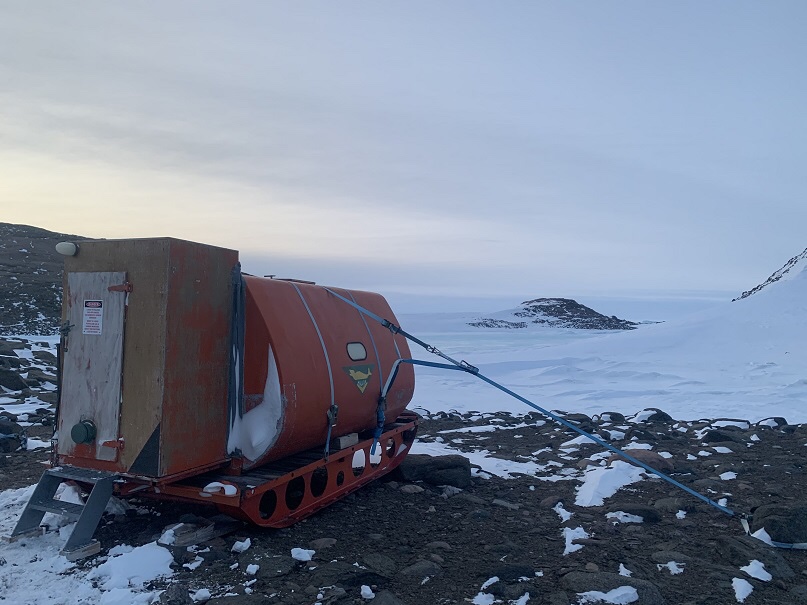
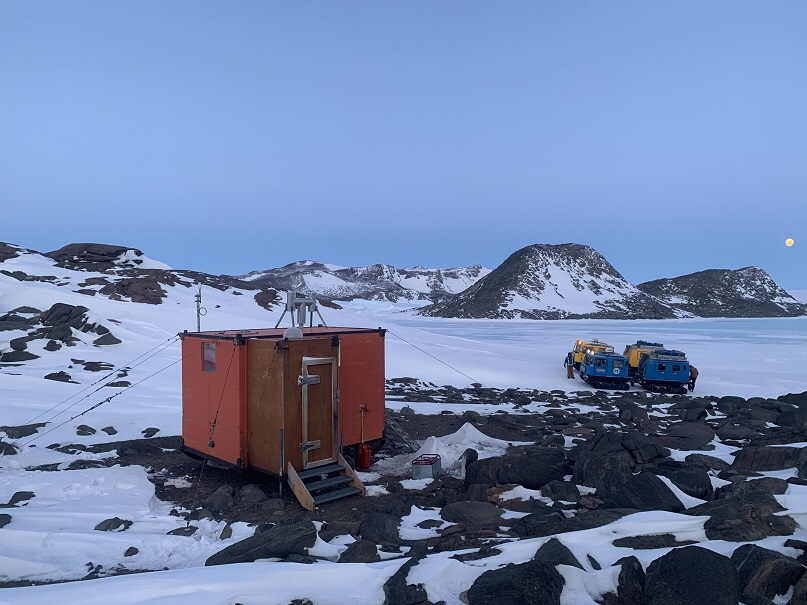
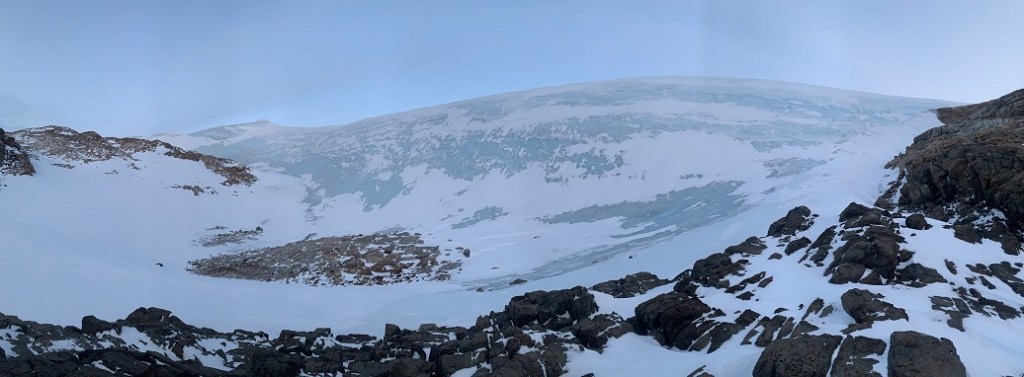
Now we are well into the new year the end is fast approaching, but we have been making good use of the time we have left. Australia Day was a nice celebration as we transferred the work shop into a makeshift beach holiday location. We played cricket, mini golf, had a kick of the footy as well as a BBQ lunch and had our portable spa set up outside which is a lovely novelty. I did have a bit of a laugh at the time as I realised how acclimatised I have become to the cold as I found I was perfectly comfortable jumping out of the spa and walking over to the power house to do Obs wearing just shorts and thongs and casually making the 100m walk over to the powerhouse. Though I suppose it was a barmy +3 degrees at the time. I have also been involved in a trip out to Mt Hordern. Just outside the station operating limits and a four-hour hagg drive away, we needed specific approval from Kingston to be allowed to go on the trip. Eight of us went, the first day of the trip was just getting there and then we set up camp in the shadow of the mountain we intended to climb. The second day the weather was forecast to be not ideal for climbing so we went off in search of a possible old fuel cache marked out there used from when they used to operate an air field in that area. We found where the air strip used to be and the spot they would have left fuel but there were no fuel drums. We walked up to the top of the mountain which was actually just a very steady walk but the summit was a higher elevation than Mt Horden. The view from the top was pretty speccy and gave us a whole new perspective of the area. We intended to climb Horden the following day, we packed up camp and drove around to the base where we would start our climb. Pretty much all the mountains down here are covered in scree sloap on the sides, which is basically small, broken, loose rock which can make walking up them a bit trickier as you try to keep steady footing and not have all the rock slide out from under your feet. Also the winds were gusting pretty high so it did add to the challenge as we were making our way up a strong gust would come and hit while we would hang on to keep our footing and not tip over and start tumbling down the hill as our field packs made us quite top heavy. We made it up to the saddle between the two peaks there was a flattened area we could take a rest and we had planned to sit there and wait for the winds to drop before attempting to continue up further. We sat up there for almost two hours, either huddled together sheltered behind large rocks or making our way over to the other side of the clearing to sit in the sun and look at the amazing view. Unfortunately, the winds did not really drop enough for us to think it would be safe to continue to the summit and with still a four-hour hagg drive home we decided to make our way back down and begin the journey home. Was unfortunate to not make it to the summit but a couple days off station, especially camping out in tents down here is always a great experience. A couple weeks after this I took a group out to Rum Hut to retrieve a portable RMIT (Royal Melbourne Institute of Technology) Hut to bring back to station for some repairs and so next year’s crew can use it for a couple projects they may have on. I had been looking forward to doing this trip most of the year because it offered a chance to take the pioneer out for a drive on the plateau. In the couple days before heading out on this trip Dave (our plant operator) and myself went out to collect some old fuel drums and empty drums that used to be used as waypoint markers. We stopped at Rum just to drill the melt lake in front of the hut just be sure the ice was good enough to get the pioneer across without breaking through. I have been trying very hard to stay off the ‘Wall of Shame’, a wall in the bar with photos of hagg breakthroughs and other operating mishaps. Five of us went out to collect the hut, taking one hagg and the Pioneer, visibility was pretty low so the trip was very slow but we arrived with no issue. The two chippies on the trip also had to correct some of the main hut anchors and the hut itself had been shifted by strong winds. The plan was to use the anchors holding down the RMIT to strengthen the hut, we used the crane on the pioneer to move the concrete anchors and then place them so the chippes could add them to the hut supports. That all went pretty smoothly. Next we had to pull the RMIT backwards, turn it around and then connect it to the Pioneer. This did not go quite as smoothly as I had planned. The hut was a lot more ‘back-heavy’ than I had anticipated and kept wanting to tip over. Thankfully with a good bit of team work and brainstorming (and no small amount of “oh please don’t let this go bad”) we were able to get the hut out and hooked up ready to transport the next day. I was pretty happy to chill out, have a couple beers and dinner after all this. Even though we had low surface and horizon definition, all though this job we had big, fat, steady snowfall which was actually really nice and definitely gave off some real ‘working in Antarctica’ vibes. Transporting it all back the next day all went pretty smoothly and everyone seemed to enjoy the trip – it certainly was one of my favourites. The latest trip was heading out to see the wreckage of an old Russian air craft. It never actually crashed – in the 50’s it tried to take off from the plateau but one of the skids broke through some crust in the ice, damaged the plane and was unable to take off. Before it could be repaired a storm came through and flipped it over, further damaging the plane. It was then abandoned and is now slowly travelling with the glacier out to sea. It used to be in a very safe area but now as it continues to travel it has moved into a crevasse field. So, to head out there we had to do a bit of a crash course in glacier travel and those of us in SAR (Search and Rescue) team had to go first and do a slightly more intensive bit of training before groups could start heading out there. We practiced roping up and rescuing each other here on station before going out. There was six of us in the first group so we roped up in two groups of three and it was about an 800m walk from where we left the haggs to the air craft. There were visible cracks around us mostly filled with a layer filled with snow and mostly not big enough to fit a person down but that still didn’t stop a small sudden moment of panic at times where you could hear a change in note in the snow and ice under foot. It was the perfect day for it, clear skies and barely any wind. We hung out there at the air craft for almost an hour, climbing over it and inspecting as much of it as we could that wasn’t currently buried in snow. The journey back we took a little more time, enjoying the opportunity to stick our head down the odd crevasse and the view of looking back towards the mountains. Apart from that, all eyes are fixed on resupply and the return voyage back to Hobart. Last weekend we had our End-Of-Season dinner, before which I Premiered the movie I have been making of our year which everyone seemed to enjoy. We are all busy cleaning up our work places and getting everything ready to handover to and welcome the incoming crew. We have one week left of field travel so hopefully the weather will allow us to make use of it. The Ship left Hobart on the 10th of February and is now only 2 or 3 days away from Davis Station where it will spend 10 days resupplying them before travelling here to Mawson. It is only now as I write this, I am realising the ship will be here and our own resupply will be beginning in about two and a half weeks. In perhaps just over one month I will be beginning the journey home. It will be sad to see this adventure come to an end but I am very much looking forward to catching up with many of you when I get back.
Additional photos included throughout & at end: 23/01/2021
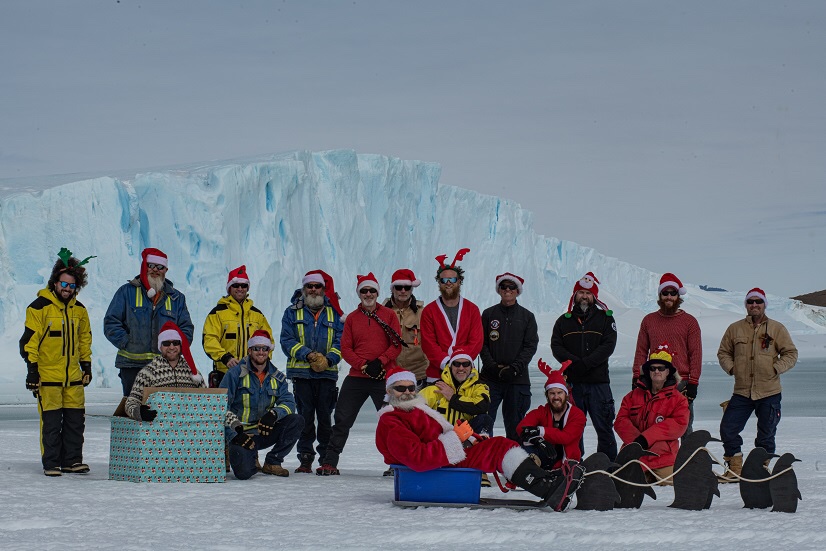
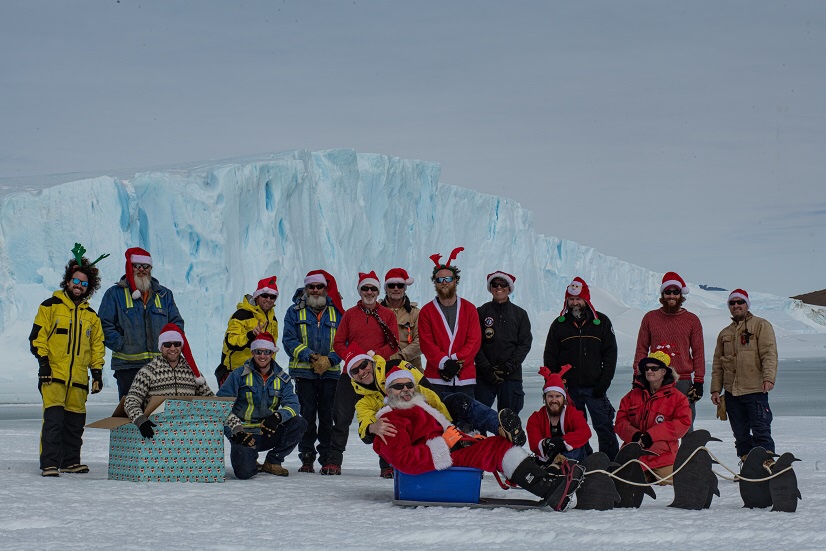
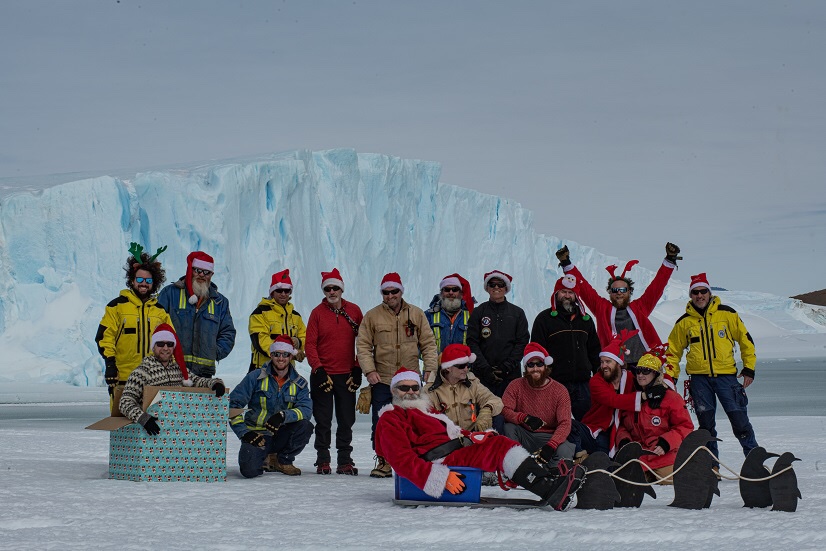
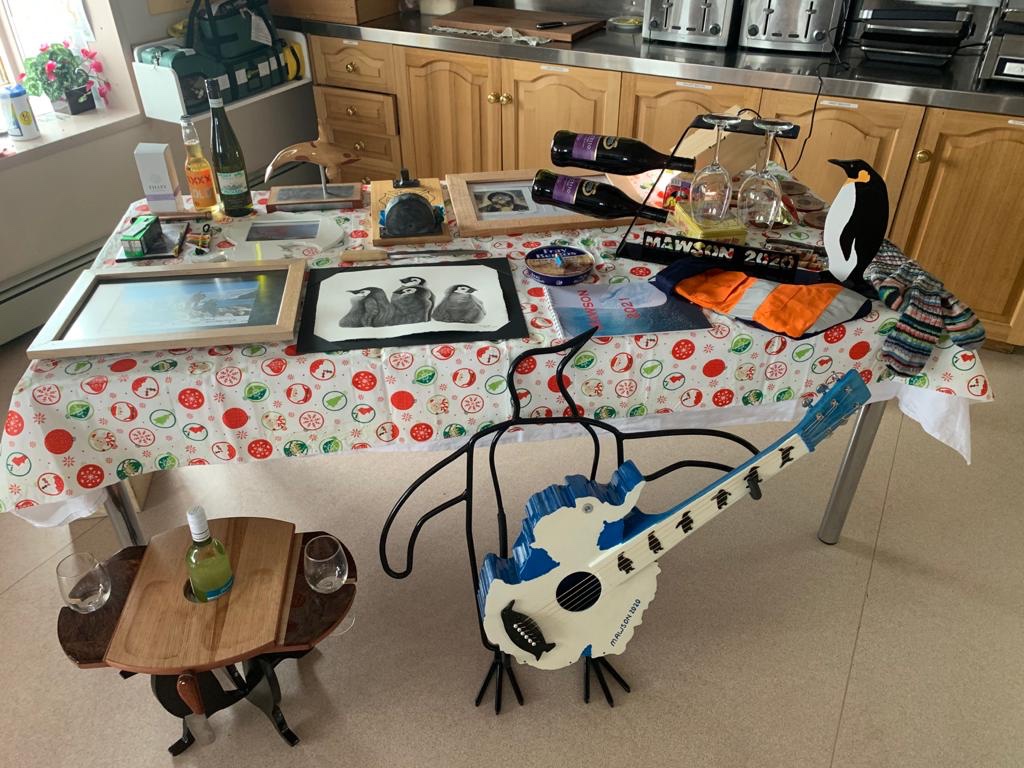
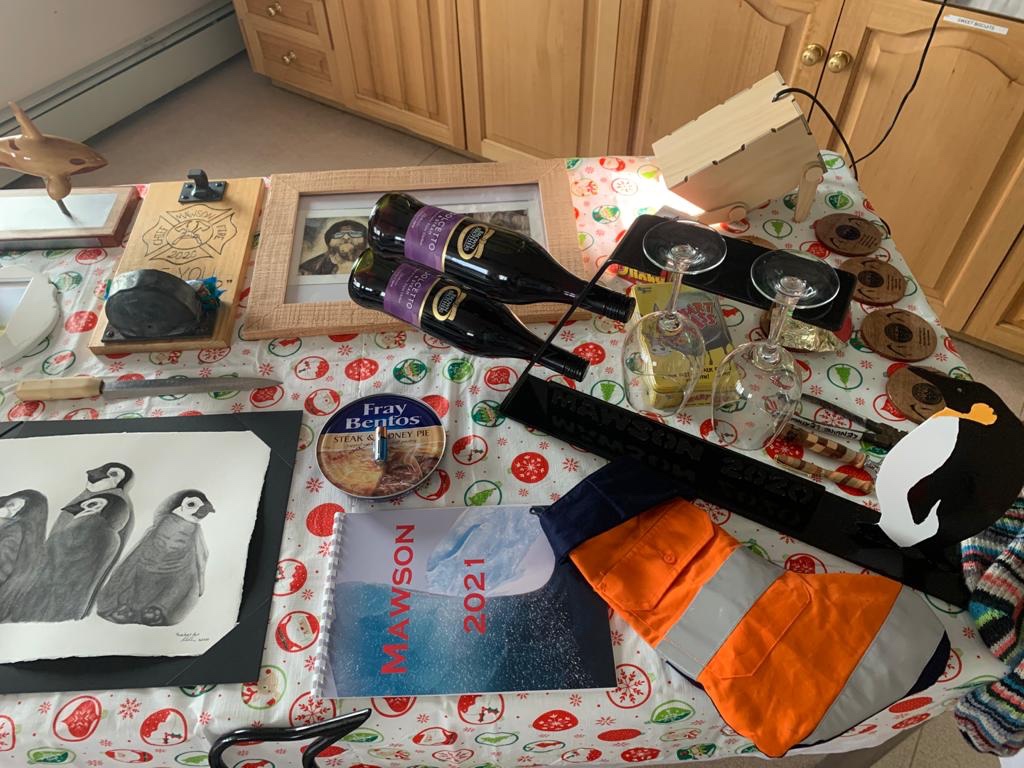
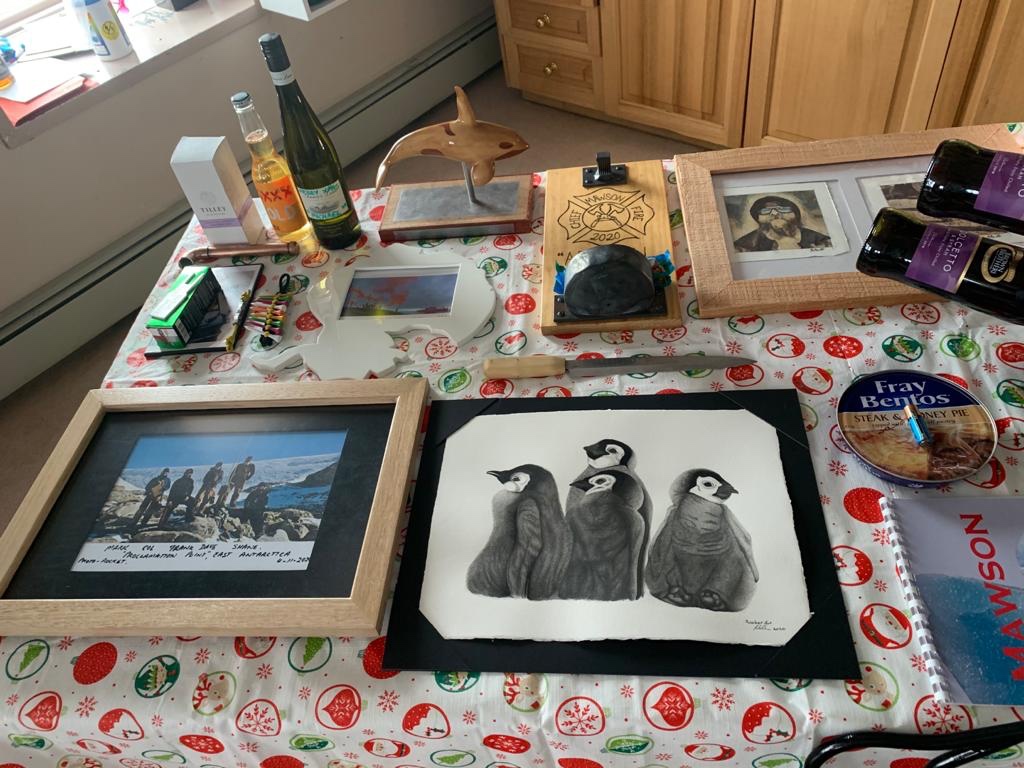
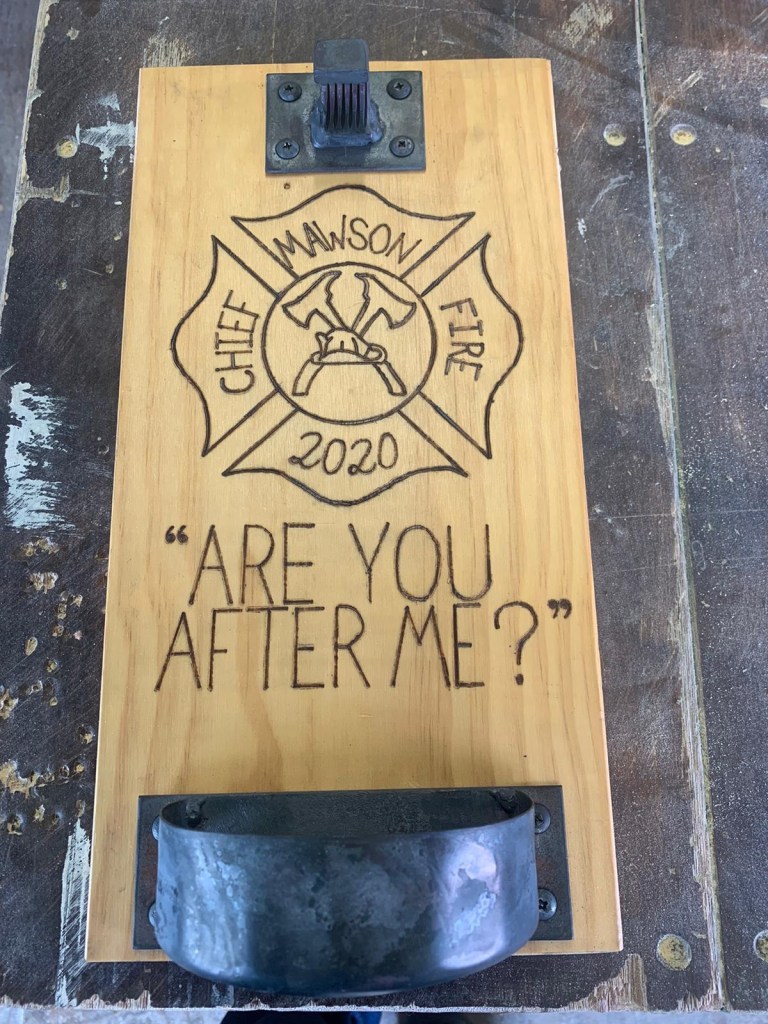
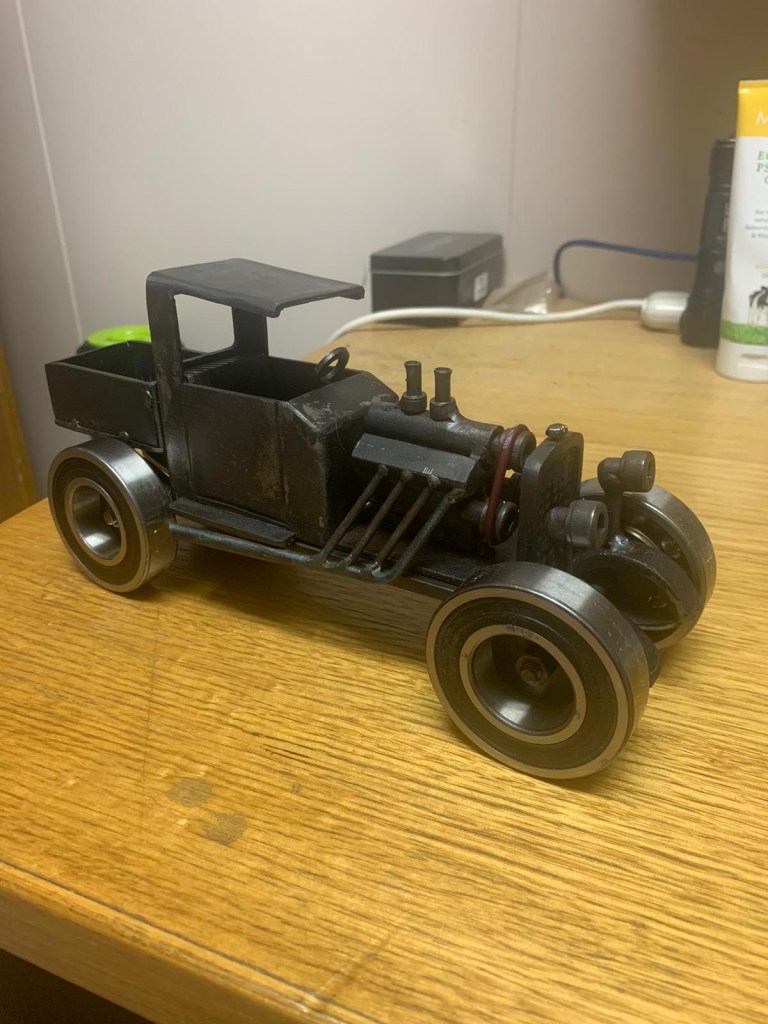
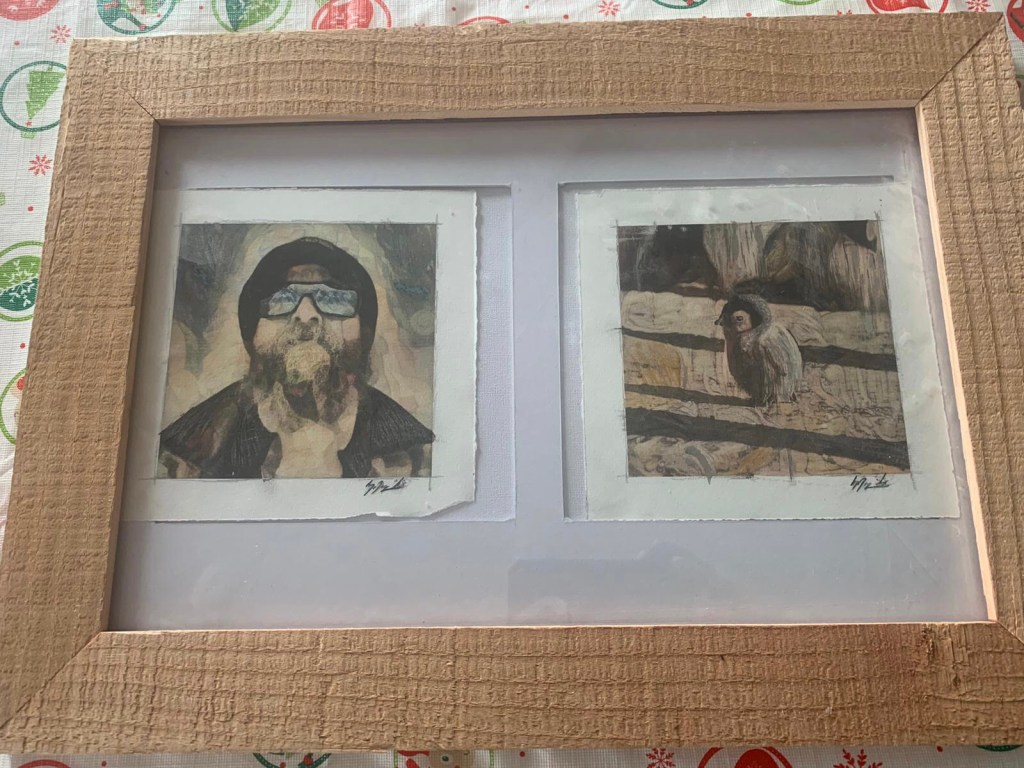
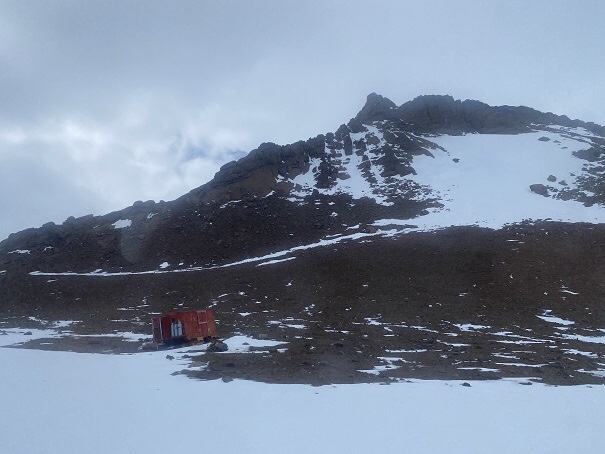
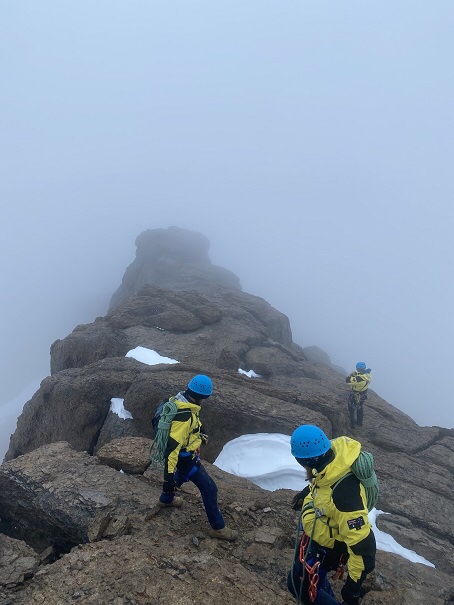
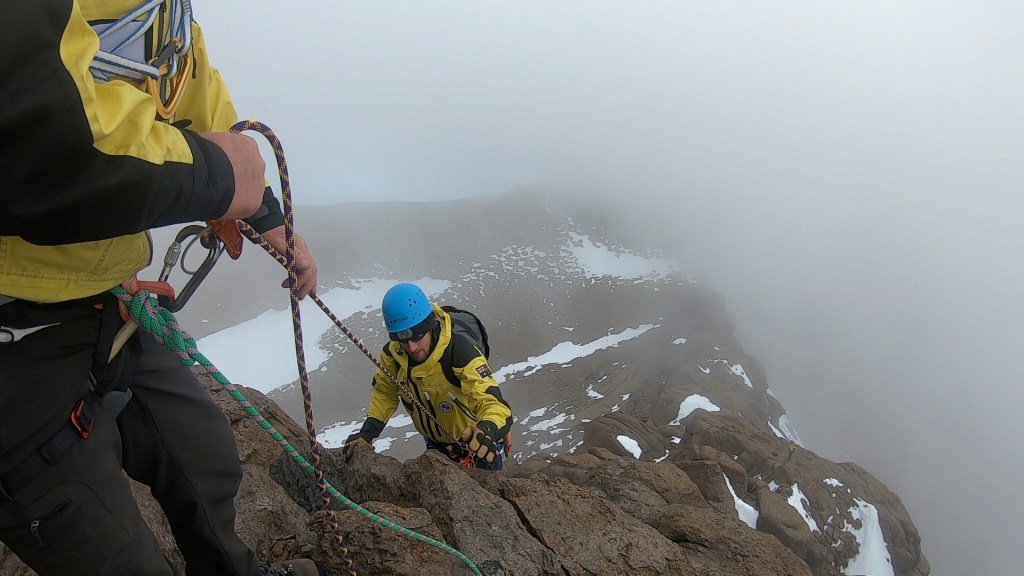
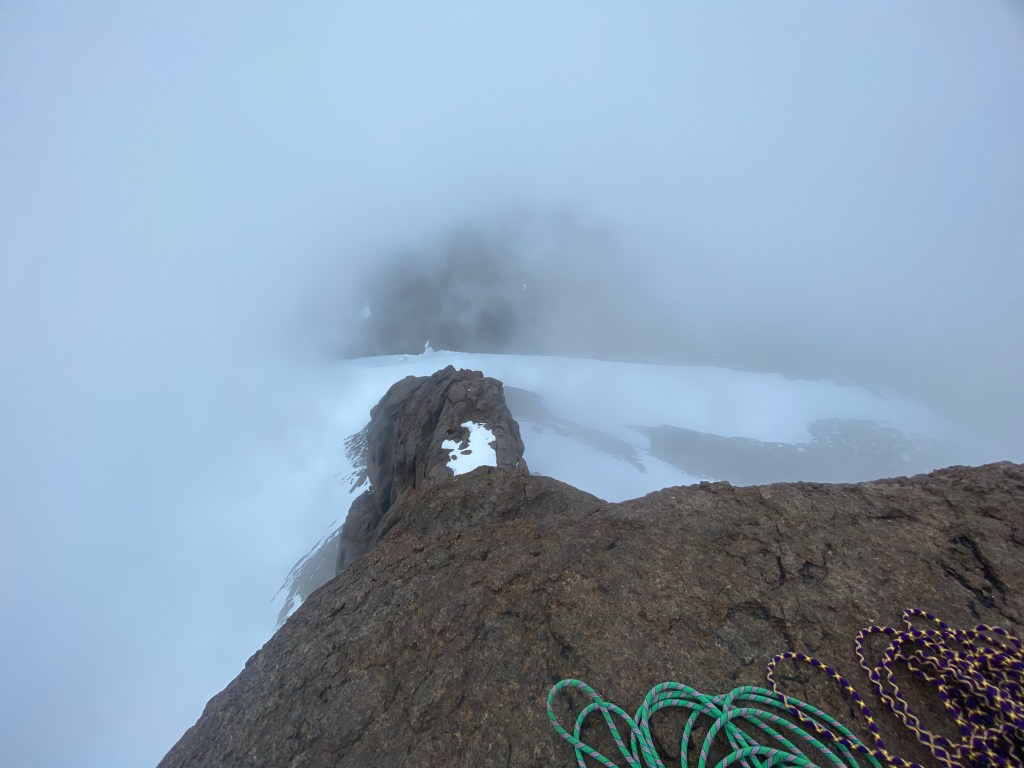
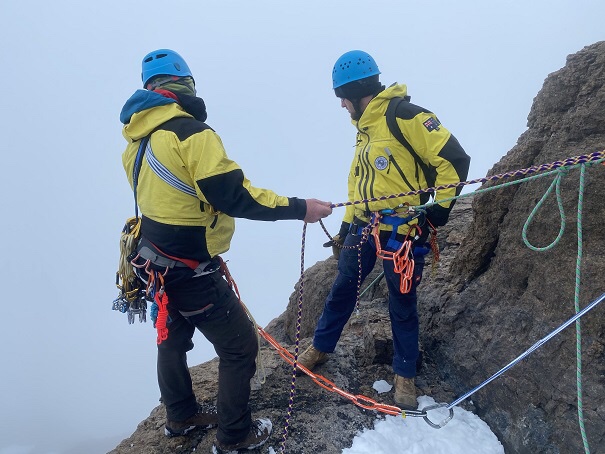
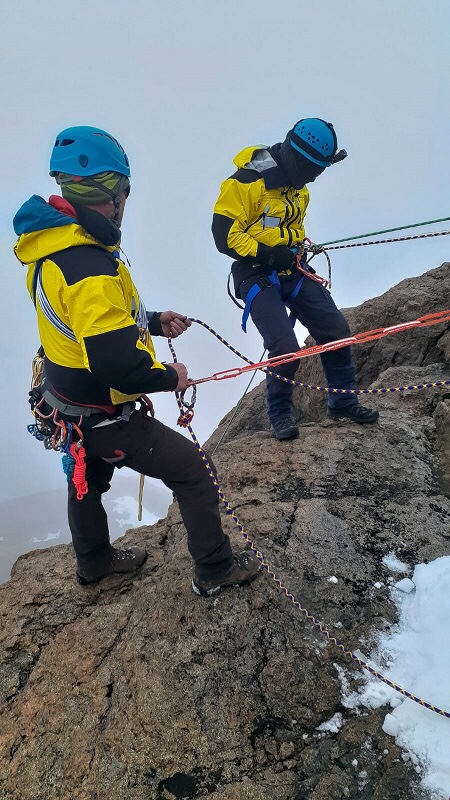
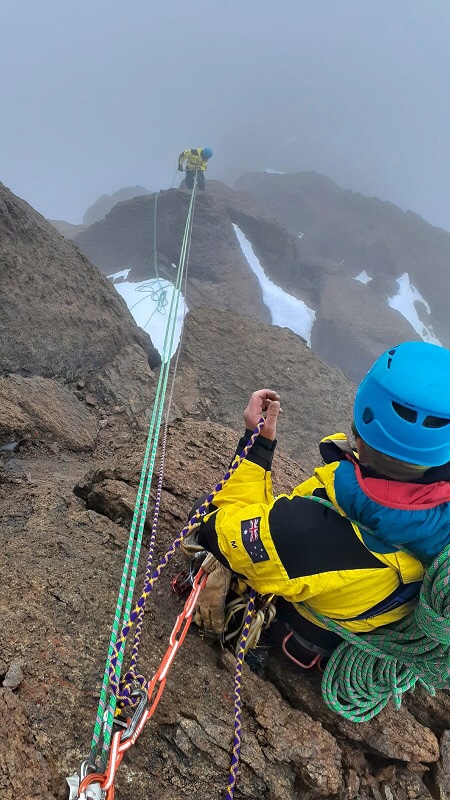
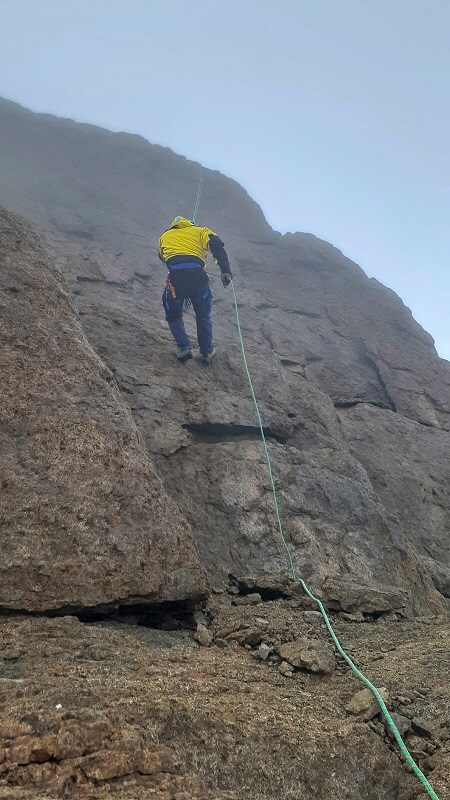
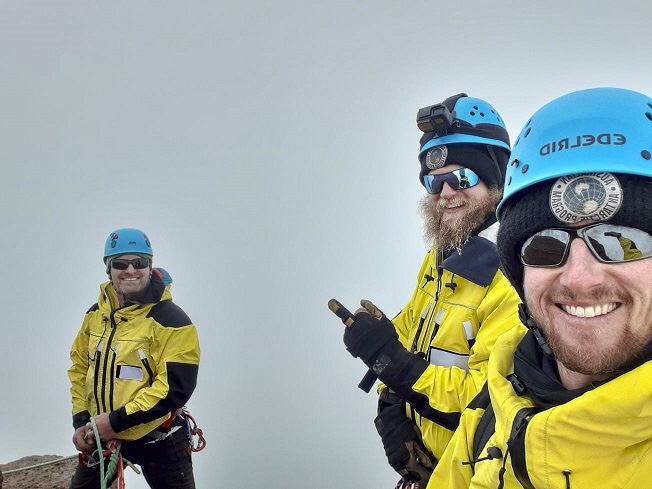
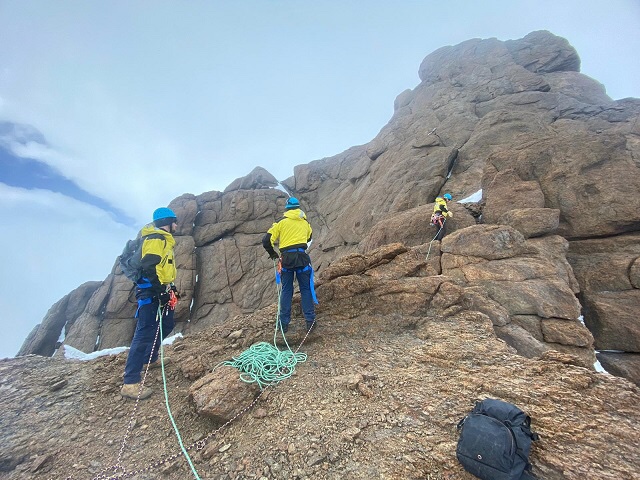
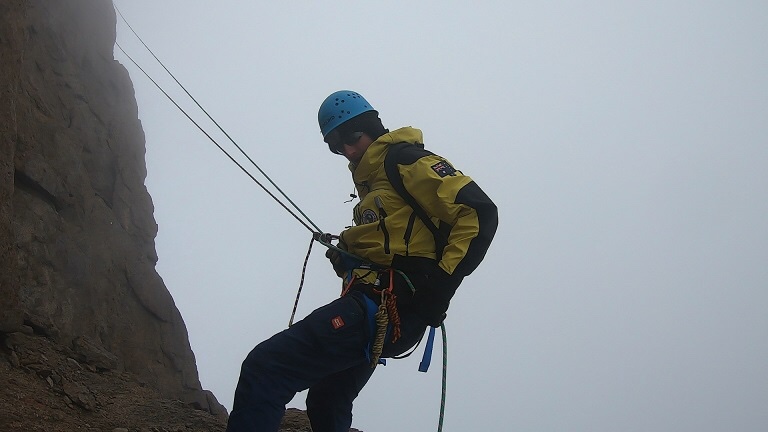
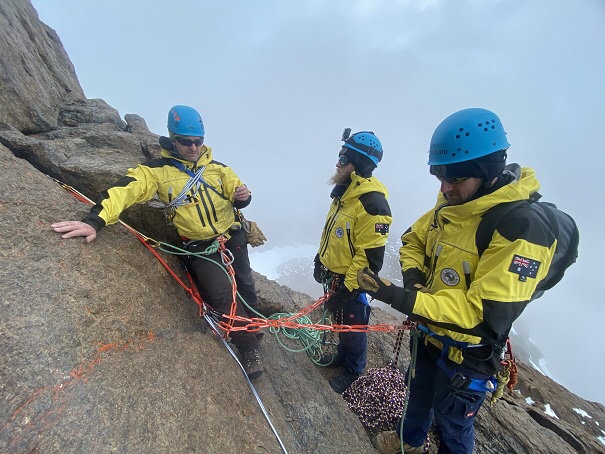
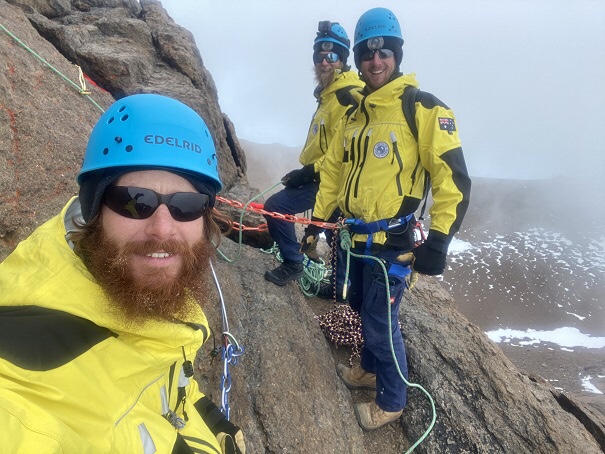
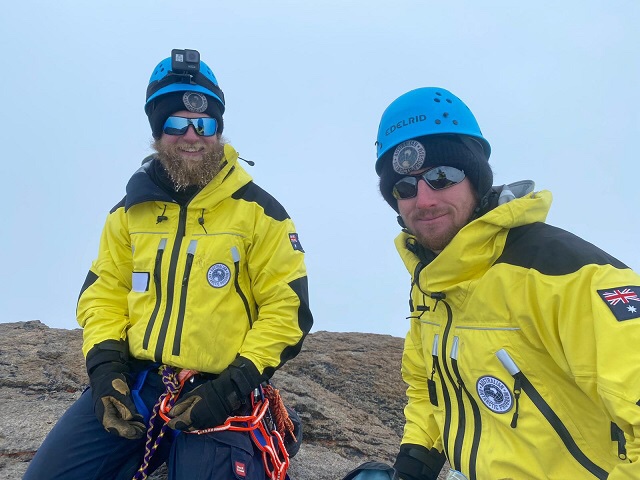
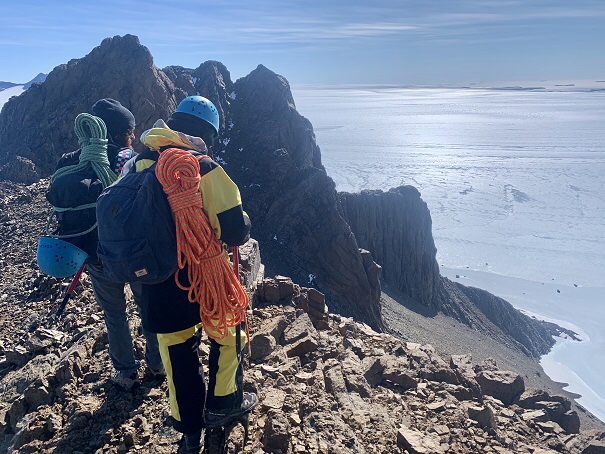
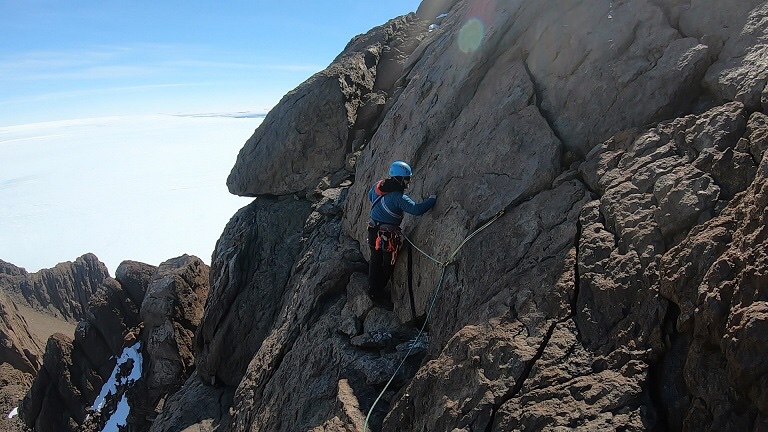
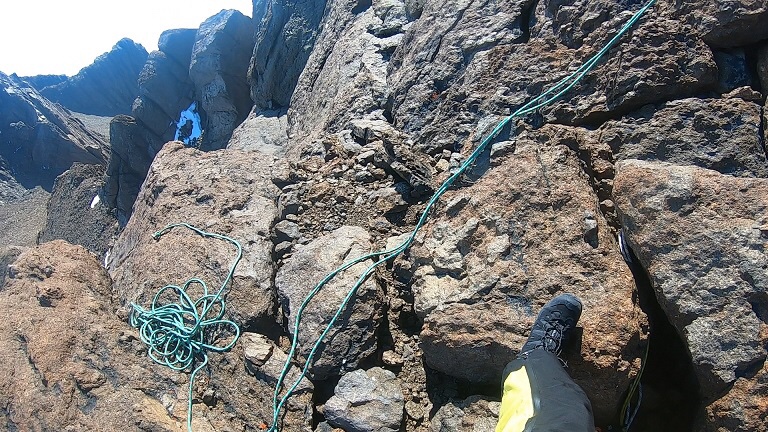
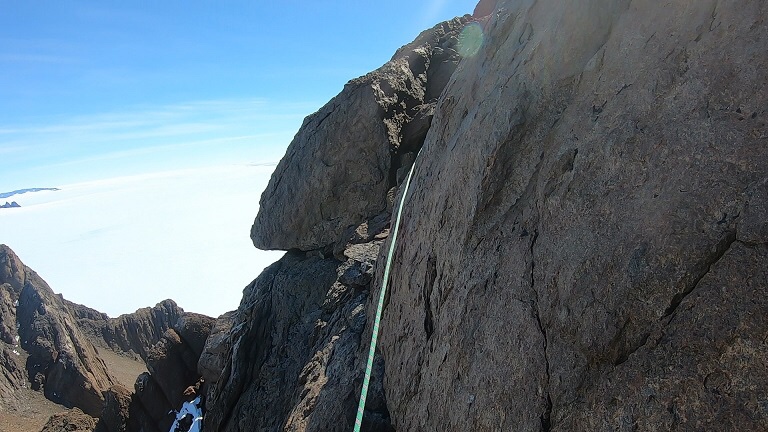
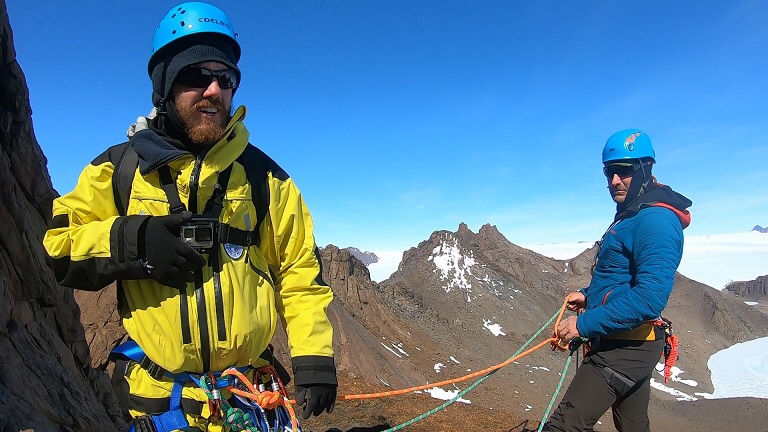
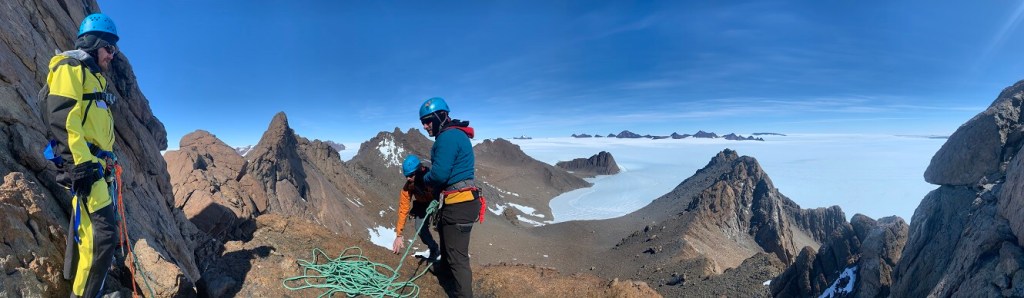
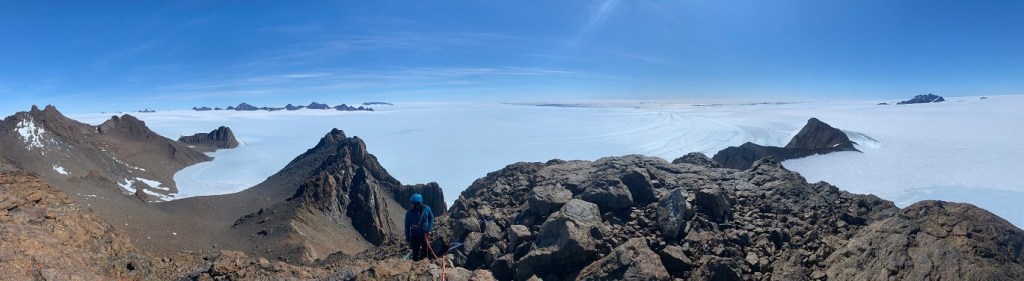
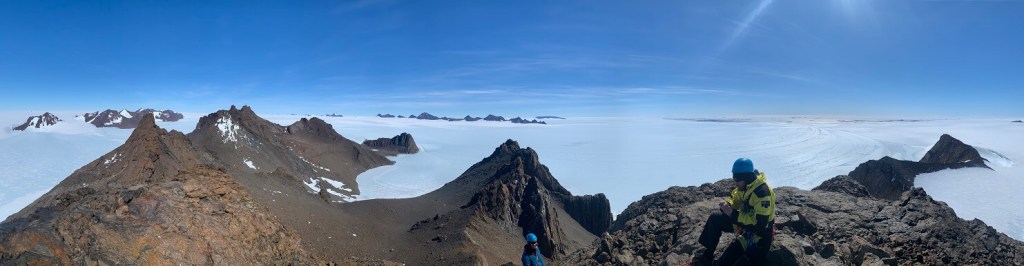
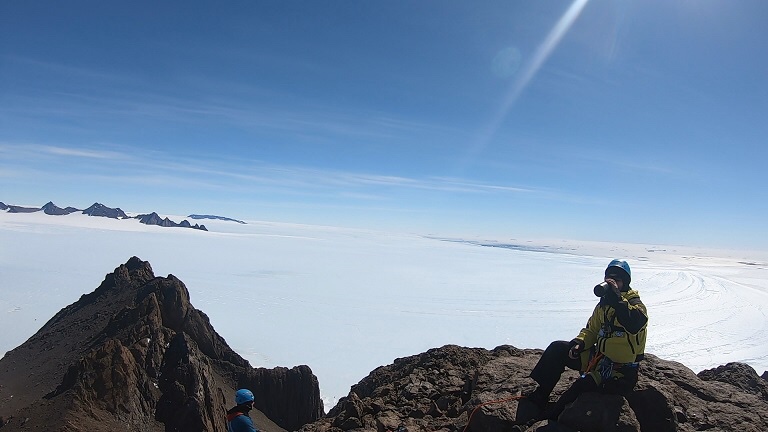
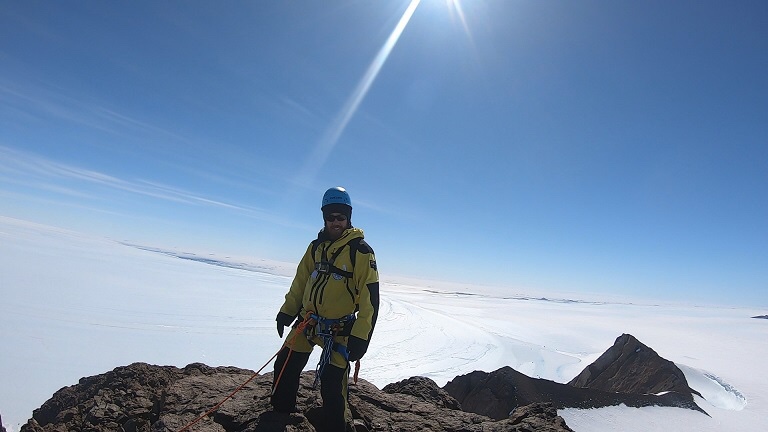
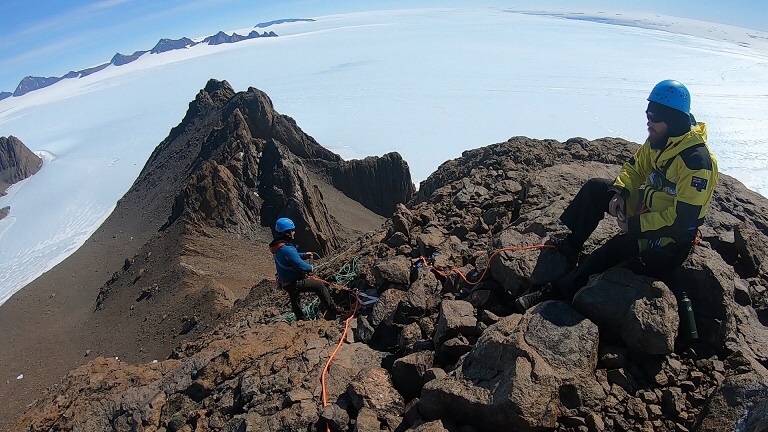
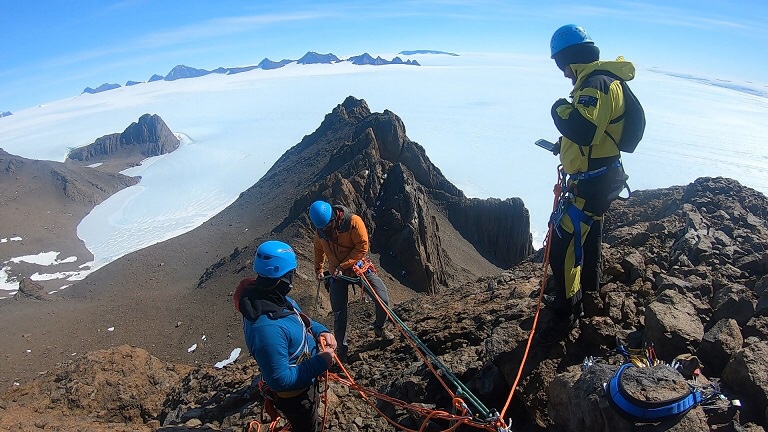
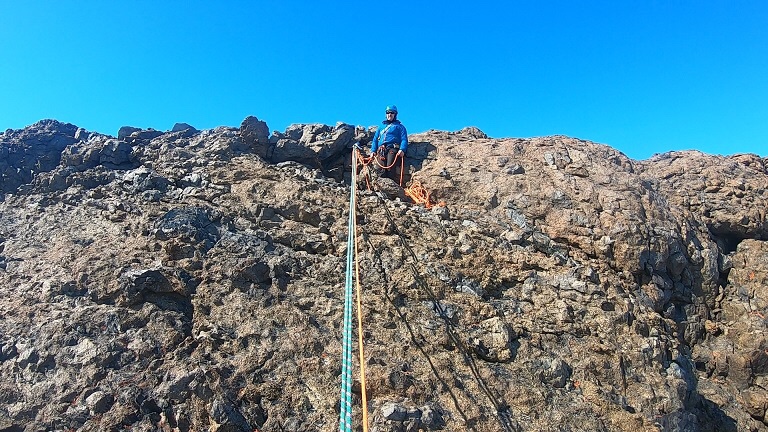
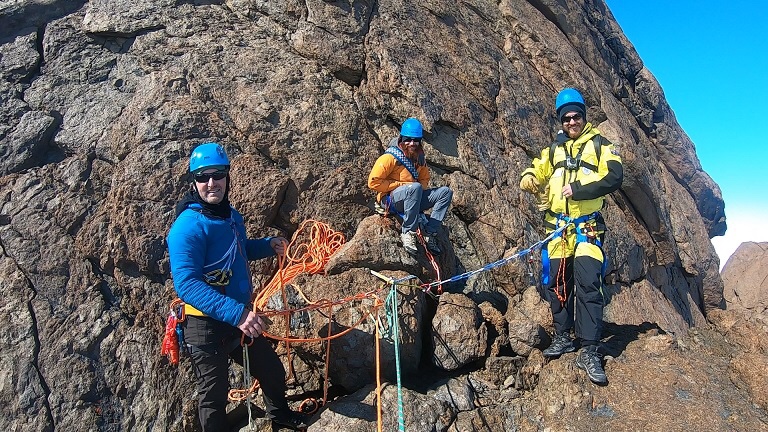
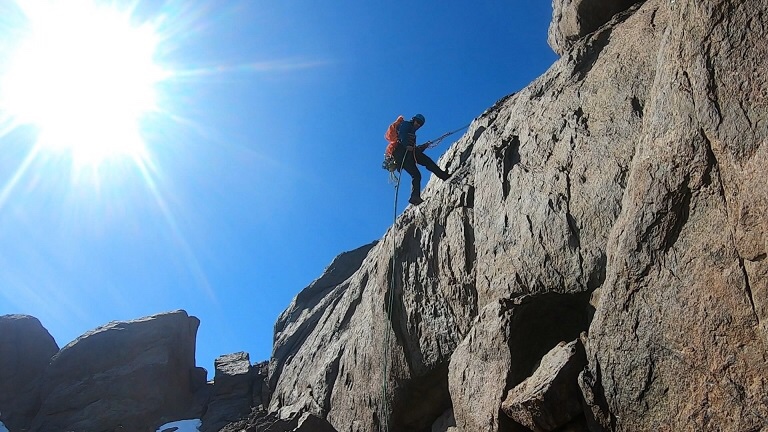
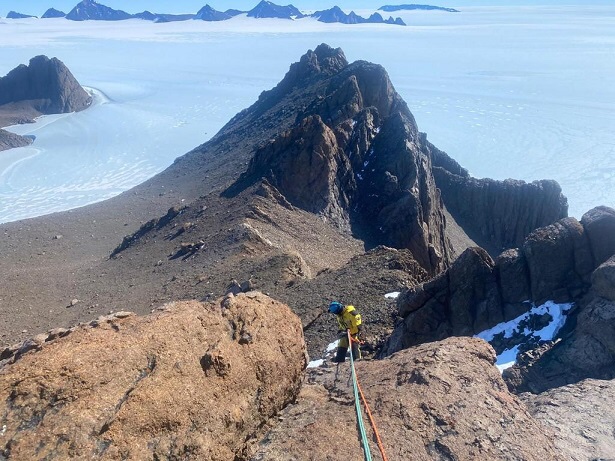
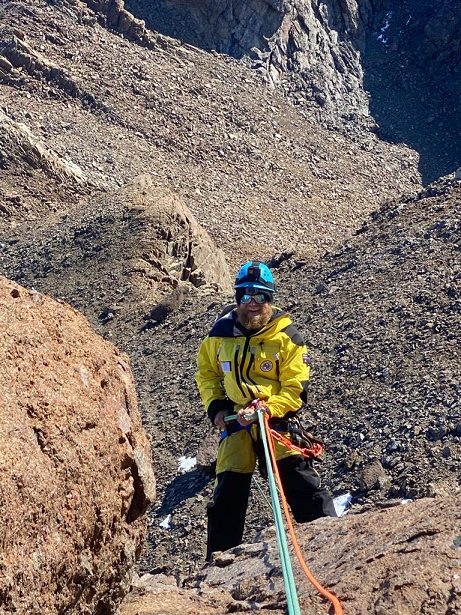
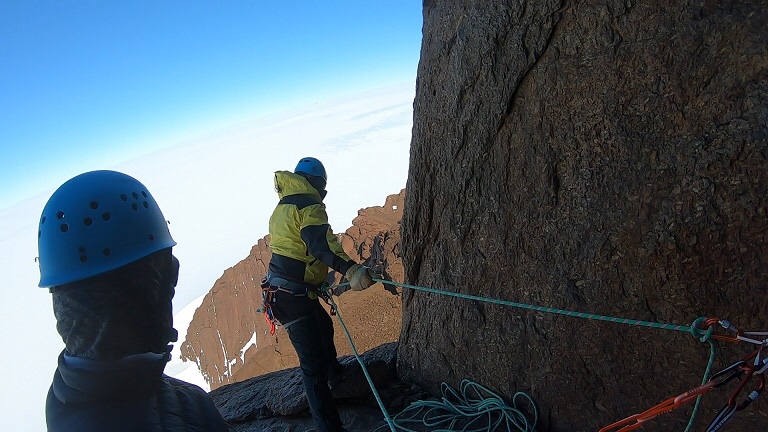
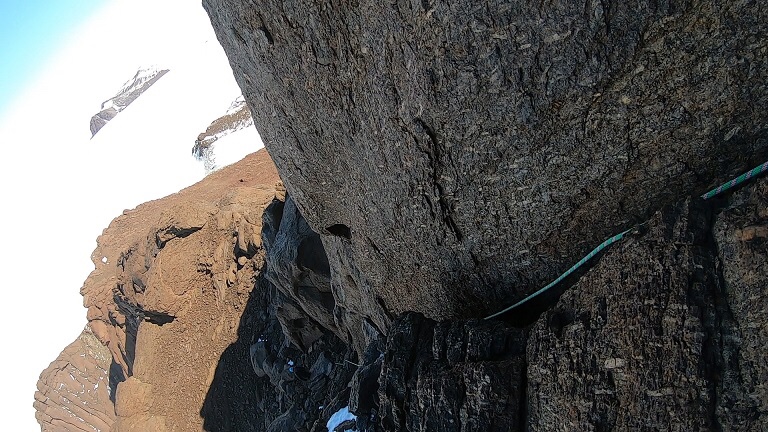
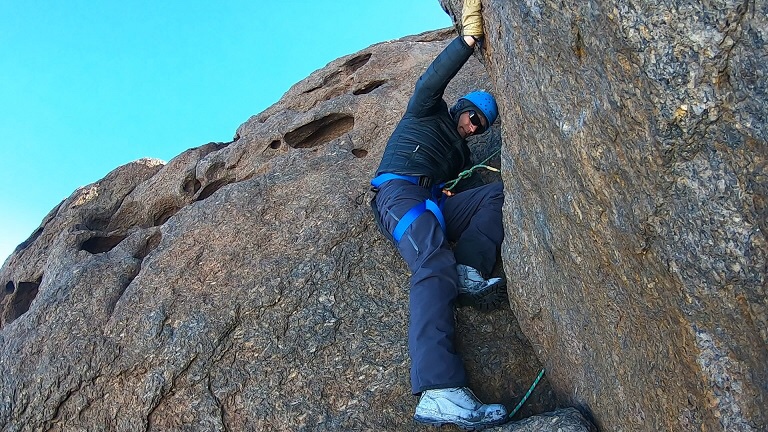
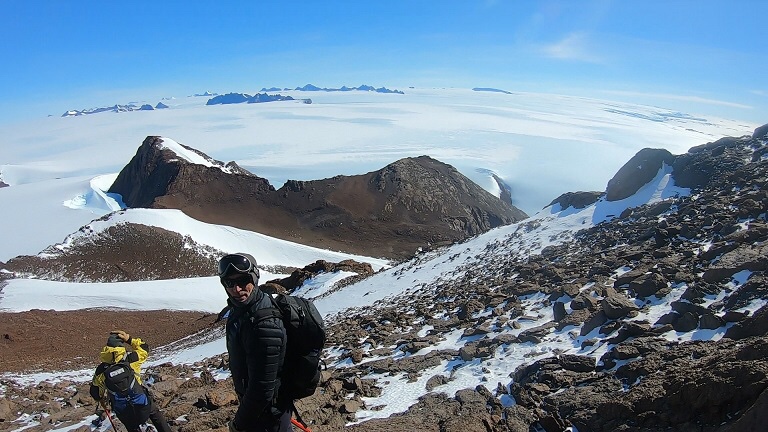
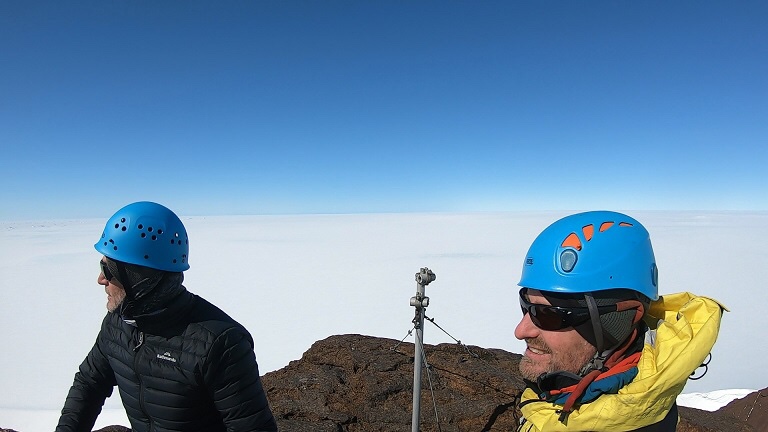
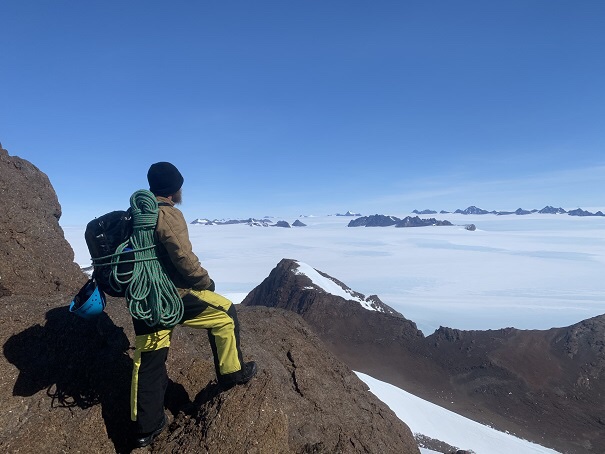
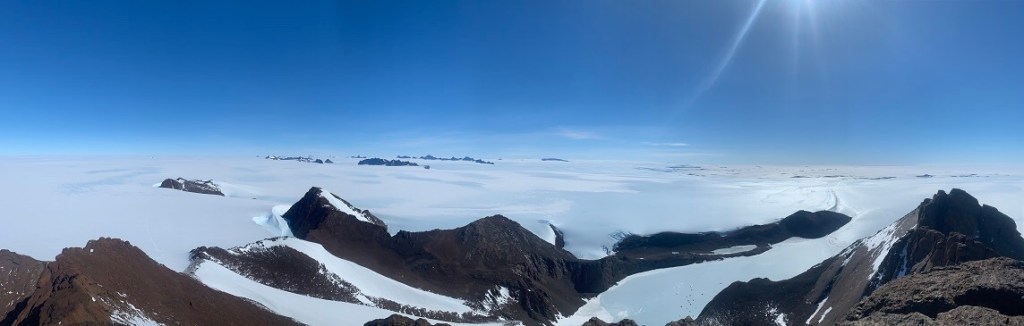
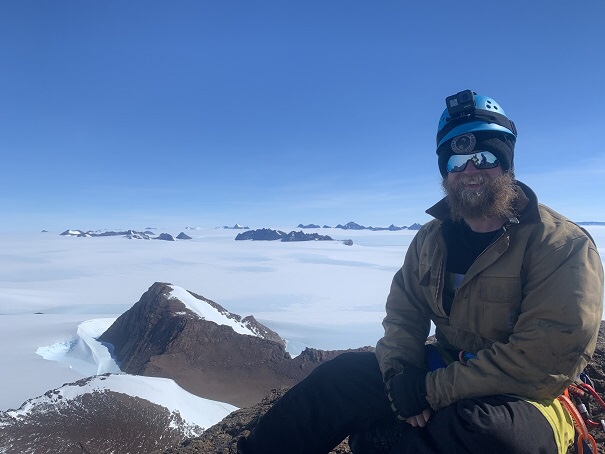
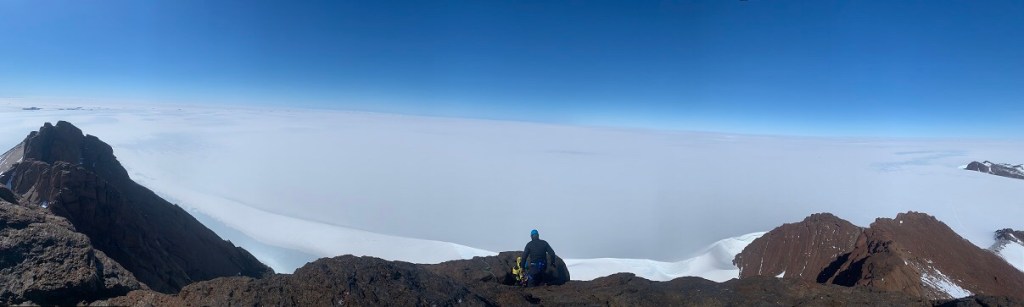
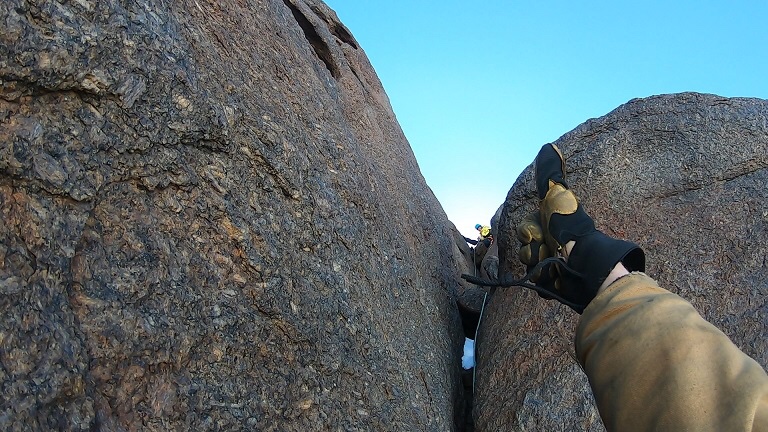
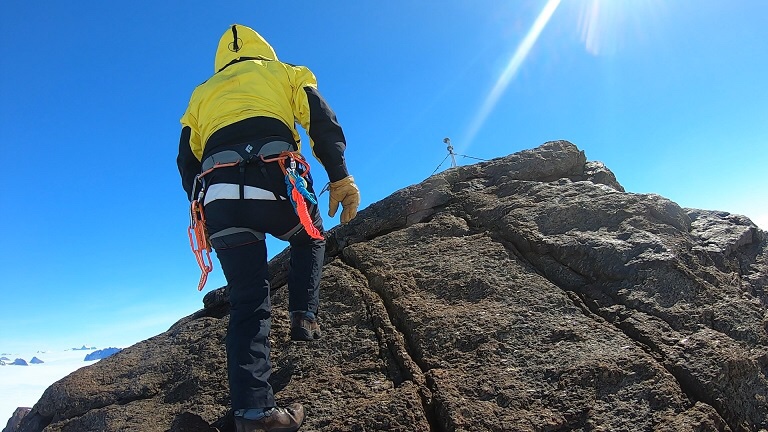
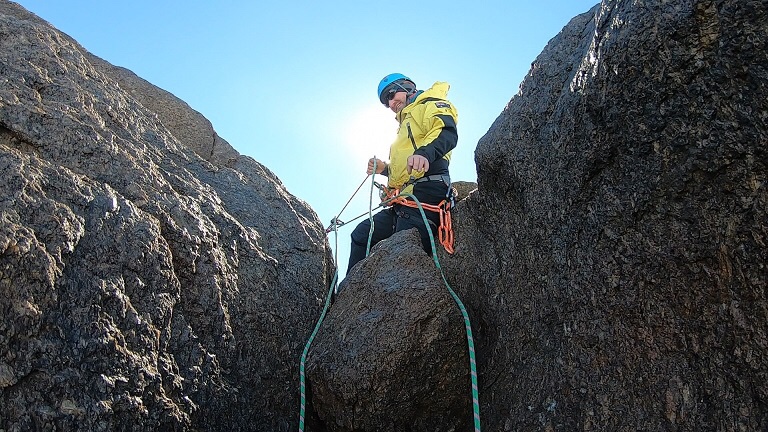
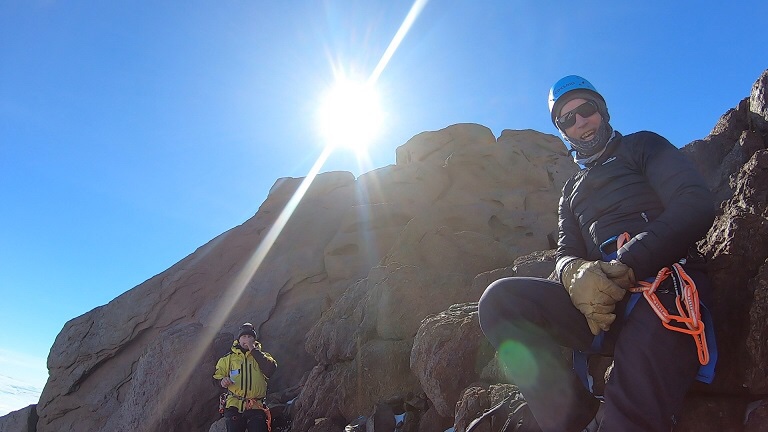
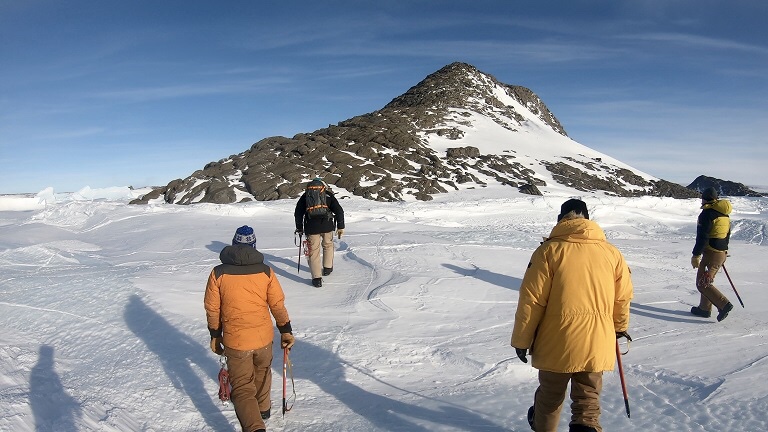
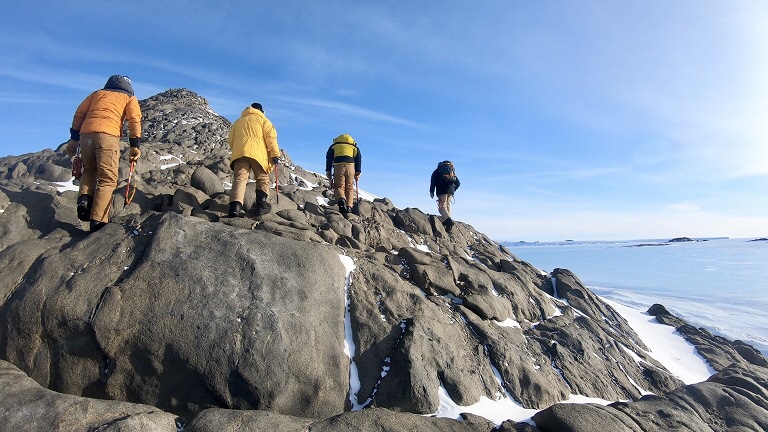
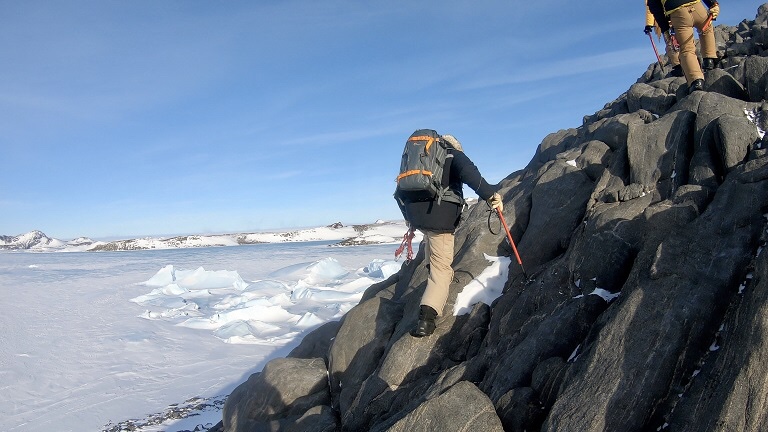
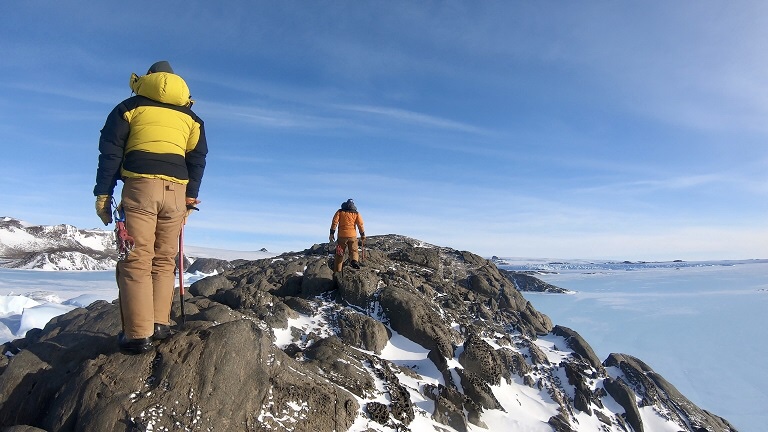
The ironic thing about looking forward to Christmas in Antarctica and having a ‘White Christmas’ is that Christmas day still falls around the most summery weather we have had. At about 3 degrees outside, clear skies and barely any wind it shaped up to be a beautiful day. Shortly after breakfast around 9 am I wondered back into the mess and was greeted with a Raspberry Daiquiri – a few of us settled into the Christmas spirit of getting red faced and jolly to start the day. We then had brunch put on by Rocket with a great spread of eggs benedict and other assorted fried goodies. Following that we all headed upstairs and gathered around the Christmas tree and waited for Santa to appear and dish out our secret Santa presents. Our elected Santa was Darron who put on a great show as Santa and one by one invited each of us up to receive our presents. The vast majority of us made our presents so it was very interesting to see how creative and resourceful everyone is – the talents some people keep quiet is quite astonishing. From picture frames to paintings to model cars and even a guitar in the shape of Antarctica with a stand to hold it in the shape of an Emperor penguin – there are definitely some gifted people down here. From there people took the afternoon to go off and call their families or go have a nap if they had had too many Daiquiris.We all gathered again to have dinner at about 5pm and Rocket had bought out cray fish, prawns and oysters as well as traditional roasts. Again, please keep me in your thoughts as I try and tough it out through this gruelling experience. Lucky for us as we still get public holidays down here, for a short period we were only working three-day weeks as we got through the holidays and it seemed we had barely got over Christmas before new year’s arrived. We knocked off at lunch time and had a BBQ lunch outside and some people even jumped into the old portable spa we have hidden on station for special occasions. From there we casually kicked on and spent pretty much the whole day enjoying being outside and it was a very strange experience to bring in the new year and celebrate the countdown while the sun was still up. Since then we have completed two more climbs. Fang peak which is in the David range and the peak it at 1032m above sea level, though the actual rock-climbing part was about 60m. Four of us went up and it took two pitches to get to the summit and then two abseils down. There was a bit of localised drifting snow and cloud around the mountain as we climbed up and down but it added a bit of a more alpine atmosphere. Also, we have climbed Rumdoodle mountain which was only 875m above sea level but actually involved more technical roping than any of the other climbs we have done so far. With a bit more than 80m or rock climbing it was three pitches up and two abseils down. But the best part was that up at the summit there was barely a breath of wind, it was a clear day and we could see so far out to sea and that even though the ice has started to rot and break up a bit around the station, the ice is still pretty frozen almost as far as the eye can see with just a faint sliver of the open water at the polynya on the horizon. Apart from all this, we are steadily starting to turn our minds to the end of our season and getting ready for resupply. We are now in the middle of our power house shut down and performing maintenance and repair works while giving out emergency power house and chance to supply power for a while. It has been a strange feeling to be in the main power house without the roaring noise of the engines. We have a few more trips coming up over the next month or so but it is apparent the season is coming to an end.
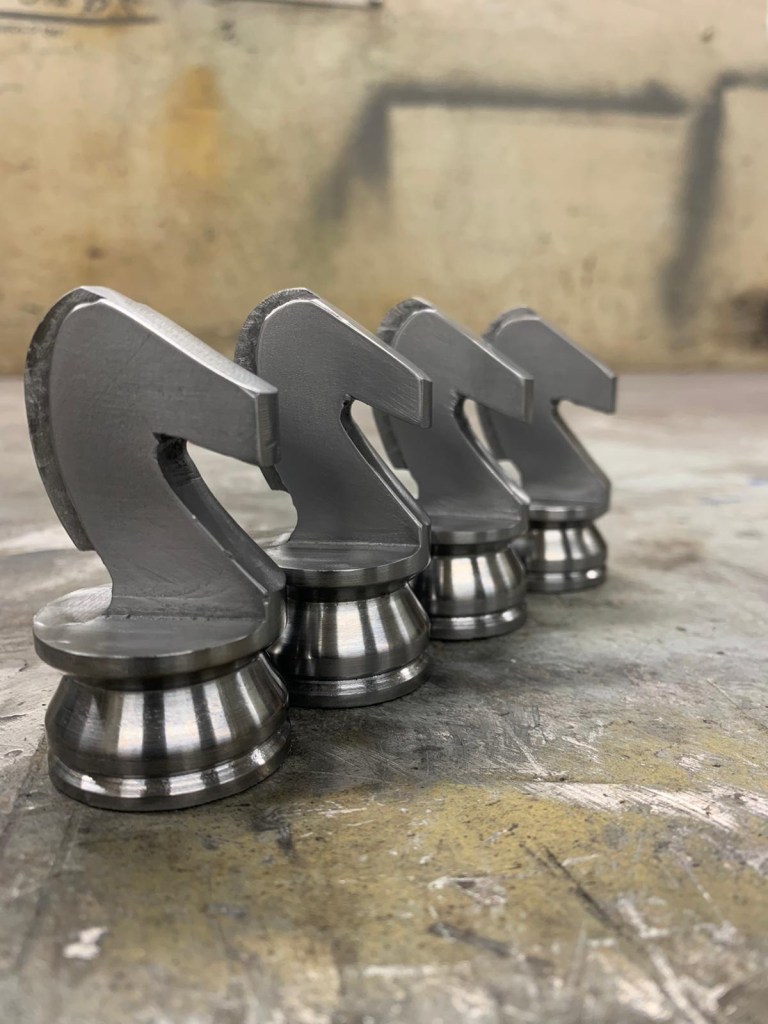
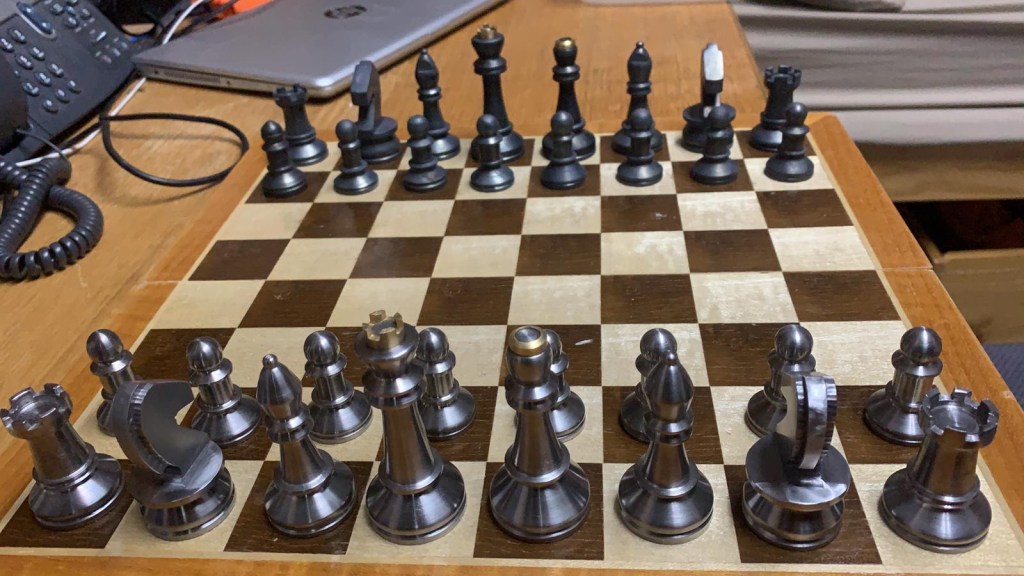
Guy’s Antarctica project throughout the expedition period – making the individual chess pieces, teaching himself how to use the Lathe.Guy made this as his Secret Santa gift.The Boiler Maker made this car for Guy.Guy’s expedition Leader is the Artist.
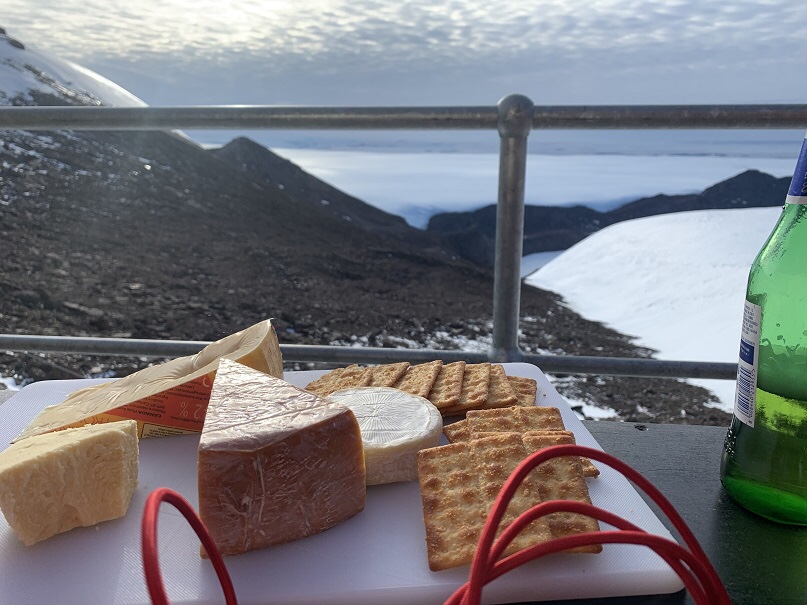
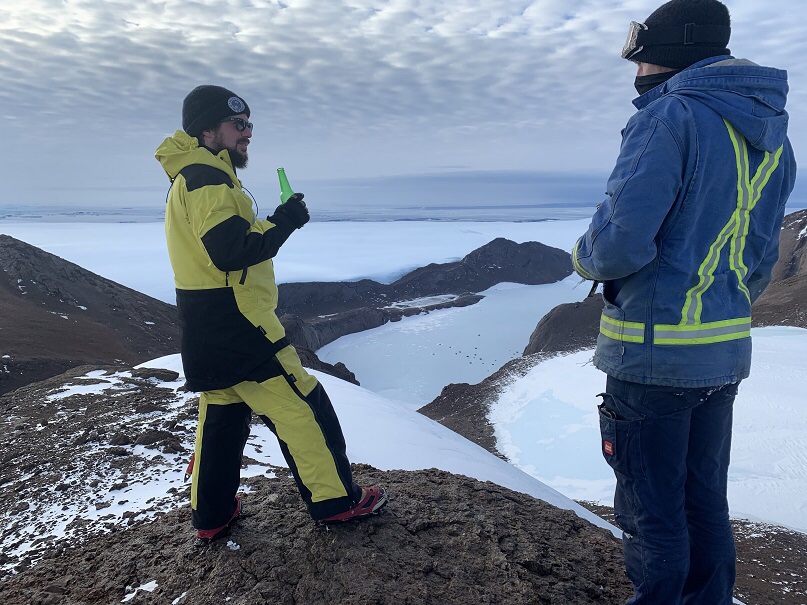
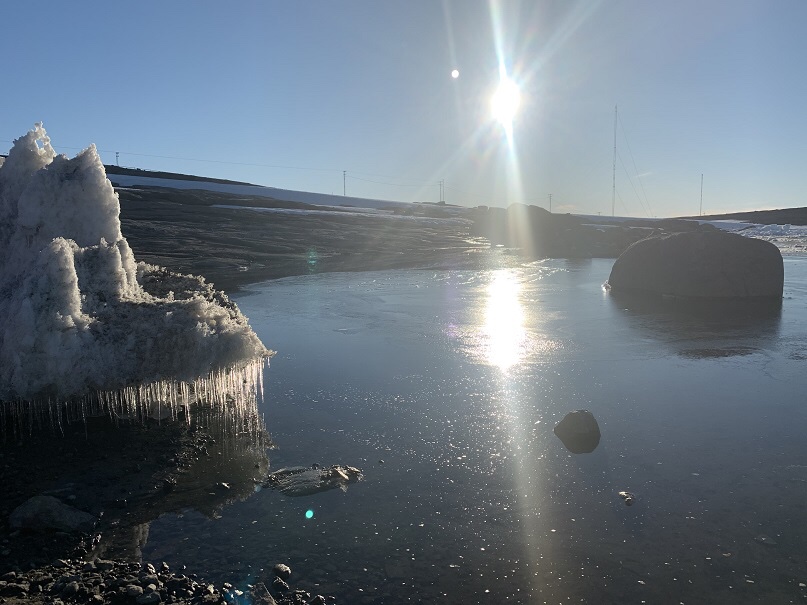
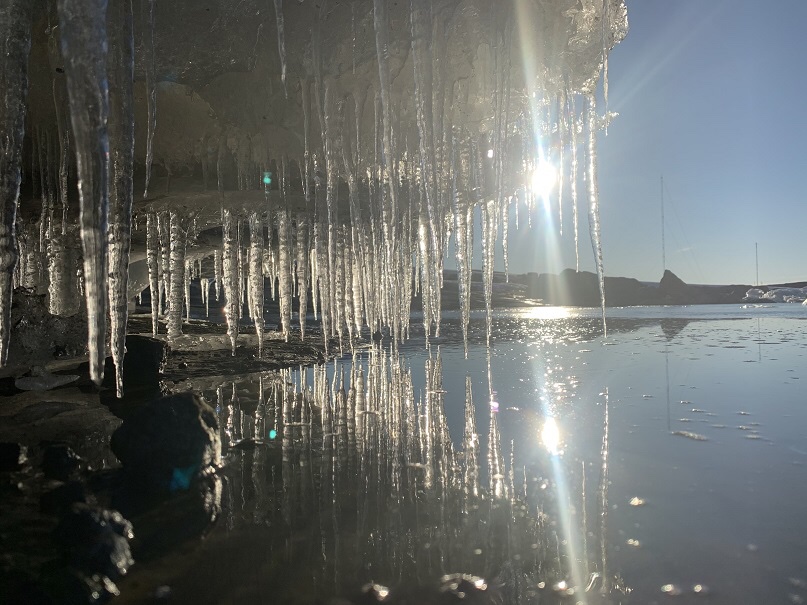
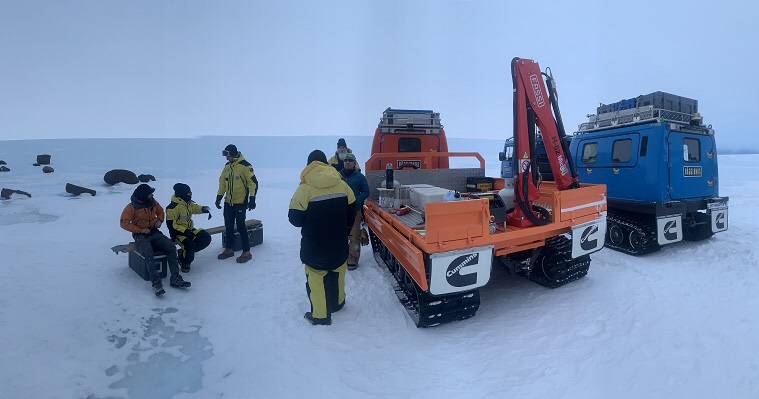
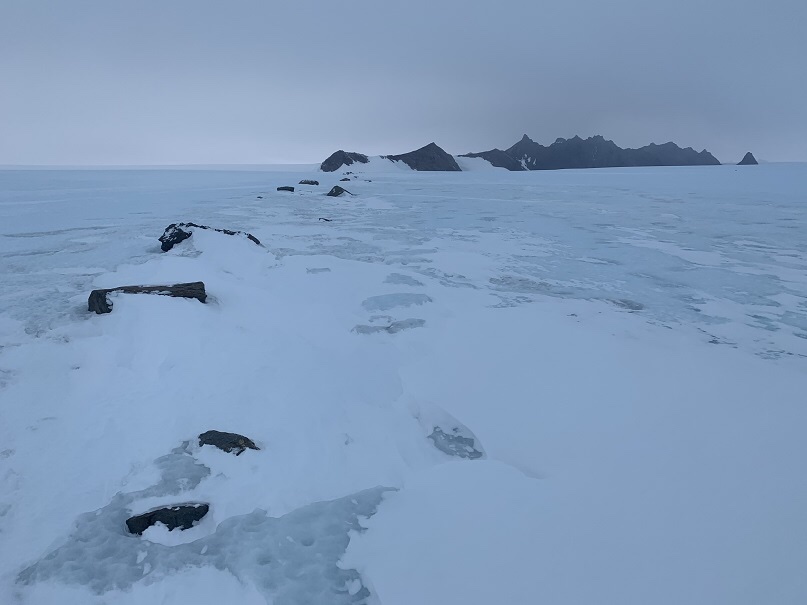
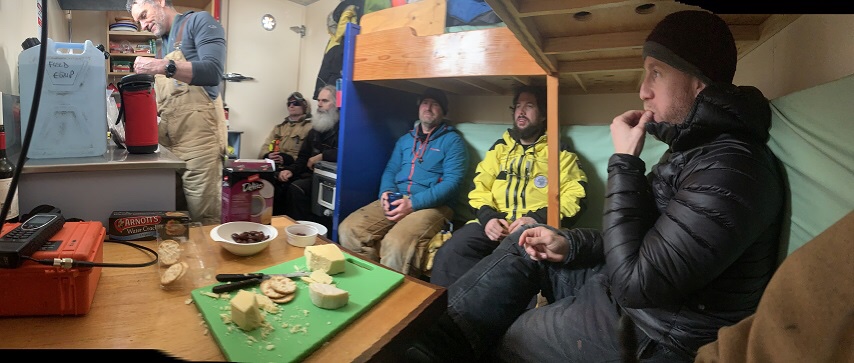
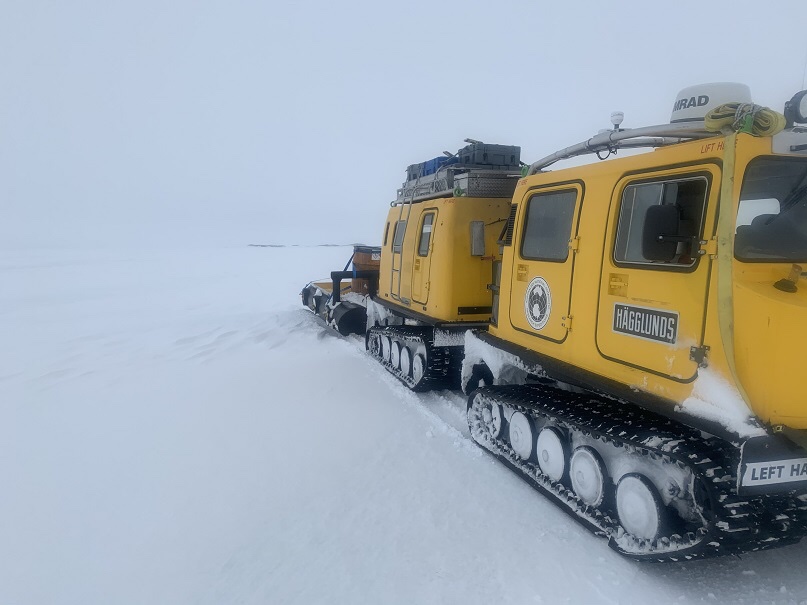
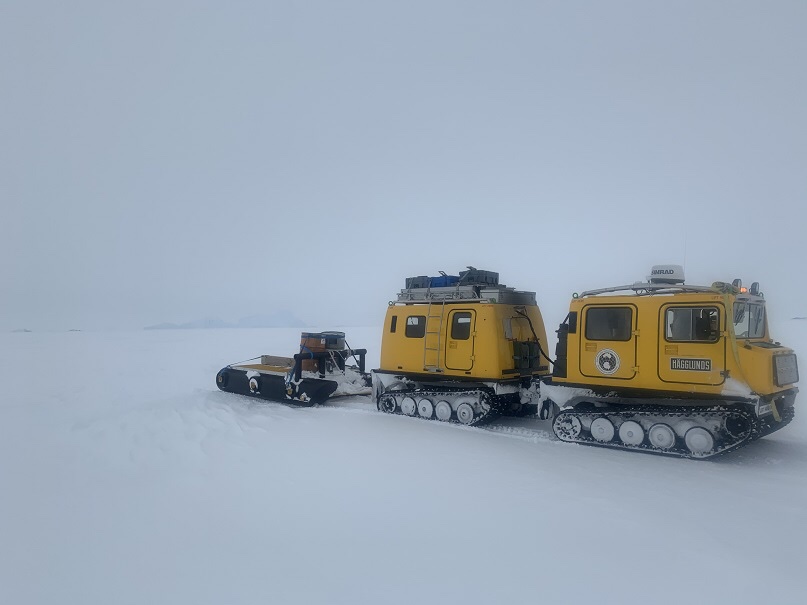
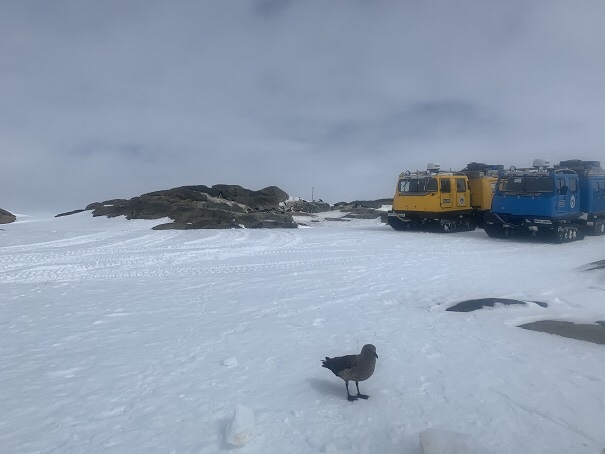
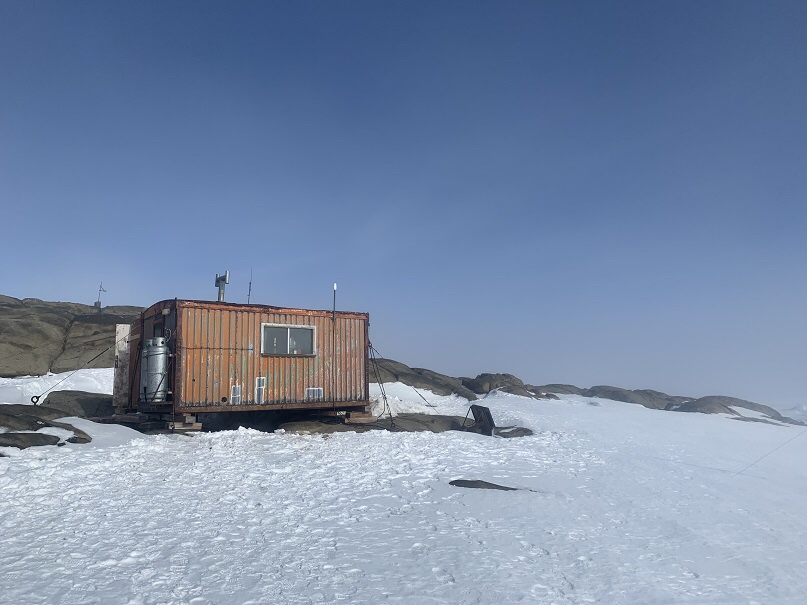
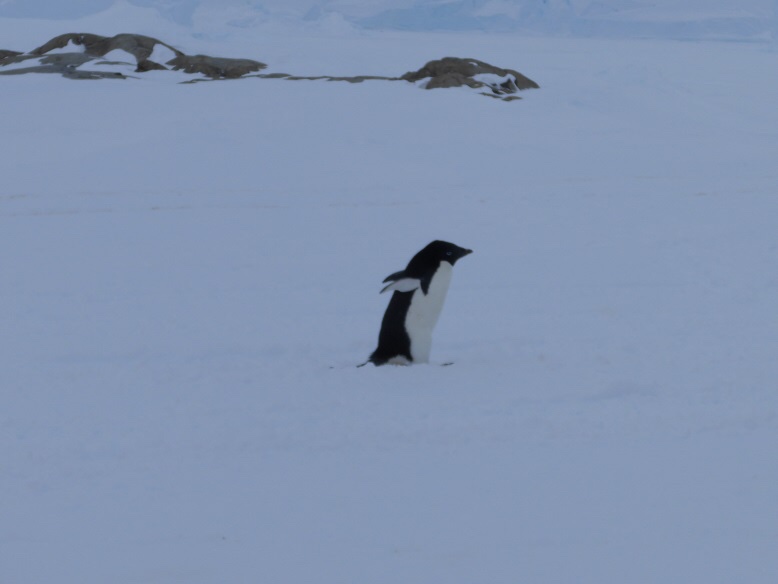
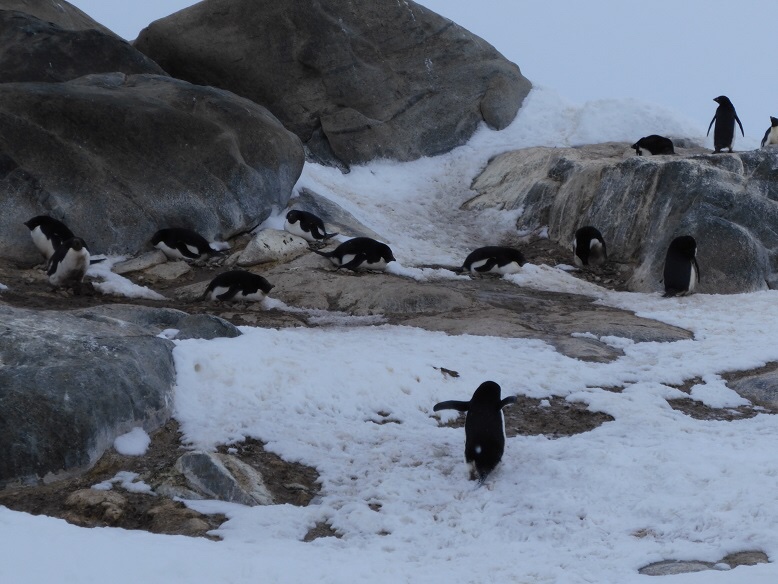
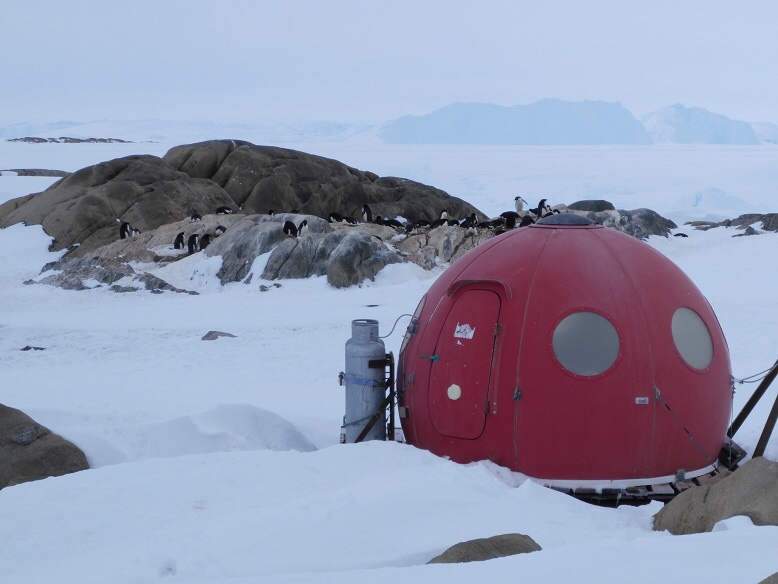
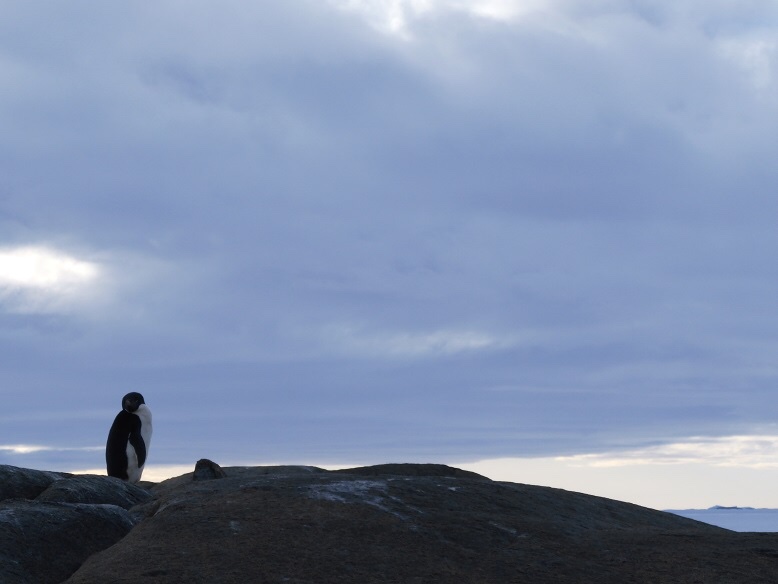
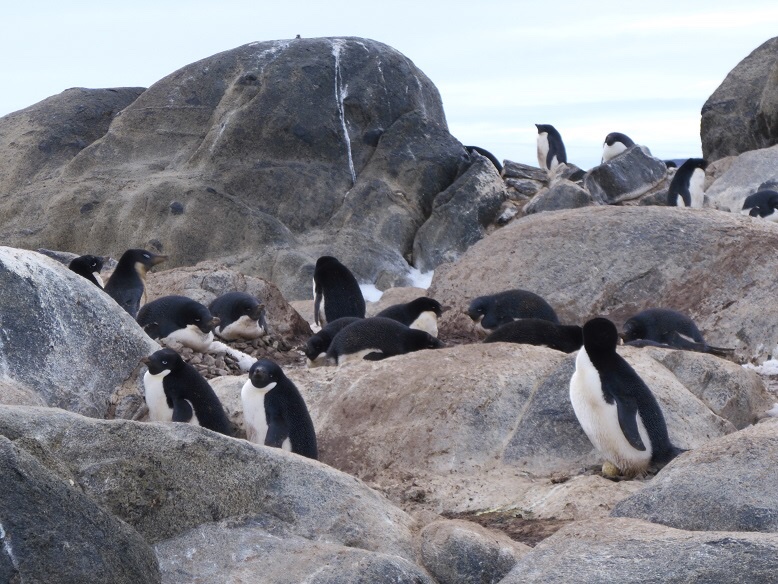
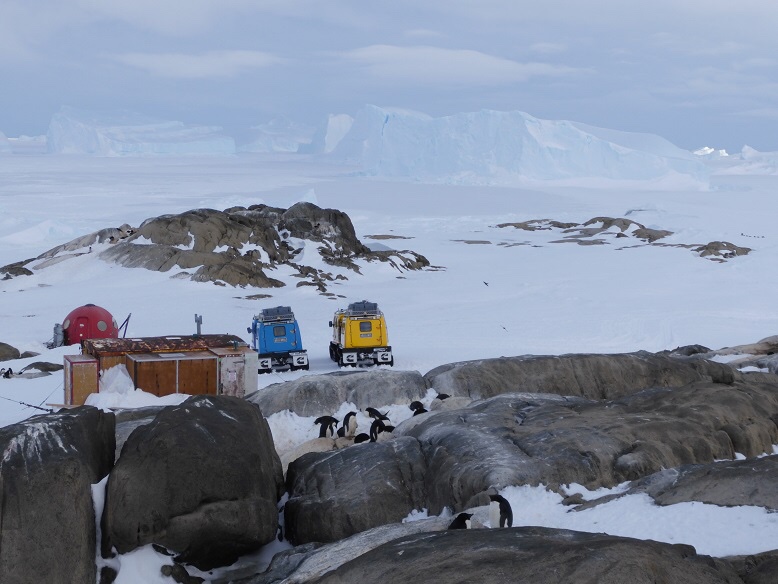
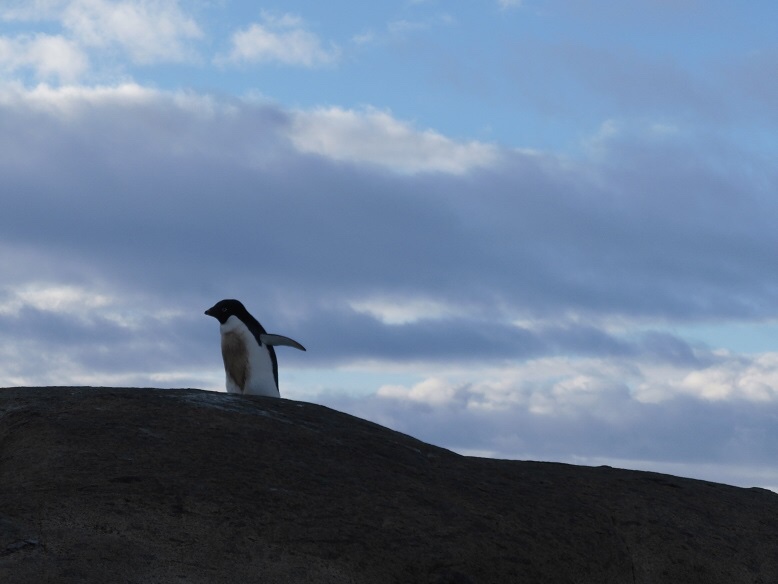
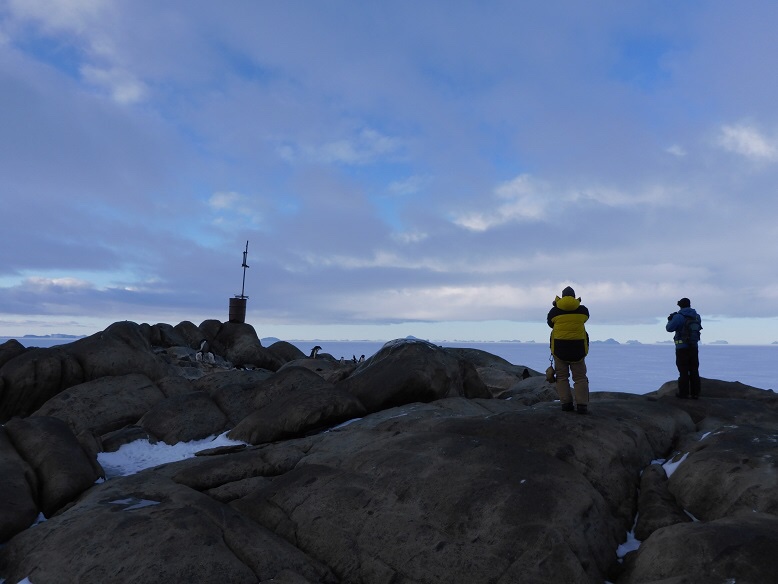
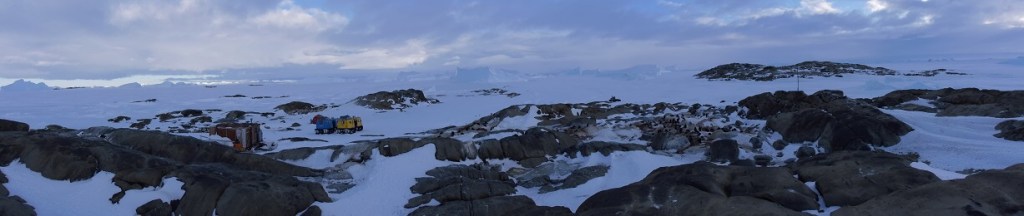
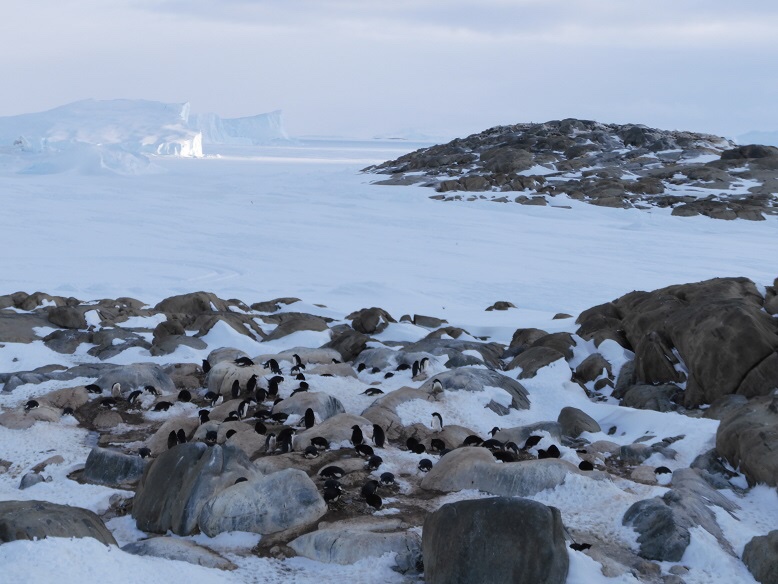
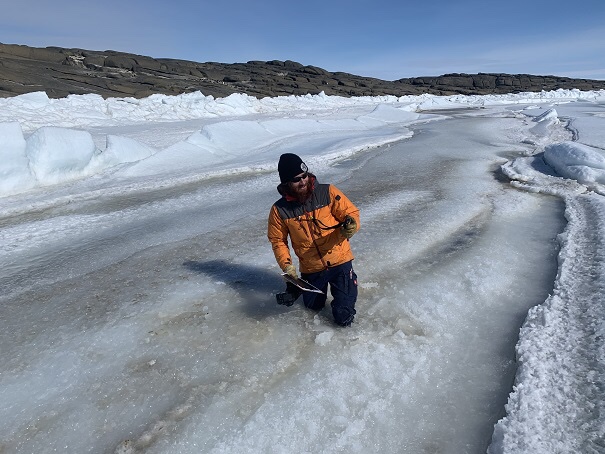
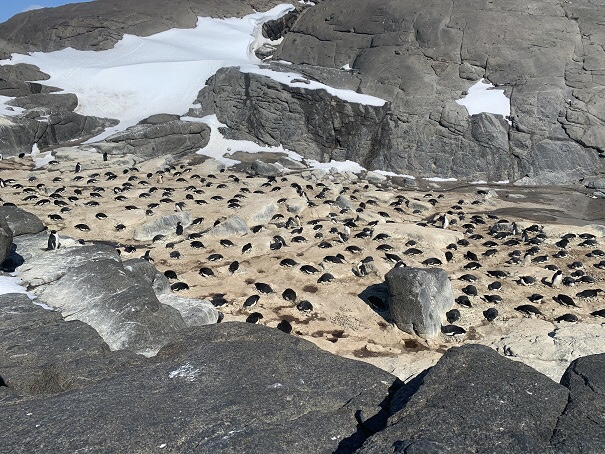
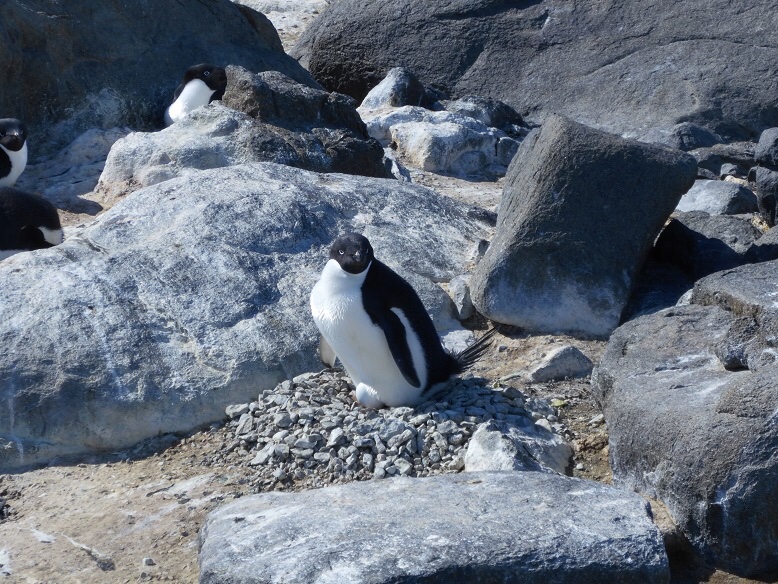
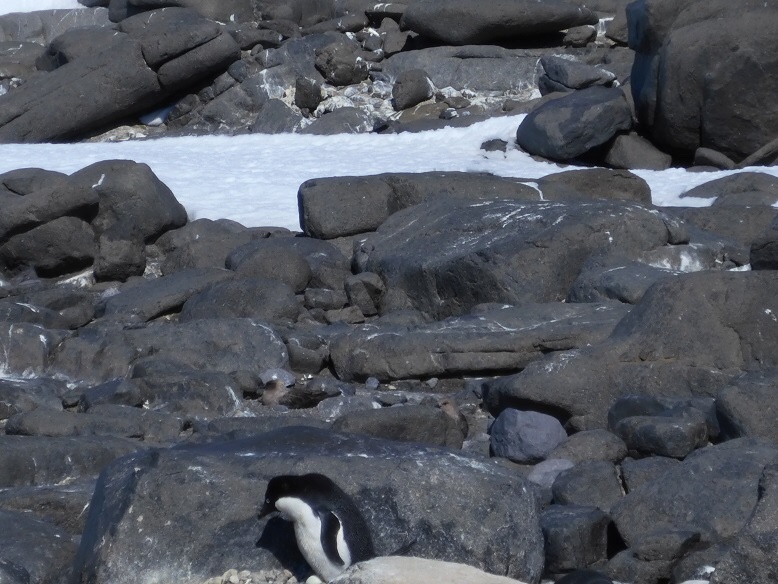
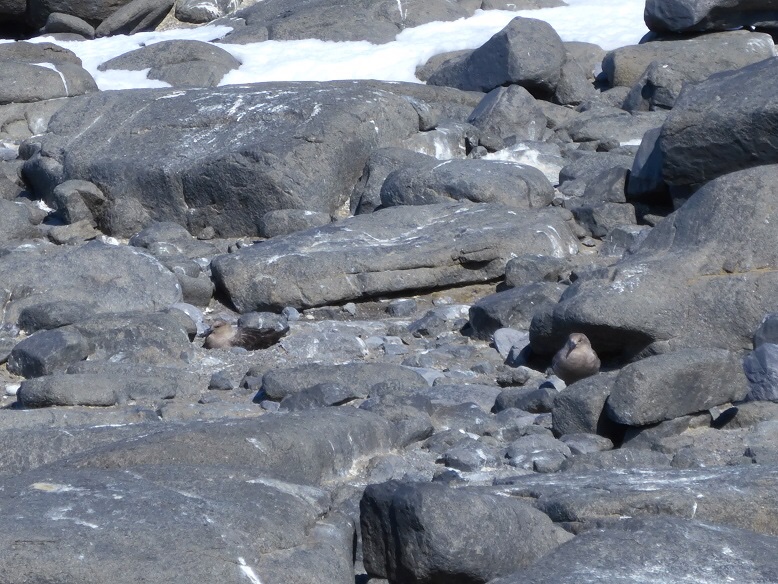
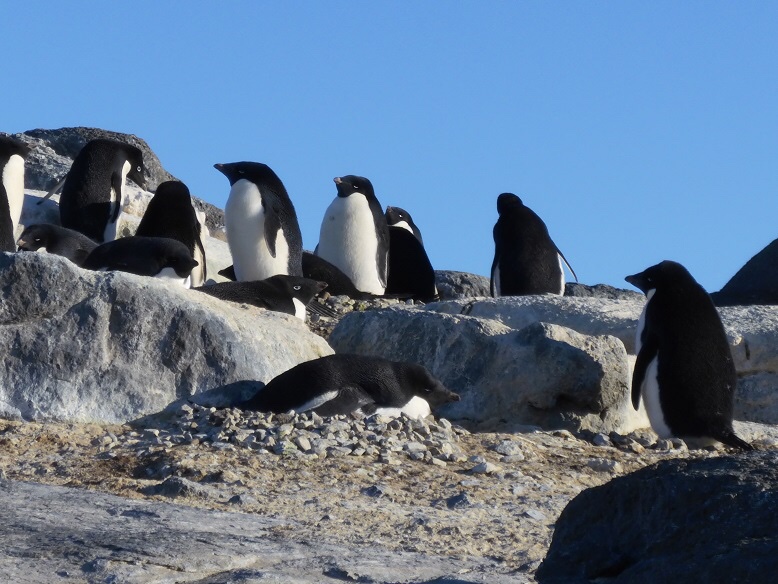
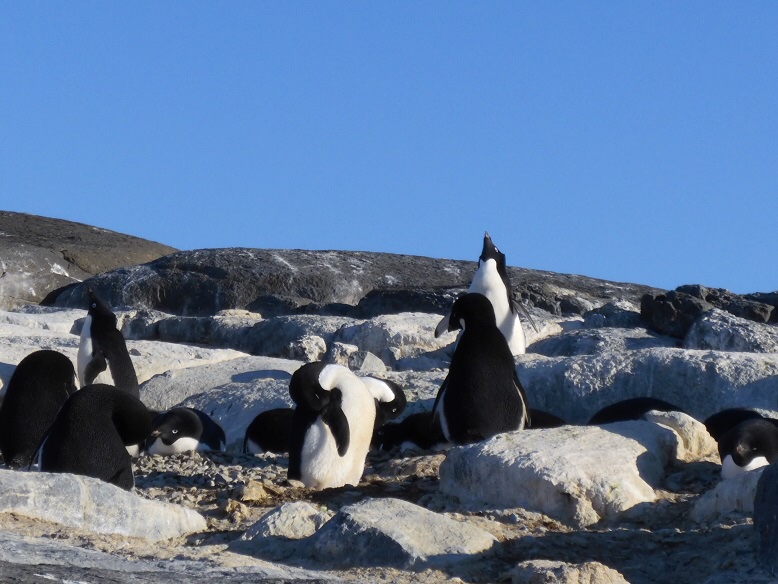
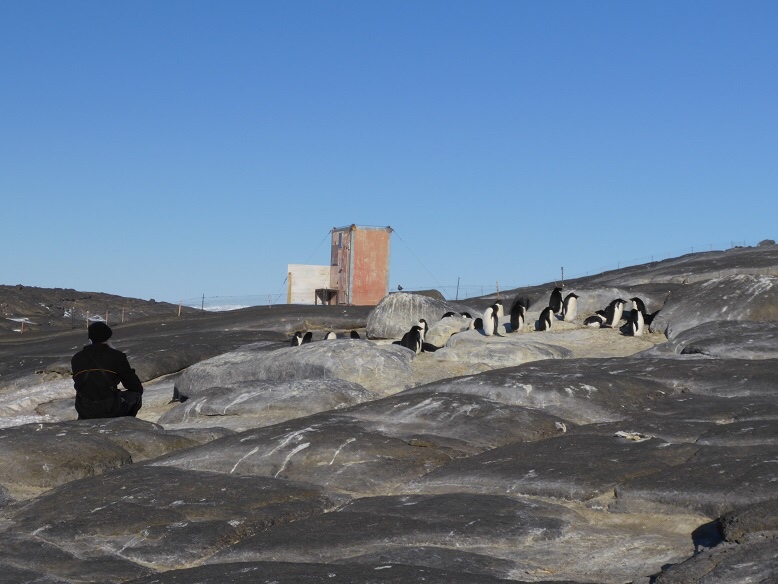
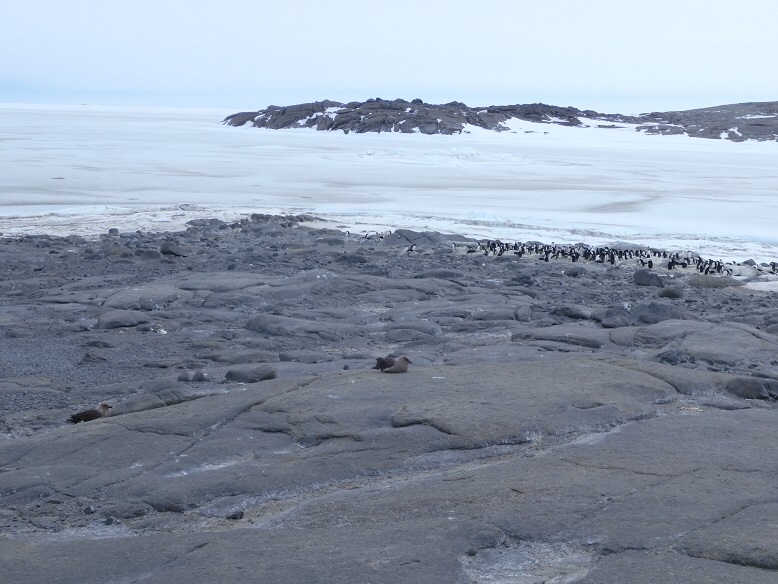
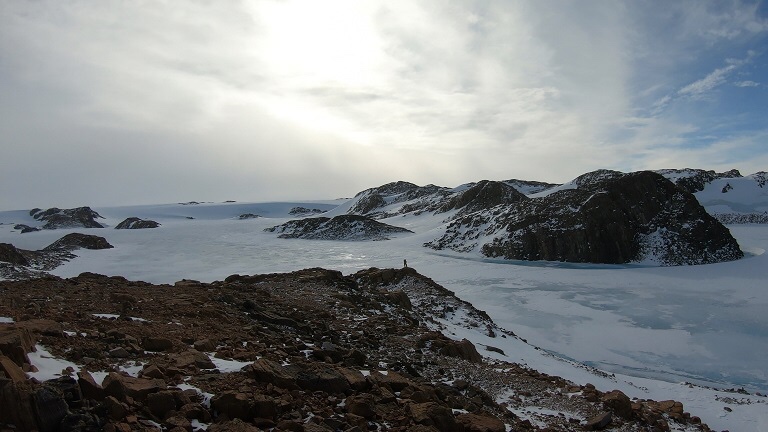
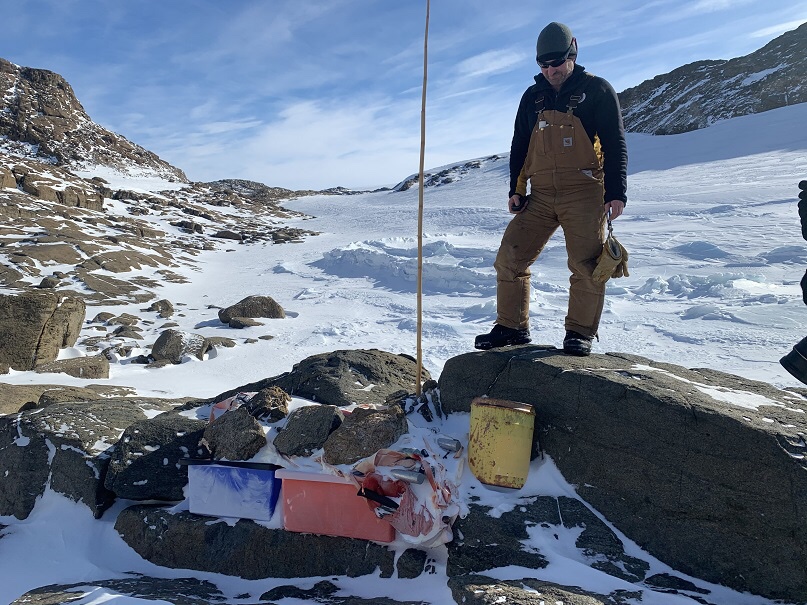
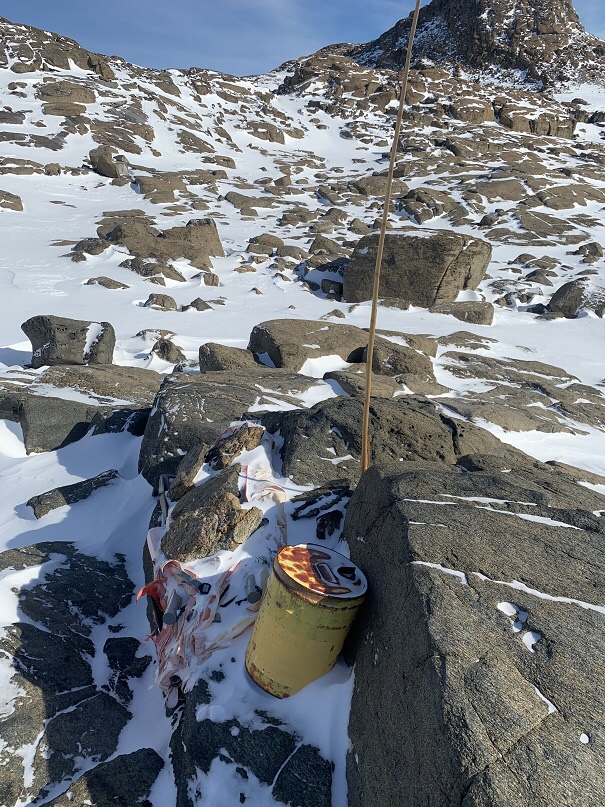
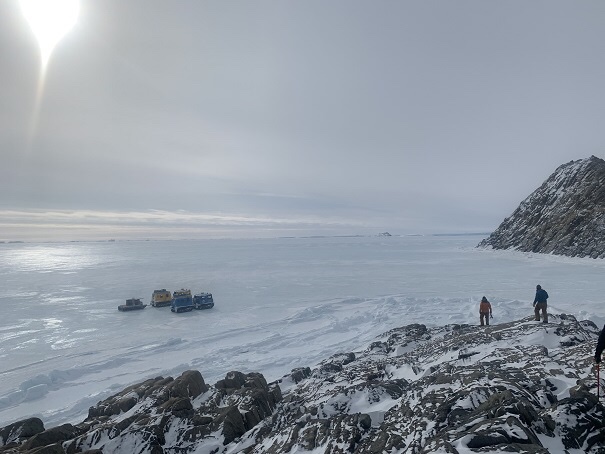
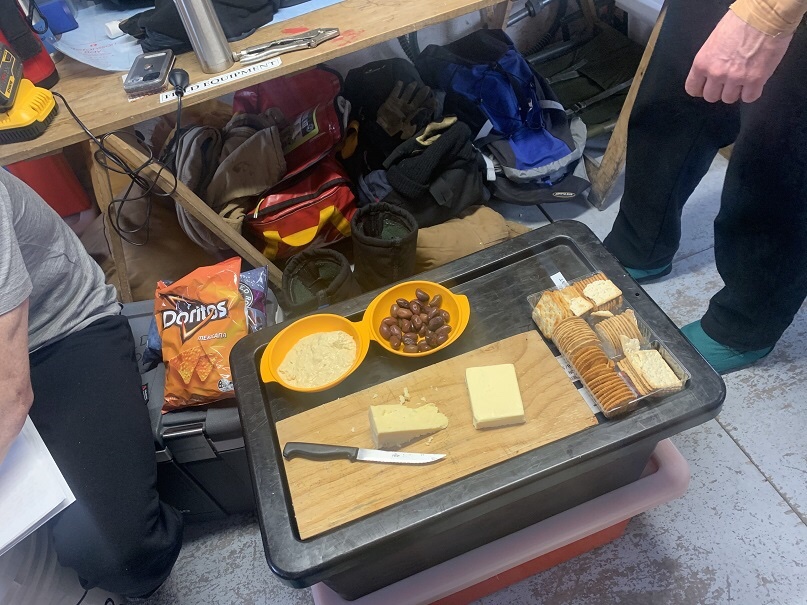
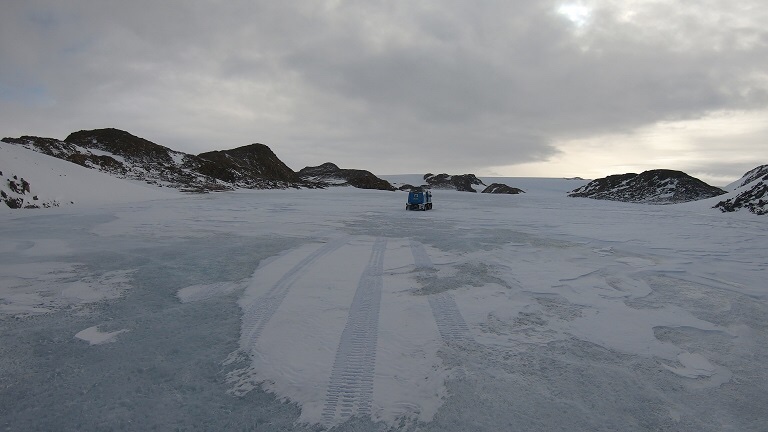
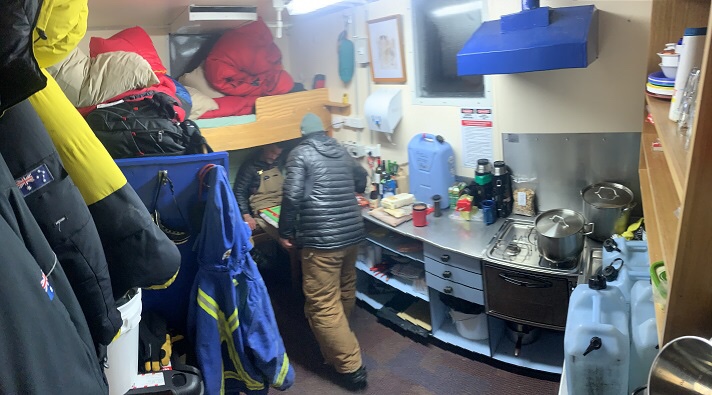
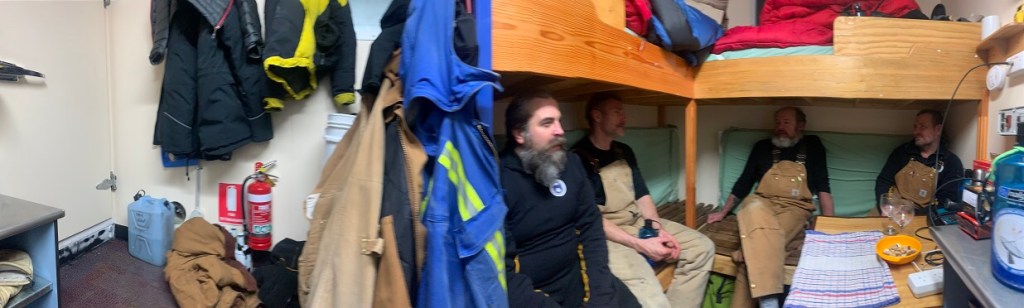
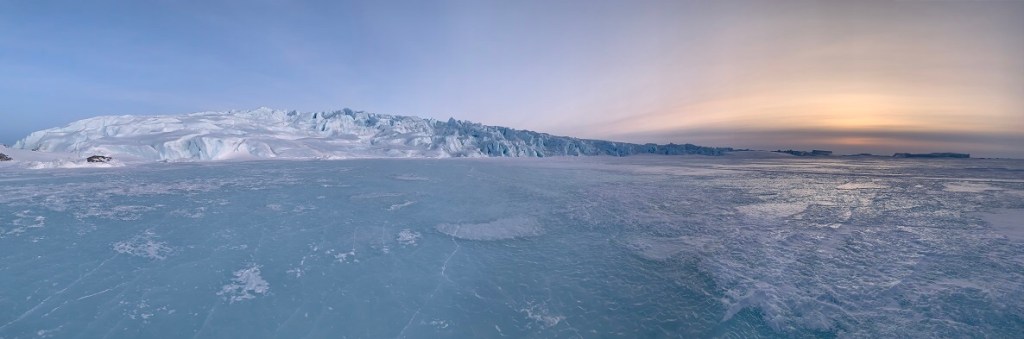
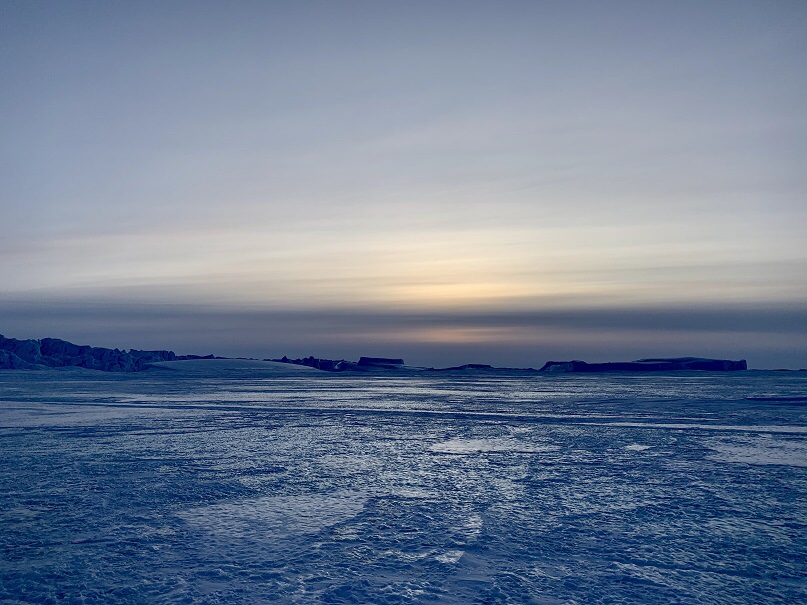
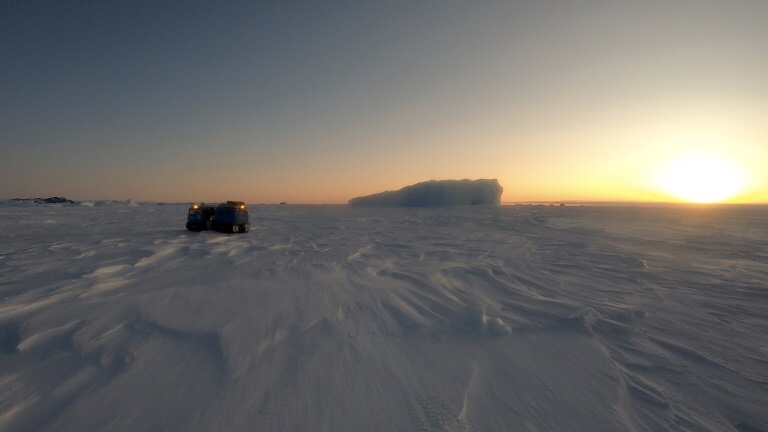
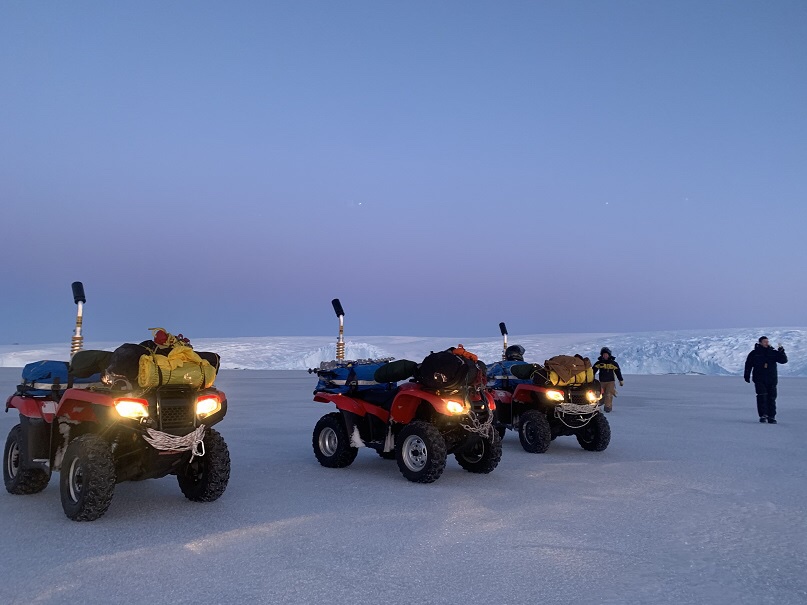
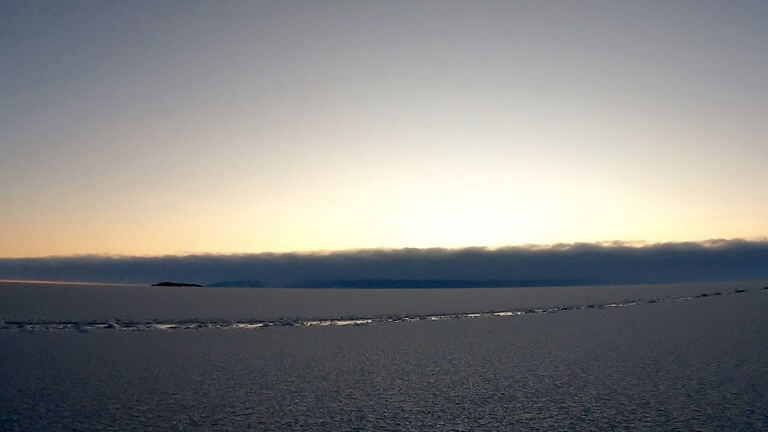
So, it’s been a pretty eventful few weeks and I have been snowed under (pardon the pun) with heaps of photos and videos to sift through. We have completed our third and final census of the Taylor Rookery emperor penguins and we had our largest group ever of people out in one expedition so far this year with seven of us taking part. The lead up to the trip took a lot of planning and prayers to the ‘Gods of Sea Ice’ as prior to commencing the trip we had a period where the temperatures soared to a sweltering +3 degrees for about 5 days in a row. This increase in temperature was a bad sign as far as how reliable the sea ice would be to travel on, with visible melt pools forming on top of the ice. Even though these pools were just the very surface of the ice melting off slightly, it was evident the sea ice will be decreasing quite rapidly from this point onwards. We made a couple trips of about 30kms from station out to the Rookery Islands and where the Forbes Glacier pushes out into the sea to measure the sea ice there, as this point is the least reliable and renowned for breaking out first. We had hoped to wait for as long as possible before commencing the trip to Taylor so to get the most accurate representation of the success of the rookery but it was evident, we were at the turning point in the sea ice. So, the seven of us packed the haggs and left early on the Monday morning and headed straight to Taylor Rookery to complete the journey of 90km and the census all in one day. It takes a little over 6 hours to get there in a hagg but there was plenty of wild life to look at along the way especially as every now and then we came across seals lying next to a hole in the ice with a pup snuggled up close. Once at Taylor I was pretty happy to stretch my legs and as the four people conducting the census headed off into the Rookery, myself, Brett and Matt all headed off to a small nearby island which had a decent (but distant) view of the rookery and surrounding area. To get to the island we had to cross essentially what is the penguin’s highway from the rookery out to the ocean to feed. There was a constant but fairly well spread-out flow of penguins making their way either away from or back to the rookery. I tried to leave my GoPro in their path but unfortunately it was quite hit and miss, a few passed it at first but a lot of others preferred a path off about 20m off to the side. We then made our way round to the back side of the island where the Taylor Glacier pushes past the island with a little melt there were some really awesome stalactites of ice and crazy blue melt ponds at its base. After slowly making the journey all the way round the island we just parked up and sat down in the snow and watched the steady stream of penguins making their way past. When the census was completed after a couple hours we packed up and headed off to Colbec hut where we would be staying the night, only a few kilometres from the rookery. There are actually two huts at Colbec, both sleep four people but there is one hut which is slightly bigger than the other and this one is used for cooking and eating. With seven people in the hut it is quite crowded but after spending the last nine months together we are all pretty cosy anyway. After dinner and the washing up is done we separate the groups. I went for a quick walk up the hill right behind the hut and took one last long look at the surrounding island and bergs acknowledging this could be my last time there. The next day we quickly set about packing up the huts and getting the haggs ready to travel as we expected the weather to turn later on in the day and we wanted to keep ahead of it. Despite the forecast the morning was actually really clear with hardly any wind so took the time to stop and take photos whenever we passed particularly awesome looking bergs or anything that looked like a good photo opportunity. We seemed to time it quite well as about an hour after we returned to the station the sky had become overcast and we started getting blowing snow. The next notable experience on my list is a trip to Macey hut a couple weeks ago. There was an old fuel cache there that needed to be removed as well as the chippies needed to perform some repairs on the floor of the hut. Two haggs and five blokes set off on very borderline conditions. We had low winds but the day was very overcast which is problematic because everything covered in snow becomes the same colour and shade as the clouds above. This makes it nearly impossible to read the ground we are travelling on or even distinguish where the horizon is. I have included a couple photos of what this looks like when we stopped. This low light makes it quite a slow trip but we arrived unscathed in about three hours. Will and Hamish, two of our chippies, set about completing their repairs while Dave, Mark and myself began trying to remove the two old fuel drums which had over time melted further into the ice. It took a bit of work to break them free as the drums were rusted at the bottom and we didn’t want to puncture them. Also making it slightly more difficult was we had to try and reduce the noise we made so as to not disturb the Adelie penguins which were nesting quite close to either the hut or the two-person polar ‘Apple’. After a bit we did finally get the drums free and even had an inquisitive Skua come over to see if we had dug it up a meal. Unfortunately, we had to leave the hagg and sled a fair way away because we had not wanted to scare the Adelies causing them to panic and expose their eggs – the Skua’s are constantly waiting for them to make this mistake. This meant we had to hand roll these drums of fuel a couple hundred meters over soft snow to be able to load them onto the sled. This was pretty tough work but we felt better knowing we finished before the chippies did. Once all the work was completed we retired into the hut for a cheese platter and beers – this seems to be a field trip staple. This also always seems to be a mistake because after all the cheese and biscuits no one ever really seems hungry for dinner anyway. After dinner the sky had begun to clear and we all had a quick walk around Macey island. This was pretty neat watching the icebergs around the island almost appear out of nowhere as sunlight came through and they became visible. As there are no scientists coming down to Mawson this year because of COVID we have been asked to step in and help out with a little bit of data collection so scientists back home can still continue parts of thier research. Groups of people have been heading out to the nearby island and counting numbers of penguins nesting on each island. As well as going to Beche Island and retrieving data from the weigh bridge and scanning Adelie penguins which have been chipped. I was recruited to help Will do a seperate survey though and the two of us went out trying to locate Skua nests and birds that have been tagged. So over two days we spent riding around on quads between the islands following GPS waypoints guiding us to where the birds nested last year. The Skuas keep their nest right next to the nesting Adelies providing them with the opportunity to briefly leave the egg to go and feed if the partner happens to steal an egg off an unfortunate Adelie. It was actually a nice change to focus on something that wasn’t a penguin for a while. Though it was quite funny since the Skuas are very well camouflaged to look like rocks and the nest in small crevasses and fault lines in the rock it was not uncommon to get a decent fright as when I was walking along and suddenly a rock would grow wings and start screeching at me. Same with the moment you stopped trying to pick a path in between the nesting Adelies to focus on a possible skua site, I would be startled by an Adelie suddenly popping its head up and making a noise similar to a cat about to get in a fight. We did quite well over the two days, finding most of the nests that were way pointed as well as finding several more brand-new nests which I’m sure the scientists will be quite chuffed about. Now that the weather is getting reliable/better and the sea ice is on its way out, we have started to focus more on plateau-based trips and this last weekend, Mark, Brett and Myself Climbed Mount Henderson. The Mountain is about an hour away in the Hagg but with a little bit of wind it was still a really nice day. The peak of Mount Henderson is 951m above sea level but the climb itself was approximately 600m. With probably only the last 80m requiring us to be roped up and belaying each other. With only slightly more than fair winds it was pretty amazing to be up on the summit on a clear day overlooking such a wide expanse all around us. It took us just under three hours to complete the climb and then retrun to the hagg at the base of the mountain, was a pretty amazing experience for just a half day trip.
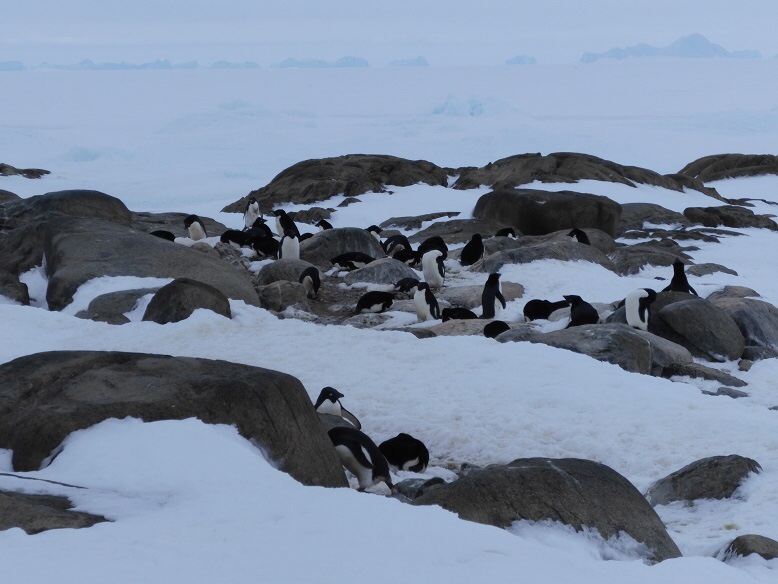
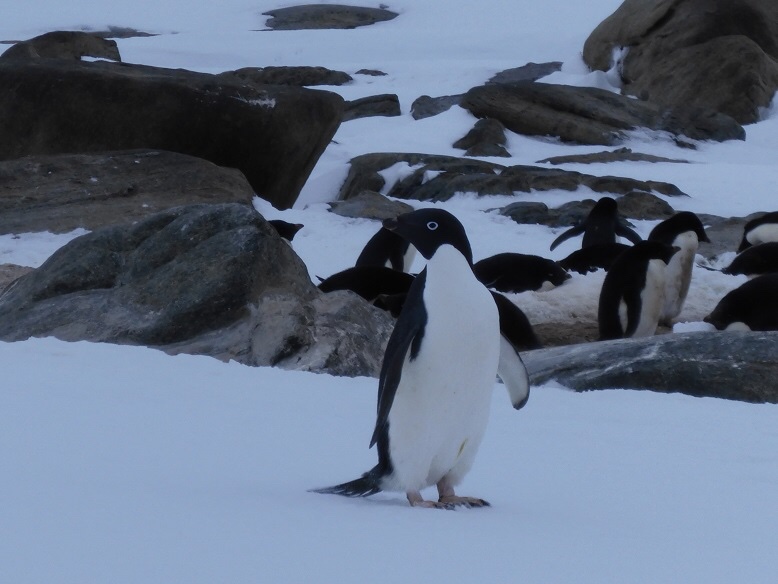
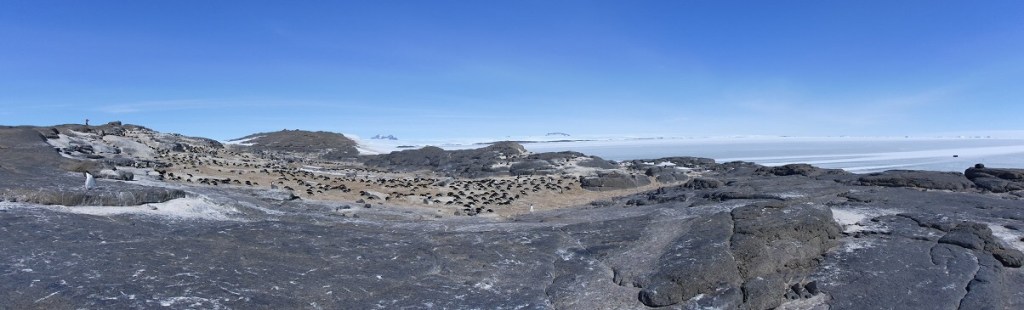
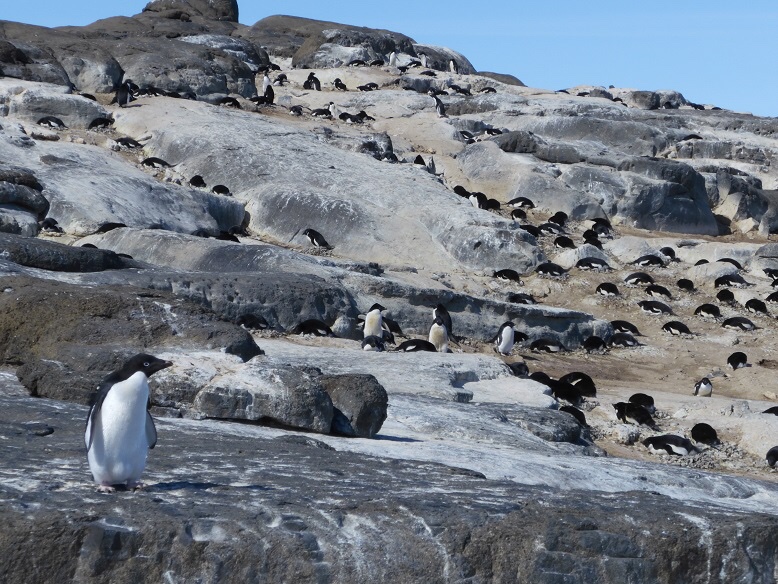
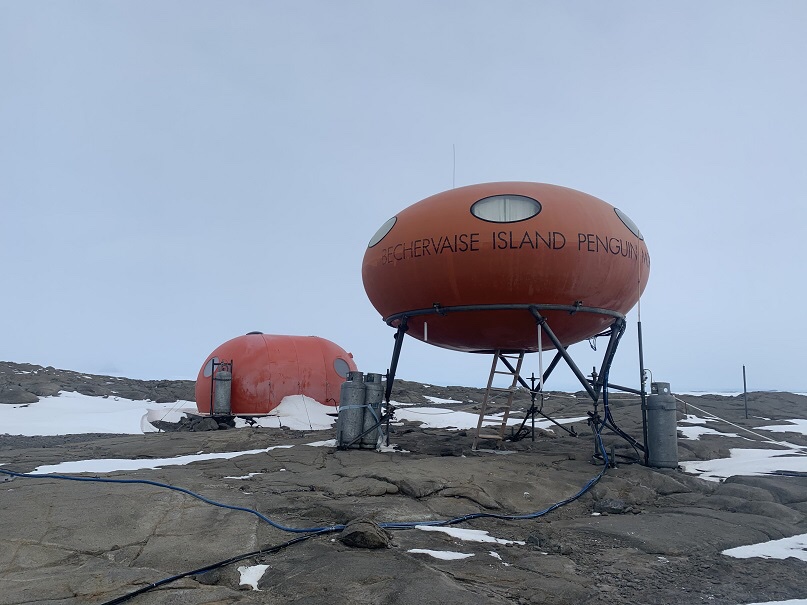
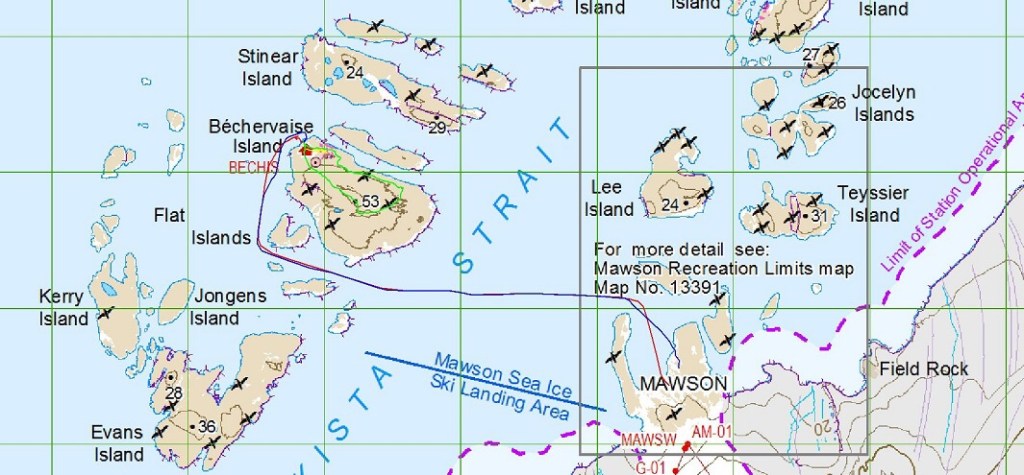
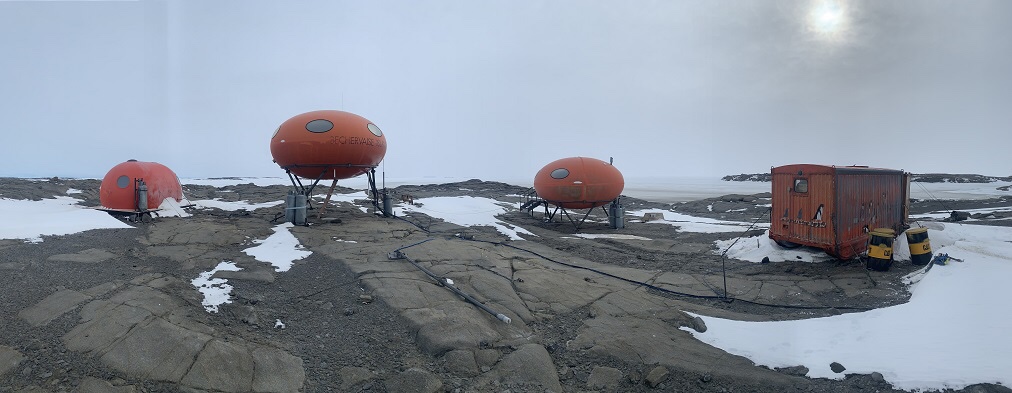
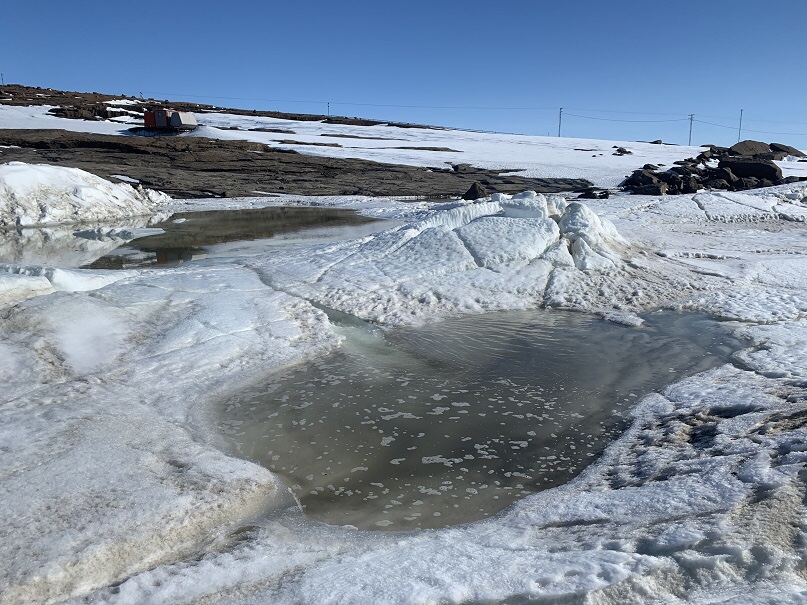
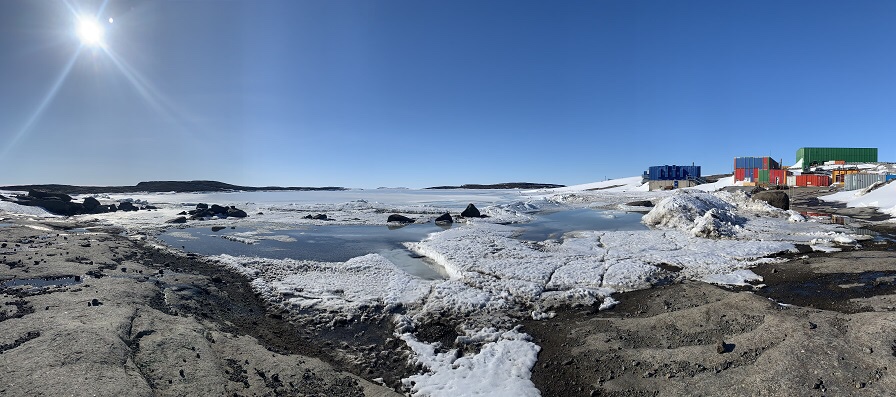
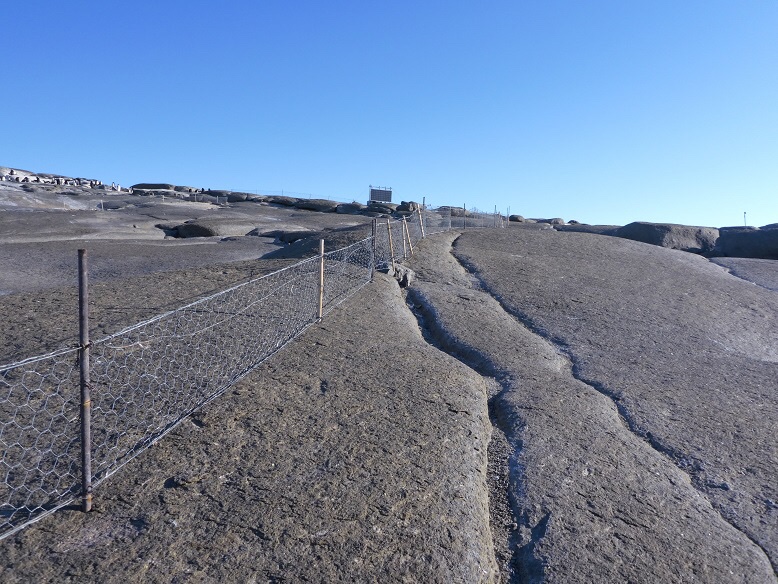
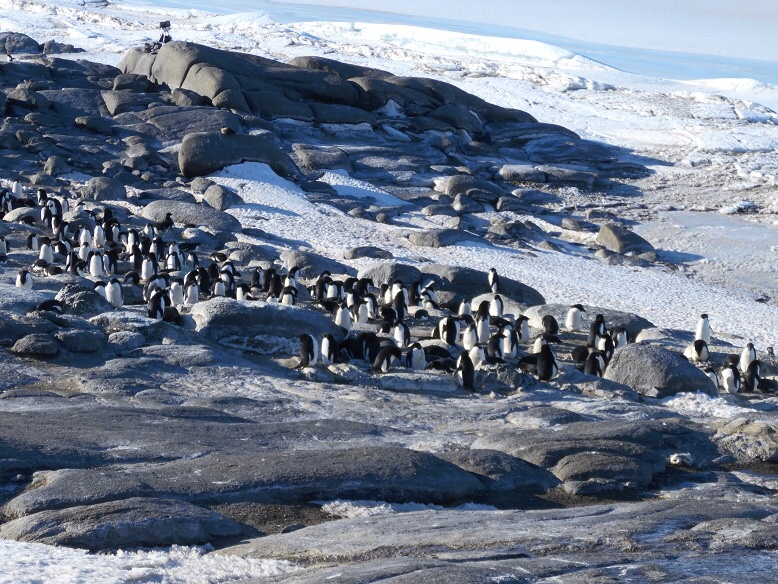
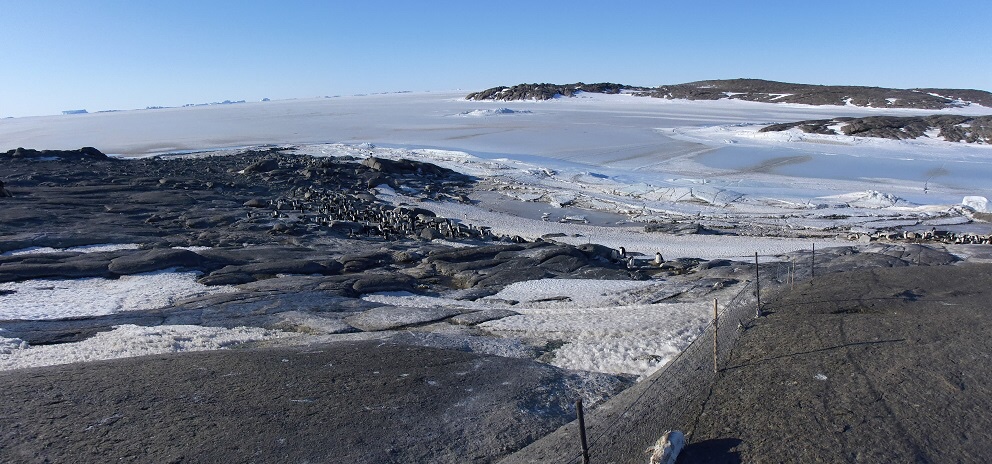
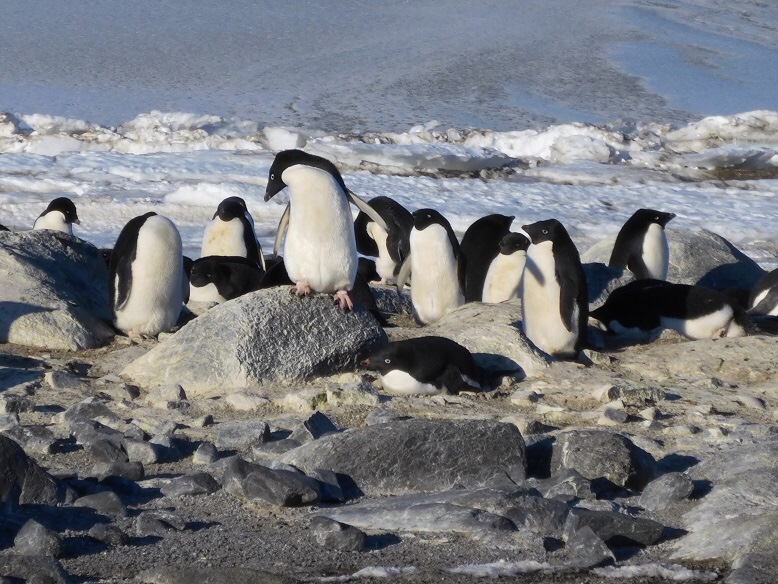
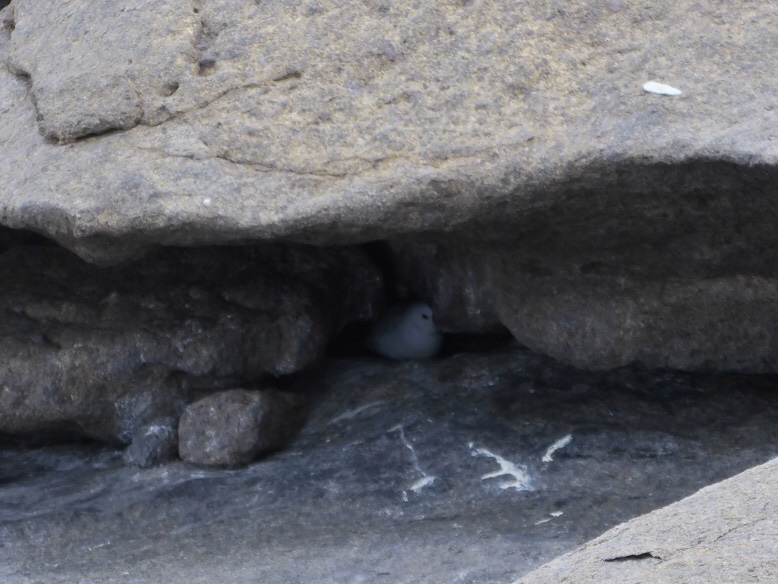
Last weekend I went on an overnight trip with two other fellas to Beche Island. The only thing different about this trip was that I was the ‘Trip Leader’. Being the trip leader is more about the planning and admin side of expeditions – I had to put in a trip application which involved documenting where we’re going, what route we will take, what vehicle we will be in and who is on the trip. Both the other guys, Darron and Brilly, were experienced trip leaders so I could always call on them with how to organise everything if needed. It’s nothing overly complicated but basically getting everything properly documented, so all communications and backups are all on the same page with station and looking after the welfare of the group. We headed off after work on the Friday afternoon, quickly got ourselves set up, and then got to relaxing and enjoying the weather. Adelie penguins have returned and began nesting on the island so we went to go have a look at them. Adelies are not quite as comfortable to come up and investigate us as the emperors have been but they are comfortable to have us around so long as we keep a decent distance. A weigh bridge has been set up on the island to monitor the penguins through their breeding cycle, so a little fence has been put up to funnel the penguins over the weigh bridge as they make their way up and down the island. It’s quite funny to see this shin high Adelie-proof-fence. The weather was perfect, only about -3 and almost no wind – we could quite happily and comfortably sit outside with no jackets on, grabbing beers from a bucket filled with snow. Eventually we went inside to prepare dinner. An Antarctic staple is a ‘Fray Bentos’, a steak and kidney pie which comes in a can. I had heard them mentioned with very mixed reports but had not tried one yet. We cut the top off the can, exposing the puff pastry underneath and then put them in the gas oven for 30 mins. I didn’t imagine I would enjoy it but I actually really did much to Darron’s delight having converted another believer. Since there is no actual darkness anymore midnight came around very quickly but it was a very enjoyable night. The next morning, we cleaned and packed everything up and went for a small walk around the island. I have attached a picture with a GPS plot of our route out and back from the island as well as where we walked. There is a lot of life on the island – snow petrels are nesting in small sheltered cracks in the rock and Skuas are constantly keeping close to the penguins waiting for the chicks to arrive and keeping a look out for the sick and injured. In the end happy to report we had a great time and I didn’t lose anyone and we got back to station safe and sound. I now have trip leader status meaning I can organise trips and groups to head out into the field. Since that trip though we had pretty crappy weather come through with a lot of snow being blown on station and a couple blizz days but it has given me a chance to brush up on my dozer skills while clearing blizz tails from station. From the Friday just gone something very strange has happened – the temperature has soared to above 0 degrees and is currently sitting at about 3 degrees. I kind of forgot about positive temperatures. We are getting a lot of melt around station and yesterday I went out to the back of station and stood at the edge of the plateau and could actually hear running water under the ice. It was actually a really nice sensation to hear running water again. Pools of water are building up at the tide cracks at the edge of the sea ice. It’s nice to see a bit of change. At 3 degrees I am perfectly comfortable to walk outside wearing just a shirt and shorts. However, this means that the sea ice is probably not going to last much longer and we are still planning to try and do one more census at Taylor rookery as late as we can. So yesterday Mark the FTO, Frank the doctor and Me the narrator headed out to the west to check how the ice on our route was fairing. It’s still thick enough but definitely beginning to deteriorate. It was quite strange to see pools of water on top of the ice from surface melt. So, I imagine our next trip out to Taylor will be happening sooner rather than later.
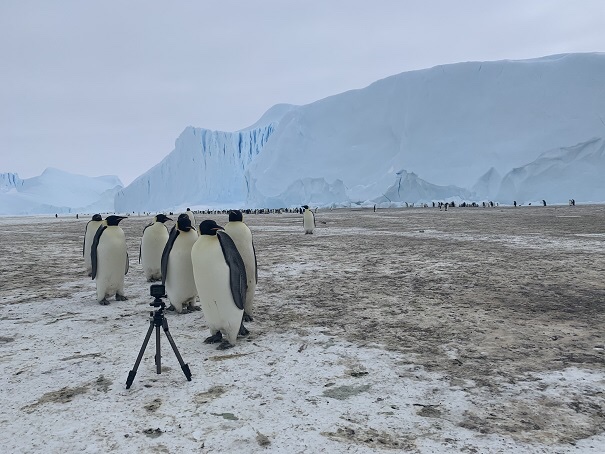
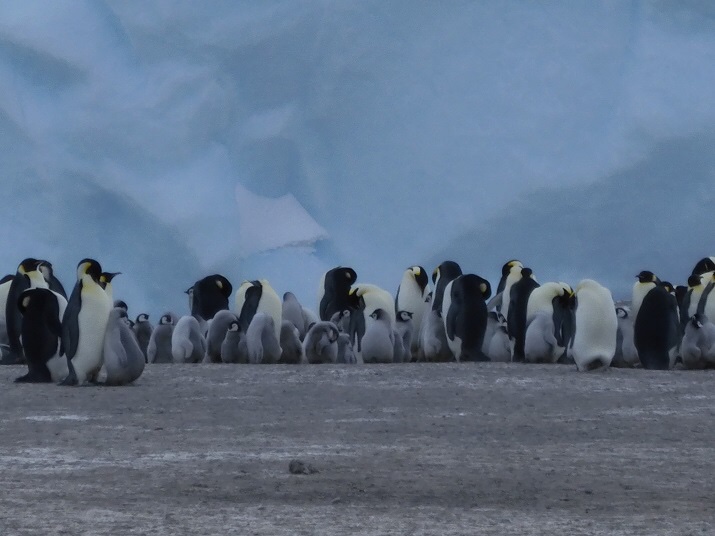
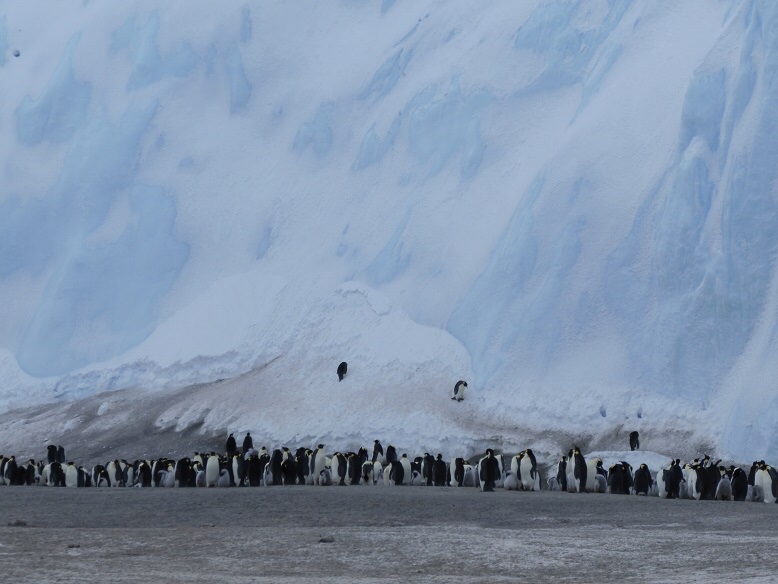
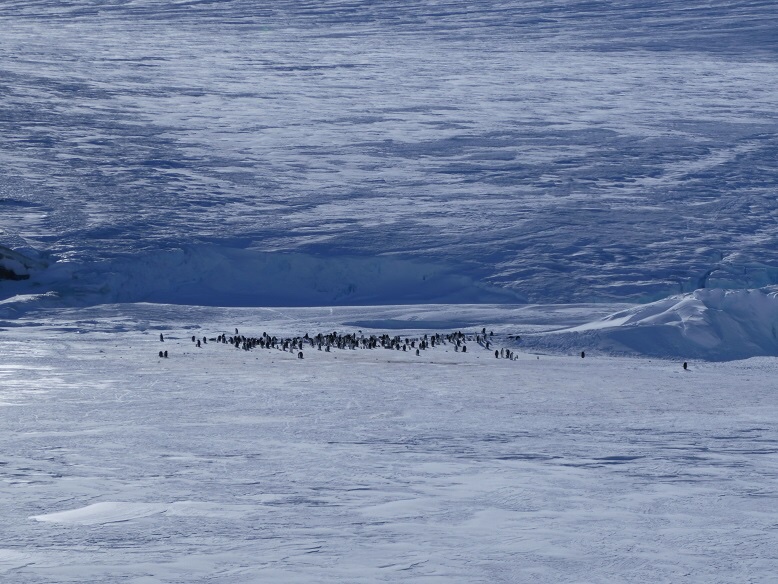
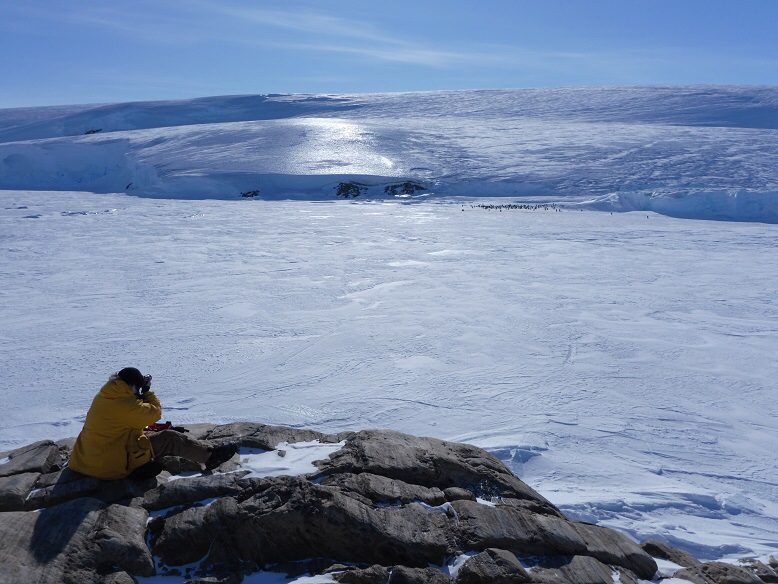
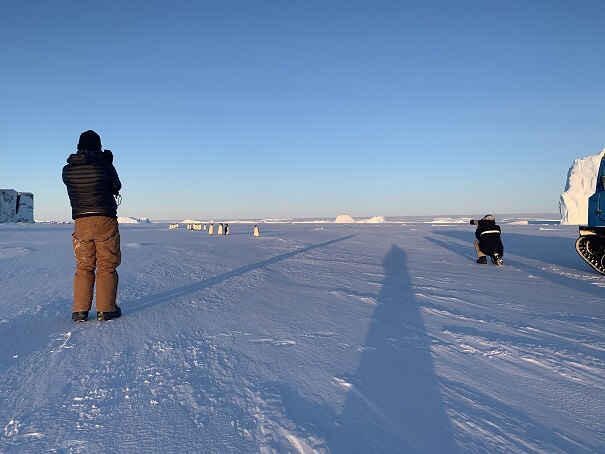
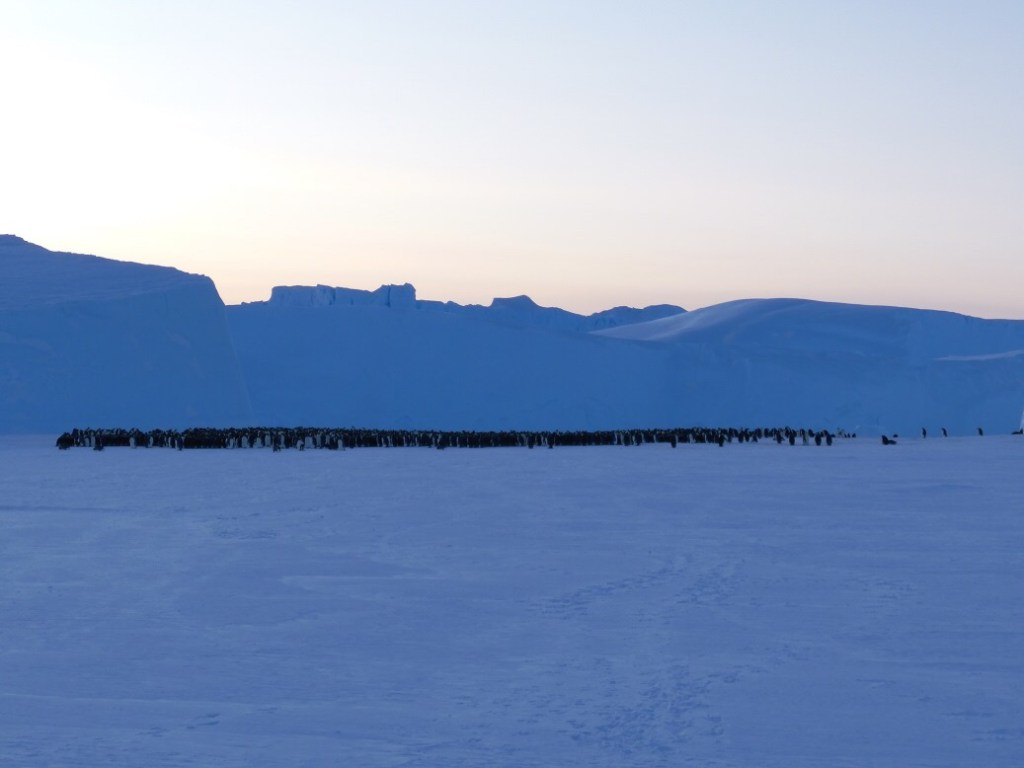
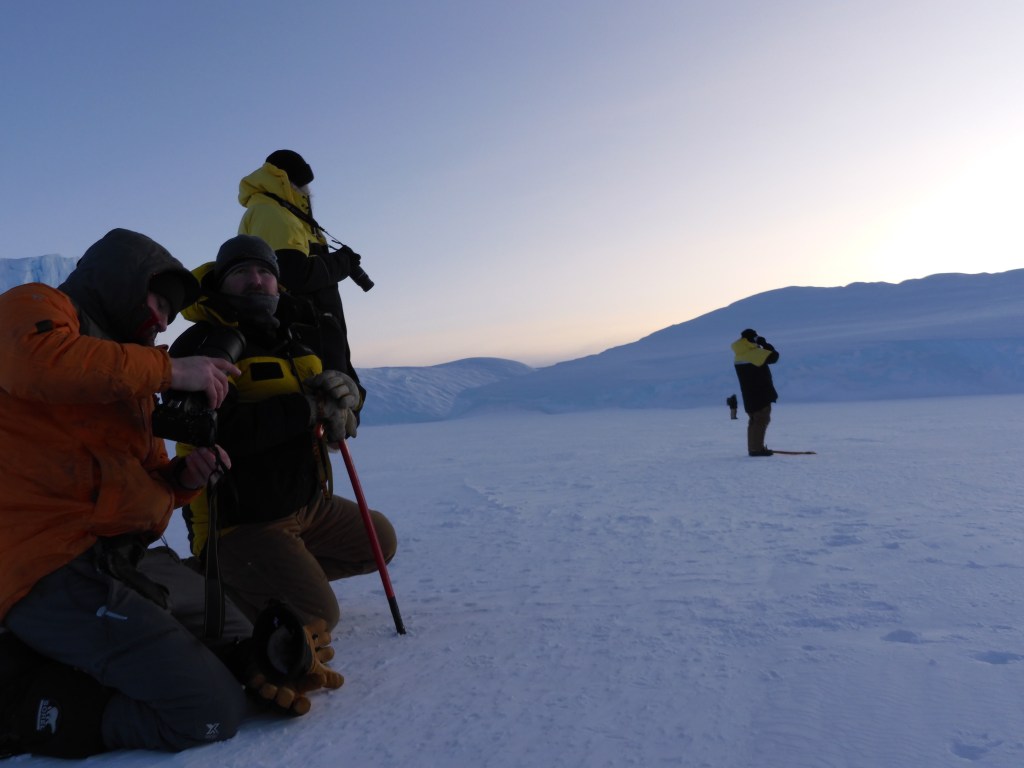
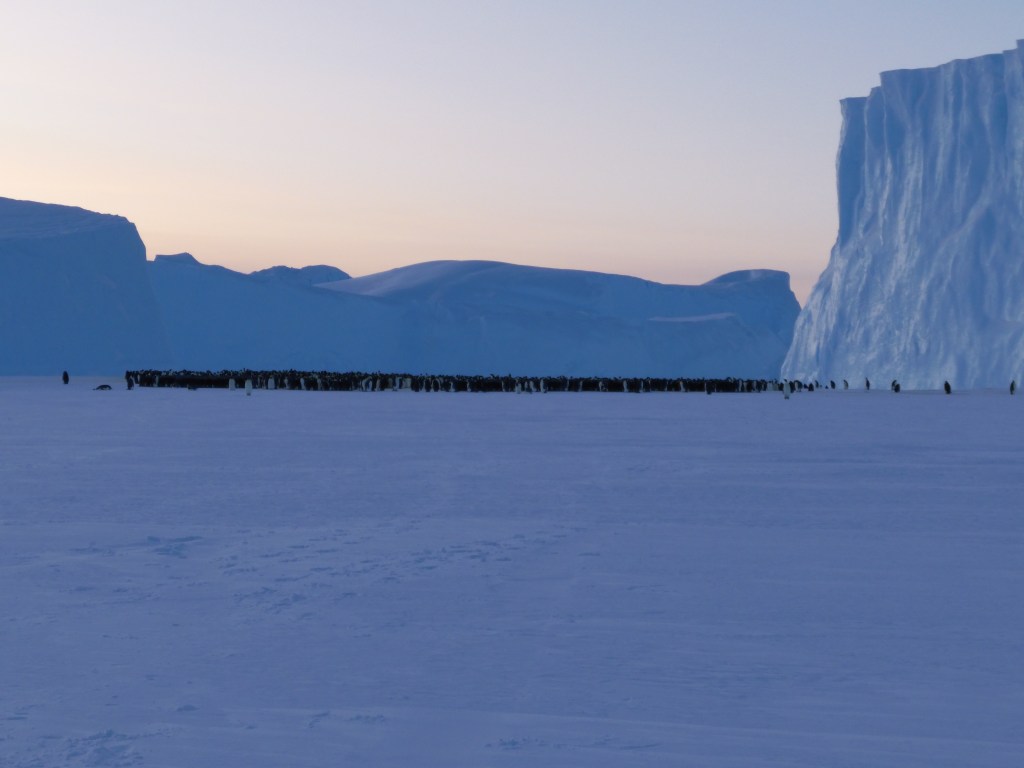
This Saturday 8 of us went for a day trip out to Auster rookery. I was pretty excited to get back out there as I had only been once before and the chicks were only just about to hatch back then. Auster would be one of the Larger rookeries with approximately 4000 birds and the rules about approaching this particular rookery are a little more relaxed, so it makes for a great experience. It takes almost 3 hours travelling in the Haggs to get there from Mawson and we park up almost 1 km from the rookery so as to not cause any disturbance. Even at that distance there are a couple stray penguins either making their way back to the ocean to feed or back to the rookery. They will quite often come over to check us out and see what’s going on. If they are on their own, they still seem pretty happy to stop 4-5 meters away from our group. As we approached the actual rookery we noticed they had split into two groups which is not unusual as they are quite happy to spread out a bit when the weather is good. The two groups were about 300 meters a part so we walked into the space between them and made our way a little closer to the smaller of the two groups. As we each set about grabbing our cameras and setting up a few penguins at a time started waddling over to come see us. So long as we stay quiet, don’t go moving too quickly and stay kneeling down when possible the penguins are not bothered by us at all and its quite cute as to how curious they are. After a few minutes watching them I turned around to notice penguins from the other group had snuck up behind us and were watching us watch the other group. I hung out there for quite a while just enjoying the novelty and unique experience before moving off to have a look at the other group. These penguins have been in roughly the same spot for the last 6 months, so the snow underneath has been stained a light greenish brown. I had heard stories about how bad these rookeries can smell towards the end of the season but it didn’t seem quite that bad but was also definitely noticeable. As most of the penguins were grouped together hugging the edges of the icebergs sheltering the whole area, I found a spot in the middle of the clearing, in a small patch of almost clear snow. After a few minutes a group of about 10 penguins made their way over and chilled out about 3 meters away from me. Luckily they didn’t seem at all worried by my GoPro I had on a stand and were happy to sit about 1 foot away from it. The only tricky bit was when I went to leave, I had to slowly crawl over, reach out and grab it back. The one closest to it shuffled back slightly a little nervously but apart from that they were not at all fussed. They seem to be very sociable and curious animals and since they don’t have any land-based predators, are quite happy to investigate their visitors and will spend quite a while very close to us. It is an unbelievable experience not only because very few people ever get to experience this especially in this environment, but also to be allowed to get so close and intimate with wild animals.
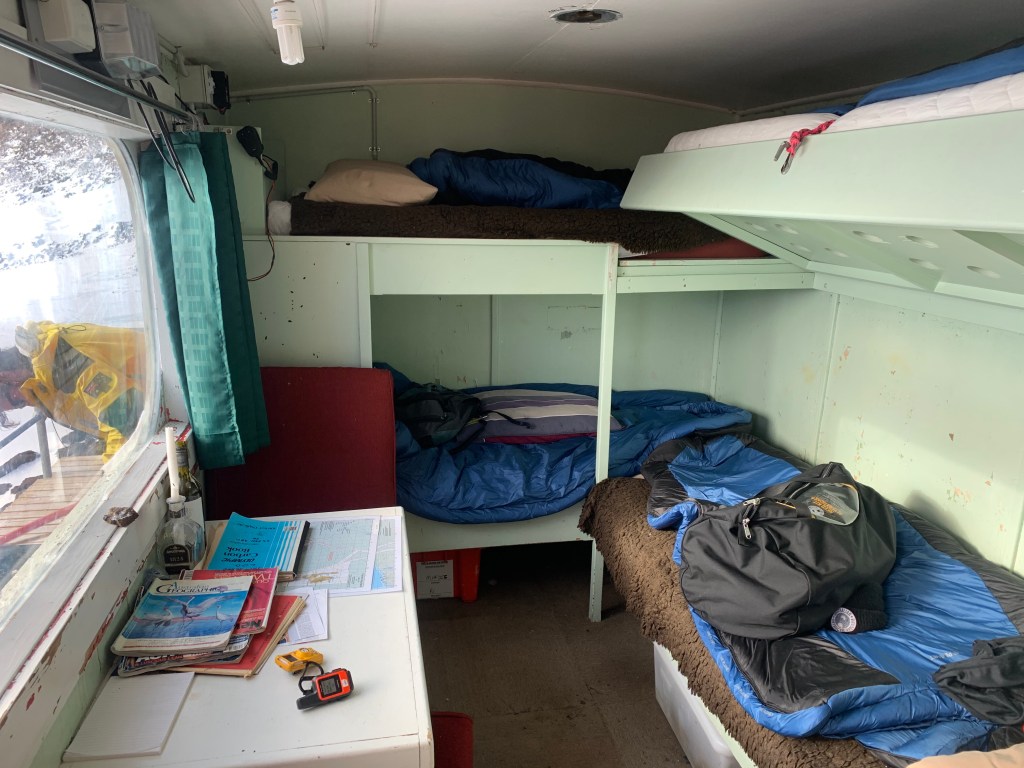
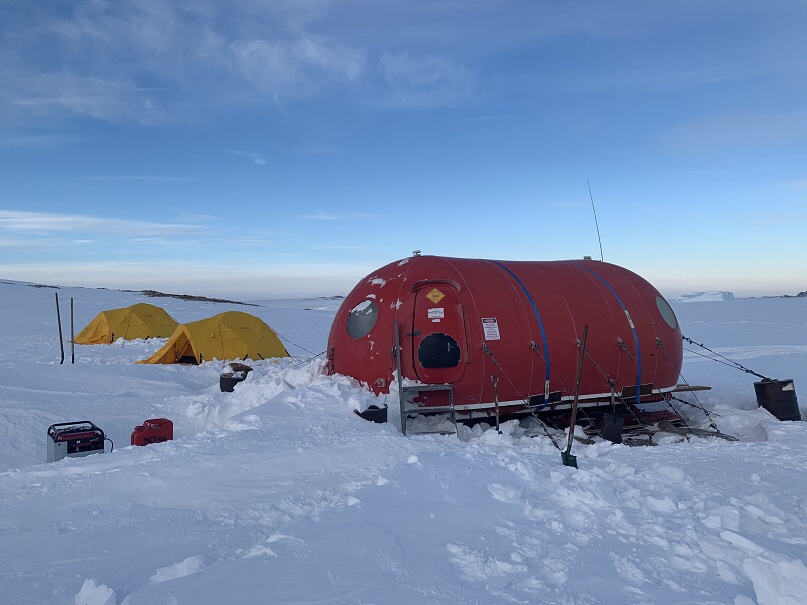
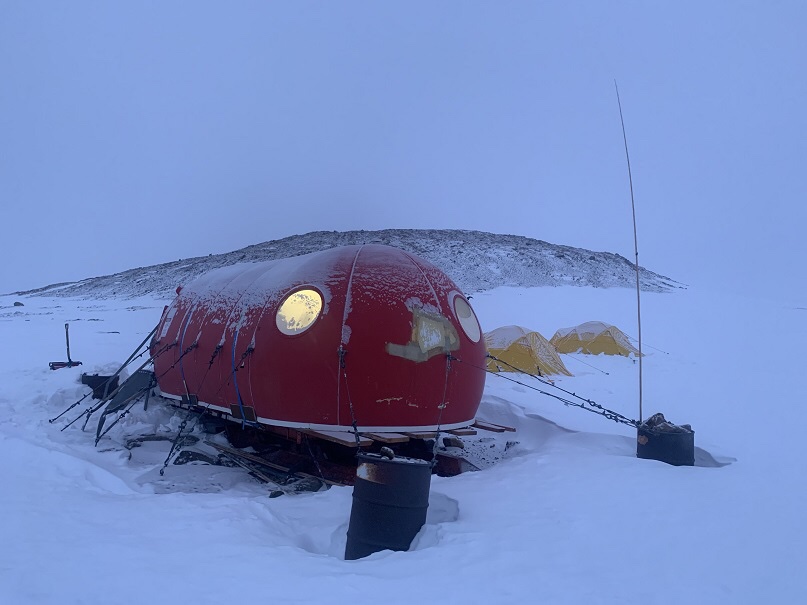
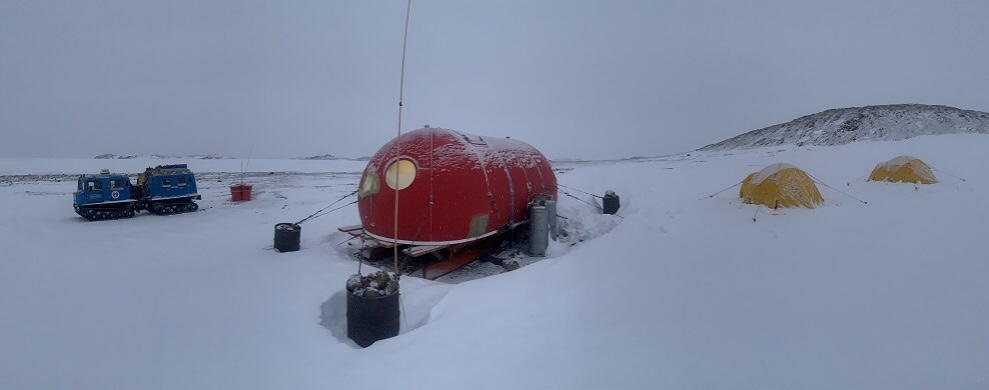
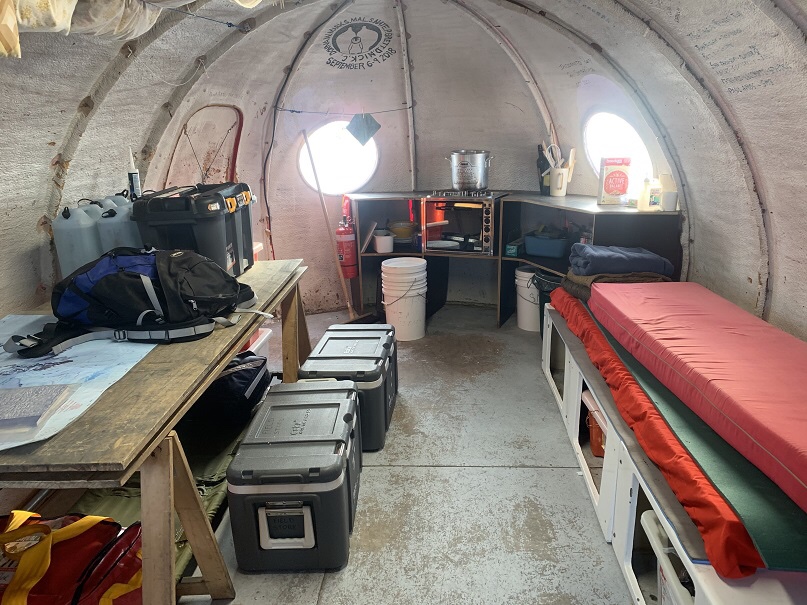
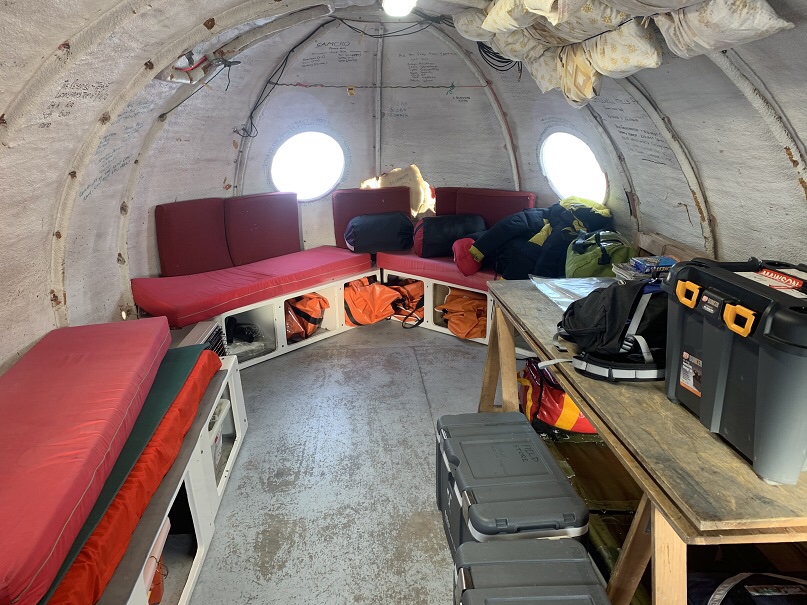
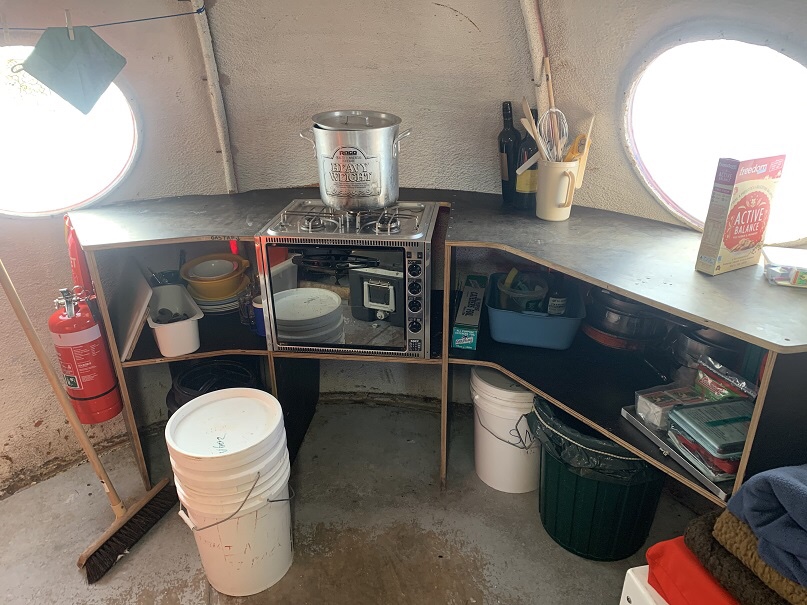
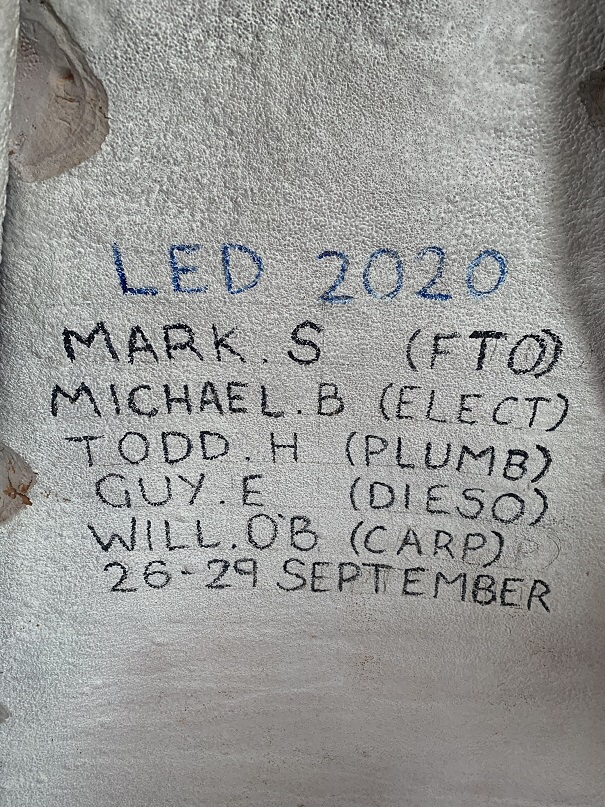
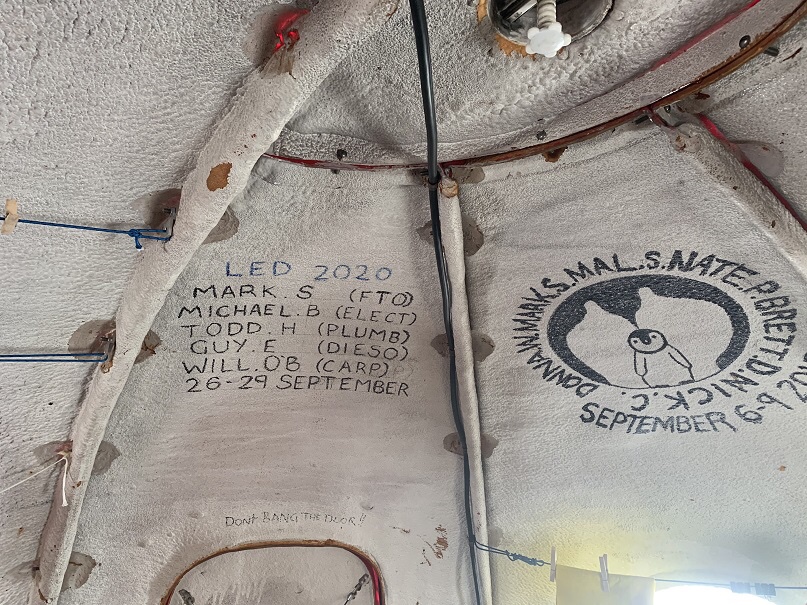
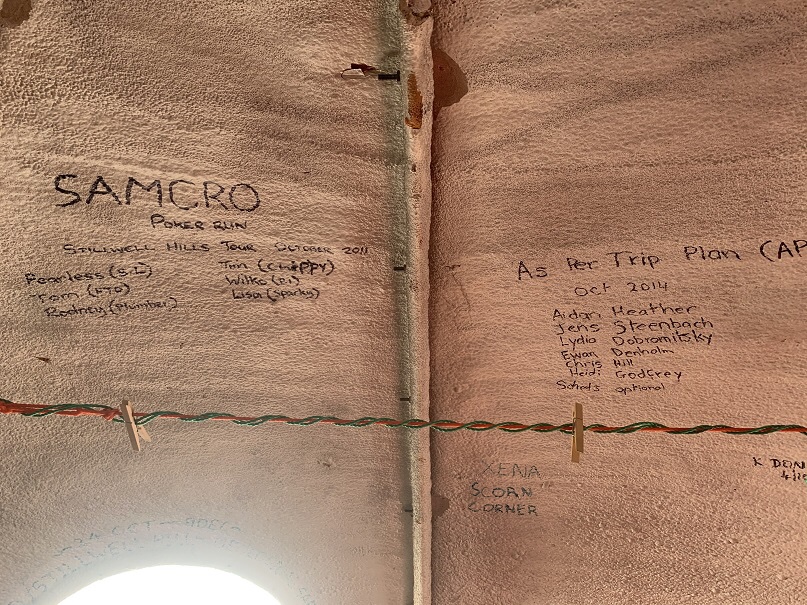
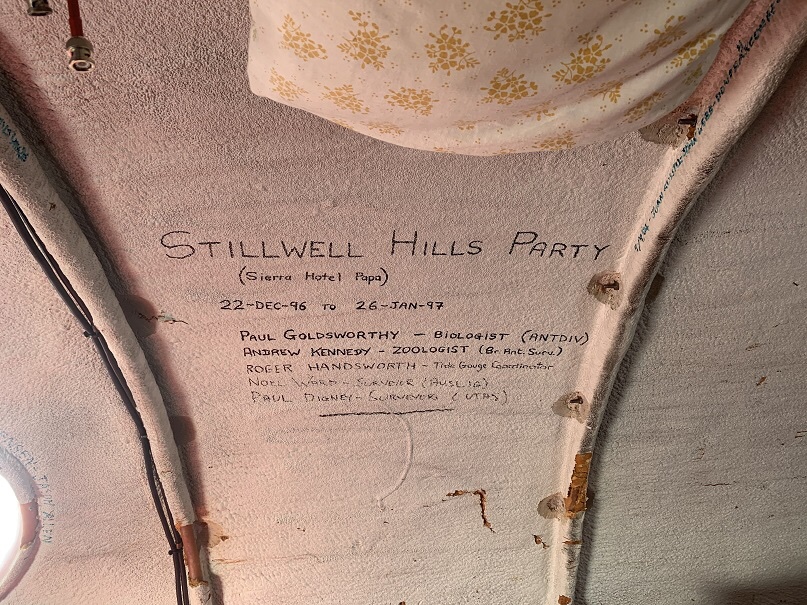
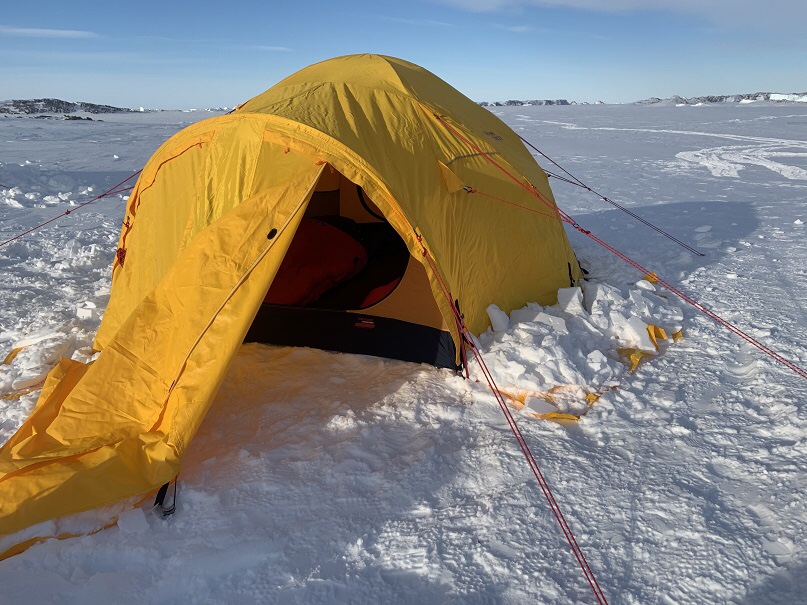
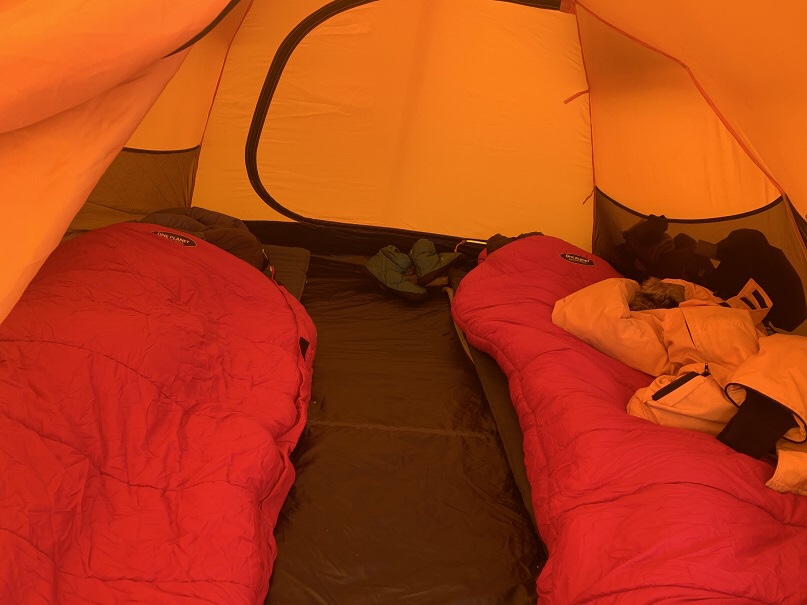
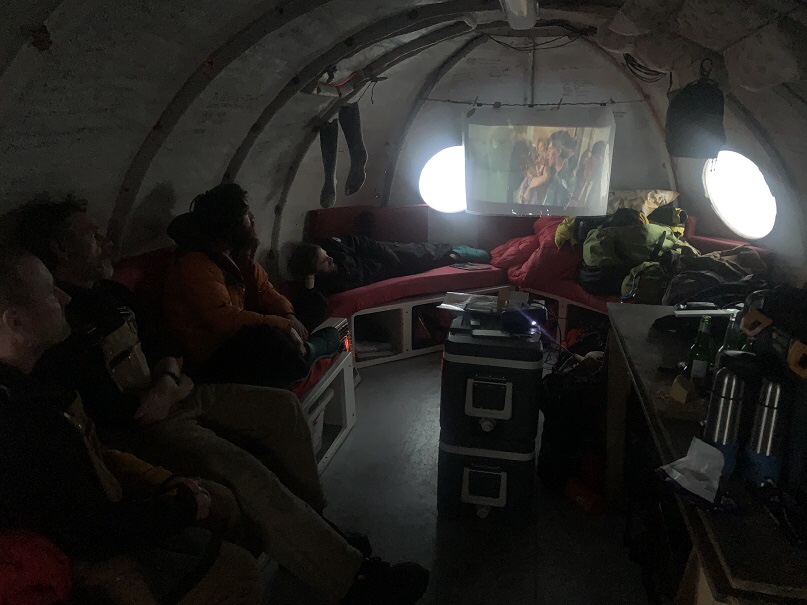
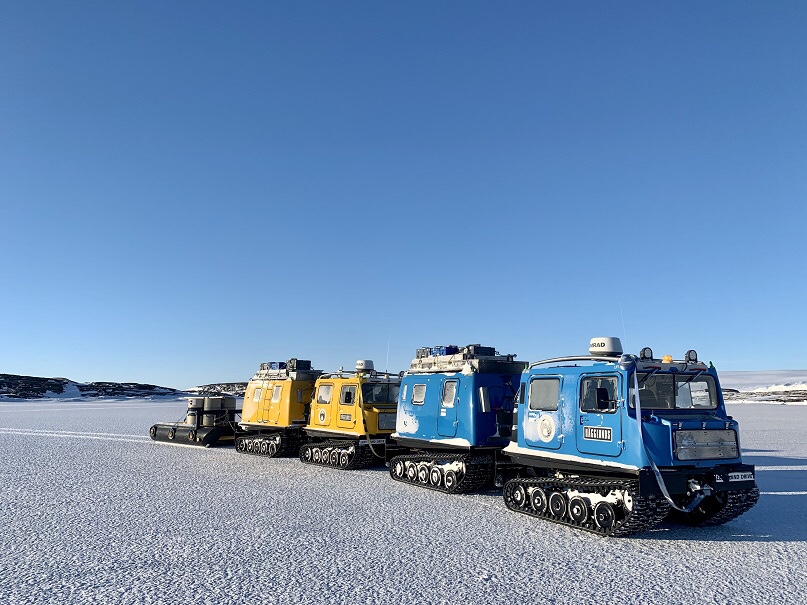
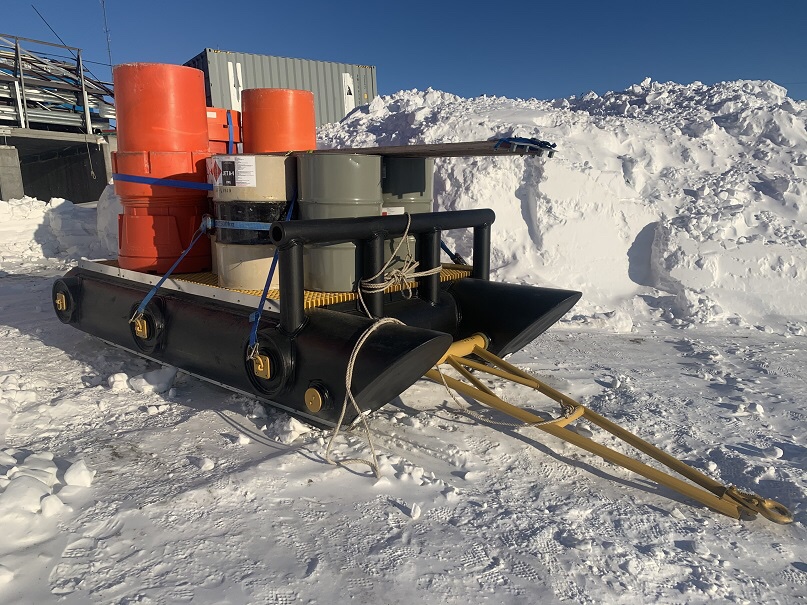
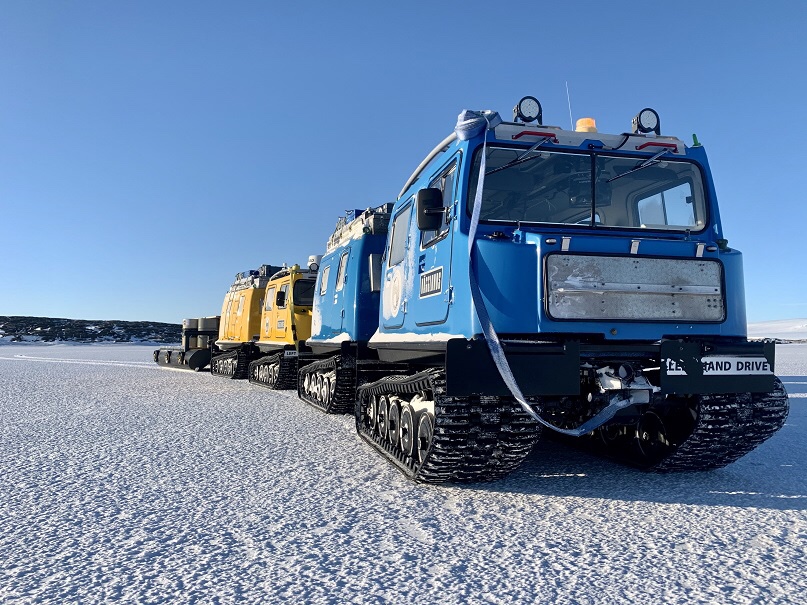
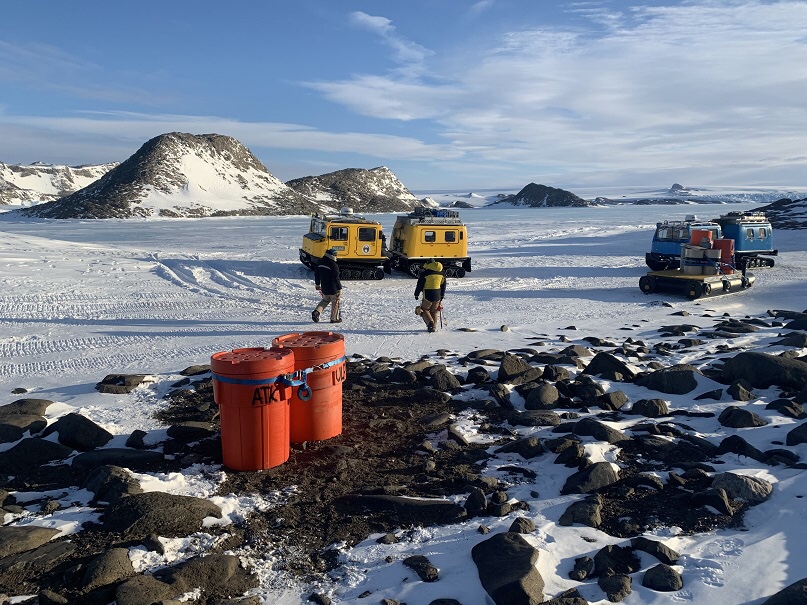
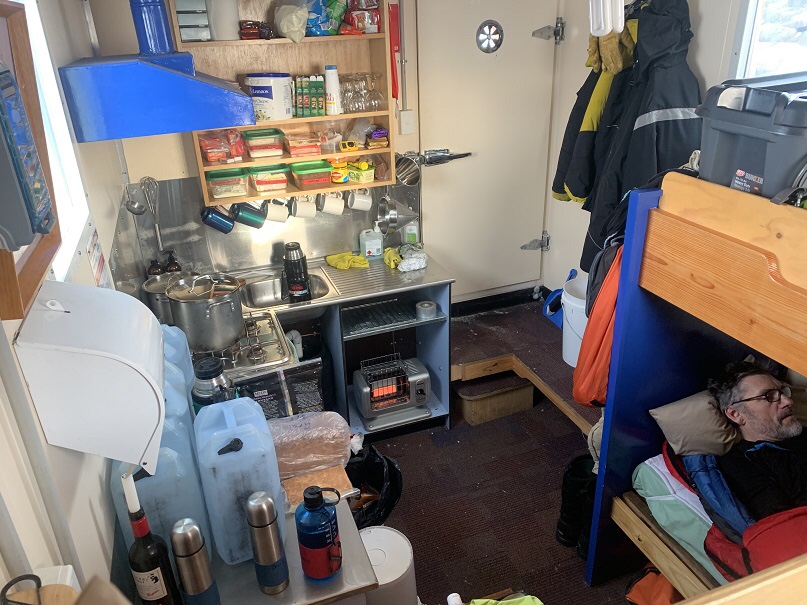
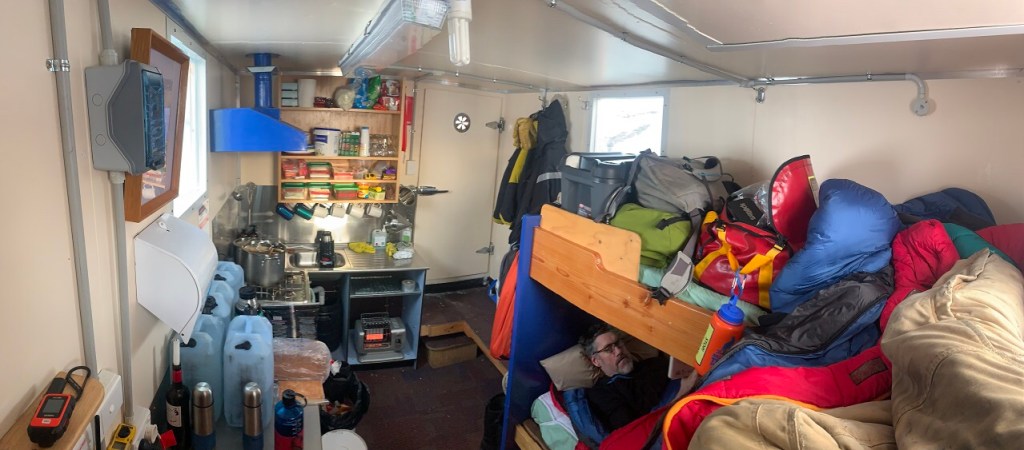
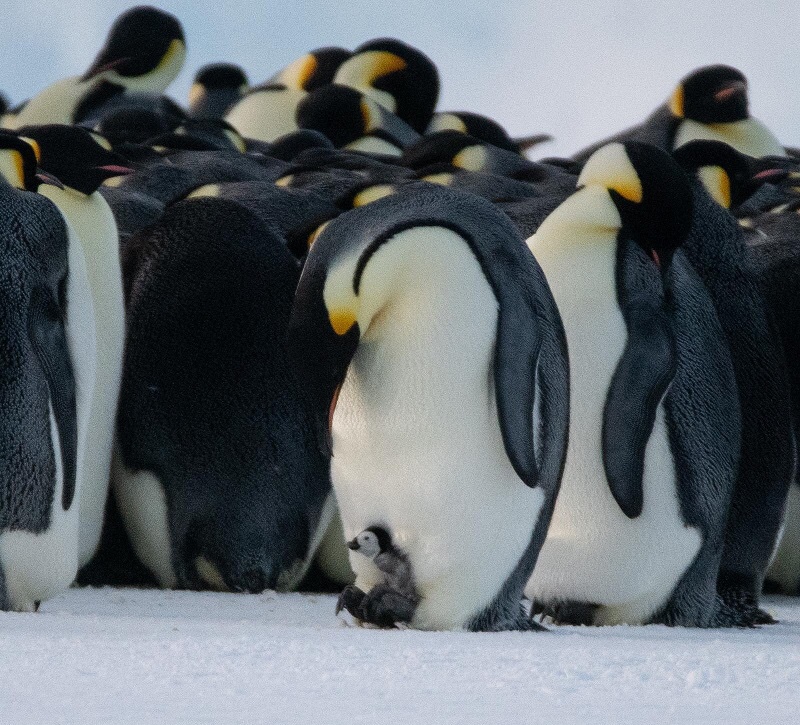
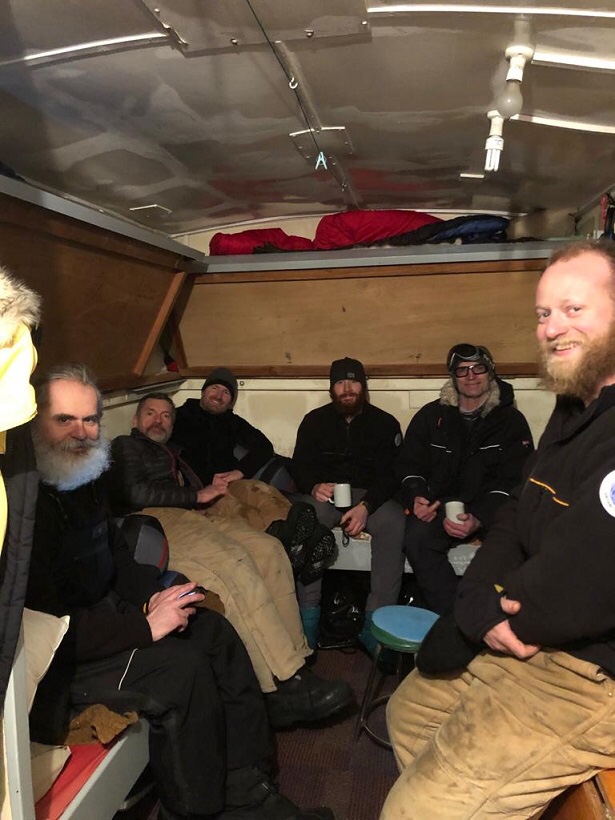
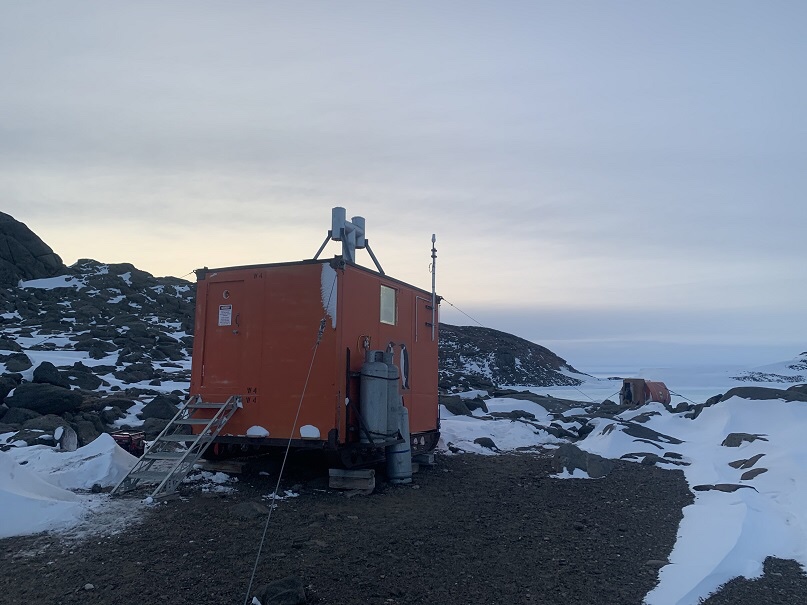
Our second attempt to reach Ledinghams went far more smoothly. We were waiting on station for about a week for the weather to clear … not that the weather was overly hectic but a bit of blowing snow and overcast weather meant surface definition was very poor and not ideal for travelling. The first leg from Mawson to Colbec hut went without incident and the blue Hagg performed well with its new transmission. It did feel good to be on the move again and was a bit strange to be back at Colbec as it began to feel like our home away from home. We were ready early the next day eager to finally be able to head further west into an area we hadn’t been before. There was a small moment of “Oh! here we go” as we connected up the poly sled loaded with fuel we had left at Colbec when we returned to fix the blue Hagg. When we went to take off the sled wouldn’t budge as it had frozen into the ice. Thankfully after rocking in reverse and then into drive a couple times it broke free of the ice and began to slide properly. Ledinghams is about 70km from Colbec and it took us about 5hrs to get there as we were in no rush and took opportunities as they came past to stretch our legs and take photos of ice bergs as we drove by them. Funnily though the sun was so strong and wind low enough as we were driving along the Hagg actually became too hot and we ended up with the heater off, beanies off, sleeves up and windows open as we drove along over the snow and ice. The irony certainly not lost on us as we sat back and enjoyed such a great day. Once at Ledinghams we each set about unpacking what we initially needed and clearing blizz from around the hut and getting the heater on to begin warming it up. We each also had maintenance tasks based around our trades to get into so we filled out a bit of the afternoon getting into those. There was a fuel depot there which I had to bring back the old fuel and replace with the new drums we had brought, though we were leaving far less than we were picking up as the fuel left there was a remnant of the days teams were dropped out there in choppers. We picked up 8 x 44 gallon drums of fuel and left only 3 this time putting them in plastic ‘over packs’ to protect them better from the elements. The bit about this that kinda sucked is that the old depot was about 200m from the hut obviously so the choppers didn’t have to get too close to the hut to refuel. Also the depot sat in an area covered in rock and we couldn’t drag the sled over to the depot so we had to roll the drums by hand over the rock to the poly sled. Mark the FTO helped me get the drums over and loaded up on the sled and by the end both of us were actually sweating. Since the extended part of the trip where we would have been camping had been cancelled 3 of us were still pretty keen to sleep in tents so we set up two tents on the other side of the hut and slept out there for the three nights. We have two mats we sleep on top of, one just a thin kind of yoga mat and a ‘Therma-rest’ mat which is just an air inflated mat about an inch and a half thick. We then Cocoon ourselves inside an inner plus an outer sleeping bag which doesn’t leave much room to move around but was actually pretty toasty once inside. The next day we headed off looking for Fold Island Rookery, weaving our way through small islands a part of Stephensson Bay and proving a safe route as we went. We eventually found them tucked away in a sheltered spot on the sea ice in the shadow of Fold Island which even itself was covered in ice like some ancient glacier had once flowed over the top of it. The Rookery was extremely small compared to what I have seen at Taylor and Auster rookeries with maybe only 100 adults. We had to keep a fair distance so to not disturb them at all so we set up on top a tiny island overlooking them and got some photos and were able to better see them through binoculars. I had not seen penguin chicks yet so it was pretty amazing to finally be able to see them even at a distance. They look like grey potatoes covered in feathers and were old enough they no longer fit on top of their parent’s feet, so could see a couple groups of maybe 8-10 chicks beginning to creche (all huddle together) which was pretty cute. On the way back from Fold we passed Lore Island and found an old cache that had been left out there since 2001 – it had two Nelly bins of dehydrated meals, 20L of Unleaded fuel and a polar tent which had been absolutely shredded. That night back at the hut we treated ourselves to a cheese platter and since I brought my small portable projector with me we used the back side of a map as a screen and watched a movie – all very civilised. We had another cache to find at Kemp lakes the following day which we were unsuccessful in locating but had a great day driving and walking around up and down small islands and over frozen lakes looking for it. After our third night we packed up to leave but not after writing our names on the wall on the hut which seems to have become a specific custom to Ledinghams with groups and trips dating back to 1997 – maybe 50 people have been there since the hut was installed which is pretty cool. Again, the poly sled needed a little convincing to get up and moving after a few days sitting still and with all the extra weight we actually needed to use both Haggs connected with a tow strap to break the ice and get the sled sliding. After one more night at Colbec and then the final journey back to Mawson I was pretty happy to have a shower and sleep in a proper bed.
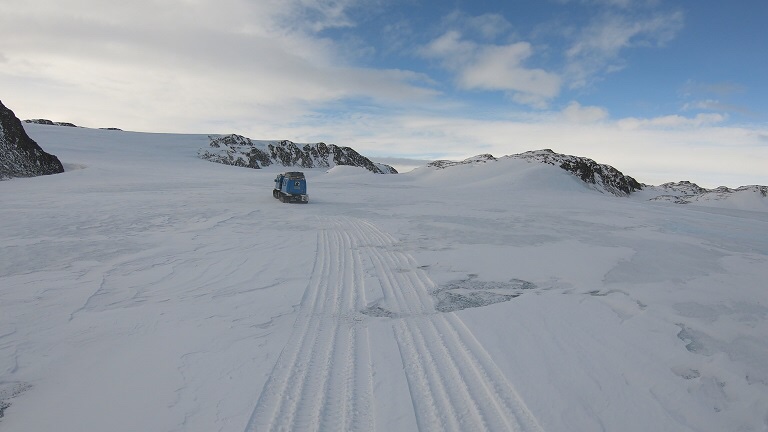
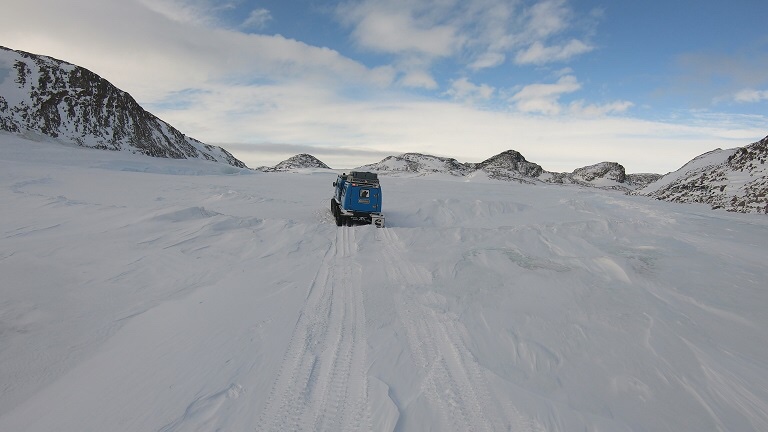
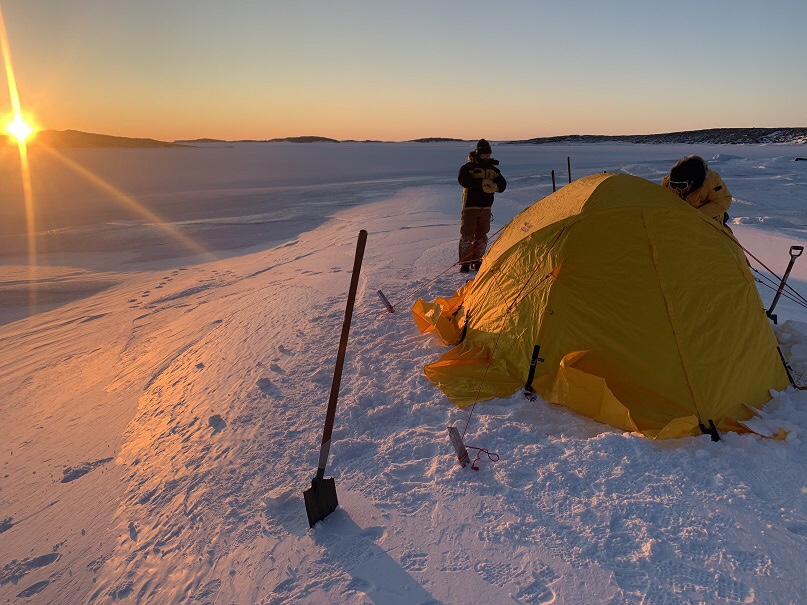
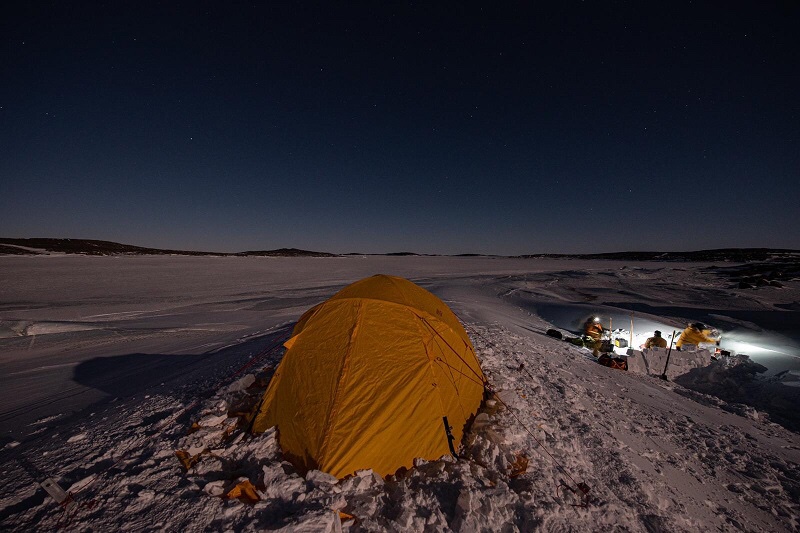
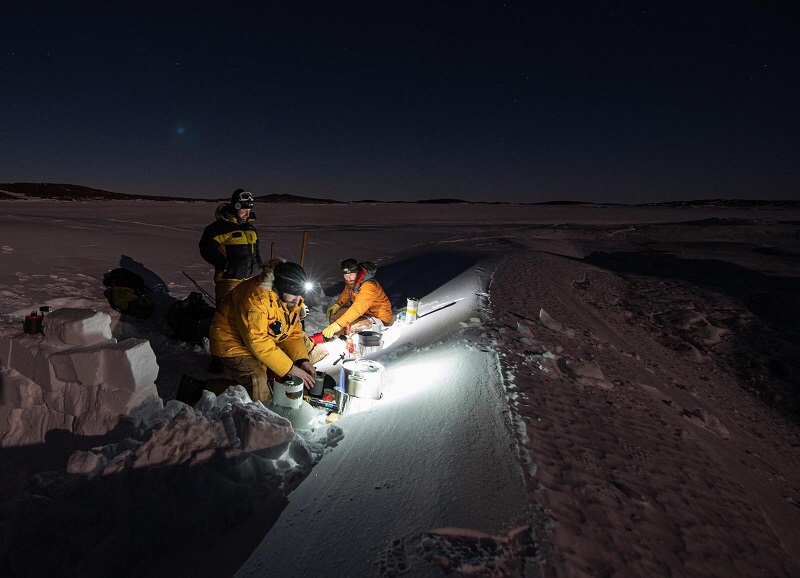
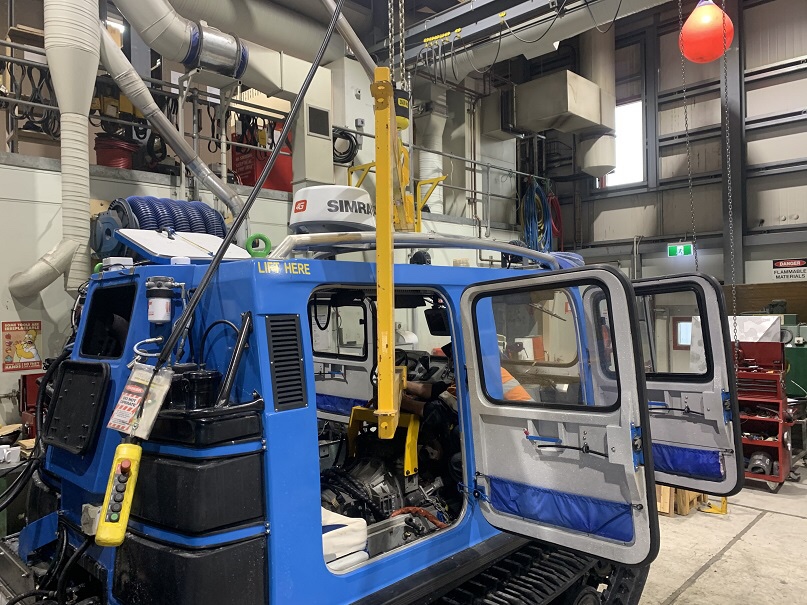
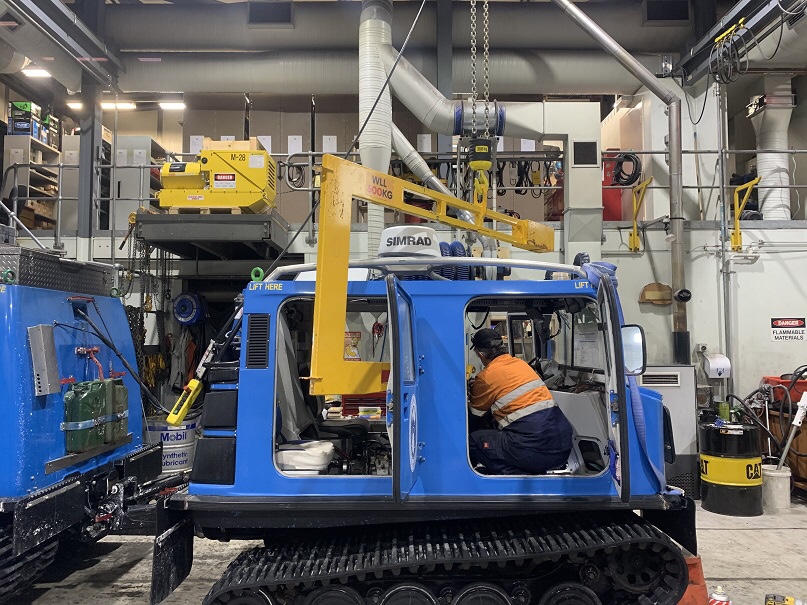
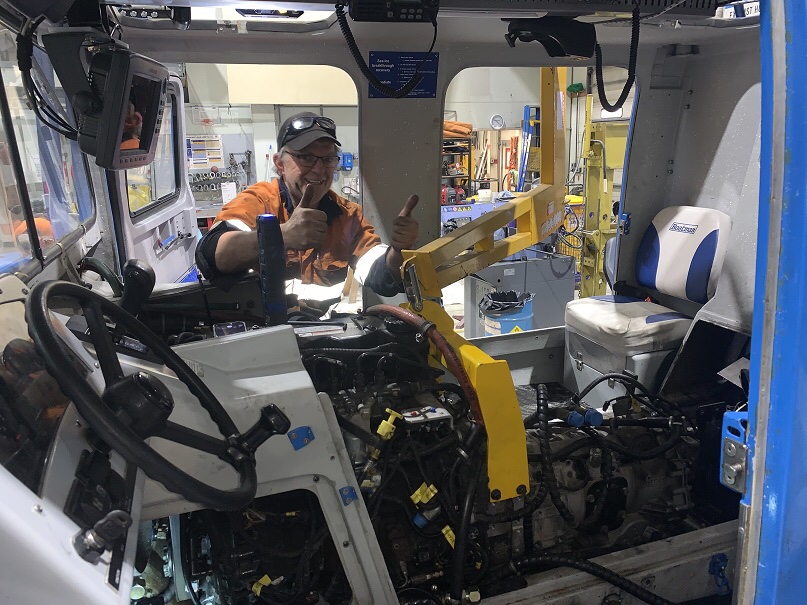
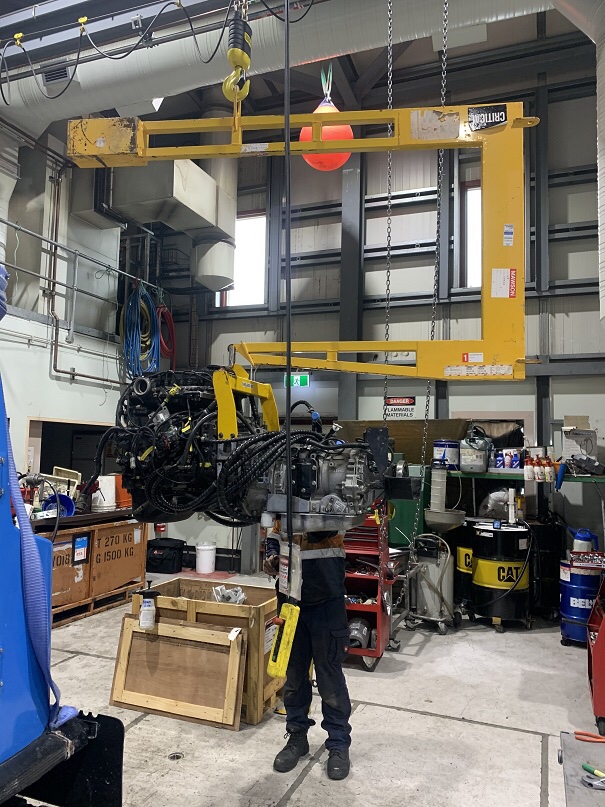
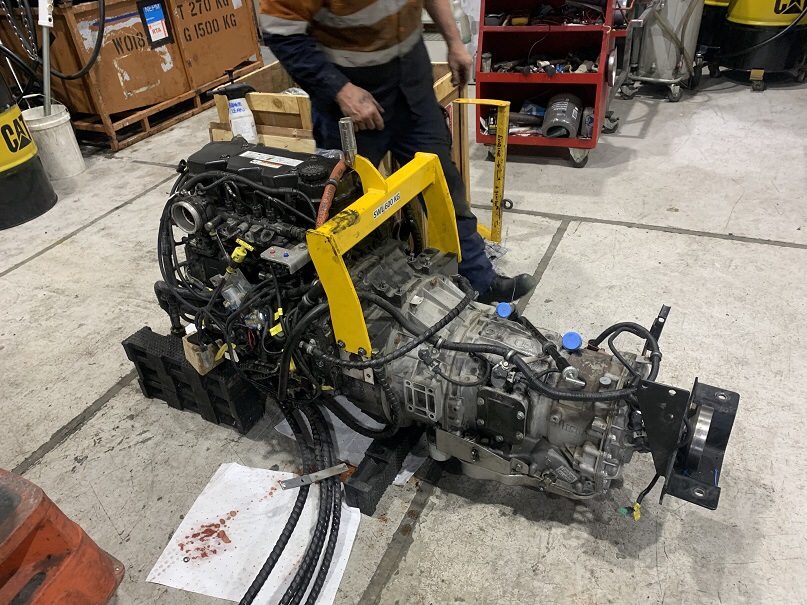
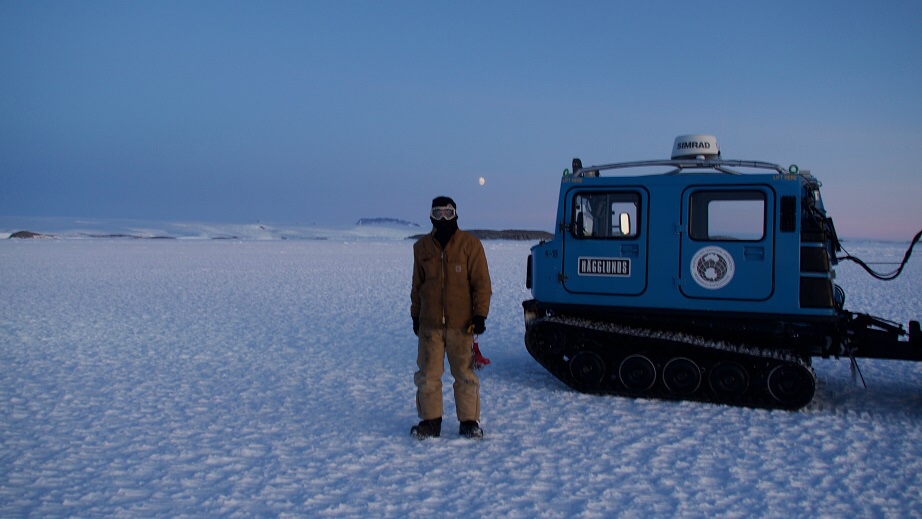
The following is a pretty great example of what is affectionately known as ‘the A Factor’ (the Antarctic Factor). For anyone who hasn’t heard of this term before I promise you will fully grasp the concept by the end. For the past couple of months five of us have been planning and squeezing in extra training to undertake an expedition to the west of Mawson ultimately aiming to go as far to a Rookery called Kloa. We also planned to try and locate and remove several old fuel caches along the route. These caches were remnants of the old dog sledding routes (dogs were removed from Antarctica in 1992 as per the agreed Antarctic treaty) and since we have greater ability to travel further now days these caches were more of a potential environmental hazard than anything else. The furthest hut we had access to was Ledinghams and even it was only half way to Kloa. The full journey would be 1200km there and back and no one has made it to Kloa since 2001. All up the trip was planned to be 11 days not including any days we could potentially have to wait out weather so we were expecting to take at least 14. Four nights of this trip we would be sleeping in tents, so one thing we had to do was practice setting up, sleeping in and then packing up polar tents. One night about a week before leaving we went to the edge of station and set up tents. With five of us on the trip there was three people in one and two in the other: not gonna lie – three blokes in a tent was pretty squished. For the most part of the trip we planned to be melting snow for water so we had to practice doing that which was pretty interesting. We would cut blocks of snow and build a wall to act as a wind break then using small gas stoves would drop smaller bit of snow into pots to melt it. One pot was used to melt the snow just enough to have water to fill up drink bottles which were kept in insulated covers to help stop them freezing and when we went to sleep we would keep our water bottles inside out sleeping bags otherwise they would still freeze overnight. The other pot was smaller and used to boil water which we topped up our thermoses and used for cup-a-soups and then to cook our dehydrated dinners. The dehydrated meals come in single serve packets. There are very few situations you would ever CHOOSE to eat them!!! Basically these meals are designed to give you sustenance and keep you alive. They are based off meals such as curry’s and stews and all a part of the experience. Just for simplicity our plan was to live off these meals while we were in the camping part of our trip. While living out of the huts we had cryovaced meals pre-prepared like bolognaise, stroganoff and curry’s and also pre-cooked serves of brown rice which was also cryovaced so basically to cook dinner in the huts we just dropped a meal and a rice in a boiling pot of water still inside the bags and when they are hot you just pour a bit of each in a bowl and you’re done. When packing the food we set it all up in labelled ‘nelly bins’ so we had a bit of a system and didn’t have to go digging through trying to find what we needed. So we had “hut food – days 1 to 3” “Camping food – days 4-8” “hut food – days 9-11”. Anytime there is an expedition out past the station operating area we have to take an additional 12 days of food per person. Emergency food bags are already set up as a standard grab bag for 2 people so we had three bags to have us all covered. And additionally, we were replacing the emergency “Rat Packs” (which is another nelly bin of emergency food) at Ledinghams. When we added it all together we had over 35 days worth of food for 5 people. Fuel for the trip took a bit of planning as well … we would have to take a fair bit of additional fuel for such a long journey as well as we planned to swap the fuel at the caches at Colbec and Ledinghams huts and install the new fuel drums with over packs to help protect them from the elements and also reduce the chance of a fuel leak. We had five 205L fuel drums to take with us plus the 5 over packs to leave them in. We have a sled which is made out of poly for towing over the sea ice as it floats and has been tested back in Kingston before it was set down. We made up some ramps to roll the drums up onto the sled and after got a pretty good system going to be able to man handle the drums around out in the field. Our next test was run though what we would do if we have a mechanical failure resulting in one of the two haggs we would be taking not being operational. There is a towing frame we would use to connect the two haggs together and then after testing how well the hagg went towing the other we then had the sled connected as well testing our ability to still travel with one dead hagg and continue to bring our fuel trailer with us. All of this went well and as well as being good fun the whole exercise gave us confidence in our ability to continue moving should we encounter any issues. So after all this we were all set to go. Everyone was excited and ready. The only thing we were waiting on was approval from Kingston to get going. We had a good weather window ahead of us and expected to get the green light quickly so we packed the haggs the two days before we had planned to leave. Unfortunately the day before we were set to leave Kingston called up and asked us to hold off on going as they were still not super happy on signing off on the trip yet just to be sure all safety aspects of the journey were covered. This was a bit frustrating because we were all very confident and comfortable with the plan as well as waiting meant we sat through this really great weather window twiddling our thumbs. In the end it was decided to scrap the camping and Kloa part of the expedition mainly because of this year since there are no intercontinental flights in Antarctica should there be an accident or emergency there was no possibility of getting any help via air. This was a bit of a hard hit for us all for them to come back to us last minute with this decision especially since we were mentally prepared and excited for this trip, but ultimately could understand the reasons behind their decision. The revised plan was to just make it to Ledinghams and visit the emperor penguin rookery at Fold Island. This new plan meant no camping in tents and no dehydrated meals (gotta take them wins when you get them). At the next good weather window we set off, FINALLY. Having made the 70km trip to Colbec hut already once this year we were confident that the ice out to there was pretty good but we would still get out and drill at any cracks in the ice just to be sure. We were about three quarters of the way there when the lead hagg stopped to drill the ice but then when they went to move on the Hagg wouldn’t get into gear. They called me over to come and have a look at it. I could see from the indicator on the dash that it wasn’t picking up that the gear selector was being moved into forward or reverse. I shut the hagg down and turned the battery isolator off and then back on again, went to start the hagg and it wouldn’t start … it wasn’t even cranking. I have a reader that will connect to the haggs electrical system and see if there are any fault codes but it only talks to the engine not the transmission, so at this point things weren’t looking great. I was able to start the hagg by shorting out the start solenoid but it still didn’t want to get into gear. After a little bit of checking a few things out it suddenly decided it wanted to get into gear but I knew nothing had been fixed. We made the rest of the journey to Colbec with no further issues. Once there I was able to call up Shane, my boss back at station and explain the issue to him. He then had to get in contact with people at Kingston but with the time difference I would be waiting until the next morning for advice on what direction to take from there.The next morning I was given instructions that the best course of action was to return to station and had to loop together two wires to trick the transmission into working in ‘Limp mode’. Also we found out that weather on station was not great for travelling and we would have to wait out the weather for two days before returning to station. There were small maintenance jobs to be done around the hut to keep us busy for a couple hours as well as myself and Brilly (our electrician) sorting out the Hagg. Once all that was done we went on a drive around the Taylor Glacier and had a look at the surrounding area as we wanted to see if there was a way to get from the plateau onto the sea ice possibly finding a land route from Mawson to Taylor Rookery making it possible to visit later in the year and better judge its success by the end of the breeding season. Unfortunately where the plateau met the sea ice was very steep and we didn’t find anything we could use as an access point, but the good news was we had no further issues with the hagg. With still a lot of daylight left when we got back to the hut we went off for a short walk in between a group of ice bergs that had been trapped in between this small archipelago of islands. The following day was very lazy after breakfast we pretty much all just returned to our beds and read a book until lunch time. Even though weather on station was very windy with poor visibility where we were was such a clear day with hardly any wind. So after lunch we climbed up an island adjacent to us and got a great over view of the surrounding area and group of islands with Taylor Glacier off in the distance. The next day we set off back to station, leaving the fuel trailer and anything we could happily afford to leave behind and pick up again when we came back through and could relaunch the expedition. We made good time and thankfully had no further issues on the way back. Our plan was to take a spare hagg from station and head back out as soon as possible. Shane and I had to give the hagg a check over before we left and there was a small group of people booked to use it on the Friday night to head over to Baech Island so we had a few days to have a good look at the broken hagg anyway. Kingston had sent back some information on an issue they have had before with these transmissions and as I read it I found it was basically word for word exactly what had happened to us. The issue was an IMS (internal mode switch) which detects what position the transmission is in and will prevent it from starting if it’s in gear. Unfortunately this switch lives right in the guts of the transmission and we don’t have any spares on station. So after making a few tests to prove it definitely was this switch that was the fault the decision was made to change the whole transmission. Shane and I hooked into it, got the engine and transmission out, old transmission off and new one bolted on and then engine sitting back inside the hagg in a day. We were hoping to have set off this weekend but again we are waiting out some bad weather and hopefully we will try it all again by the middle of this coming week. So keep your fingers crossed for us.
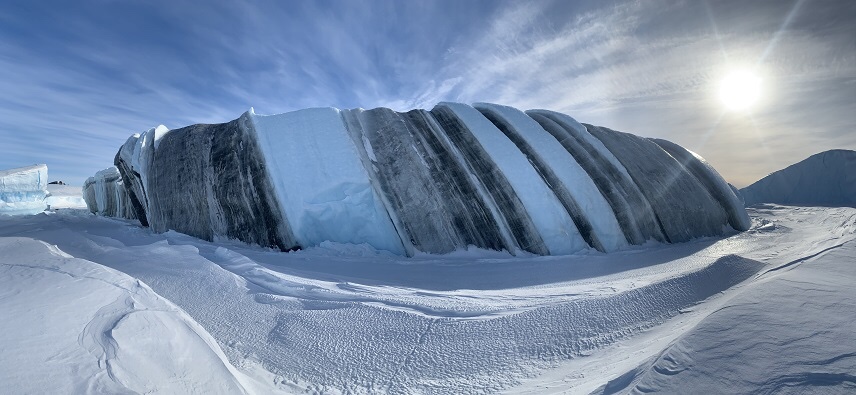
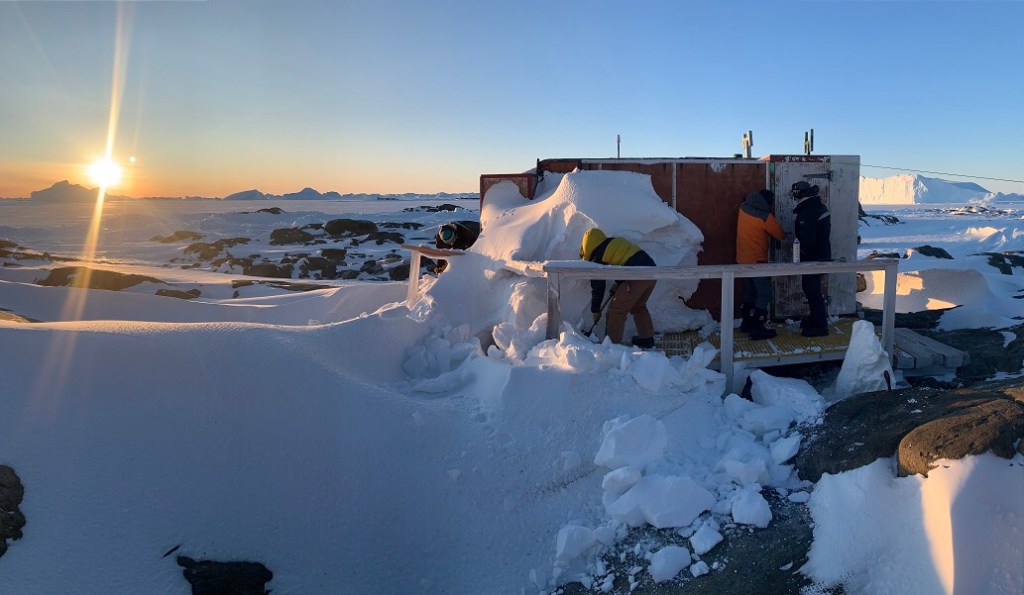
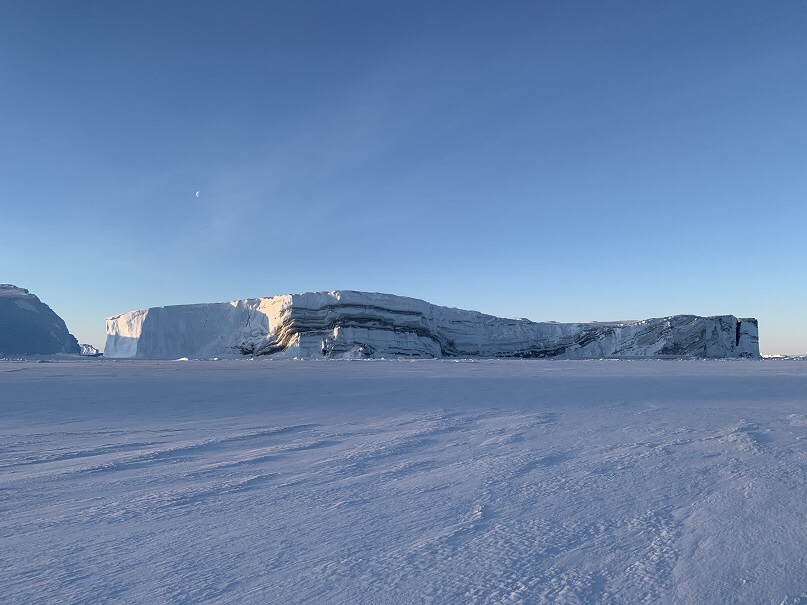
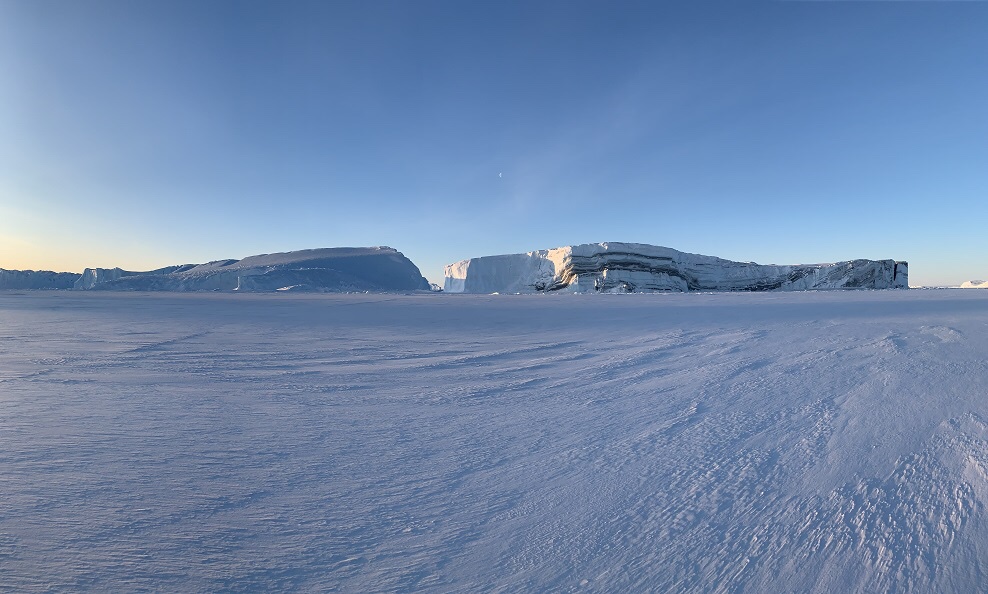
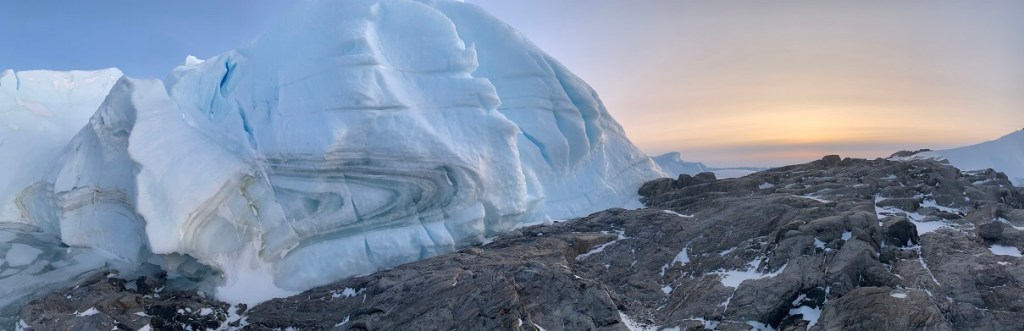
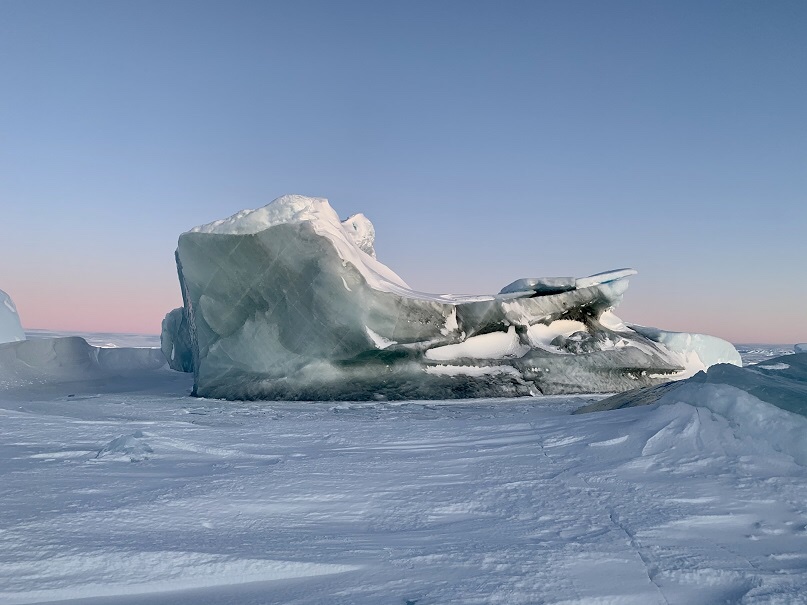
G’day all, A couple weeks ago we made our first trip out to Macey Hut and to locate and track down the Auster rookery. Macey is only about 35kms from Mawson across the sea ice and since this was our first trip there this season we had to route prove on our way out making the usually 2 hr trip a little longer as we had to periodically stop and drill the ice to check the thickness was ok to travel onwards. Thankfully we had good solid ice about 80cm thick pretty much all the way there. When we got to Macey island we had to scout out a good access point to get off the ice and safely on to land. Last years route was blocked by a few ice bergs so we decided to try and find a better route. If we went in between the ice bergs there would have definitely been a few tide cracks surrounding them making it too likely we could break through the ice. We went north of the island and circled around the back and found a decent spot to get up onto land and access the hut. Macey has a four person hut and an “apple” which is like a fiberglass dome which has two beds. There were 7 of us on the trip so luckily Mark offered to sleep on the floor of the apple. The hut itself needed a bit of work before we could settle into it. A large amount of blizz had built up around the back side of the hut blocking off our access way to walk from the main door of the hut to the toilet. It took a while to shovel all that away. Also, unfortunately, the door handle to enter the hut had actually seized up and wouldn’t open allowing us inside so we had to remove the handle to get inside. After all that we had a rest and lunch inside the hut while we made a plan for the afternoon. The idea being we would spend the afternoon looking for the rookery and if we couldn’t find it we would spend half the next day looking again if needed. Emperor penguin rookeries on sea ice are never in the exact same spot every year – they move depending on how the ice conditions change each year as well as the availability of shelter and sources of fresh snow. Also they do not return to the same rookery every year as they may decide to go to another one as they move around the continent. The start of our plan was to head to the location of the rookery last year and then see what likely areas they could be from there. Groups in the past have spent hours, days, even consecutive trips to find them. We got super lucky and found them in about 30 mins from leaving Macey. We headed off following the GPS route from the previous year. As we were going along we came across a really cool looking ice berg looking like it was made of more marble than ice. It was actually dirt that had been blown over it then frozen in layer by layer over probably thousands of years giving off the sedimentary lines effect through it. We stopped to get some photos when we noticed a small group of penguins at the end who had obviously noticed us even though they were probably 5-600m away. After a few more minutes of pictures and taking it all in we realised the penguins were actually making their way over to us. They had all just dropped on to their bellies and were sliding over. They first stopped about 15 meters away and sussed us out from a distance but didn’t seem too keen to get any closer as we all quietly and patiently sat there with our cameras ready. Since it seemed like not too much was going to happen from here the guys in the lead Hagg got in and slowly drove away and past them. This worked out really well for us who stayed because now the penguins seemed far more comfortable with our group size and they slid right up to us. One exceptionally curious penguin just kept sliding towards me. I actually thought perhaps it was going to slide right into my lap however it diverted slightly and stood up maybe just over a meter away as it sussed us out. It’s a pretty amazing experience to have wild animals just happily come up this close as you watch them try and work out what you are. Of course I did have a little laugh to myself as it was only the one penguin that came up really close as the others stayed back a few meters probably waiting to see if the other got eaten. After about 10 minutes we backed away, got back into the Hagg and then caught up with the others who then soon reported they had spotted a large group of penguins off around the next bend. Sure enough, there they were, thousands of penguins off in the distance. There were two groups at the time with the second group probably half the size of the main group. We still stopped just over 1km from them, grabbed our cameras and left the Haggs to walk over to them. A few strays were dotted around as we approached who mostly came over to see what’s going on before heading off about their business. As long as we stayed quiet and moved steadily and casually they didn’t seem at all bothered by us. As we reached the main group we stopped about 100 meters away and we each found our own spot to settle in and take pictures as we hoped we would have a few visitors. Penguins from the main group were a little more apprehensive about coming over, especially as the group was mostly made up of males with eggs rested on top of their feet but after a few minutes some of the braver ones without eggs slowly came out in small groups. Every now and then amongst the noise of all the adults we could hear the little chirps of a couple babies which was pretty cute. I never saw any myself but one of the blokes with a more powerful camera and lens got some pretty good photos. We were there for a little over an hour before we made the walk back to Haggs and then drove back to Macey as we lost the light. We spent the night back in the hut all excitedly talking about the day we had shared. Since we had successfully located the rookery we had the luxury of slowly packing up and making our way back to Mawson the next day. A few more trips have headed out since then as we try and rotate people through and make sure we all get a chance to visit and experience the rookery, hopefully several times over the season. August is known for being the harshest month for weather at Mawson and from 1st August it held up to its name. For over the first week of August we had pretty consistent high winds and one day had thick blowing snow and winds gusting up to 96 knots (177kmh). Just my luck this was the week I was rostered to do power house observations meaning I have to go check on the generators a few times throughout the day making sure everything was all good. Once the winds are over about 60 knots and less than 100m visibility we go into ‘red conditions’ meaning to travel outside we must travel in at least pairs and radio when moving between buildings and on arrival. So for the morning obs I recruited Frank, our doctor, to come with me and then Matt our station leader came with me for the midday obs but the weather declined further from there so I didn’t bother trying to go again later in the day. Thankfully it has eased up over the last few days for a nice reprieve.
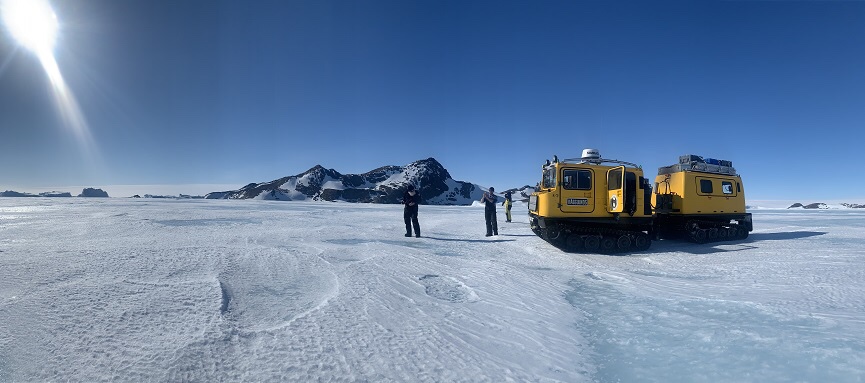
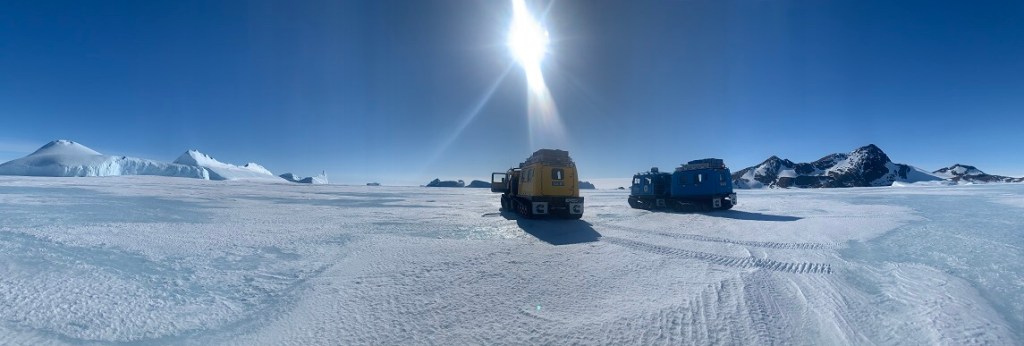
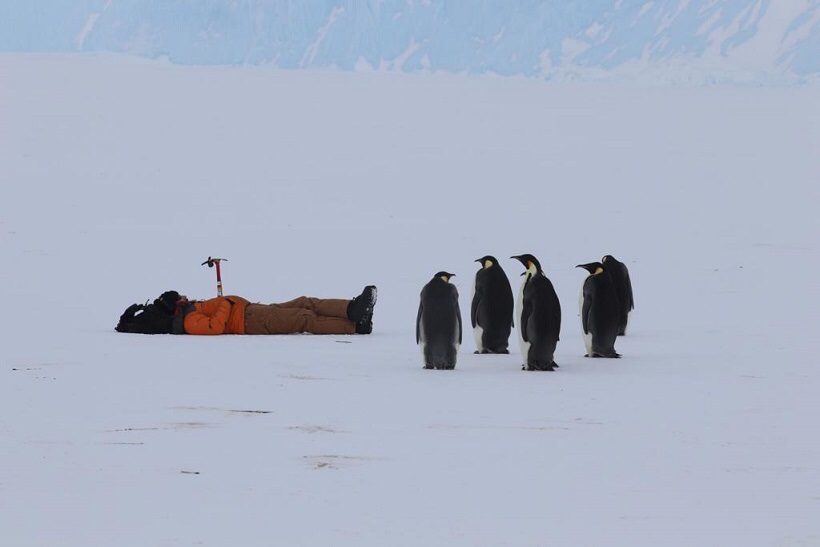
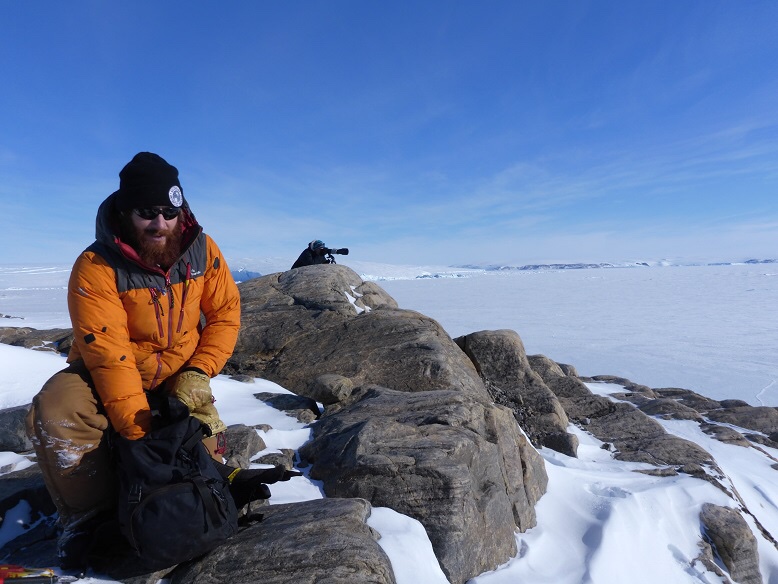
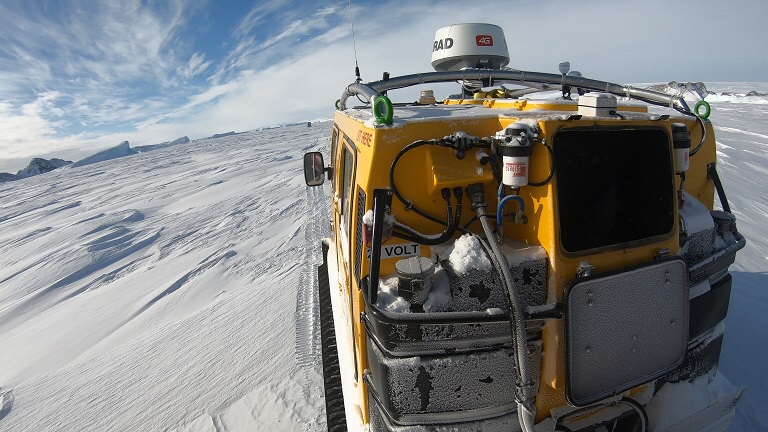
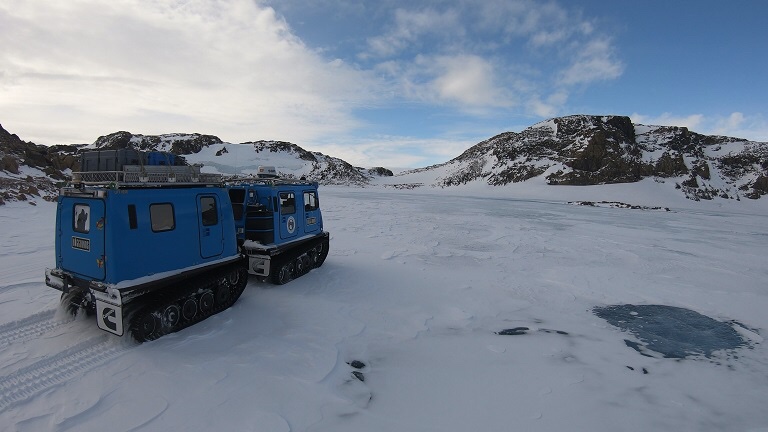
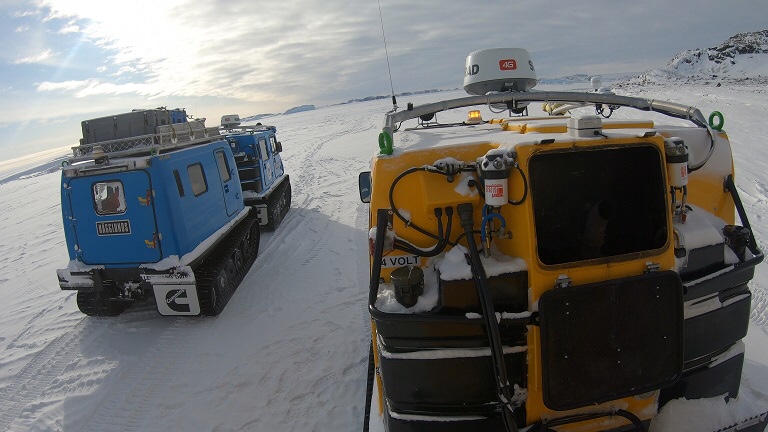
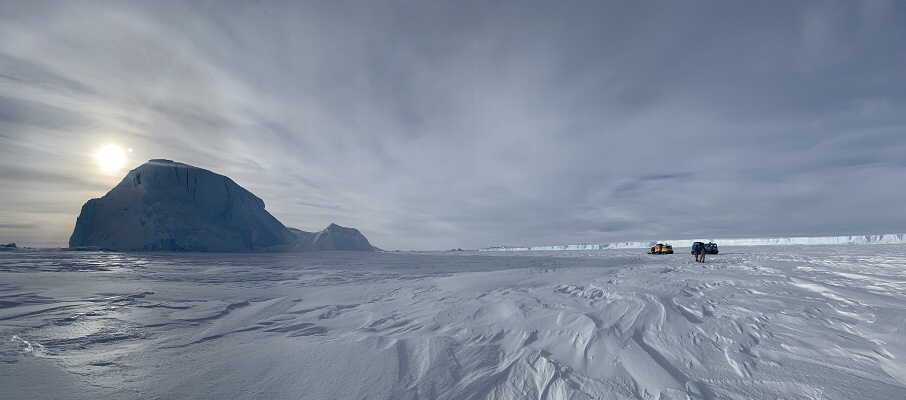
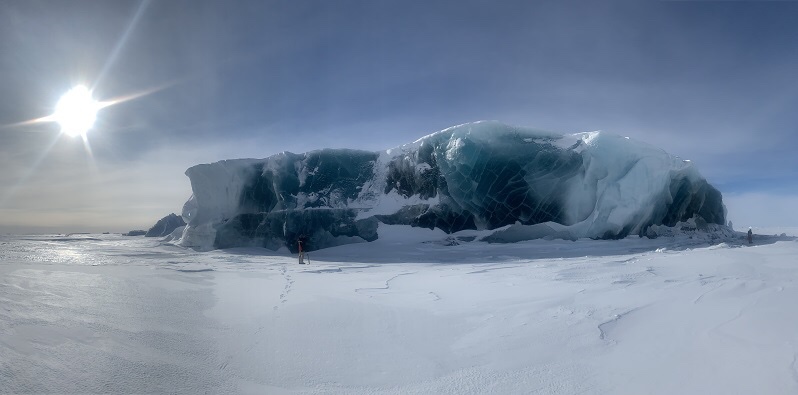
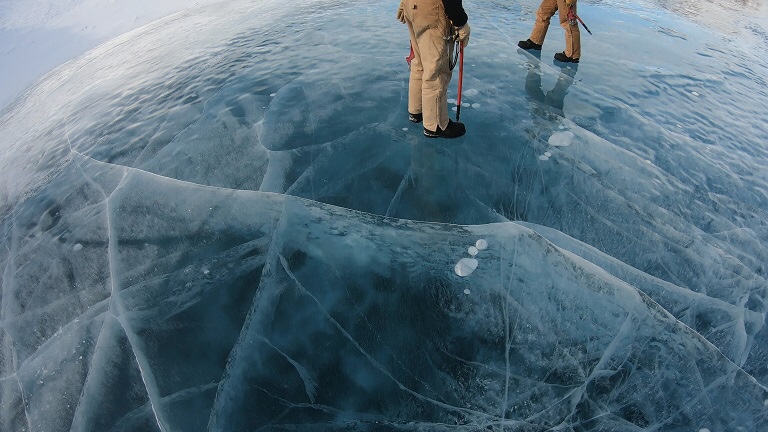
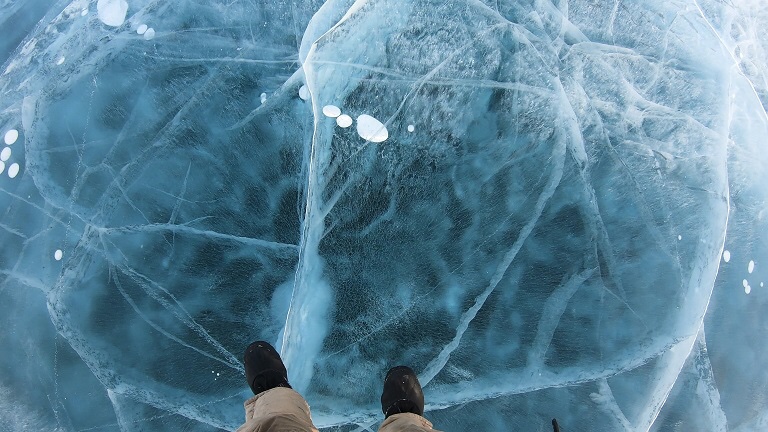
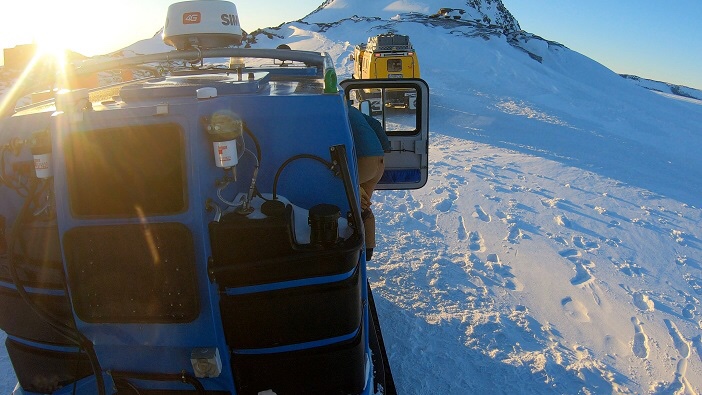
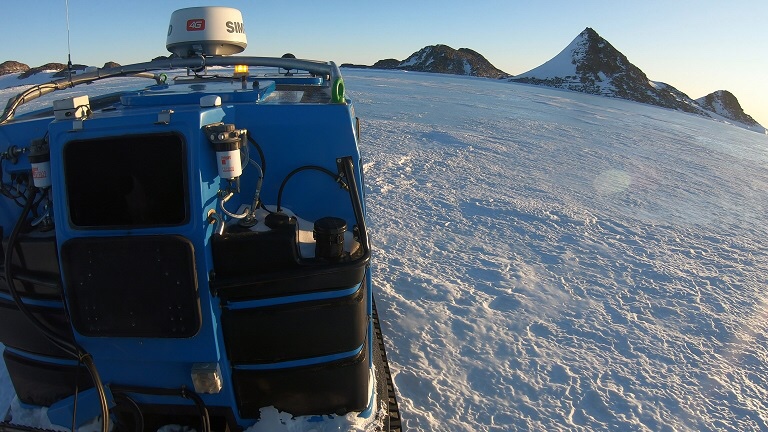
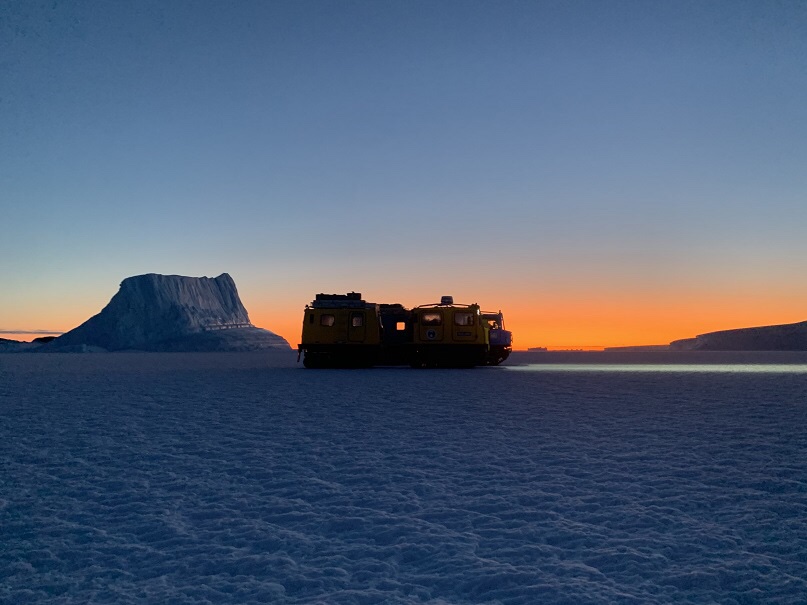
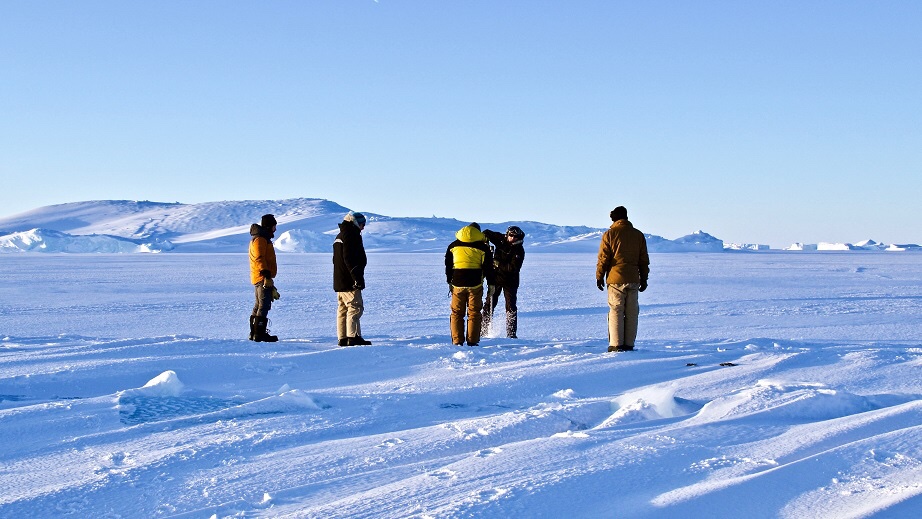
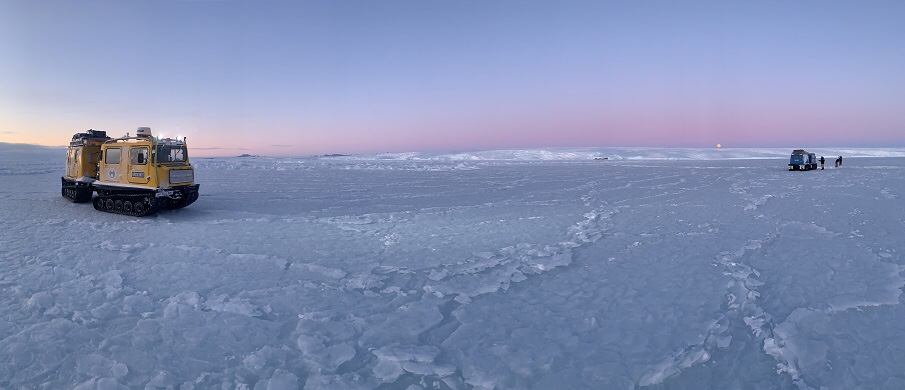
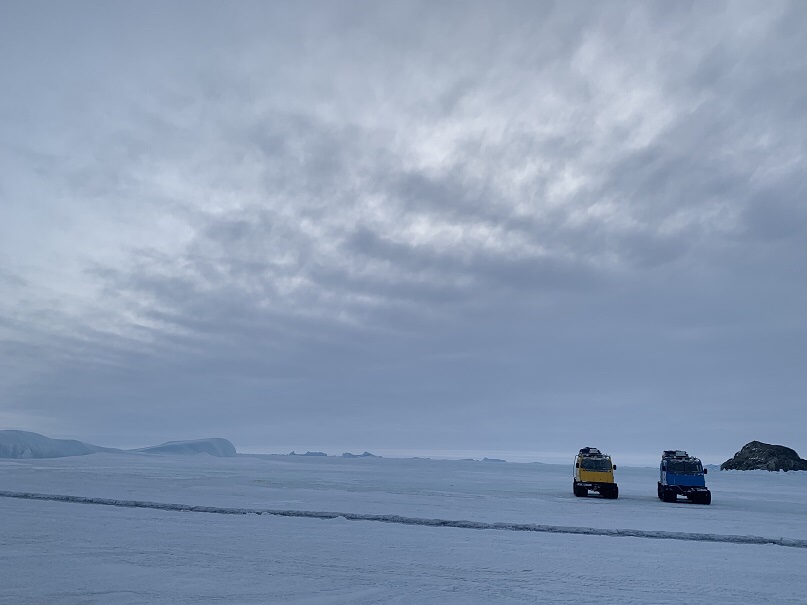
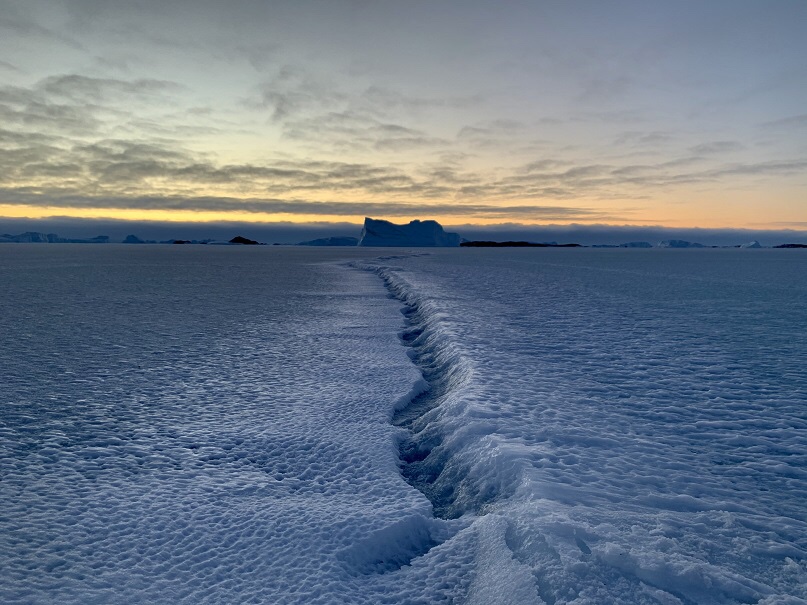
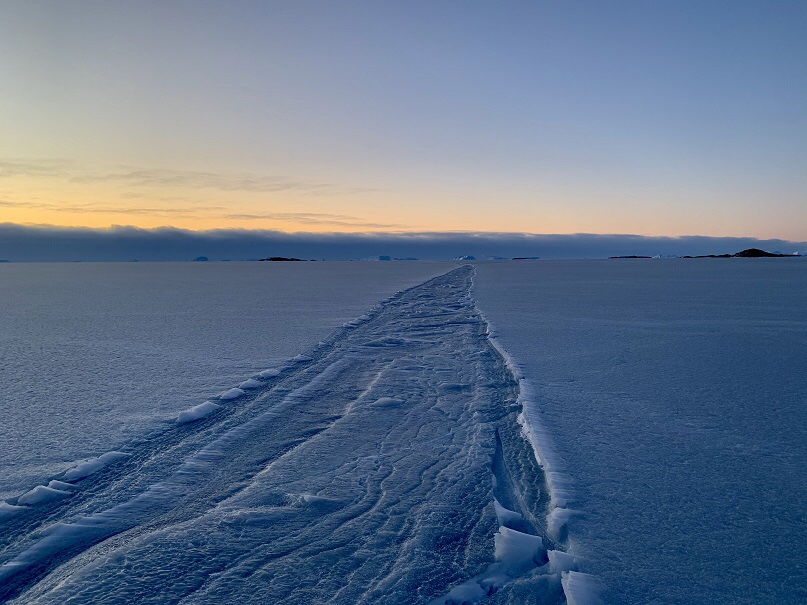
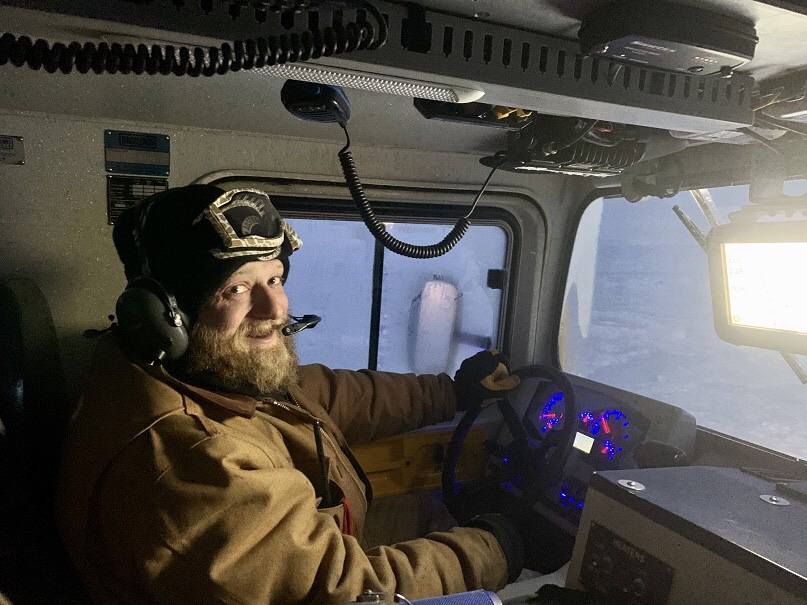
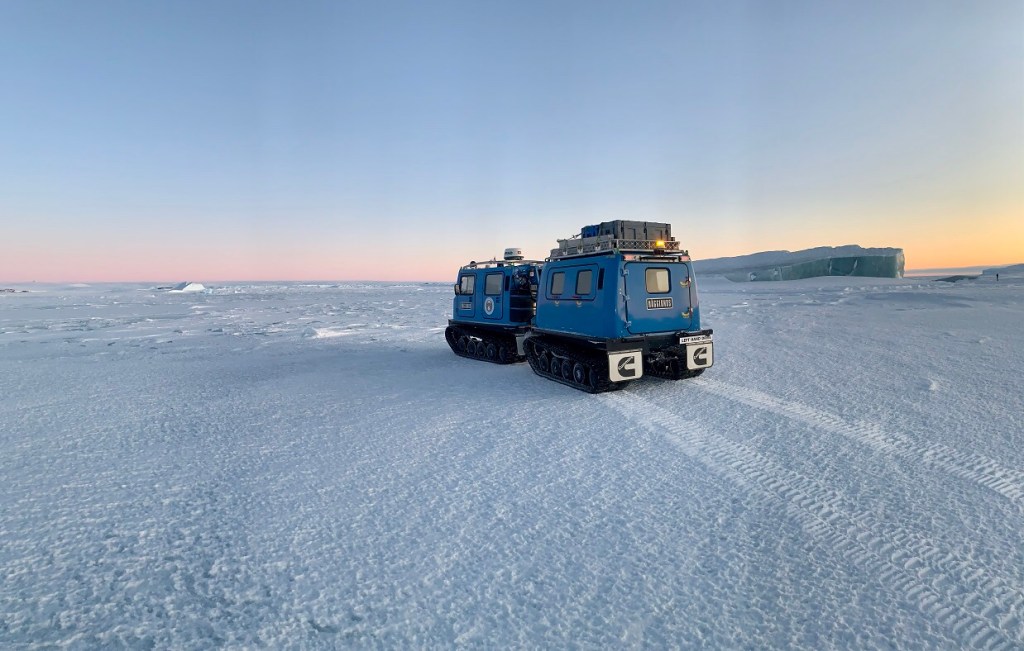
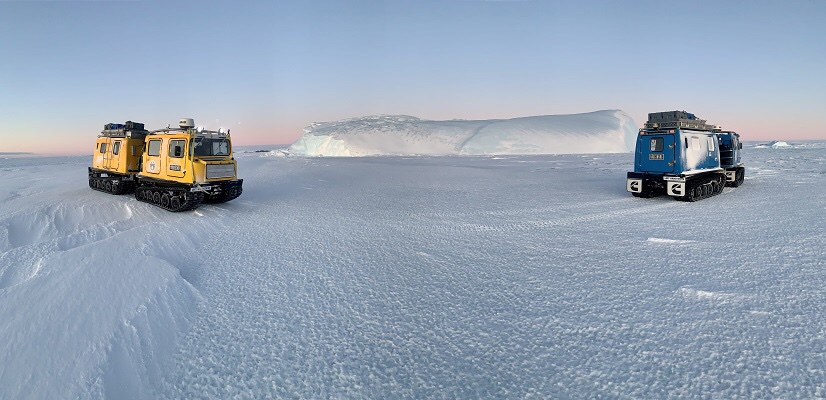
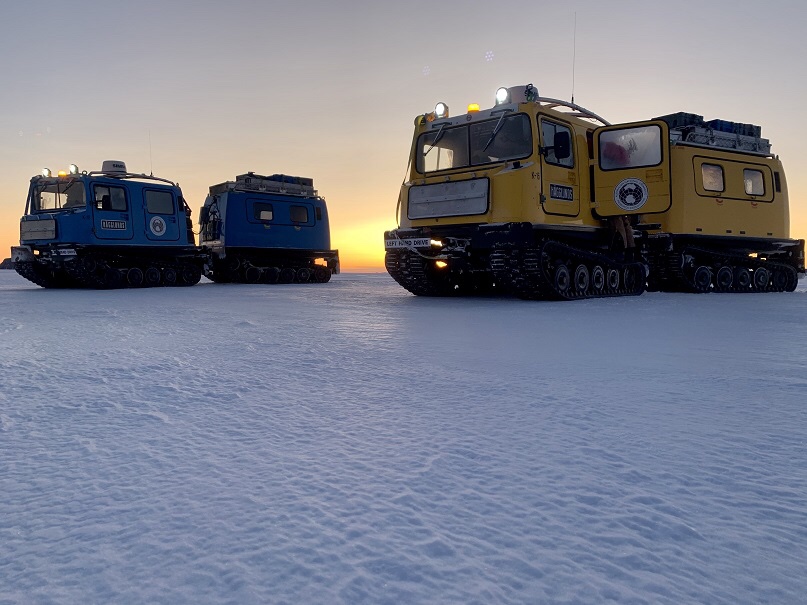
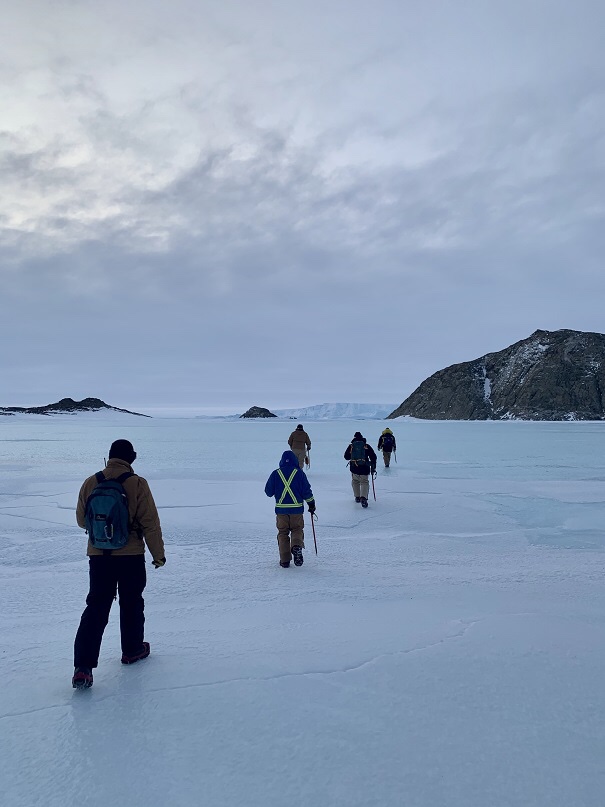
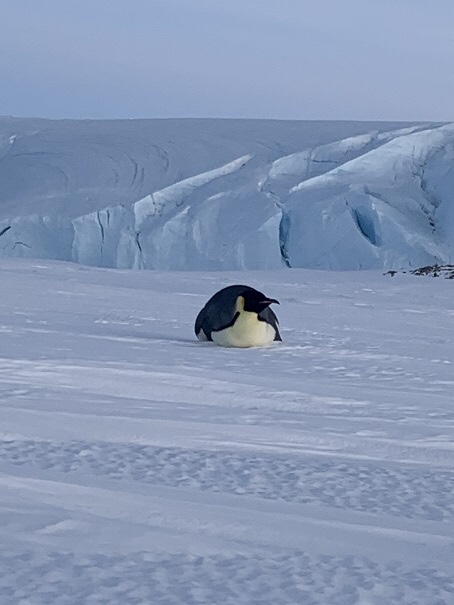
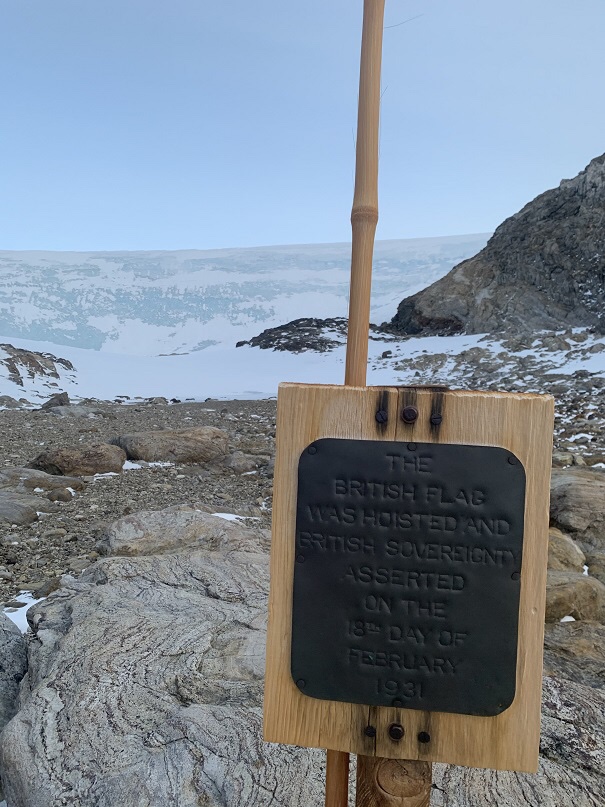
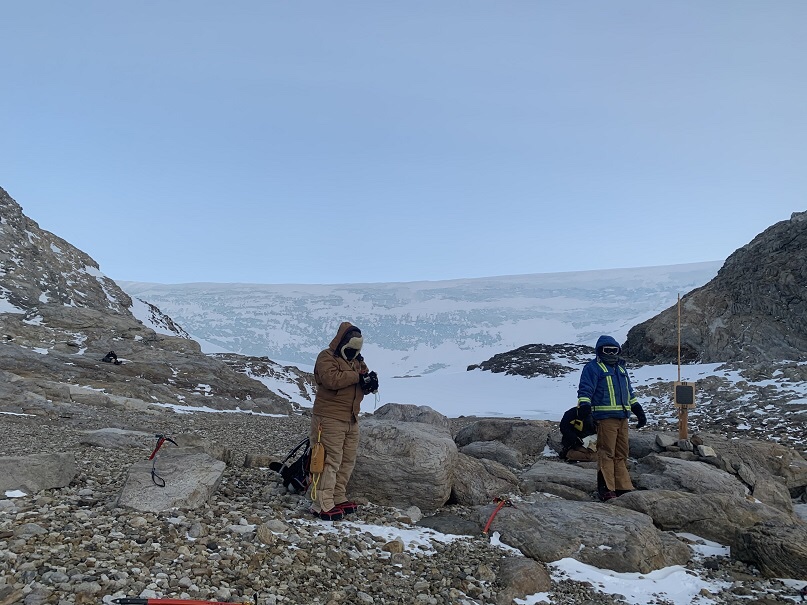
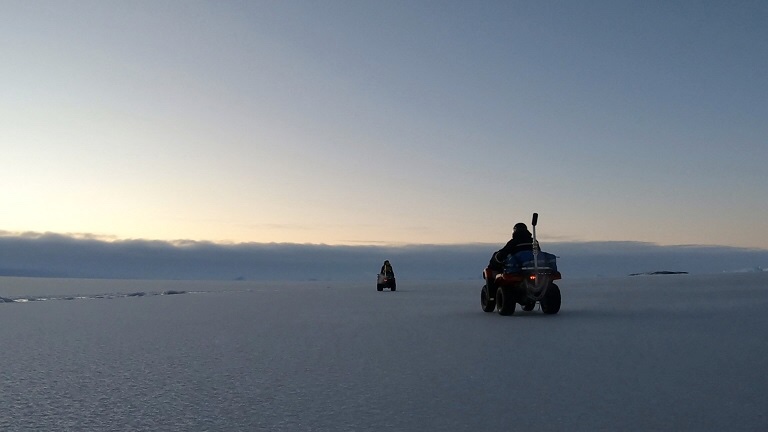
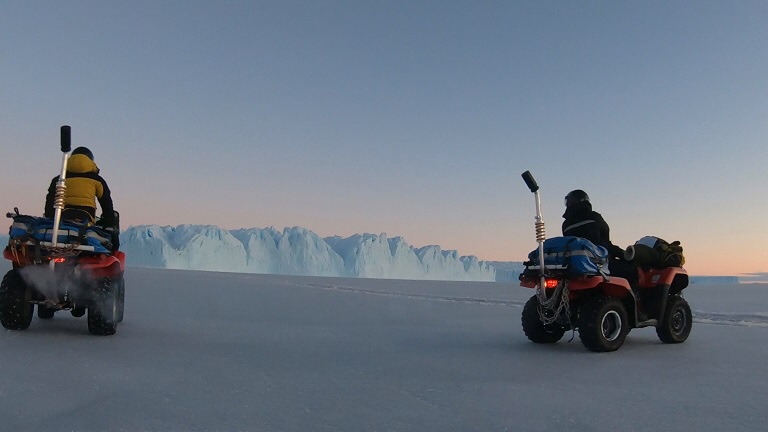
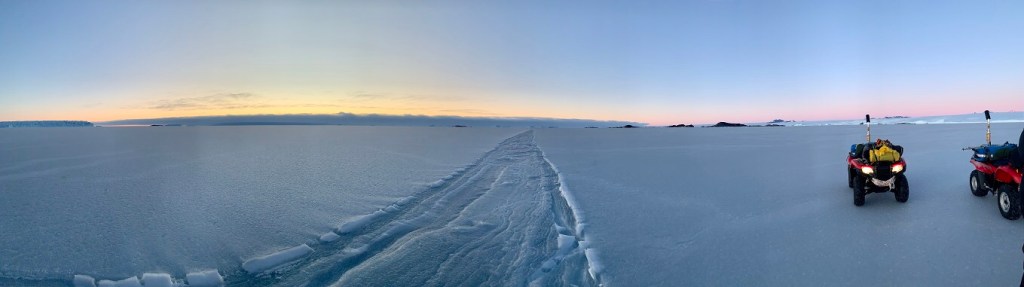
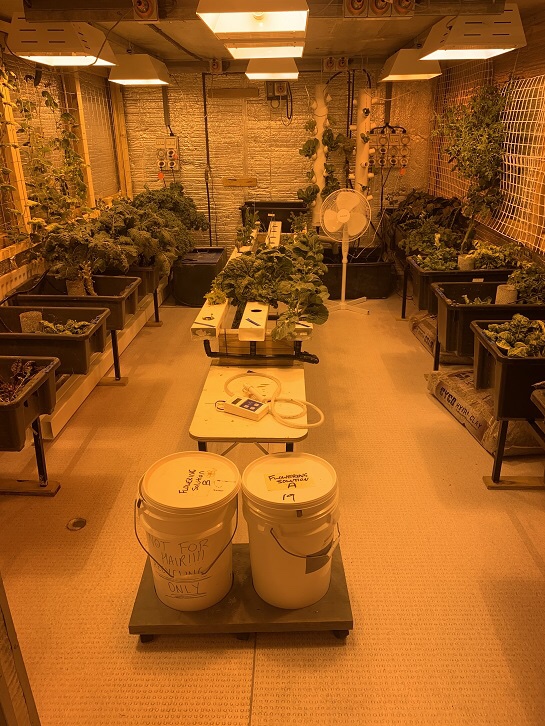
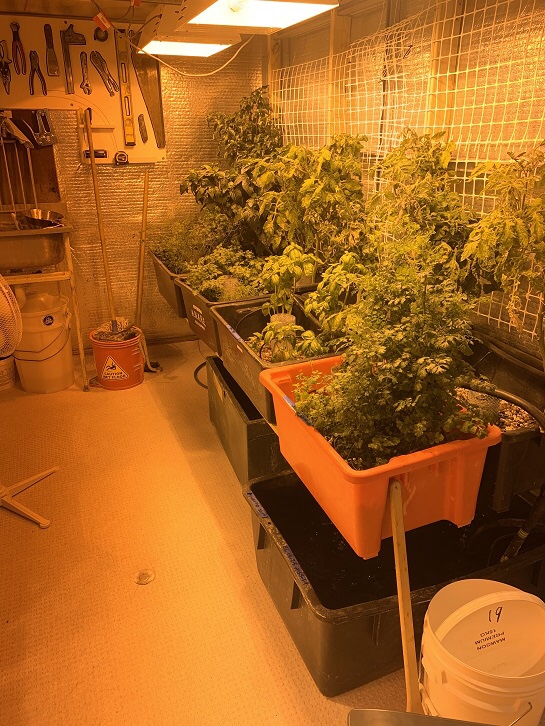
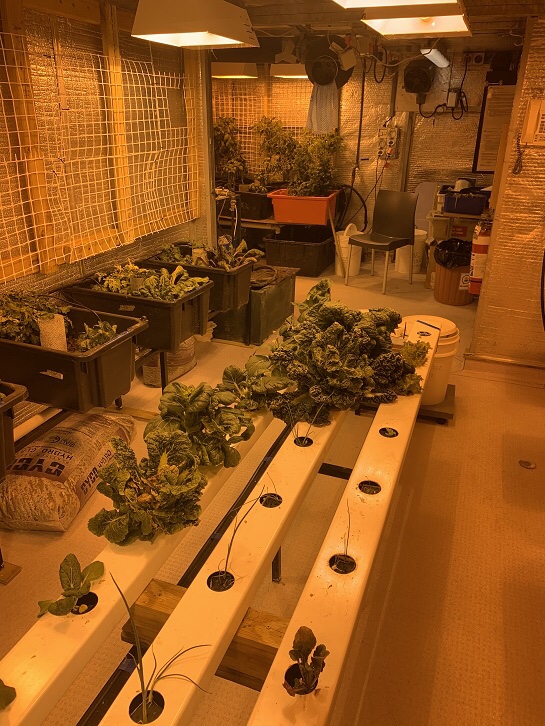
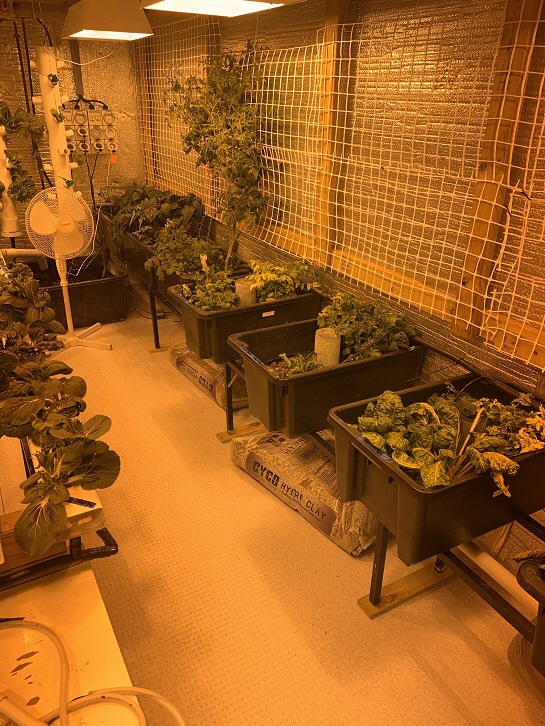
Hey Hey! So a couple weeks ago we got to travel out to Taylor Rookery which is one of the best trips we can do and as far as Penguin Studies go, this is also one of the most important trips of our season. Taylor is 90 kms from Mawson across the sea ice and actually outside the ‘Station Operating Area’ meaning special permission has to come from Kingston to travel out there and a ‘Dieso’ has to be present on every trip, luckily for me. A lot of planning had to go into the trip before we could leave and a couple days before leaving three of us had to travel out on quads and do a reconnaissance trip to prove the sea ice would be thick enough to travel across on Haggs. If not the trip would have been put off. Over the years a generic route has been planned with waypoints on GPS for trips to follow when heading out to Taylor. But conditions change on the ice every year and the route can never be exactly the same. So while travelling out we had to stop every now and then to drill and measure the ice either at set way points or when ever there was an obvious change in ice conditions (e.g. change in colour or before and after a crack in the ice). Small cracks were fairly common usually found in between fixed objects like islands or grounded icebergs but these cracks were mostly only 10-20cm across and easily crossable with a quad. The main problem we encountered was quite a large crack coming of the Forbes Glacier over a couple meters wide and barely frozen over in the middle. We couldn’t even get the quads across let alone a Hagg. So we had to go and find a way across. This is where it got really interesting because we no longer had that certainty of knowing the exact way to get to where we were going which is very rare in this day and age when everything is usually always mapped out for us already, so this was really a tie to actual exploration. First we travelled back towards land and where the Glacier met the ocean to see if there was anywhere there that the crack was closer together but as we got closer to it we found that three cracks actually extended from one intersection and there was no way we would ever get through there. So we had to head back out following the crack out to the ice edge. It was a fair way out probably a few kilometres before we found a place where the crack was small enough to cross but we were happy we found a spot because otherwise the whole trip would have been put off. All up we ended up travelling about 40kms from station and all the sea ice measured at least over 70cm to over 1m which was great because we needed at least 60cm to travel in Haggs. It was a pretty awesome experience to be riding over sea ice on a quad in between small islands and ice bergs. The day after the ride we had to get all of our gear together and pack the Haggs. Six of us would be heading out together and travelingin two haggs, so I had a pretty busy week leading up to this checking over the haggs and especially ensuring all the door seals were water tight in the event a hagg broke through the ice and ended up in the drink. I also had to ensure I had a selection of spare parts and tools in the event there was a break down. We left first thing on the Sunday morning. I drove the yellow Hagg with Tom our Communications officer and Wayne one of our plumbers. We followed the Blue Hagg with Mark our FTO who was leading the whole trip, with Brilly a sparkie and Hamish one of the Chippies. The Theory behind it was the Blue Hagg travelled a few hundred meters in front and still had to drill periodically to prove they were still on good ice, so the Blue Hagg was quickly named the ‘Blue Canary’ while the yellow Hagg was often referred to as the ‘Yellow Submarine’ since it has frequently featured on the wall of shame. All up the trip to Colbec hut took about 8hrs with little time to stop to take photos since we had to make the best of the day light we had, though we did take a little bit of time to stretch our legs and get a few photos when we came across a ‘Jade Berg’ – an ice berg which is not the typical light blue but more of a milky dark green. Little is known about how they are formed but they are quite rare. There was only one ‘If-y’ moment on the trip when we came across one crack which was still just wide enough for the tracks on the Hagg to span but also very thin in the centre. The haggs did actually break through to open water but only over a distance of about a foot so the Haggs still easily crossed. Once at Colbec we set about unpacking the essentials and most importantly warming up the Huts. There are two huts there both sleeping 4 people so we had three people in each. The next day we had a slow rise as we had to wait for a bit of day light for our visit to Taylor rookery which was still another 5kms from the huts. Visiting Taylor Rookery is highly regulated under an ASPA (Antarctic Special Protected Area). Taylor is very unique as it is one of only a few known Land-Based rookeries and always in the exact same spot. Typically rookeries are on sea ice and reasonably transient in that there exact location changes every year as sea ice conditions change. Our purpose for this trip was to try and get a census of how many breeding pairs there were in the colony. By this time of the season the females have laid eggs, passed them on to the males and then headed back out to sea to feed and any male who did not breed should have left by now. Due to the ASPA we are only permitted to visit the Rookery 3 times in a season and only 4 people are permitted into the area. As there were 6 of us on the trip, unfortunately Wayne and I kind of drew the short straw since we had no operational reason to enter the ASPA as far as photographing the colony or downloading data from cameras permanently set up to document the colony. So the others got their gear together and went on into the ASPA whilst Wayne and I wandered off to a nearby island which over looked the colony from a distance. The view from on top of the island was pretty spectacular. We could just make out the colony as a bit of a black mass in the distance but also had a great over view of the Taylor Glacier as it met the sea ice. What was also great was that since there was almost no wind was how quiet it all was – everything was just so still. Every now and then we could hear a penguin squawking in the distance but apart from that it was quite surprising to hear how often the ice and snow cracked breaking the silence. It actually sounded similar to rain just starting to fall onto a tin roof with the occasional tap. . . . . tap . . . . . tap,tap. While on top of the island Wayne spotted a penguin leaving the colony and wandering back out onto the sea ice. We thought this was our chance to see a penguin up close so we climbed back down from the island and walked back out into the direction we thought it would be heading. We stopped a couple hundred meters away from it and just made ourselves as low as possible hoping it would continue in our direction. It seemed to have spotted us and after stopping to watch us for a few minutes it turned back around and started heading back to the colony. From here Wayne and I walked back to the other side of the island so we were in between it and the Glacier and got some pretty great photos. As we circled back around the island we came across the penguin making its way out again, though this time it seemed to have made its decision to leave as it was pushing itself along the ice on its belly. Wayne and I waited on our knees as still and quiet as possible as it made its way closer to us. When it was about 20m meters away it got back up onto its feet and continued to walk closer to us, eventually only stopping 5 or 6 meters away from us. We took this opportunity to slowly get a few photos of it and then after a few minutes of not much happening, I thought if I made myself a bit smaller perhaps it would get a bit closer, so I laid down and Wayne soon caught onto what I was doing so he followed. At this point the penguin must have been pretty comfortable with our presence so it just flopped down on its belly and now all three of us were lying on the ice. From here it was a bit of a stale mate, we were pretty much right in the direction the penguin wanted to go but since we were trying to challenge a penguin to a ‘lying on the ice contest’ soon we had to get up and move away so we slowly got up and backed a way before moving off to the side and then the penguin continued on its merry way back out to the ice edge. After about 4 hrs everything had been concluded inside the ASPA and we made our way back to the huts. On the Tuesday we had to complete checks and maintenance on the huts and I had to go through the fuel depot there and make note of how much fuel and gas was left at the site and what year everything had been left there. Once the sun was up we headed out to Proclamation Point an important historical site where the English had proclaimed sovereignty over East Antarctica in 1931 and there was a small plaque and even a copy of the original declaration kept there. The site was actually lost for about 20 years and the plaque found by complete accident in the 1950’s. Then on the Wednesday we packed everything up and made our way back to station. We made good time and apart from a small amount of blowing snow which slowed us right down due to poor visibility only about 15kms from station it was a pretty uneventful trip. Though after 4 days of living in the huts I was very much looking forward to shower. Since that trip I have been fairly busy cleaning up all my gear and re-going over the Haggs making sure they are all ready for the next trip. In the next week we will hopefully heading out to go visit the Auster rookery which will be interesting as we will actually have to go looking for this colony as this will be a sea ice based colony which changes their exact position each year. Also I’ve thrown in a couple photos of our hydro set up as it has been up and running for a little while now and this week is my turn to check on it each day and maintain the pH and nutrient levels of the water tanks. It is a pleasant change going in there as it is kept at about 25 degrees and 25% humidity, along with fans to keep air moving and the sound of running water it’s more like an Antarctic Zen garden.

 Guy's Antarctica Adventure 2020